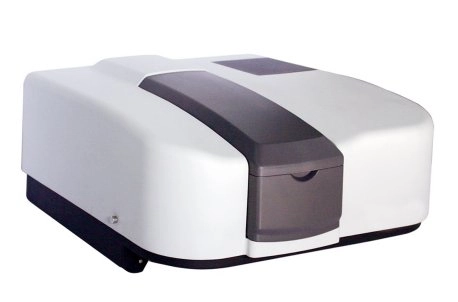
Food safety depends closely on accurate analysis, and UV-Vis spectroscopy stands as a key method for making sure that farm and processed food items follow required rules. All chemical substances take in, pass through, or bounce back light, which is a type of electromagnetic energy, within certain wavelength ranges. Spectrophotometry works by sending a light beam through a liquid containing the material under study, then checking the strength of the light that comes out. This basic idea helps labs spot even small amounts of harmful substances like pesticides or heavy metals that could harm people’s health.
UV-Vis spectroscopy proves essential in food safety efforts because it delivers quick and trustworthy outcomes for checking quality. Analysts use the way molecules soak up or let through light to find out how much of a substance is present in just moments. Such features matter a lot for meeting country-wide and worldwide food safety guidelines. Besides, these machines can handle either visible white light or ultraviolet light, reaching down to roughly 190 nm in wavelength, so they fit well for finding both plant-based pesticide leftovers and mineral-based pollutants like nitrates or metal particles.
UV-Vis Spectroscopy Techniques for Pesticide Detection
Finding pesticide leftovers in farm goods calls for approaches that show great sensitivity and careful selection. UV-Vis spectroscopy manages this via measurement based on light absorption, where pesticide particles show clear peaks at set wavelengths. The quantity of light a sample takes in at any given wavelength is directly tied to how much of that sample exists. This link, set by the Beer–Lambert law, allows exact counting even at very low levels, like micrograms per liter.
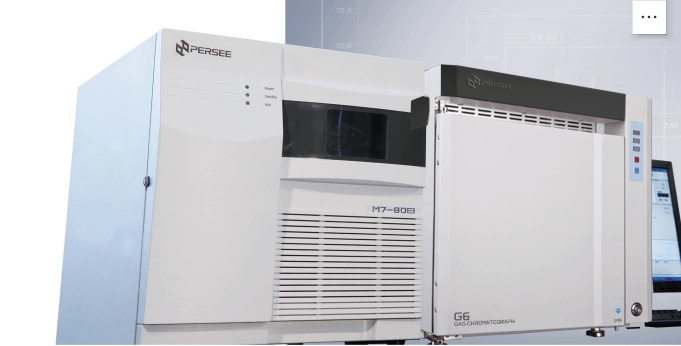
Compared to separation methods such as GC-MS, UV-Vis spectroscopy gives quicker checks and cheaper running expenses. Although GC-MS shares details on molecule shapes, spectrophotometry acts as a solid first step in broad watch programs. Devices with little unwanted light and strong accuracy in light measurement work best here since they cut down noise from tricky food mixtures.
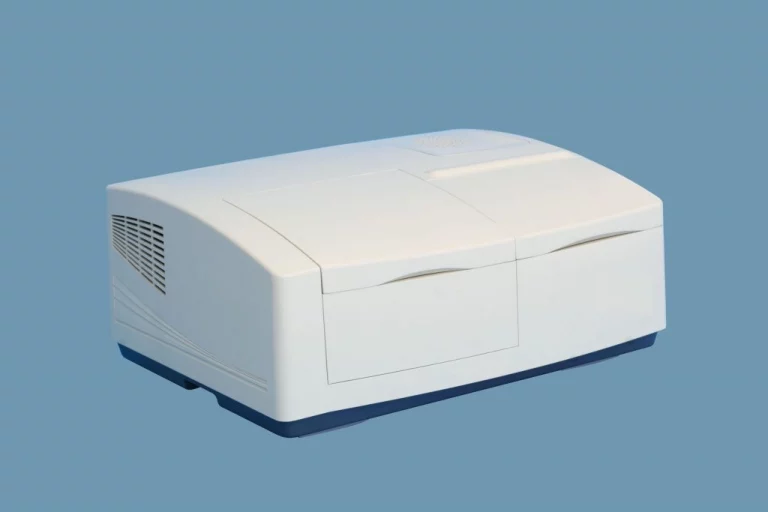
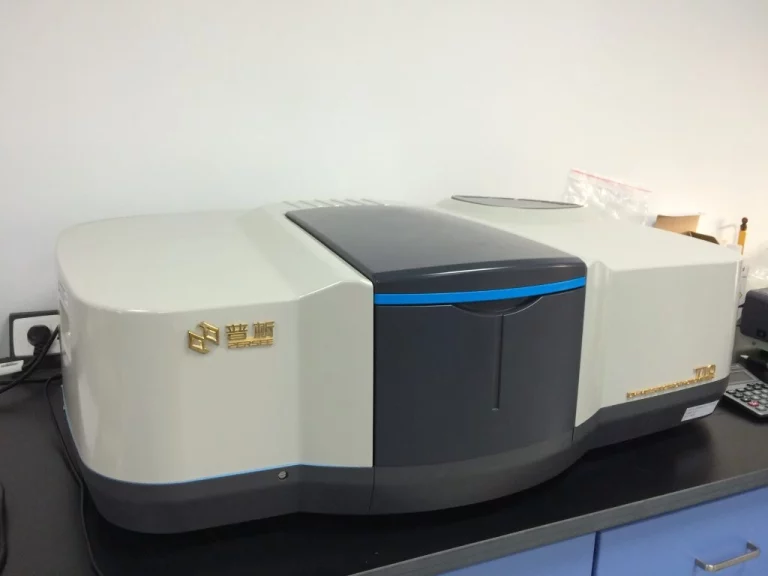
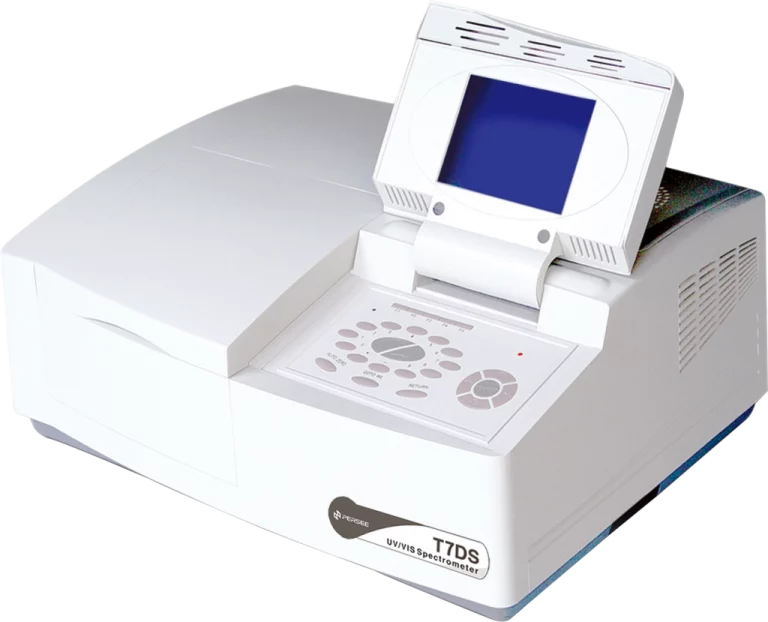
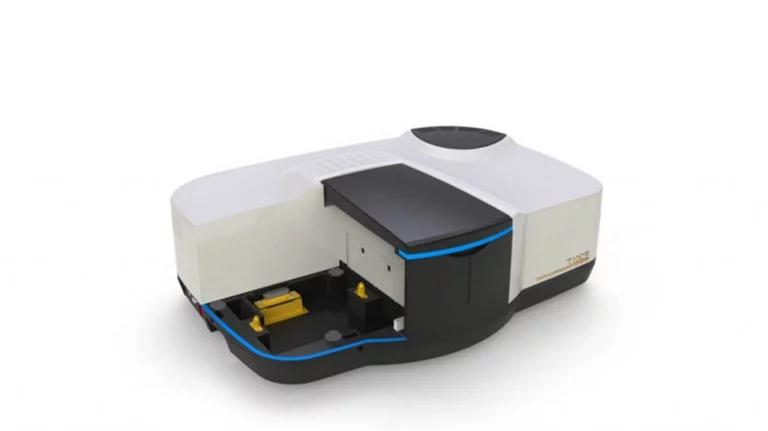
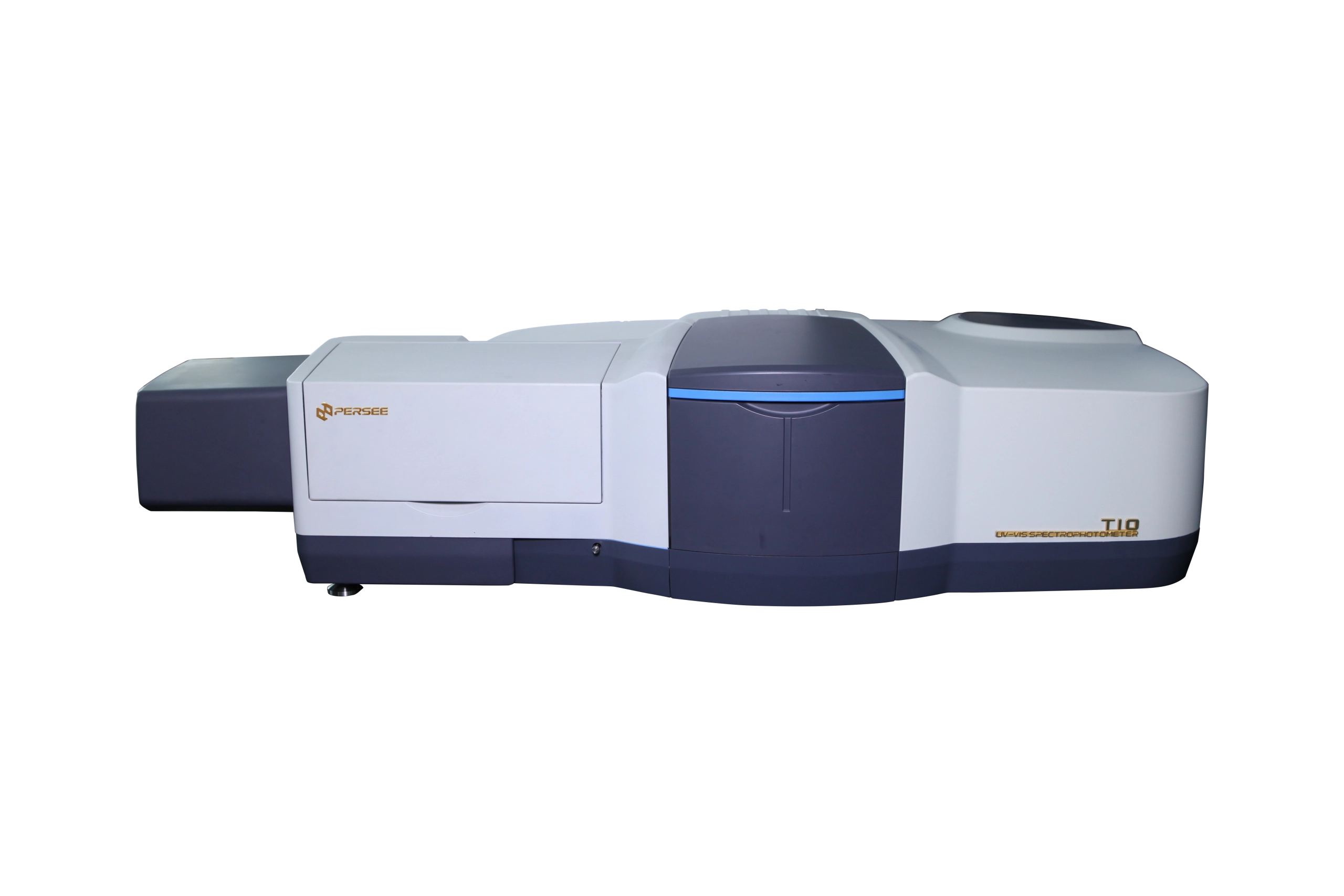
Our improved T7D UV-Vis spectrophotometer shows this strength by mixing two-beam optics with special gratings that greatly lower stray light and boost steady readings. It suits quick checks for pesticide traces, environmental care, border checks, and similar areas. Built-in automatic features let users run tests fast while keeping steady results over many samples, which labs for rule-based testing truly need.
Application in Identifying Contaminants
UV-Vis spectroscopy goes further than pesticides to spot harmful items like heavy metals, added substances, and factory chemicals in food goods. Its skill in picking up unique light absorption patterns makes it useful for watching lead or cadmium groups after chemical changes. For spectrophotometer standards, workers prepare them by weighing both the dissolved item and the liquid on a checked scale, using weight-to-weight measures. This step guarantees reliable tracking and correctness when setting up machines for harmful substance checks.
Today’s two-beam setups, such as the TU500 UV-Vis spectrophotometer, offer firm starting lines for exact counting of added items like fake colors or keepers often controlled in drinks and ready foods. These tools’ flexible light path designs permit checking many wavelengths at once, which helps sort out mixed light signals from various harmful items.
Technological Advances in UV-Vis Spectroscopy by 2026
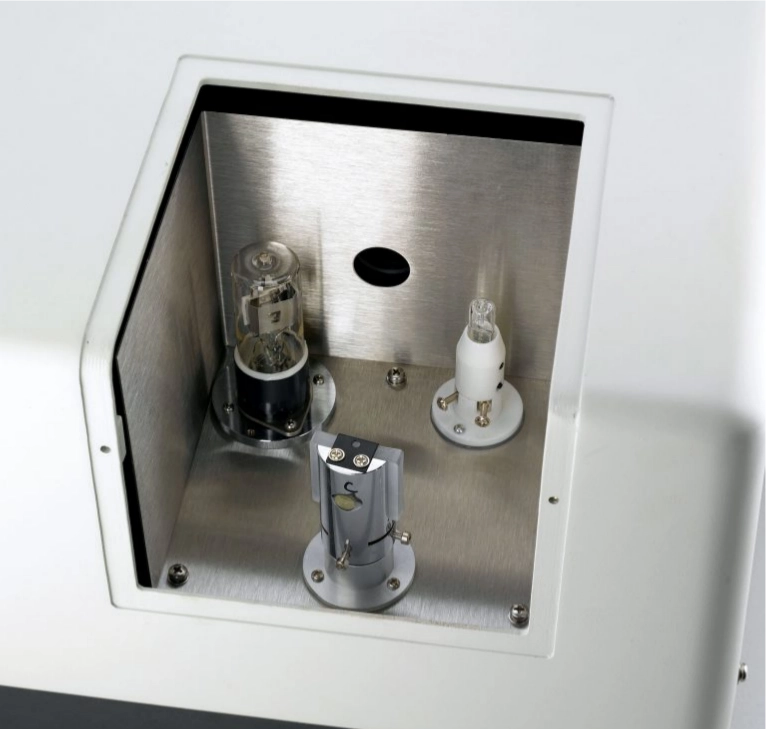
By 2026, new developments will sharpen the keenness and clearness of spectrophotometers applied in food safety tasks. At its core, a spectrophotometer includes a light source, a wavelength selector, a holder for the sample, and a sensor for review. Current changes target better work in each part through computer-based tweaks, like linking light-boosting sensors with auto-fixing systems for wavelengths, to gain sharper light pattern details over broader change ranges.
Newer types now add smart computer programs that can tell apart small light pattern shifts from tiny unwanted additions or breakdown products kept in storage. On top of that, links to online clouds let labs share data right away, speeding up choices in worldwide food chains.
Automation and Efficiency Improvements
Automation changes lab tasks by cutting down mistakes from people and increasing the number of tests done. Auto sample switchers and set scanning orders allow ongoing checks without manual help, a vital trait for big testing in food factories.
For example, two-beam tools with powered holders for many cells can check several samples one after another in the same setup. This method not only improves steady outcomes but also drops the time for a group of tests from hours to minutes. That kind of speed aids rule checks where labs must handle hundreds of samples each day under tight schedules.
PERSEE: A Reliable Manufacturer of Analytical Instruments
Since 1991, as a top manufacturer, PERSEE has focused on pushing forward tools for analysis in fields like chemistry, natural studies, drug making, and food tech. We blend strong research with careful building to offer devices that mix dependability with fresh ideas.
Beijing Purkinje General Instrument Co., Ltd. runs as a current high-tech firm started in 1991. It centers on the research, making, and selling of science tools. Our firm has ISO9001 for quality control and ISO14001 for nature care, so every spectrophotometer hits world rules for rightness and green practices. We seek to give not just measuring gear, but full solution sets that help labs around the world get even results in varied uses, from finding pesticide traces to checking food nutrients.
Specific Products Relevant to Food Safety Testing
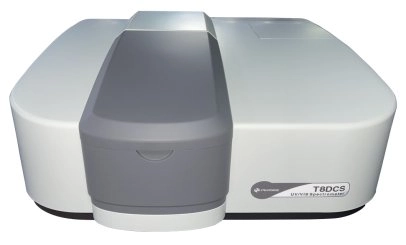
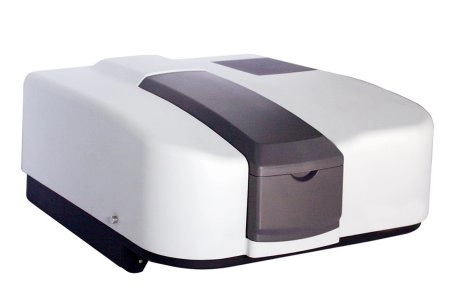
Our line of goods holds a few top-performing types made just for farm leftover checks: TU500, TU600, T6U, T7 Series (T7S/T7D/T7DS), Molecule Spectrometer 5 (T7S), TU700, T8DCS, T9DCS, and T10DCS series, all set for exact work across ultraviolet–visible light ranges. The T6U UV-Vis spectrophotometer, for one, shows outstanding low stray-light work (less than 0.05% T) with dual-lamp sources of deuterium and tungsten that keep things steady from 190–1100 nm, perfect for counting small pesticide leftovers or color flaws in drinks.
Top models like T8DCS use light-multiplying tube sensors with adjustable bandwidths from 0.1–5 nm to match drug-level clearness needs while staying tough for daily food check settings. The Czerny-Turner Monochromator with a holographic grating holds stray light very low and gives fine light separation. For very small harmful studies with deep ultraviolet reads down to 185 nm using nitrogen-cleared optics, the T9DCS and T10DCS systems bring the top light strength range (–8 to +8 Abs). Every type works with software that follows GLP rules for full tracking in checks.
Conclusion
UV-Vis spectroscopy remains a main analysis tool that guards world food lines by allowing fast spotting of pesticides and harmful items at smaller and smaller levels, all while following rules through proven setup steps. A spectrophotometer counts as a very advanced lab tool with uses in many science areas. As automation moves ahead to 2026 with better computer links, the mix of solid build design and smart programs will set new marks for speed in today’s labs.
Our promise goes beyond just sending tools; we offer help networks to make sure each customer gets the best work from their device over its full life. To look at our whole set of answers or talk to our experts on the coming changes fit for your lab’s needs, please reach out to us via our main site.
FAQ
Q1: What are the main advantages of using UV-Vis spectroscopy for pesticide detection?
A1: It brings strong keenness from the exact way molecules take in light, paired with quick checks that do no harm, fitting well for big screening efforts where saving time counts most.
Q2: How does UV-Vis spectroscopy compare to other methods like GC-MS?
A2: GC-MS gives full shape details at a higher price per test, but UV-Vis spectroscopy brings quicker number checks, great for first leftover tests before deeper separation reviews.
Q3: Can these instruments serve both research institutions and industrial laboratories?
A3: Yes; every type, from small table units like TU600 to high double-monochromator setups such as T10DCS, gets built for use in both school research needs for sharp work and factory needs for high output speed.