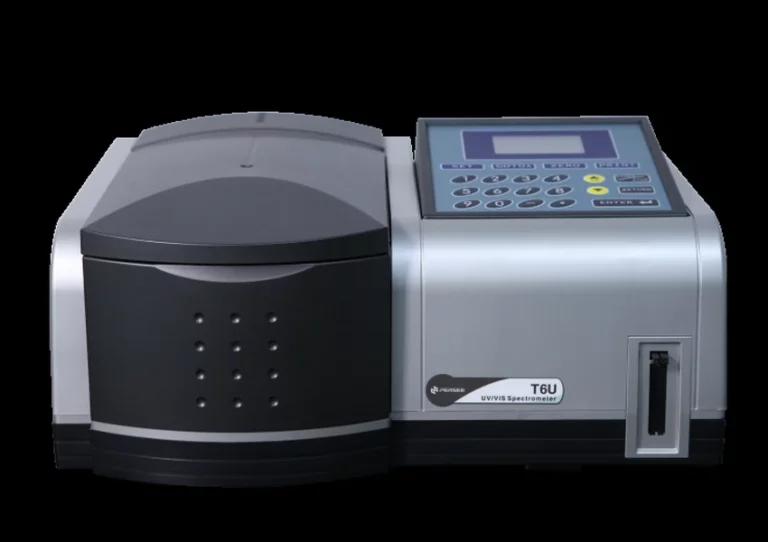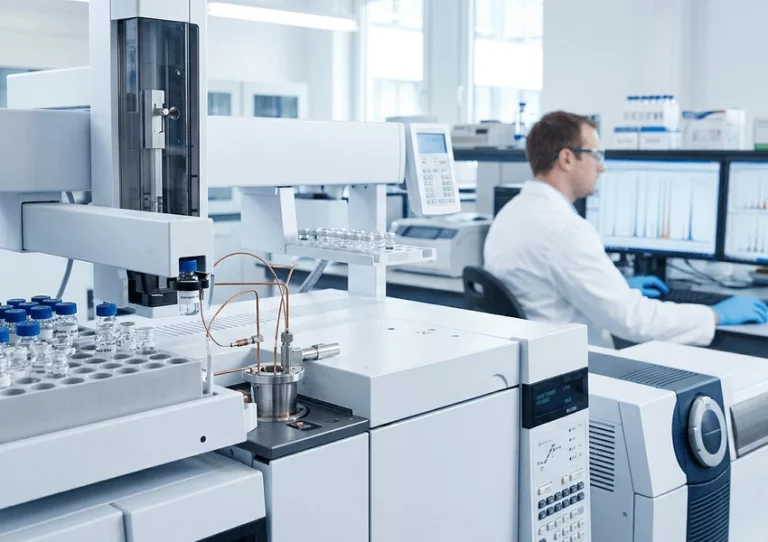

Municipal laboratories play a key role in ensuring that city populations have safe drinking water that meets all current rules. Yet many of these facilities depend on water-quality analyzers and spectrophotometers that no longer meet current analytical or regulatory standards. These instruments once served as the central support for municipal water testing. Now they create risks to data reliability and operational effectiveness.
The Growing Challenge of Outdated Water Quality Analyzers in Municipal Labs
Reliable spectrophotometric analysis has remained a main foundation of municipal water testing programs for many years. Current municipal testing requires regular calibration along with technology updates to keep confidence in the results. Without these updates, even skilled technicians must spend extra time confirming irregular readings or performing tests again, and this time could go toward more complex analysis or urgent response activities instead.
Operational Limitations of Aging Analytical Instruments
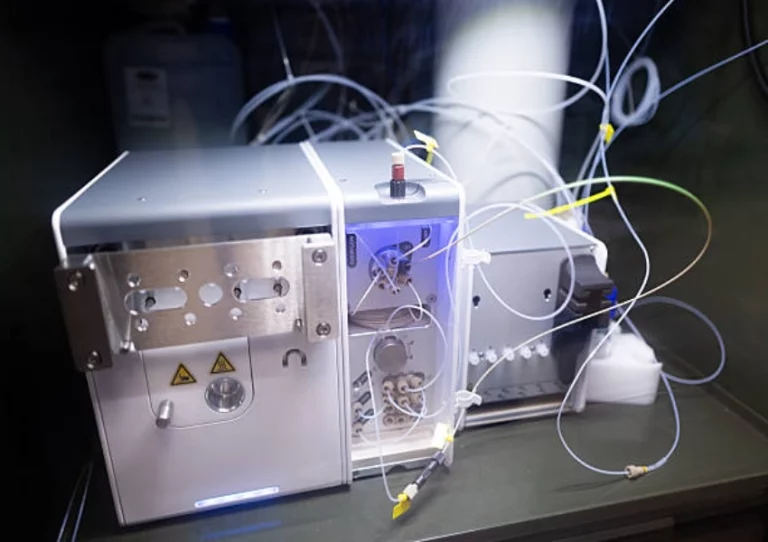
Over time, older spectrophotometers show drift together with lower sensitivity because of wear in optical components and electronic control systems. An atomic absorption spectrophotometer was used to determine each metal. While such instruments were once top in the industry, their mechanical stability and wavelength precision cannot compare with today’s digital double-beam systems. Maintenance costs rise as spare parts become scarce or obsolete, and inconsistent readings not only delay reporting but also expose municipalities to regulatory noncompliance if results fail verification audits. In the end, aging analyzers limit both productivity and assurance of public safety.
Financial Implications of Using Outdated Equipment
Municipal decision-makers often fail to see the hidden financial burden caused by old analytical equipment. Direct repair costs form only one part of the picture, while lost productivity and delayed reporting carry notable opportunity costs.
Rising Maintenance and Downtime Costs
Frequent service interruptions disturb normal water quality monitoring schedules. Each unplanned downtime event requires laboratories to rearrange sample analyses and reassign staff resources. Replacement parts for legacy spectrophotometers can prove hard to locate and may need custom fabrication, which drives up both expense and waiting time. Extended downtime also pushes back compliance reporting deadlines set by environmental authorities.
Hidden Productivity Losses in Laboratory Operations
Manual recalibration routines use up valuable technician hours that could support higher-value analytical tasks. Data revalidation processes add to administrative workload while they reduce throughput across municipal testing workflows. As a result, laboratories handle fewer samples per day, which limits their ability to respond promptly during contamination events or infrastructure failures.
Impact on Data Accuracy and Regulatory Compliance
The reliability of municipal water testing depends on accurate measurement across a wide range of chemical parameters.
Risks to Analytical Precision in Water Testing
Aging analyzers have trouble meeting modern detection limits required for trace contaminants like heavy metals or organic pollutants. Because atomic absorption permits very low detection limits, precipitation waters can be analyzed readily by the procedures presented. However, this level of sensitivity cannot last indefinitely without instrument modernization. Reduced optical performance affects wavelength accuracy and absorbance linearity, which are two parameters essential for reproducible results across different laboratories.
Consequences for Compliance with Water Quality Standards
When the accuracy of analytical measurements begins to decrease over time, regulatory confidence tends to decline in much the same manner, and incorrect readings from the instruments create the possibility of violations of national or regional drinking water regulations, which in turn can lead to fines or serious damage to the reputation of municipal agencies. Updated analyzers ensure alignment with current environmental monitoring protocols while providing defensible data during audits or public health investigations.
Technological Advancements in Modern Water Quality Analyzers
Recent innovations have changed how municipal laboratories carry out spectrophotometric analysis.
Innovations Enhancing Analytical Performance
Modern UV-Vis spectrophotometers provide faster scanning speeds together with improved spectral resolution compared with models from earlier generations, and for instance, our T8DCS UV-Vis features a true double-beam optical system coupled with a photomultiplier tube detector that provides exceptional sensitivity across a continuously selectable bandwidth from 0.1 to 5 nm. While this design proves ideal for precise chemical quantification in complex water matrices, similarly, the T9DCS UV-Vis employs ultra-low stray light optics (≤0.00004% T NaI at 220 nm), ensuring high photometric accuracy even at deep ultraviolet wavelengths essential for detecting trace organic compounds.
Automated calibration functions reduce operator error while integrated digital interfaces enable smooth connection with laboratory information management systems (LIMS) for real-time data transfer, which remains crucial for continuous municipal monitoring operations that laboratories perform each day.
Benefits of Upgrading to Advanced Instrumentation
Enhanced sensitivity allows laboratories to detect emerging contaminants at lower concentrations than were possible before, and automated maintenance diagnostics work to minimize service intervals while they reduce total ownership costs over time. Advanced connectivity features, including Wi-Fi communication supported by models such as the T10DCS UV-Vis, enable remote software updates and performance verification without interrupting laboratory operations.
Evaluating the ROI of Upgrading Laboratory Equipment
Investing in new instrumentation requires careful financial justification, yet when viewed through a lifecycle cost perspective, modernization consistently proves advantageous.
Cost-Benefit Analysis for Municipal Decision Makers
Ongoing maintenance expenditures vs. the initial investment and subsequent devaluation of old instruments over time. We have found that within three years of a noticeable decline in performance, replacement is actually the more cost-effective option. Modern instrumentation is also increasingly energy-efficient. Laboratory modernization therefore supports sustainability goals that are high on the agenda of all public-sector organizations. Another key consideration is that the more reliable the instruments, the less risk of lab downtime and the greater the ability to continue to monitor for compliance and report to the community. Community trust is critical.
Strategic Planning for Laboratory Modernization
When planning the budget for equipment replacements, it is best to focus on the highest use of equipment within the lab. For example, a spectrophotometer is used on a daily basis and supports many test methods. A replacement of older instrumentation with new high-performance instruments on a phased basis allows for the continued analysis of samples without interruption to provide analytical data to customers. There is a continued service between the older and new pieces of equipment, and eventually the older instruments can be retired from service.
PERSEE: A Reliable Partner in Analytical Instrumentation Solutions
As an established manufacturer founded in 1991, PERSEE has dedicated 35 years to advancing scientific instrument design through rigorous research and innovation programs supported by ISO9001-certified quality systems and postdoctoral research teams exceeding 30% of our workforce. Our mission is rooted in safeguarding public health through precise measurement technologies while promoting sustainable scientific progress worldwide.
Overview of PERSEE’s Expertise in Spectrophotometry and Water Analysis Instruments
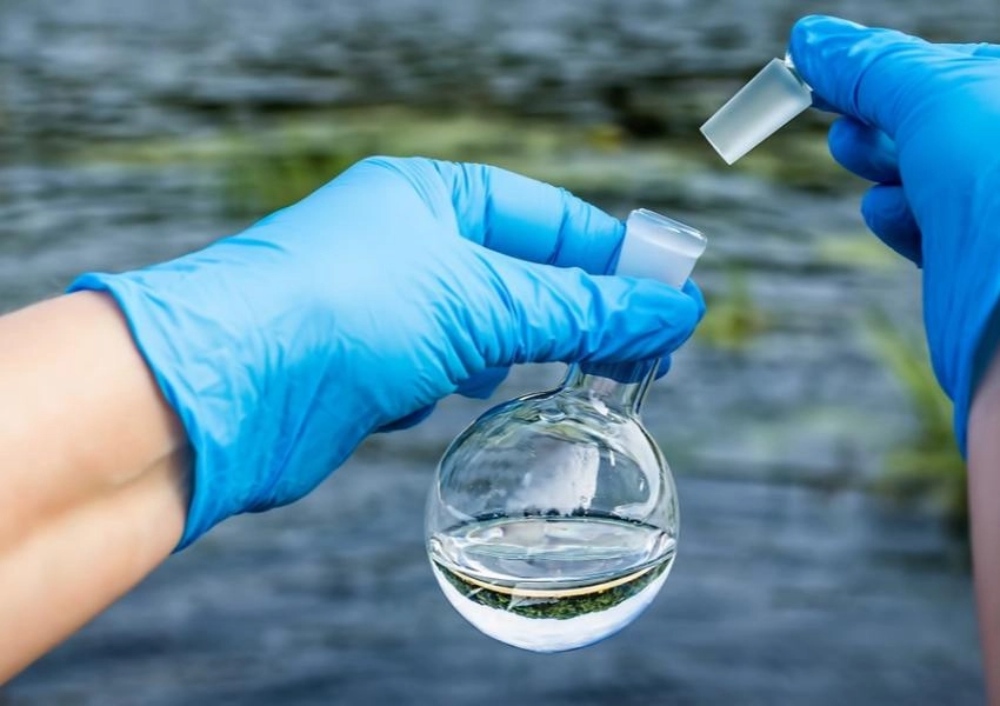
We specialize in producing durable analytical instruments tailored for diverse laboratory applications, including municipal water testing environments where accuracy is paramount. Our product line encompasses advanced models such as T8DCS, T9DCS, and T10DCS, all engineered with double-beam configurations that deliver exceptional stability under demanding operational conditions (T8DCS is a high-performance double-beam spectrophotometer with a continuously selectable spectral bandwidth from 0.1 to 5 nm). These systems integrate seamlessly into smart laboratory ecosystems, enabling automated workflows that enhance reproducibility across large-scale testing networks (the optical design offers extremely low stray light characteristics, which allow for an extensive photometric range (−8.0–8.0 Abs).
Our global support network ensures timely training programs and technical assistance designed specifically for municipal laboratories striving toward modernization goals (the sales network and fast service system of the “PERSEE” brand are all over the world).
Why Municipal Labs Trust PERSEE Instruments for Water Quality Testing
Our instruments meet international analytical standards with high reproducibility rates across diverse sample types from freshwater sources to treated effluents using advanced optical assemblies optimized for minimal stray light interference (monitoring of water quality, atmospheric pollution, rainfall, and soil contamination). Continuous innovation ensures compatibility with evolving digital infrastructure platforms used by modern smart labs worldwide, and we remain committed partners supporting each stage from installation through lifecycle maintenance via our dedicated contact portal.
Conclusion: Investing in Precision for Sustainable Water Management
Upgrading outdated water quality analyzers represents more than an equipment refresh, and it forms a strategic commitment toward resilient urban infrastructure capable of protecting public health under increasing regulatory scrutiny. Modern spectrophotometers empower municipal laboratories with dependable analytics that sustain compliance confidence while they optimize resource efficiency, and this creates a foundation essential for sustainable water governance worldwide.
FAQ
Q1: Why is it risky to continue using outdated water quality analyzers in municipal labs?
A1: Aging instruments often suffer from calibration drift, reduced sensitivity, and inconsistent readings that compromise test accuracy, and these problems can potentially lead to noncompliance with safety regulations governing municipal water testing programs.
Q2: How does upgrading to a modern spectrophotometer improve laboratory performance?
A2: New-generation spectrophotometers provide faster scan speeds, higher spectral resolution, automated calibration routines, and integrated digital connectivity, and all these elements contribute to improved efficiency together with consistent analytical precision within municipal laboratories.
Q3: What makes PERSEE a trusted manufacturer for municipal laboratories?
A3: We combine advanced optical engineering with robust manufacturing standards backed by international certifications, and our global support network ensures continuous technical assistance so laboratories achieve long-term operational stability while meeting evolving environmental compliance demands.