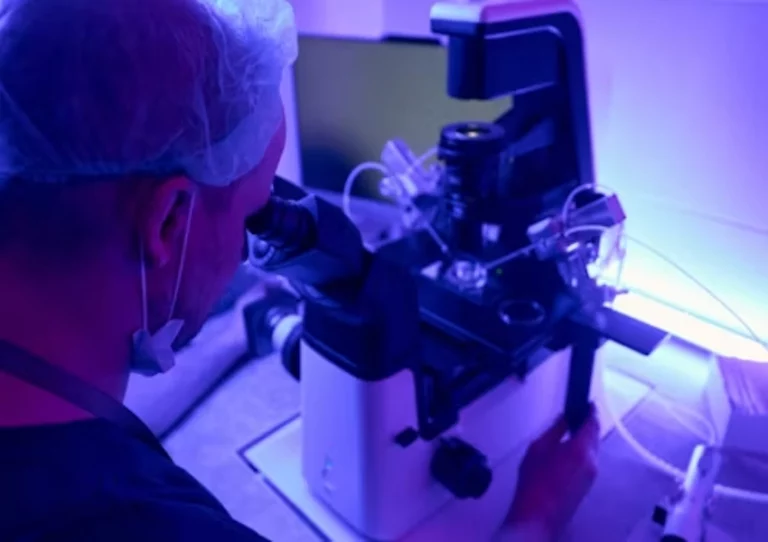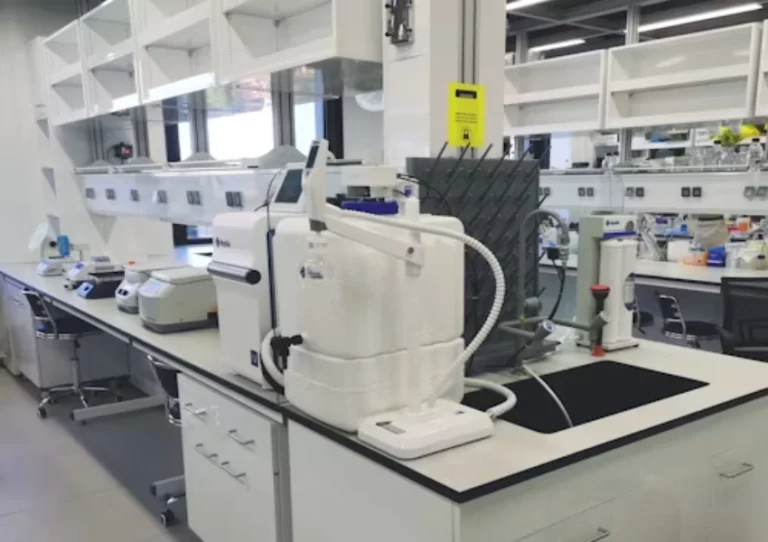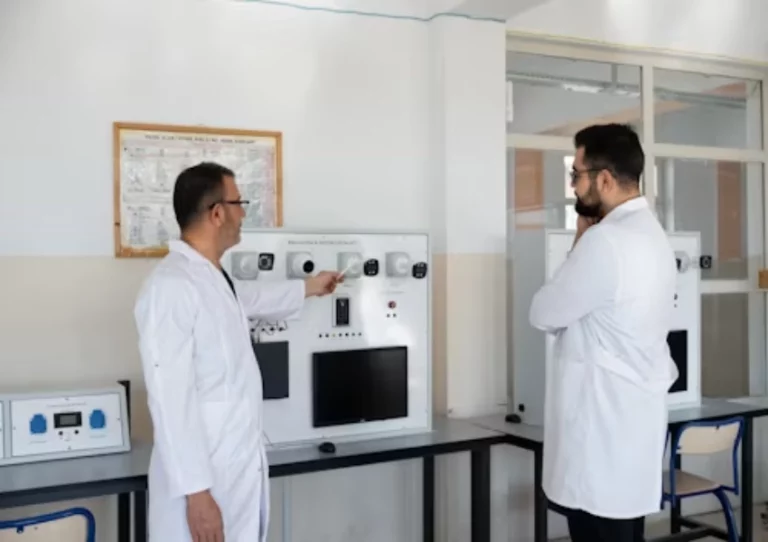
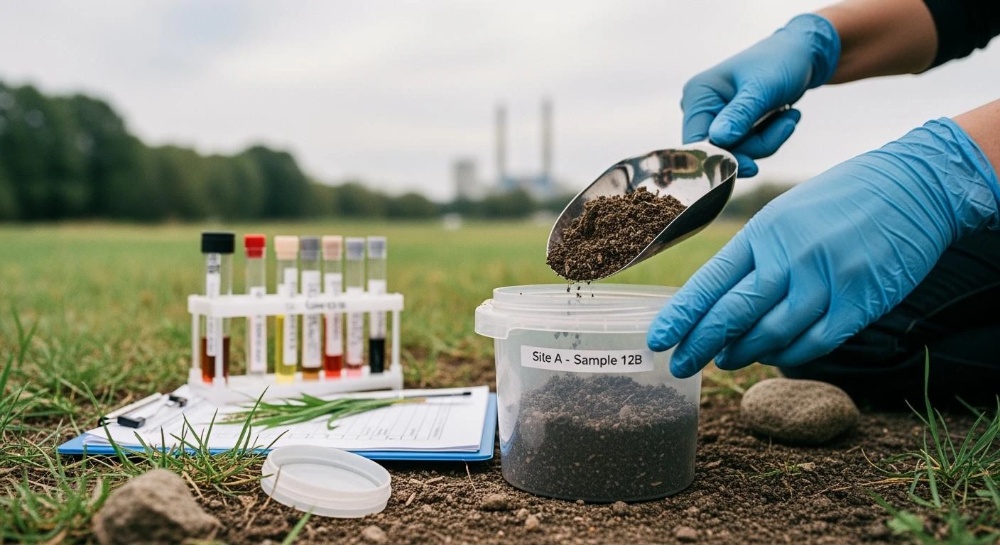
Heavy metal pollution in soil harms farming output and natural harmony. Spotting and measuring these metals matters greatly for keeping soil rich and protecting the surroundings. Exact testing gives key facts for cleanup plans and meeting eco rules. Such careful work also supports lasting farming by guiding nutrient care and waste handling.
Overview of Heavy Metal Detection in Soil
Common Analytical Techniques for Metal Quantification
Popular ways include Atomic Absorption Spectrophotometry (AAS) and Inductively Coupled Plasma Optical Emission Spectrometry (ICP-OES). Each brings clear benefits in spotting limits, quickness, and running expenses. AAS gives strong exactness for certain metals, whereas ICP-OES allows simultaneous checking of many elements. Choosing one over the other relies on the sample type, rule limits, and work volume needs. In soil heavy metal testing, these methods work well together to give solid numerical results.
Principles of Atomic Absorption Spectrophotometry (AAS)
Operational Mechanism of AAS
Atomic absorption spectrophotometry gauges light uptake by loose atoms in gas form. Every element takes in rays at set lengths tied to its energy shifts, which lets workers figure out the amount levels in a sample. Workers adjust the mix of fuel and air in the atomizer-burner to make an oxygen-heavy or fuel-heavy flame. This base idea drives devices like the A3F Atomic Absorption Spectrophotometer, which relies on a flame atomizer run by smart AA-Win software for steady work and true measures.
Strengths and Limitations of AAS in Soil Analysis
AAS delivers fine accuracy for one-element spotting with small spotting limits fitting metals like lead (Pb), cadmium (Cd), and zinc (Zn). Yet its step-by-step running cuts its skill for many elements, unlike ICP-OES. It needs close tuning with proven test items to cut issues from tough soil setups. Tools like the AA990F Atomic Absorption Spectrophotometer add autofine features that boost repeat results while keeping safety via built-in flame watchers and gas leak finders.
Principles of Inductively Coupled Plasma Optical Emission Spectrometry (ICP-OES)
How ICP-OES Detects Heavy Metals in Soil Samples
ICP-OES works by feeding misted samples into a hot plasma that stirs atoms to give off special light emissions. These glows get checked at the same time for many elements, yielding fast number checks even in mixed setups. Its skill in dealing with varied sample parts makes it very useful for eco-watching, where tiny-level spotting counts.
Advantages and Constraints of ICP-OES in Environmental Applications
ICP-OES brings top testing speed through its broad range, allowing small-to-big element checks in one go. Though starting costs run higher than AAS setups, gains in output over time make it money-smart for labs handling big sample batches. Upkeep needs like torch wiping and gas flow care call for skilled staff, but they keep steady work for long stretches.
Comparative Evaluation: AAS vs ICP-OES Efficiency in Soil Heavy Metal Analysis
Sensitivity, Accuracy, and Detection Limits Comparison
In weighing AAS against ICP-OES for soil heavy metal testing, ICP-OES shows better sensitivity at tiny levels thanks to its all-in-one multi-element skill. Still, AAS stays very dependable when exactness tops speed. Since atomic absorption allows quite low spotting limits, runoff waters can be checked easily by the steps shown. Likewise, soil break checks via new AAS systems reach like rule-level exactness when tuned right.
Sample Throughput and Operational Efficiency Assessment
ICP-OES lets workers measure lots of elements in moments, boosting lab speed for busy testing spots. On the other hand, AAS runs one after another but uses less argon gas each time, which helps smaller spots focus on usual element checks. Our A3G Atomic Absorption Spectrophotometer raises workflow via auto-sample entry while holding high fidelity for trace-level findings.
Cost Considerations in Analytical Instrumentation Selection
From a money view, AAS setups often need less upfront cash but give less growth room than ICP-OES bases built for many-element flows. Running costs hinge on items like supplies, fix times, and staff training needs. Labs have to weigh money limits with testing aims; basic models like the A3AFG Dual Atomization System offer a bend by mixing both flame and graphite furnace ways in one tool.
Factors Influencing Analytical Performance in Soil Heavy Metal Detection
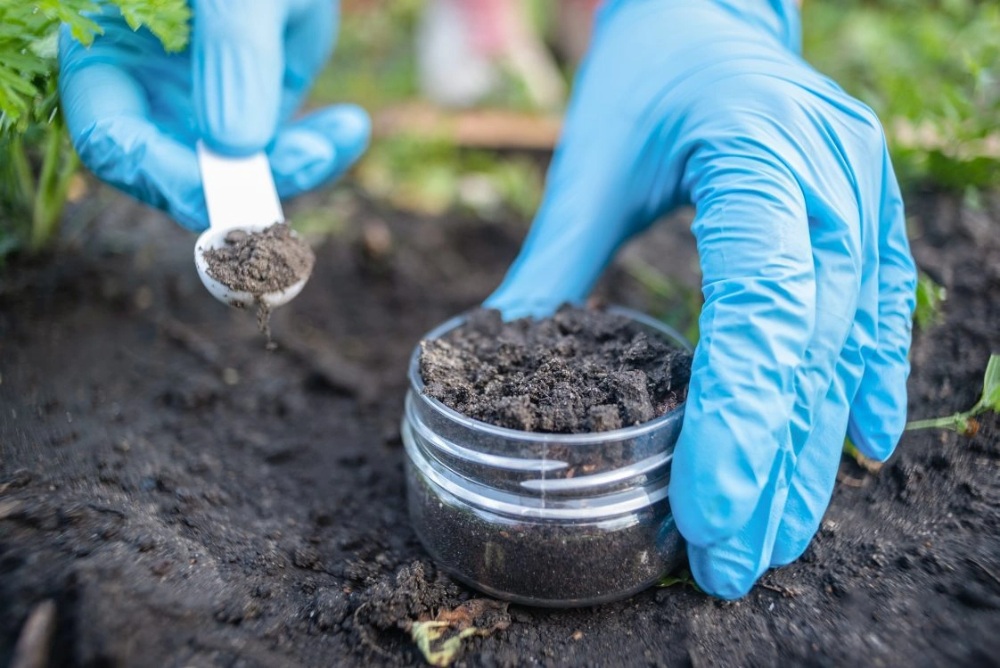
Right, soil heavy metal testing starts with good sample breaking using acid blends that fully melt rock parts without adding dirt. Setup effects can twist tuning lines, so matching setups between tests and samples keeps steadiness in checks for both AAS and ICP-OES.
Calibration Standards and Quality Control Measures. The proven test items check tool works over periods by proving exactness against known amounts. Steady tuning reviews hold measure truth across testing runs. The same amount of the sample goes into a blank (pure water) and into three tests with varied known bits of the check element. This test adds a way well to offset setup issues usual in uneven soil samples.
PERSEE: Reliable Manufacturer of Analytical Instruments for Soil Heavy Metal Analysis
As a world manufacturer focused on light-based tools since 1991, PERSEE builds answers that blend careful building with smart software links to fit lab wants globally. Our lineup holds atomic absorption spectrometers such as A3F, A3G, A3AFG, and AA990F. It specializes in scientific instrument research and development, manufacturing, and sales.
Our instruments play vital roles across environmental monitoring programs where precise quantification of lead, cadmium, mercury, arsenic, and other metals determines compliance with international standards.
We keep putting money into new ideas via our focused R&D groups—over 30% of our workers do research—to make sure our goods give trust under varied testing setups. For labs wanting solid answers fit for eco uses or farm testing, we ask you to look at our items on our official website.
Conclusion
Both AAS and ICP-OES give steady results when used correctly in checked steps for soil heavy metal testing. AAS brings ease, lower running costs, and great exactness fit for targeted element number checks, while ICP-OES shines where speed and many-element skill are key points. Lab goals—be they on workflow or testing depth—ought to steer tech picks fittingly.
For those needing more talks or tech help on system joining or use-fit tips, please check our contact page to link with our pro team.
FAQ
Q1: Which technique is more suitable for routine soil heavy metal analysis?
A1: For usual one-element testing with fair sample loads, AAS stays quick due to its simple running and money savings; yet ICP-OES turns helpful when, at once, many-element spotting or super-tiny analysis is needed.
Q2: How does matrix complexity affect the performance of AAS vs. ICP-OES?
A2: Tough soil setups may bring light issues hitting uptake signs; ICP-OES handles these better via smart background fix steps, while AAS gains from exact setup matching in tuning times.
Q3: Why choose PERSEE instruments for soil heavy metal detection?
A3: Our atomic absorption spectrophotometers mix stability with high testing accuracy backed by clever AA-Win control software systems—making them top tools for labs in environmental monitoring or farm study needing even work across varied sample kinds.