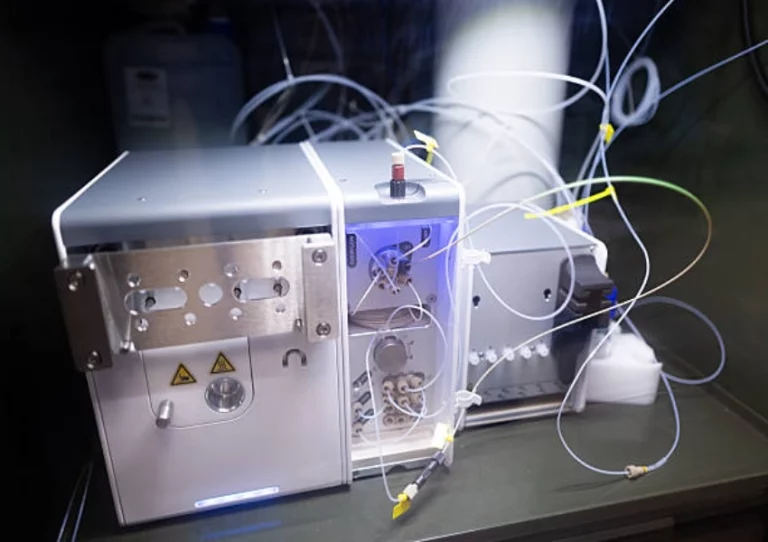
A double monochromator UV-Vis is easy to overbuy and easy to underspecify. The extra optics can be valuable, but only when the method asks for them. A lab running straightforward visible-range assays may gain little. A lab working near the deep-UV limit, at demanding absorbance levels, or with narrow spectral features may see a real difference in the confidence it can place in the result.
The purchase decision should start with method risk rather than optics vocabulary. Ask where the present UV-Vis spectrophotometer struggles: high absorbance, poor separation of nearby features, repeatability in a long sequence, deep-UV background, unusual cell geometry, or the need for a stronger acceptance record. That answer determines whether a high-performance UV-Vis platform is a practical upgrade or an unnecessary expense.
Start With What the Optical Layout Changes
A monochromator selects a narrow wavelength band from the source before the detector reads the sample response. A double-monochromator arrangement adds another stage of wavelength selection. In practical terms, the design is intended to reduce unwanted radiation and support difficult measurements. It does not make sample preparation, blank selection, wavelength checks, or cell handling less important.
Lower Stray Light Is a Method Benefit
The advantage matters when stray light would otherwise distort the useful response. Strongly absorbing samples, short-wavelength methods, and measurements that rely on a small change against a high background can expose that limitation. A low-stray-light spectrophotometer is therefore not just a specification exercise. It gives the laboratory a better starting point for methods whose error becomes visible near the optical edge of the work.
Resolution and Dynamic Range Need Context
More optical performance is useful only when it answers a real method question. Narrower features may need bandwidth control. Higher absorbance work may need a wider usable photometric range. Small samples may need the beam and cell holder to be matched. These are related but separate decisions. A research spectrophotometer should be configured around the wavelength region, sample volume, and required repeatability, not bought as a general promise of better data.
Know When the Extra Tier Earns Its Cost
Double monochromator UV-Vis systems are usually easier to justify when the laboratory can name the condition that drives the need. That might be deep-UV work, a sample with strong absorbance, a critical reference comparison, narrow spectral features, or a method that must maintain stable performance across operators and days. If none of those conditions applies, a well-matched single-monochromator or standard double-beam system may be a more sensible purchase.
Deep UV and Demanding Photometry
PERSEE lists the T9dcs with true double-beam, double-monochromator optics, a fully sealed optical design, nitrogen-purged operation from 185 to 900 nm, a continuously adjustable 0.1 to 5 nm bandwidth, and an integrated mercury lamp for automatic wavelength correction. Its stated stray-light condition is 0.00004% T at 220 nm, with a photometric range of minus 8.0 to 8.0 Abs. These are relevant facts for a laboratory assessing deep-UV and demanding photometric methods, but the supplier should still confirm configuration and test conditions for a specific SOP.
High-Absorbance and Accessory-Heavy Work
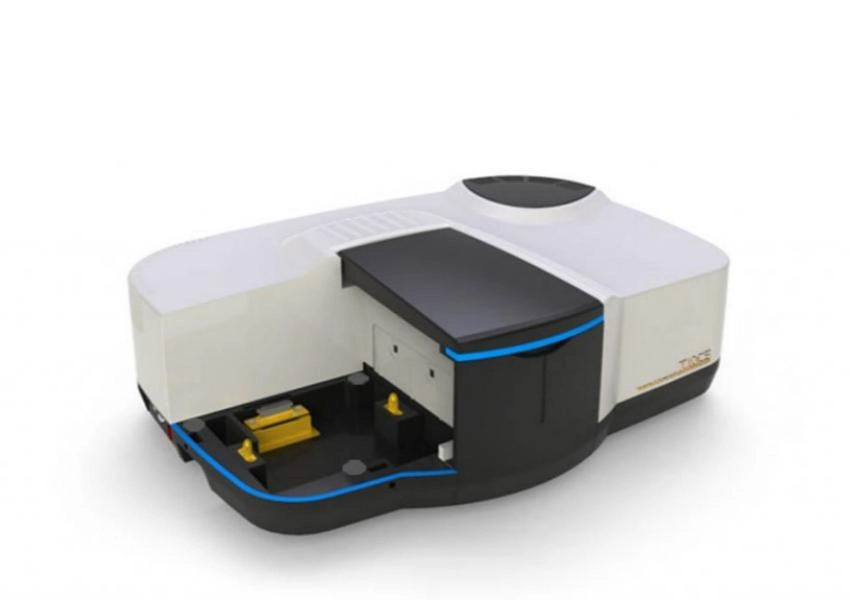
Die T10dcs follows the same high-tier optical direction, with double-beam, double-monochromator optics, ultra-low stray-light characteristics, adjustable beam size, nitrogen-purge support, and a large sample compartment. That can matter when the method uses long-path cells, micro-volume cells, thermostatic holders, sipper arrangements, or other accessories that change the physical measurement setup. The right model depends on the actual holder, path length, sample quantity, and room available around the instrument.
Configuration should be checked as closely as the optical claim. The documented double-beam accessory set includes thermostatic cell holders, 50 mm and 100 mm long-path holders, micro-cell holders, a dual-channel sipper pump, automatic eight-cell handling, and 60 mm or 150 mm integrating spheres. That breadth helps a laboratory map the proposed system to its actual cell format and sample flow instead of assuming that every accessory will fit the ordered configuration.
Compare Research Needs With Routine QC Reality
A research spectrophotometer often needs more method flexibility than a routine QC bench. Research teams may shift wavelengths, sample volumes, bandwidths, and accessories as projects change. They may also need to see weak shoulders or compare spectral shapes rather than read a single fixed wavelength. In that setting, a high-performance UV-Vis platform can pay for itself by reducing the number of compromises made around each new method.
Where Routine QC Still Benefits
Routine QC should not be dismissed as simple. A stable, repeated method can make a small optical weakness more visible over time because the same acceptance decision is made repeatedly. The value of double-monochromator optics in QC comes from a demonstrated method need, not from the label. If the laboratory regularly works in deep UV, near a high-absorbance boundary, or with a stringent performance check, the stronger optical layout deserves a controlled comparison.
Where It May Be Excessive
For routine visible-range assays with moderate absorbance, ordinary sample cells, and established controls, a top-tier design may add cost without changing the decision quality. The lab may gain more from better sample preparation, a suitable cell holder, clear calibration procedures, and predictable maintenance. A supplier should be able to explain this boundary plainly rather than treating every UV-Vis spectrophotometer request as a double-monochromator opportunity.
Turn Specifications Into an Acceptance Plan
Before ordering, write down the wavelengths, expected absorbance range, solution type, cell geometry, accessories, sample throughput, reporting requirements, and baseline or stray-light checks that matter. Ask the supplier which stated specifications are tested under which conditions, what is included in the installed configuration, and which items require separate confirmation. This makes the quotation comparable and keeps a low stray light spectrophotometer claim connected to an actual use case.
Qualification, Software, and Ownership
Optics are only part of the ownership picture. A purchase review should cover qualification evidence, wavelength and photometric verification, planned lamp replacement, cell and accessory cleaning, software records, training, and service response. PERSEE lists a UV {{url_placeholder_0}} iq {{url_placeholder_1}} Qualifikationskit for its molecular spectrometer offering. That is a useful point to discuss when the laboratory needs a defined installation and performance path rather than an instrument delivery alone.
Choose the Tier That the Method Can Use
The best double monochromator UV-Vis purchase is not automatically the system with the lowest stated stray-light figure. It is the system whose optical design, range, bandwidth, beam geometry, accessories, qualification path, and support fit the method for the next several years. The laboratory should use its hardest real sample or reference case in the discussion, then decide whether the added performance changes the result enough to justify the investment.
Persee‘s molecular spectrometer portfolio provides a practical route from routine UV-Vis platforms to high-tier optical systems. A side-by-side review of the method with the supplier is more useful than a generic model ranking, particularly where the configuration requires accessory or compliance confirmation.
FAQ (häufig gestellte Fragen)
Q1: Does a double monochromator always give better UV-Vis data?
A1: It can reduce unwanted light and support difficult methods, but it does not fix poor blanks, contaminated cells, unsuitable wavelengths, or weak calibration. The benefit must match a documented method need.
Q2: When is a low stray light spectrophotometer worth the extra cost?
A2: It is most defensible for deep-UV work, strong absorbance, demanding reference checks, narrow features, or methods that need more optical margin than a standard platform can demonstrate.
Q3: What should a lab confirm before buying a high–performance UV-Vis system?
A3: Confirm test conditions for stated specifications, wavelength and absorbance needs, cell and accessory fit, nitrogen purge requirements, qualification, software records, maintenance, service, and the final installed configuration.