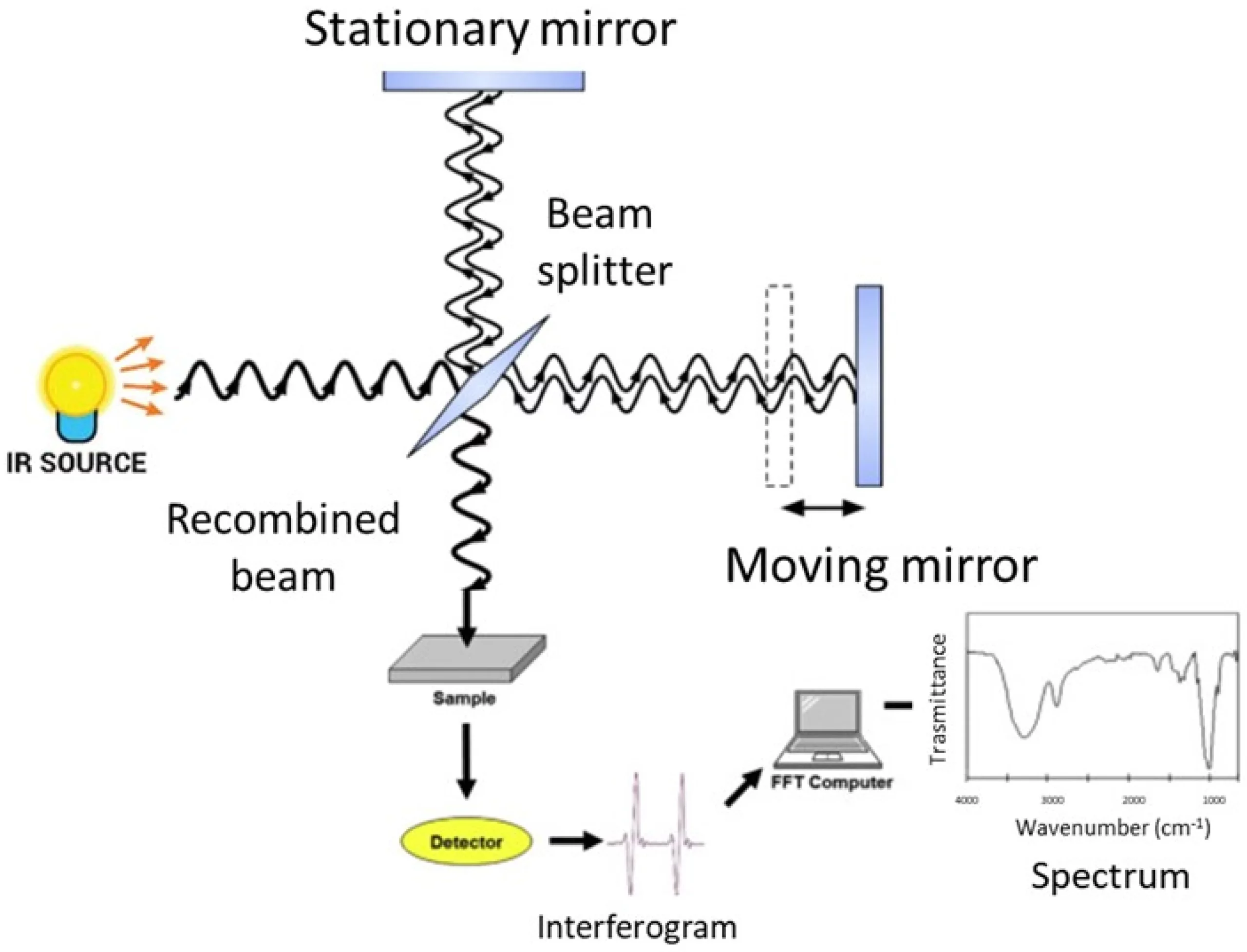
FTIR (Fourier Transform Infrared) spectroscopy spots molecular vibrations by checking how molecules absorb mid-infrared radiation. This pattern matches various vibrational modes of its chemical bonds. A sample faces IR radiation. Then, certain frequencies get absorbed. This happens based on the molecular structure and functional groups there.
What Mechanism Drives Signal Generation in Raman Spectroscopy?
Raman spectroscopy spots the inelastic scattering of single-color light. Photons meet molecular vibrations. Most scatter back elastically. That’s Rayleigh scattering. But a tiny bit shifts energy. This matches vibrational modes. It’s Raman scattering. Such shifts give plenty of structural details.
Raman spectroscopy picks up inelastic scattering of single-color light. It often uses a laser source. Unlike FTIR, Raman works better for non-polar bonds. Think C=C, S–S, and aromatic rings. So, it suits symmetric molecules. These don’t show much in IR.
How Do Instrument Configurations Vary Between FTIR and Raman?
FTIR instruments often rely on a Michelson interferometer. It modulates the infrared signal. The beam goes through a beam splitter. Materials like KBr or ZnSe make it. The splitter divides light beams. Then it recombines them. This creates an interference pattern. Fourier transformation turns this into an absorbance spectrum. It uses an interferometer. Most are Michelson-type for signal modulation. Detectors like DTGS or MCT help. They fit different sensitivity needs.
How Is a Raman Spectrophotometer Architected for Optimal Performance?
A Raman setup includes a laser source for excitation. It has optical filters too. These isolate Raman signals. A CCD detector records the scattered light. Microscope integration brings high spatial resolution. Raman stays non-destructive. It needs little prep. So, it fits delicate or tricky samples well. It employs a laser source. Optical filters come next. A CCD detector captures the signal.
What Sample Conditions Are Best Suited for Each Technique?
FTIR handles solids. For example, KBr pellets work fine. It takes liquids in liquid cells. Gases go into gas cells. Yet, samples often need drying. Water absorbs IR strongly. This can hide key signals. Water absorption might mess up the spectra. So, drying the sample could be needed.
Why Is Raman Preferred for Aqueous or Delicate Samples?
Raman shines in watery settings. Water barely interferes. It suits materials like polymers, pigments, or biological tissues. These can challenge IR methods. No sample contact means in situ analysis. You can check through glass vials or similar containers. It works great for watery solutions. Water interference stays low.
How Do FTIR and Raman Compare in Sensitivity and Selectivity?
FTIR gives strong sensitivity to polar bonds. It spots carbonyl stretches (C=O) easily. Hydroxyl groups (O–H) show up well. Amines (N–H) do too. All these absorb IR sharply. It’s susceptible to polar bonds.
Which Molecular Features Are Better Captured by Raman?
Raman stands out for symmetric and non-polar bonds. It catches C=C double bonds clearly. Aromatic systems appear strong. But fluorescence in some samples can block it. That masks faint Raman signals. It does well with non-polar bonds.
How Do Environmental Factors Influence Spectral Quality?
Room CO₂ and H₂O vapor add big noise to FTIR spectra. Systems might need purging. Dry air or nitrogen helps. This cuts background absorption. Room CO₂ and H₂O bring background noise. Purging could be required.
How Do Laser Power and Fluorescence Impact Raman Analysis?
Raising laser power strengthens the signal. But it might heat or damage sensitive stuff. Some samples fluoresce a lot. That drowns out the Raman signal. So, tweaking laser wavelength and power matters a ton. Fluorescence from impurities might hide weak Raman signals.
When Should You Choose FTIR Over Raman — or Vice Versa?
Pick FTIR for polar organic compounds. Functional group ID is crucial here. It also aids quantitative work via calibration models. Spotting organic functional groups in polymers or pharmaceuticals.
When Is Raman Spectroscopy the Better Option?
Raman fits crystalline substances or inorganic materials. Like minerals, where IR absorption lags. It analyzes through clear containers. No direct contact needed. This helps in fields like forensic science. In situ analysis through clear containers. No sample contact required.
Can Both Techniques Be Used Together for Better Results?
FTIR and Raman hit different vibrational modes. One covers IR-active. The other is Raman-active. Together, they give a full vibrational picture. This boosts structural insights. Especially for tough materials like biological tissues or nanocomposites. In practice, labs often pair these tools to uncover details that one alone might miss. For instance, in studying drug formulations, FTIR reveals polar interactions while Raman highlights symmetric bonds in the crystal lattice. Such combined approaches lead to more reliable conclusions and a deeper understanding of sample composition. They offer complete vibrational spectra. This covers both IR-active and Raman-active modes.
Who Offers Reliable Solutions for These Spectroscopic Needs?
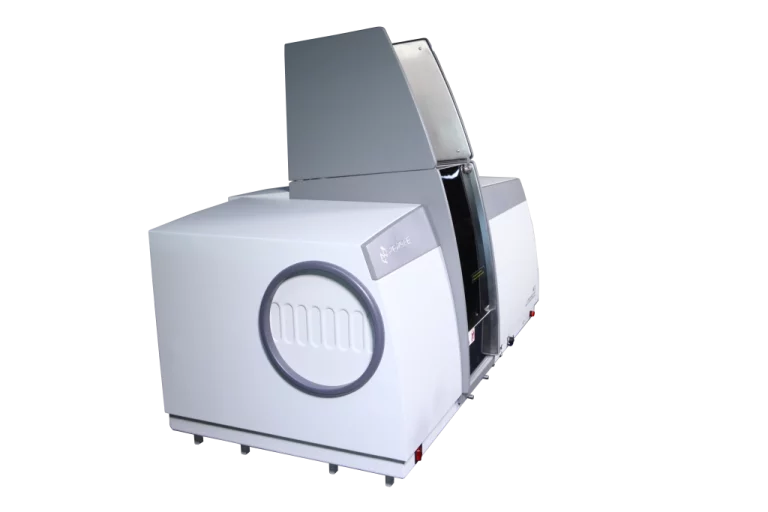
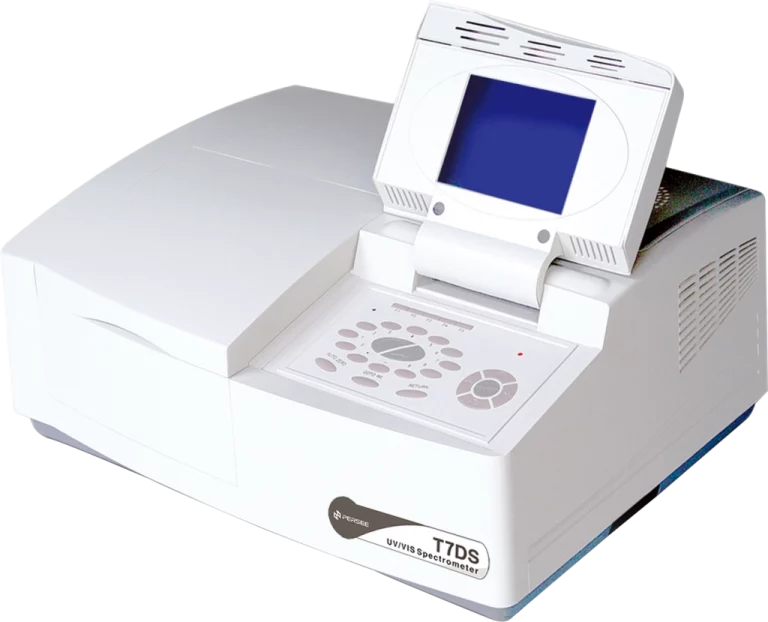
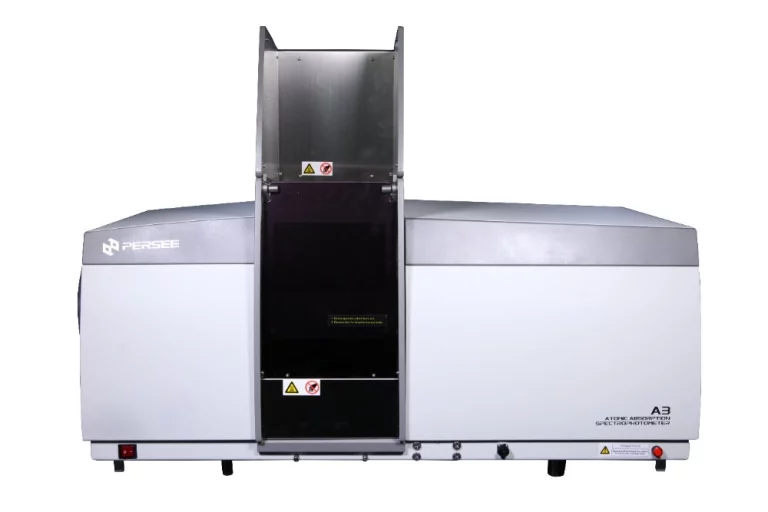
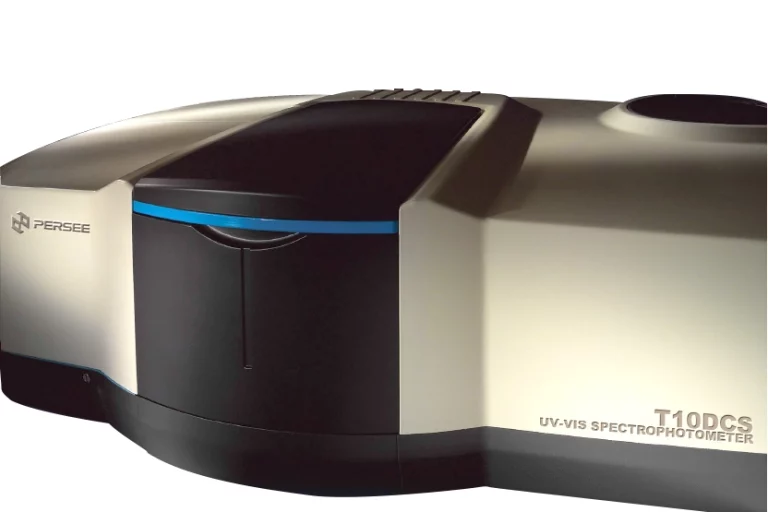
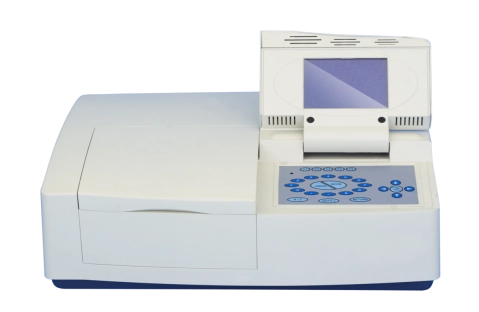
Labs looking for solid tools in spectroscopy turn to PERSEE. Started in 1991, it’s a high-tech firm. It handles R&D, making, and worldwide sales all in-house. ISO9001 and CE certifications back its quality and precision. PERSEE focuses on steady innovation. It provides strong technical support. Plus, global reach makes it easy to access. Their products help scientists in many areas. Tools built for accuracy and long use empower better work. For example, their lineup ensures reliable data in routine checks or advanced experiments. This trust comes from years of delivering gear that meets real-world demands without fail. From UV/VIS spectrophotometers like the T7 Series to advanced FTIR systems such as the FTIR8000. PERSEE commits to innovation and support.
What Factors Should Guide Your Instrument Selection Process?
Go for FTIR if you deal with polar functional groups in organic compounds. Dry conditions suit it. Quantitative analysis calls for it, too. Select Raman for watery setups, inorganic materials, or quick prep. For full molecular views, especially in mixed research fields, both techniques together give the most insight. Consider your lab’s goals. Think about the sample types often handled. Budget plays a role, as does ease of use. Training needs matter for staff.
FAQ
Q1: What are the main limitations when using spectrophotometers in FTIR analysis?
A1: FTIR spectrophotometers pick up atmospheric moisture and CO₂ easily. These mess with spectral accuracy. Purging or background correction fixes it, but you must do it right.
Q2: Can Raman spectroscopy be used for quantitative analysis like FTIR?
A2: It’s mainly for qualitative checks. But quantitative work works with calibration models. You need to watch the laser intensity closely. Sample uniformity counts too. Proper setup makes it reliable for measuring concentrations in various applications.
Q3: How do I decide between an M7 UV/VIS spectrophotometer and an FTIR8000 system from PERSEE?
A3: The M7 suits electronic transitions in UV/VIS areas. Like colorimetric assays, it shines there. The FTIR8000 handles molecular vibrations in organic compounds. Pick based on your analytes’ spectral traits. If you need broad absorption data, FTIR wins. For quicker UV checks, go M7. Both from PERSEE ensure quality build and support.