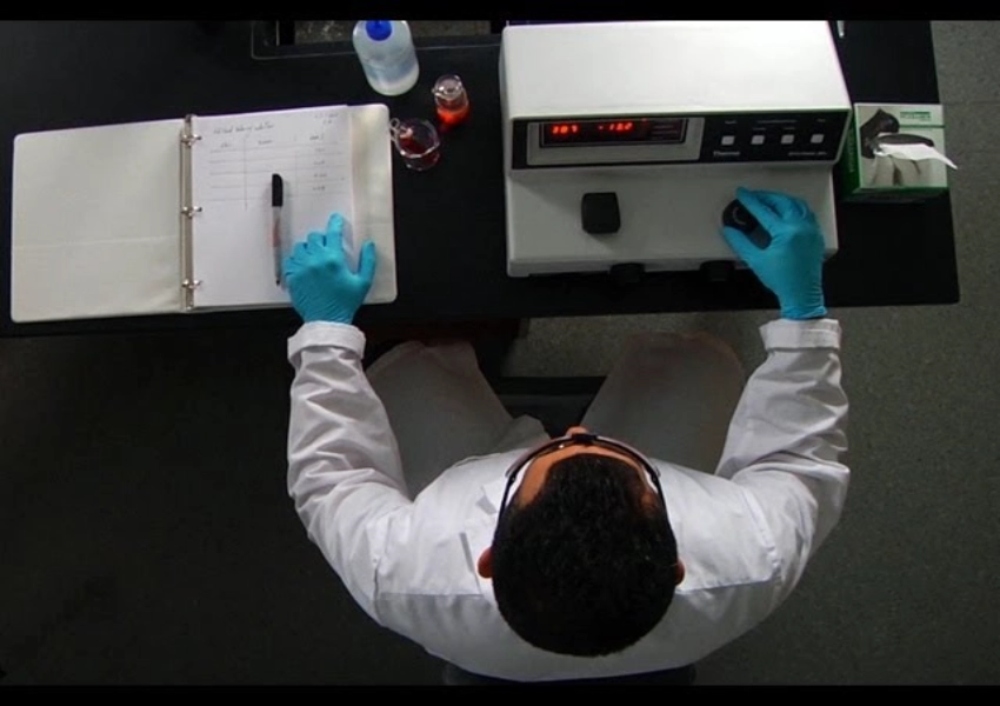
ห้องปฏิบัติการสมัยใหม่ต้องเผชิญกับความต้องการที่เพิ่มขึ้นในการเพิ่มประสิทธิภาพและควบคุมต้นทุนไปพร้อมๆ กัน การตัดสินใจซื้อเครื่องมือวิเคราะห์ใหม่หรือเครื่องมือวิเคราะห์ที่ได้รับการปรับปรุงใหม่ส่งผลต่อผลตอบแทนจากการลงทุน (ROI) การดำเนินงานประจำวัน และความน่าเชื่อถือในการปฏิบัติตามข้อกำหนดของห้องปฏิบัติการอย่างชัดเจน
ปัจจัยสำคัญที่มีผลต่อผลตอบแทนจากการลงทุน (ROI) ในการจัดซื้ออุปกรณ์ห้องปฏิบัติการ
การประเมินผลตอบแทนจากการลงทุนในเครื่องมือวิเคราะห์จำเป็นต้องพิจารณาภาพรวมทั้งหมด ซึ่งรวมถึงปัจจัยทั้งที่วัดได้และมองไม่เห็นได้ชัดเจน ราคาซื้อเริ่มต้น ค่าติดตั้ง และระยะเวลารับประกันเป็นตัวกำหนดค่าใช้จ่ายด้านทุน การบำรุงรักษาและความพร้อมของอะไหล่เป็นแนวทางในการประเมินประสิทธิภาพการทำงานในระยะยาว ความเสี่ยงจากการหยุดทำงานและความเสถียรของการสอบเทียบก็ส่งผลต่อประสิทธิภาพการผลิตและความคุ้มค่าโดยตรงเช่นกัน
โครมาโทกราฟีของเหลวประสิทธิภาพสูง (HPLC) เป็นเทคนิคการวิเคราะห์ที่ใช้ในการแยกส่วนประกอบของสารผสมเพื่อการวิเคราะห์เพิ่มเติม ภาพนี้แสดงให้เห็นว่าการกำหนดค่าเครื่องมือ เช่น ตัวตรวจจับหรือแหล่งกำเนิดไอออน มีผลต่อรอบการบำรุงรักษาและช่วงเวลาการสอบเทียบ ในทำนองเดียวกัน ในชุด UV-Vis ของเรา เช่น T8DCS หรือ T9DCSการออกแบบที่เป็นมิตรต่อผู้ใช้ช่วยให้สามารถเปลี่ยนแหล่งกำเนิดแสงและบำรุงรักษาได้ตามปกติ วิธีนี้ช่วยลดเวลาหยุดทำงานในขณะที่รักษาเสถียรภาพการปรับเทียบให้คงที่ตลอดการใช้งานในระยะยาว
การเปรียบเทียบค่าเสื่อมราคาและมูลค่าตลอดอายุการใช้งาน
โดยทั่วไปแล้ว เครื่องมือใหม่จะเสื่อมราคาเร็วขึ้นในช่วงปีแรก ๆ เนื่องจากการลดลงของมูลค่าตลาดในช่วงแรกและการพัฒนาเทคโนโลยีอย่างรวดเร็ว ในขณะที่อุปกรณ์ที่ได้รับการปรับปรุงใหม่จะรักษามูลค่าได้นานกว่าหากได้รับการบำรุงรักษาอย่างเหมาะสม เพราะต้นทุนต่ำกว่า ในขณะที่ประสิทธิภาพยังคงเสถียรผ่านโปรแกรมการปรับปรุงใหม่ที่ได้รับการรับรอง การวิเคราะห์ต้นทุนตลอดอายุการใช้งานจะระบุช่วงเวลาการเปลี่ยนที่เหมาะสมที่สุดโดยการเปรียบเทียบเส้นโค้งการเสื่อมราคากับความถี่ในการซ่อมแซมและแนวโน้มการใช้พลังงานในห้องปฏิบัติการอุตสาหกรรม
เครื่องสเปกโทรเมตรของเราผ่านการตรวจสอบการจัดเรียงแสงอย่างครอบคลุมโดยใช้โมโนโครมาเตอร์แบบ Czerny–Turner ที่มีตะแกรงโฮโลแกรม กระบวนการนี้ช่วยให้มั่นใจได้ว่าระดับแสงรบกวนจะน้อยที่สุด ดังที่เห็นในรุ่น T8DCS และรักษาความแม่นยำในการวิเคราะห์ที่เทียบเท่ากับระบบใหม่ ในขณะเดียวกันก็ยืดอายุการใช้งานได้อย่างมีนัยสำคัญ
การพิจารณาด้านการเงินในการคำนวณผลตอบแทนจากการลงทุน (ROI) ของอุปกรณ์ห้องปฏิบัติการ
การลงทุนด้านทุนเทียบกับประสิทธิภาพในการดำเนินงาน
เครื่องสเปกโทรเมตรแบบใหม่ต้องใช้เงินลงทุนเริ่มต้นสูงกว่า แต่ให้ประสิทธิภาพที่สม่ำเสมอและคาดการณ์ได้ ซึ่งมีความสำคัญอย่างยิ่งในสภาพแวดล้อมที่มีการควบคุม เช่น การควบคุมคุณภาพยา หรือการทดสอบปิโตรเคมี ส่วนเครื่องรุ่นปรับปรุงใหม่จะช่วยลดต้นทุนการซื้อลง 30-50% และช่วยให้มีงบประมาณเหลือสำหรับการลงทุนในห้องปฏิบัติการเพิ่มเติม เช่น โมดูลระบบอัตโนมัติ หรือระบบการจัดการดิจิทัล
แต่ระบบออปติคอลแบบลำแสงคู่ T10DCS ของสเปกโตรมิเตอร์ของเรามีแสงรบกวนต่ำมาก (≤0.00004% T NaI ที่ 220 นาโนเมตร) ทำให้มั่นใจได้ถึงความสามารถในการทำซ้ำได้ตลอดวงจรการวัดที่ยาวนาน จึงเหมาะอย่างยิ่งสำหรับห้องปฏิบัติการที่ให้ความสำคัญกับความแม่นยำมากกว่าการประหยัดต้นทุนเริ่มต้น
การวิเคราะห์ต้นทุนรวมในการเป็นเจ้าของ (TCO) สำหรับเครื่องมือวิเคราะห์
ต้นทุนรวมในการเป็นเจ้าของ (Total Cost of Ownership) ไม่ได้จำกัดอยู่แค่ราคาซื้อเท่านั้น แต่ยังรวมถึงวัสดุสิ้นเปลือง สัญญาบำรุงรักษา บริการสอบเทียบ ใบอนุญาตซอฟต์แวร์ และรูปแบบการใช้พลังงานด้วย ผลตอบแทนจากการลงทุนในระยะยาวจะดีขึ้นเมื่อสัญญาบริการได้รับการปรับแต่งให้เหมาะสมกับรูปแบบการใช้งานจริง แทนที่จะเป็นตารางเวลาที่ตายตัว
ต้องเปลี่ยนคอลัมน์บรรจุเมื่ออิ่มตัวด้วยโมเลกุลของสารวิเคราะห์ หลักการนี้คล้ายคลึงกับวิธีที่การวางแผนการบำรุงรักษาเชิงป้องกันส่งผลต่อต้นทุนตลอดอายุการใช้งานโดยรวมของระบบสเปกโทรสโกปีหรือโครมาโทกราฟี เช่น ระบบของเรา แพลตฟอร์ม M7 GC-MSซึ่งการทำความสะอาดแหล่งกำเนิดไอออนอย่างสม่ำเสมอจะช่วยรักษาความละเอียดของมวลโดยไม่ต้องเปลี่ยนอุปกรณ์ที่มีราคาแพง กลยุทธ์การจัดซื้อจัดจ้างของห้องปฏิบัติการอุตสาหกรรมจะได้รับประโยชน์จากการสร้างแบบจำลองต้นทุนรวมในการเป็นเจ้าของ (TCO) อย่างละเอียดในอุปกรณ์ประเภทต่างๆ ซึ่งช่วยให้สามารถคาดการณ์ต้นทุนต่อการวิเคราะห์ได้อย่างแม่นยำในระยะเวลาหลายปี
การเปรียบเทียบประสิทธิภาพ: เครื่องสเปกโทรเมตรและระบบวิเคราะห์ใหม่เทียบกับเครื่องมือสอง
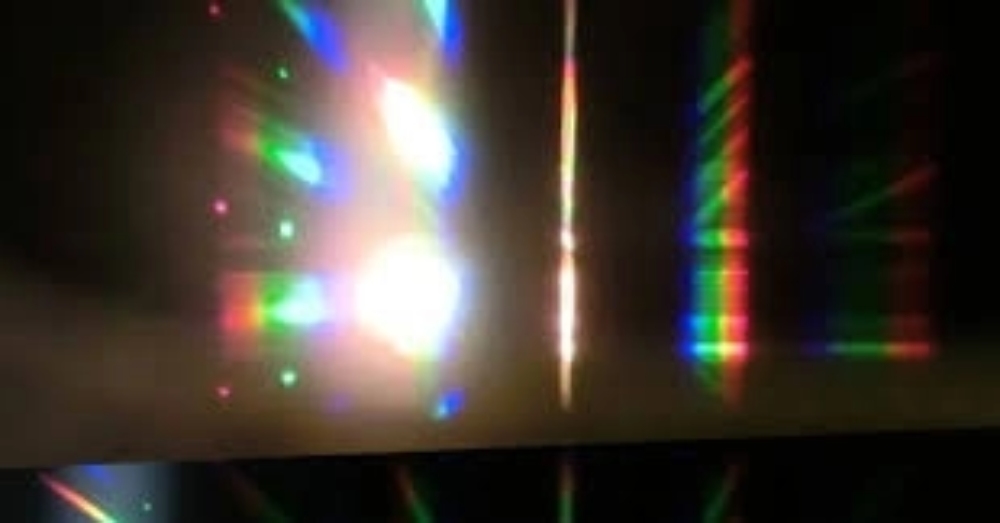
ความก้าวหน้าทางเทคโนโลยีในเครื่องสเปกโทรเมตรแบบใหม่
เครื่องสเปกโทรเมตรสมัยใหม่ผสานรวมตัวตรวจจับที่มีความไวสูง เช่น หลอดโฟโตมัลติพลายเออร์ (PMT) ซึ่งให้ค่าอัตราส่วนสัญญาณต่อสัญญาณรบกวนที่ยอดเยี่ยมแม้ในระดับการดูดกลืนแสงต่ำ คุณสมบัตินี้เป็นมาตรฐานในรุ่น T8DCS ของเรา ความสามารถในการทำงานอัตโนมัติร่วมกับการเชื่อมต่อแบบดิจิทัลช่วยให้สามารถบูรณาการเข้ากับระบบการจัดการข้อมูลห้องปฏิบัติการ (LIMS) ได้อย่างราบรื่น รองรับการตรวจสอบแบบเรียลไทม์และการตรวจสอบย้อนกลับได้
การออกแบบทางแสงขั้นสูง เช่นเดียวกับที่ใช้ใน T9DCS ช่วยให้มั่นใจได้ถึงความแม่นยำของความยาวคลื่นผ่านหลอดไฟเปล่งแสงปรอทในตัวสำหรับการแก้ไขความเบี่ยงเบนของสเปกตรัมโดยอัตโนมัติ ซึ่งช่วยลดข้อผิดพลาดของผู้ใช้งานในขณะที่รักษาความสมบูรณ์ของการสอบเทียบให้คงที่ตลอดการใช้งานในระยะยาว
ความน่าเชื่อถือและความเสถียรในการสอบเทียบในเครื่องมือที่ได้รับการปรับปรุงใหม่
เครื่องมือที่ได้รับการปรับปรุงใหม่และรับรองคุณภาพแล้ว จะผ่านการตรวจสอบประสิทธิภาพอย่างเข้มงวดตามข้อกำหนดของผู้ผลิตดั้งเดิมก่อนนำไปใช้งาน การปรับปรุงใหม่ที่เหมาะสมจะช่วยยืดอายุการใช้งานของเครื่องมือโดยไม่ลดทอนความแม่นยำในการวิเคราะห์หรือข้อกำหนดด้านการปฏิบัติตามกฎระเบียบ
ด้วยการนำเครื่องสเปกโทรเมตรที่ได้รับการปรับปรุงใหม่มาใช้งานร่วมกับโมดูลซอฟต์แวร์ควบคุมที่ทันสมัย เช่น ชุด UV-Win 6/GMP Qualification Kits ที่มีให้เลือกใช้ในผลิตภัณฑ์ UV-Vis ของเรา ห้องปฏิบัติการจะได้รับผลตอบแทนจากการลงทุนที่คุ้มค่าผ่านความน่าเชื่อถือในการทำงานอย่างต่อเนื่องในราคาที่ลดลง
การจัดซื้อเชิงกลยุทธ์สำหรับห้องปฏิบัติการอุตสาหกรรม
การเลือกใช้ระหว่างอุปกรณ์ใหม่และอุปกรณ์ที่ได้รับการปรับปรุงใหม่นั้น ต้องเป็นการตัดสินใจเชิงกลยุทธ์ที่ทีมจัดซื้อของห้องปฏิบัติการอุตสาหกรรมต้องพิจารณา โดยคำนึงถึงตารางเวลาของโครงการ ปริมาณงานวิเคราะห์ที่ต้องการ และงบประมาณที่มีอยู่สำหรับการจัดซื้ออุปกรณ์
กรอบการตัดสินใจสำหรับการเลือกใช้ระหว่างอุปกรณ์ใหม่และอุปกรณ์ที่ได้รับการปรับปรุงใหม่
ทีมจัดซื้อควรประเมินชื่อเสียงของผู้จำหน่าย เงื่อนไขการรับประกัน การเข้าถึงการสนับสนุนทางเทคนิค และความเข้ากันได้กับโครงสร้างพื้นฐานที่มีอยู่ก่อนตัดสินใจซื้อ เครือข่ายบริการทั่วโลกของเราพร้อมให้ความช่วยเหลือลูกค้าในการติดตั้ง รวมถึงการอัปเกรดและการบำรุงรักษาหลังหมดระยะเวลารับประกัน ซึ่งจะช่วยให้ลูกค้าสามารถดำเนินงานในสภาพแวดล้อมการวิจัยและพัฒนาหรือการผลิตของตนเองได้อย่างต่อเนื่องโดยไม่หยุดชะงัก เมื่อเลือกระหว่างอุปกรณ์ใหม่และอุปกรณ์ที่ได้รับการปรับปรุงใหม่ เกณฑ์ในการเลือกอุปกรณ์ควรสอดคล้องกับวัตถุประสงค์การวิจัยระยะยาวของห้องปฏิบัติการ เพื่อเพิ่มขีดความสามารถด้านนวัตกรรมขององค์กร และเพื่อให้แน่ใจว่าอุปกรณ์ที่ได้มานั้นมีมูลค่าเพิ่ม ไม่ใช่การซื้ออุปกรณ์ราคาถูกในระยะสั้นแล้วทิ้งไปในเวลาไม่นาน
การลดความเสี่ยงในการจัดซื้ออุปกรณ์
อุปกรณ์ที่ได้รับการปรับปรุงใหม่ซึ่งได้รับการรับรองจากผู้จำหน่ายนั้น มีคุณภาพตามมาตรฐานสูงสุด เทียบเท่ากับอุปกรณ์ใหม่ การกำหนดตารางการบำรุงรักษาเชิงป้องกันอย่างสม่ำเสมอ ยังได้รับการออกแบบมาเพื่อลดความเสี่ยงของการหยุดทำงานที่มีค่าใช้จ่ายสูง และเพื่อให้มั่นใจว่าบันทึกการสอบเทียบทั้งหมดสามารถตรวจสอบย้อนกลับได้ ทำให้ลูกค้าปฏิบัติตามข้อกำหนดของภาคส่วนต่างๆ เช่น ยาและการทดสอบด้านสิ่งแวดล้อม และพร้อมสำหรับการตรวจสอบตลอด 24 ชั่วโมง 7 วันต่อสัปดาห์ และเป็นไปตามมาตรฐาน ISO 17025 การตรวจสอบย้อนกลับของข้อมูลยังได้รับการรับรองผ่านสถาปัตยกรรมซอฟต์แวร์ของเรา ซอฟต์แวร์ของเรามีโปรโตคอลการตรวจสอบย้อนกลับของข้อมูลที่ช่วยให้ลูกค้าพร้อมสำหรับการตรวจสอบอย่างเต็มที่ตลอด 24 ชั่วโมง 365 วันต่อปี ตามข้อกำหนด ISO 17025 เป็นต้น ปัจจัยเดียวนี้สามารถส่งผลกระทบอย่างมากต่อตัวชี้วัดการประเมินความเสี่ยงในการจัดซื้อของคุณ
บทบาทของการสนับสนุนจากผู้ผลิตในการเพิ่มผลตอบแทนจากการลงทุนให้สูงสุด
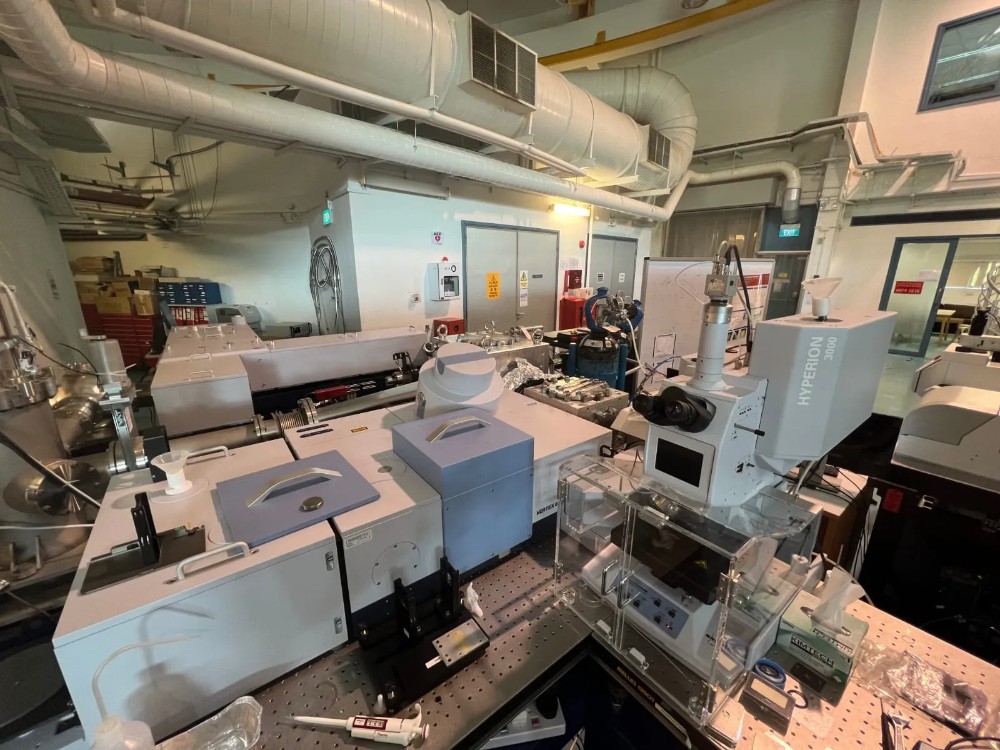
ความสำคัญของบริการหลังการขายและความช่วยเหลือทางเทคนิค
การสนับสนุนอย่างต่อเนื่องจากผู้ผลิตช่วยเพิ่มอัตราการใช้งานเครื่องมือให้คุ้มค่าที่สุด โดยให้การเข้าถึงอะไหล่ การอัปเดตเฟิร์มแวร์ และเครื่องมือวินิจฉัยระยะไกลได้อย่างทันท่วงที นอกจากนี้ ผู้ผลิตยังมอบการฝึกอบรมที่มีประสิทธิภาพและเน้นการใช้งานจริงให้กับพนักงานและผู้ใช้งานเครื่องมือของตน ซึ่งทั้งหมดนี้ถือเป็นต้นทุนแฝงที่สำคัญเมื่อพิจารณาผลตอบแทนจากการลงทุน (ROI) ทีมงานด้านเทคนิคของเราพัฒนาแผนการบำรุงรักษาสำหรับวงจรชีวิตของผลิตภัณฑ์ทั้งหมด ซึ่งมีความสำคัญอย่างยิ่งสำหรับเครื่องวิเคราะห์การดูดกลืนอะตอม เช่น... A3AFGเครื่องมือนี้มีคุณสมบัติเด่นคือ ความยืดหยุ่นสูงในการทำให้เป็นละอองด้วยเปลวไฟ และความแม่นยำสูงของเตาเผากราไฟต์ เหมาะสำหรับการผลิตธาตุจำนวนมาก
การรับประกันและตัวเลือกการอัปเกรดเพื่อรักษาคุณค่าในระยะยาว
การรับประกันเพิ่มเติมช่วยป้องกันความเสียหายของชิ้นส่วนในช่วงเริ่มต้นการใช้งาน ในขณะที่เส้นทางการอัปเกรดช่วยให้เครื่องมือรุ่นเก่าสามารถนำเทคโนโลยีการตรวจจับหรืออินเทอร์เฟซดิจิทัลที่เกิดขึ้นใหม่มาใช้ได้โดยไม่ต้องเสียค่าใช้จ่ายในการเปลี่ยนเครื่องใหม่ทั้งหมด ความร่วมมือเชิงกลยุทธ์ระหว่างห้องปฏิบัติการและผู้ผลิตส่งเสริมวงจรการปรับปรุงอย่างต่อเนื่อง โดยที่อายุการใช้งานของฮาร์ดแวร์สอดคล้องกับมาตรฐานการวิเคราะห์ที่เปลี่ยนแปลงไป ซึ่งจะช่วยเพิ่มผลตอบแทนจากการลงทุนสะสมในแต่ละปี
PERSEE: ผู้ผลิตเครื่องมือวิเคราะห์ที่เชื่อถือได้สำหรับห้องปฏิบัติการสมัยใหม่
PERSEE เชี่ยวชาญในการออกแบบเครื่องมือวิเคราะห์ประสิทธิภาพสูง รวมถึงสเปกโทรเมตร เครื่องวิเคราะห์การดูดกลืนแสงอะตอม และระบบ UV-visible ที่ออกแบบมาเพื่อความแม่นยำ ความทนทาน และความน่าเชื่อถือในการใช้งานทางอุตสาหกรรมที่หลากหลาย โซลูชันเรือธงของเรา เช่น สเปกโทรโฟโตมิเตอร์ UV-Vis แบบลำแสงคู่ T8DCS ให้ความไวที่ยอดเยี่ยมผ่านการตรวจจับด้วยหลอดโฟโตมัลติพลายเออร์ T9DCS รับประกันคุณลักษณะแสงรบกวนต่ำมาก A3AFG ผสานรวมโหมดการทำให้เป็นอะตอมคู่ ในขณะที่ M7 GC-MS ให้การวิเคราะห์มวลควอดรูโพลขั้นสูงที่เหมาะสมสำหรับการตรวจสอบสิ่งแวดล้อมหรือการควบคุมคุณภาพปิโตรเคมี
PERSEE ยึดมั่นในมาตรฐานการผลิตที่เข้มงวด เพื่อให้มั่นใจว่าเครื่องมือแต่ละชิ้นตรงตามมาตรฐานการสอบเทียบระดับสากล โดยได้รับการสนับสนุนจากเครือข่ายบริการด้านเทคนิคทั่วโลกที่สามารถเข้าถึงได้ผ่านทางเว็บไซต์ของเรา พอร์ทัลติดต่อเราการันตีความช่วยเหลือที่ตอบสนองฉับไวซึ่งช่วยเพิ่มประสิทธิภาพการทำงานของห้องปฏิบัติการทั่วโลก สิ่งนี้ช่วยให้ลูกค้าได้รับผลตอบแทนจากการลงทุนอุปกรณ์ห้องปฏิบัติการที่เหนือกว่า ผ่านโซลูชันเครื่องมือที่เชื่อถือได้ซึ่งปรับให้เหมาะสมกับความต้องการของอุตสาหกรรมของพวกเขา
สรุป: การสร้างสมดุลระหว่างประสิทธิภาพด้านต้นทุนและความถูกต้องแม่นยำในการวิเคราะห์
การประเมินผลตอบแทนจากการลงทุน (ROI) อย่างครอบคลุมแสดงให้เห็นว่าทั้งเครื่องมือวิเคราะห์ใหม่และเครื่องมือวิเคราะห์ที่ได้รับการปรับปรุงใหม่สามารถให้คุณค่าที่สำคัญได้ ขึ้นอยู่กับลำดับความสำคัญในการดำเนินงานและข้อจำกัดทางการเงิน สำหรับห้องปฏิบัติการที่ต้องการประสิทธิภาพสูงสุดโดยไม่ต้องลงทุนมากเกินไป เครื่องสเปกโทรเมตรที่ได้รับการปรับปรุงใหม่ที่ได้รับการรับรองถือเป็นทางเลือกที่เหมาะสม โดยเฉพาะอย่างยิ่งเมื่อจัดหามาจากผู้ผลิตที่น่าเชื่อถือซึ่งมีโปรแกรมการประกันคุณภาพที่ได้รับการตรวจสอบแล้ว ควบคู่ไปกับกรอบการสนับสนุนทางเทคนิคอย่างต่อเนื่อง เช่นเดียวกับที่ PERSEE ของเรา
คำถามที่พบบ่อย
คำถามที่ 1: การซื้อเครื่องสเปกโทรเมตรมือสองส่งผลต่อผลตอบแทนจากการลงทุน (ROI) ของห้องปฏิบัติการอย่างไร?
A1: เครื่องสเปกโทรเมตรที่ได้รับการปรับปรุงใหม่จะช่วยเพิ่มผลตอบแทนจากการลงทุน (ROI) ของอุปกรณ์ห้องปฏิบัติการโดยการลดต้นทุนเริ่มต้น ในขณะที่ยังคงรักษาประสิทธิภาพการวิเคราะห์ที่เชื่อถือได้ เมื่อจัดหาจากซัพพลายเออร์ที่ได้รับการรับรองซึ่งปฏิบัติตามโปรโตคอลการปรับปรุงใหม่ที่เข้มงวดซึ่งได้รับการตรวจสอบเทียบกับข้อกำหนดดั้งเดิม
คำถามที่ 2: ควรพิจารณาปัจจัยใดบ้างก่อนเลือกซื้อสเปกโทรเมตรระหว่างเครื่องใหม่กับเครื่องมือสอง?
A2: ปัจจัยในการตัดสินใจ ได้แก่ ระดับความแม่นยำในการวิเคราะห์ที่ต้องการ ความสามารถในการบำรุงรักษาภายใน ขอบเขตการรับประกัน ประวัติความน่าเชื่อถือของผู้จำหน่าย และการคาดการณ์ต้นทุนตลอดอายุการใช้งาน ภายใต้กลยุทธ์การจัดซื้อจัดจ้างห้องปฏิบัติการอุตสาหกรรมในวงกว้าง ซึ่งเน้นความยั่งยืนมากกว่าการประหยัดในระยะสั้น
คำถามที่ 3: เหตุใดการสนับสนุนจากผู้ผลิตจึงมีความสำคัญต่อการเพิ่มผลตอบแทนจากการลงทุนในอุปกรณ์ให้สูงสุด?
A3: บริการที่ได้รับการสนับสนุนจากผู้ผลิตช่วยให้มั่นใจได้ถึงความแม่นยำในการสอบเทียบที่สม่ำเสมอผ่านการบำรุงรักษาที่ทันท่วงที พร้อมทั้งให้การเข้าถึงชิ้นส่วนอะไหล่และแหล่งข้อมูลการฝึกอบรมบุคลากร ซึ่งทั้งหมดนี้เป็นองค์ประกอบสำคัญที่ช่วยรักษาประสิทธิภาพการดำเนินงานในระยะยาวภายในสภาพแวดล้อมห้องปฏิบัติการที่ซับซ้อน