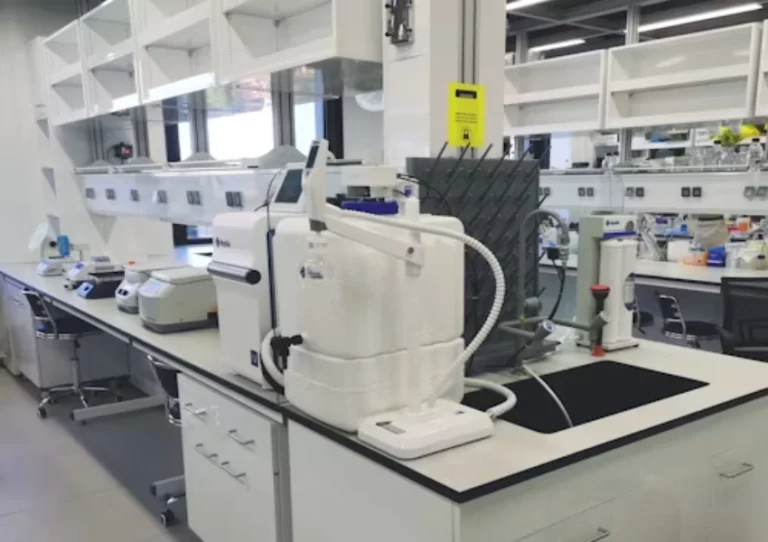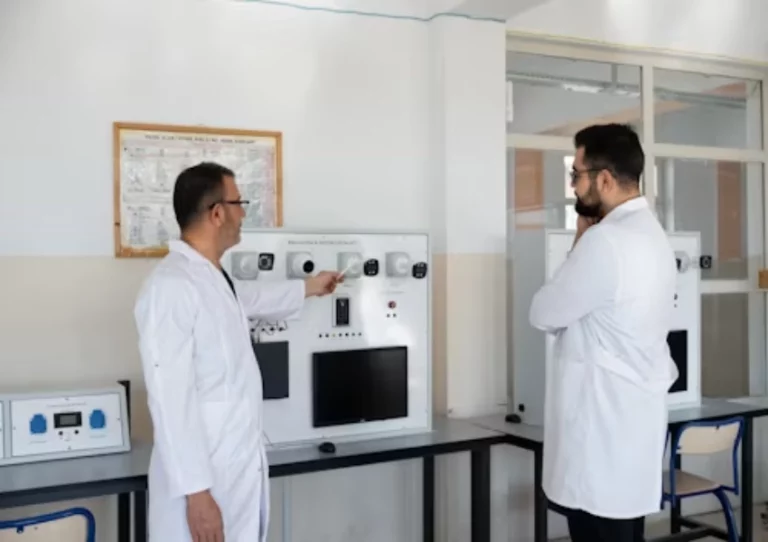

ห้องปฏิบัติการสมัยใหม่มีการพัฒนาอย่างต่อเนื่องเพื่อรองรับความต้องการด้านการวิเคราะห์ที่เพิ่มขึ้น และการเพิ่มประสิทธิภาพขั้นตอนการทำงานในห้องปฏิบัติการถือเป็นขั้นตอนสำคัญ กระบวนการที่ชัดเจนช่วยเพิ่มความน่าเชื่อถือของข้อมูลและเพิ่มความเร็วในการวิเคราะห์ เมื่อระบบแก๊สโครมาโทกราฟีทำงานร่วมกับระบบสเปกโทรโฟโตมิเตอร์ ห้องปฏิบัติการจะลดขั้นตอนการทำงานด้วยมือ จัดระเบียบการเคลื่อนย้ายข้อมูล และได้ผลลัพธ์ที่สม่ำเสมอด้วยเวลาการทำงานที่สั้นลง
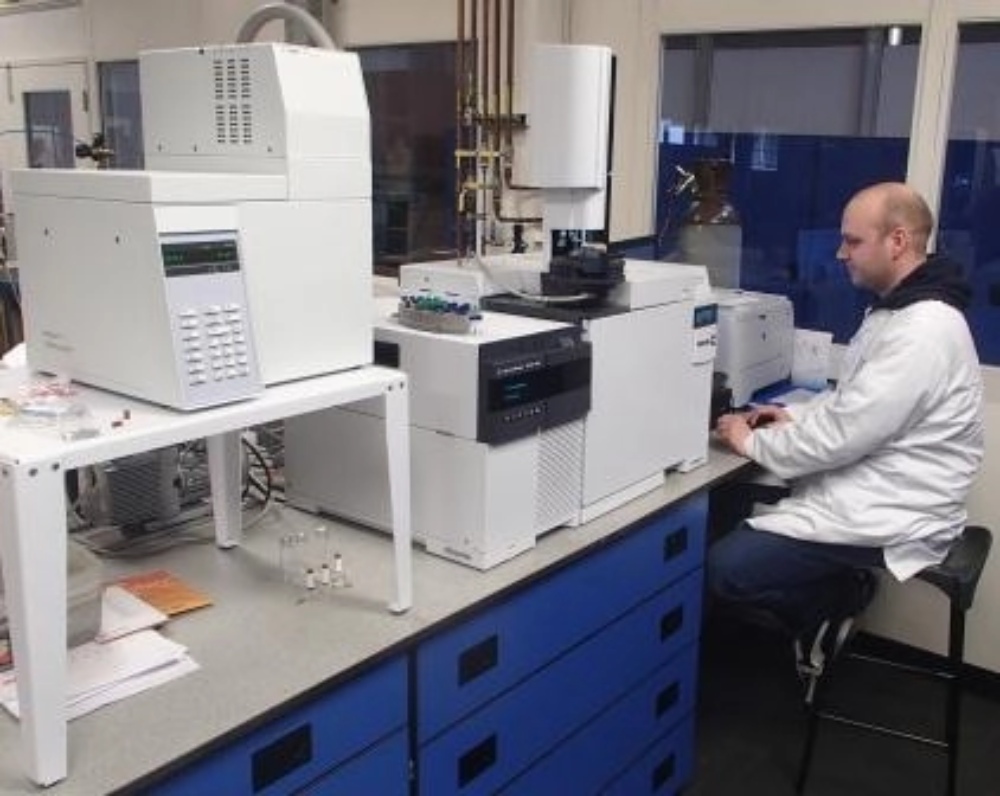
เครื่องแก๊สโครมาโทกราฟใช้แหล่งก๊าซพาหะที่คงที่และสะอาดในการผลักดันตัวอย่างผ่านอุปกรณ์ นอกจากนี้ยังมีช่องรับสารที่ทำหน้าที่เป็นเครื่องระเหยสำหรับตัวอย่างของเหลว คอลัมน์ที่เกิดการแยกสารตามเวลา และตัวตรวจจับที่ตอบสนองต่อส่วนประกอบที่ออกจากคอลัมน์โดยการเปลี่ยนแปลงสัญญาณไฟฟ้า การตั้งค่าพื้นฐานนี้แสดงให้เห็นว่าระบบอัตโนมัติและการบูรณาการช่วยปรับปรุงขั้นตอนการวิเคราะห์ได้อย่างไรเมื่อรวมกับการตรวจจับทางสเปกโทรสโกปีขั้นสูง
ความท้าทายในกระบวนการทำงานวิเคราะห์แบบดั้งเดิม
ขั้นตอนการทำงานแบบเดิมมักประสบปัญหาความล่าช้าเนื่องจากการเชื่อมต่ออุปกรณ์ที่ไม่ดีและการประมวลผลข้อมูลด้วยตนเอง เมื่อเครื่องมือโครมาโทกราฟีและสเปกโทรสโกปีทำงานโดยลำพัง นักวิเคราะห์จะต้องย้ายตัวอย่างด้วยมือระหว่างเครื่อง ซึ่งขั้นตอนนี้อาจทำให้เกิดการปนเปื้อนหรือข้อผิดพลาดในการอ่านค่า นอกจากนี้ การขาดซอฟต์แวร์ควบคุมร่วมกันยังทำให้ยากต่อการเปรียบเทียบผลลัพธ์และการเขียนรายงาน ซึ่งนำไปสู่ผลลัพธ์ที่ไม่สม่ำเสมอในการทดสอบต่างๆ
ระบบอัตโนมัติช่วยแก้ไขปัญหาเหล่านี้ได้โดยการผสานความแม่นยำของฮาร์ดแวร์เข้ากับการเชื่อมโยงซอฟต์แวร์อัจฉริยะ การวิเคราะห์ก๊าซโครมาโทกราฟีแบบเฮดสเปซไม่ใช่เรื่องใหม่ วิธีนี้มีมาตั้งแต่ยุคแรกเริ่มของการวิเคราะห์ก๊าซโครมาโทกราฟีแล้ว แต่ความสนใจยังคงเพิ่มขึ้นอย่างต่อเนื่อง ส่วนใหญ่เป็นเพราะห้องปฏิบัติการต้องการลดต้นทุน ข้อเท็จจริงนี้แสดงให้เห็นว่าระบบอัตโนมัติช่วยประหยัดเวลาและเพิ่มความสามารถในการทำซ้ำ ซึ่งเป็นสองประเด็นหลักในการเพิ่มประสิทธิภาพการทำงานของห้องปฏิบัติการสมัยใหม่
การทำงานร่วมกันระหว่างเทคโนโลยีโครมาโทกราฟีและสเปกโทรสโกปี
วิธีที่โครมาโทกราฟีแก๊สช่วยเสริมการวิเคราะห์ทางสเปกโทรสโกปี
โครมาโทกราฟีแก๊ส (GC) แยกสารผสมที่ซับซ้อนออกเป็นส่วนประกอบย่อยๆ ก่อนการตรวจจับหรือการวัด หลังจากแยกแล้ว การเชื่อมโยงผลลัพธ์จาก GC กับการวิเคราะห์ทางสเปกโทรสโกปีจะให้รายละเอียดระดับโมเลกุลอย่างครบถ้วนโดยอาศัยทั้งเวลาการคงตัวและรูปแบบสเปกตรัม การเชื่อมโยงนี้ช่วยเพิ่มความแม่นยำในการระบุสารประกอบในหลายสาขา ตั้งแต่การผลิตยาไปจนถึงการตรวจสอบด้านสิ่งแวดล้อม
การควบคุมการไหลของก๊าซและอุณหภูมิอย่างสม่ำเสมอ ร่วมกับเครื่องตรวจจับที่มีความไวสูง ช่วยให้ได้ผลลัพธ์เชิงคุณภาพและเชิงปริมาณที่ชัดเจนยิ่งขึ้น G5 GC แสดงให้เห็นถึงแนวคิดนี้ผ่านการควบคุมไฟฟ้าอัจฉริยะและการตั้งค่าที่ยืดหยุ่นสำหรับการใช้งานหลายประเภท ตัวเครื่องรักษาระดับพื้นฐานที่เสถียรซึ่งทำงานได้ดีกับเครื่องสเปกโทรโฟโตมิเตอร์ UV-Vis เช่น t8dcs uv-visการผสมผสานระหว่างสองสิ่งนี้เป็นพื้นฐานที่แข็งแกร่งสำหรับการแยกสารด้วยวิธีโครมาโทกราฟีและการวัดด้วยวิธีสเปกโทรสโกปี ซึ่งช่วยเพิ่มประสิทธิภาพขั้นตอนการทำงานในห้องปฏิบัติการ
ประโยชน์ของการบูรณาการระบบโครมาโทกราฟีและสเปกโทรสโกปี
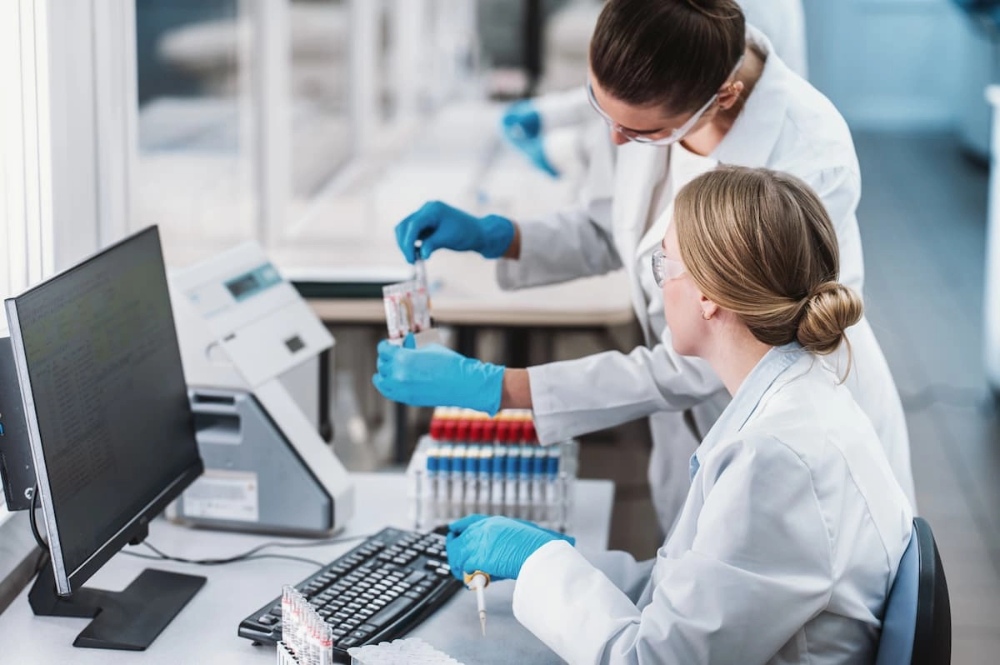
ระบบแบบบูรณาการช่วยลดขั้นตอนการจัดการตัวอย่างซ้ำซ้อนและช่วยให้สามารถแบ่งปันข้อมูลแบบเรียลไทม์ระหว่างเครื่องมือต่างๆ ได้ การตั้งค่านี้ช่วยเพิ่มความเร็วในการตัดสินใจสำหรับนักเคมีที่ต้องการผลตอบรับอย่างรวดเร็วในระหว่างการทดลอง นอกจากนี้ แพลตฟอร์มซอฟต์แวร์เดียวยังช่วยลดความซับซ้อนในการสอบเทียบ การตรวจสอบประสิทธิภาพ และแผนการบำรุงรักษา ซึ่งช่วยรักษาความแม่นยำให้คงที่ตลอดการใช้งานระยะยาว
ของเรา m7 quadrupole gc-ms เดี่ยว แสดงให้เห็นถึงความก้าวหน้านี้ ห้องปฏิบัติการสามารถรวมการแยกสารด้วยวิธีโครมาโทกราฟี การวิเคราะห์มวลสาร และการวัดค่า UV-Vis เข้าไว้ในขั้นตอนการทำงานที่ประสานงานกันได้ กระแสแก๊สจากคอลัมน์จะนำสารประกอบที่แยกแล้วไปยังตัวตรวจจับ สัญญาณเอาต์พุตจากตัวตรวจจับจะสร้างเป็นโครมาโทแกรม เมื่ออ่านสัญญาณเอาต์พุตนี้ร่วมกับข้อมูลสเปกตรัมจากตัวตรวจจับ UV-Vis เช่น t9dcs uv-visนักวิเคราะห์จะได้รับภาพโครงสร้างโมเลกุลแบบหลายชั้นโดยไม่ต้องเตรียมตัวอย่างเพิ่มเติม
องค์ประกอบสำคัญสำหรับการบูรณาการระบบอย่างมีประสิทธิภาพ
ข้อควรพิจารณาเกี่ยวกับความเข้ากันได้ของฮาร์ดแวร์
การทำงานร่วมกันที่ดีขึ้นอยู่กับการจับคู่ฮาร์ดแวร์ระหว่างหน่วยโครมาโทกราฟีและสเปกโทรโฟโตมิเตอร์ ความไวของตัวตรวจจับที่ตรงกันช่วยให้การถ่ายโอนสัญญาณสะอาดในขณะที่ยังคงความแม่นยำที่ความเข้มข้นต่ำ การควบคุมอุณหภูมิที่เสถียรในทั้งสองระบบช่วยปกป้องคุณภาพการอ่านระหว่างการทำงานร่วมกัน โดยเฉพาะอย่างยิ่งกับตัวอย่างที่ระเหยง่ายหรือไวต่อความร้อน
โครงสร้างแบบโมดูลาร์ของเราช่วยให้ปรับขนาดได้ง่ายตามความต้องการของห้องปฏิบัติการที่เพิ่มขึ้น ตัวอย่างเช่น การจัดวางทางแสงของ T10DCS ให้แสงรบกวนต่ำมาก (≤0.00004%T NaI, 220 nm) และช่วงการวัดแสงที่กว้าง (-8.0–8.0 Abs.) เมื่อจับคู่กับเครื่องตรวจจับ GC ที่มีความไวสูงจากซีรีส์ G5 ของเรา ผู้ใช้จะได้รับผลลัพธ์ที่ทำซ้ำได้ดีเยี่ยมในการวิเคราะห์หลายขั้นตอน
การเชื่อมต่อซอฟต์แวร์และการจัดการข้อมูล
แพลตฟอร์มซอฟต์แวร์ส่วนกลางทำหน้าที่ชี้นำการสื่อสารระหว่างเครื่องมือต่างๆ ในระบบแบบบูรณาการ การเก็บรวบรวมข้อมูลอัตโนมัติช่วยลดข้อผิดพลาดจากมนุษย์และเร่งการตรวจสอบพีคโครมาโทกราฟีและเส้นโค้งสเปกตรัมไปพร้อมๆ กัน ซอฟต์แวร์ป้องกันการควบคุมอัจฉริยะจะจัดการการควบคุมเครื่องมือแบบเรียลไทม์ การเก็บรวบรวมข้อมูล และการประมวลผล คุณสมบัตินี้สนับสนุนการทำงานร่วมกันระหว่างโมดูล GC และเครื่องตรวจจับ UV-Vis ภายในพื้นที่ดิจิทัลเดียวกัน นอกจากนี้ยังช่วยให้สามารถจัดเก็บข้อมูลได้อย่างปลอดภัยตามข้อกำหนดต่างๆ เช่น GMP หรือห้องปฏิบัติการที่ได้รับการรับรองมาตรฐาน ISO
กลยุทธ์เพื่อเพิ่มประสิทธิภาพขั้นตอนการทำงานในห้องปฏิบัติการโดยใช้ระบบบูรณาการ
การปรับปรุงระบบอัตโนมัติและการจัดการตัวอย่าง
ระบบอัตโนมัติช่วยเพิ่มผลผลิตของห้องปฏิบัติการโดยลดขั้นตอนการเตรียมตัวอย่างด้วยตนเองซึ่งเคยใช้เวลานานสำหรับนักวิเคราะห์ส่วนใหญ่ เครื่องโหลดตัวอย่างแบบหุ่นยนต์จะจัดการการฉีดตัวอย่างอย่างระมัดระวัง ในขณะที่รอบการทำความสะอาดอัตโนมัติช่วยให้เครื่องมือทำงานได้อย่างต่อเนื่องในระหว่างการทำงานที่ยาวนาน ปัจจุบันห้องปฏิบัติการส่วนใหญ่ใช้ระบบอัตโนมัติเต็มรูปแบบที่จัดการเทอร์โมสตัทเพื่อให้ตัวอย่างอยู่ในสภาวะสมดุล ระบบอัตโนมัตินี้ช่วยปรับปรุงความสามารถในการทำซ้ำ ซึ่งเป็นปัจจัยสำคัญในงาน GC-spectroscopy แบบต่อเนื่องที่เวลาส่งผลต่อคุณภาพของผลลัพธ์ ผ่านการเชื่อมต่อกับหน่วยต่างๆ เช่น หน่วยของเรา t10dcs uv-visห้องปฏิบัติการสามารถตรวจสอบการดูดกลืนแสงได้อย่างรวดเร็วทันทีหลังจากการแยกสารด้วยวิธีโครมาโทกราฟีโดยไม่ต้องมีการจัดการเพิ่มเติม ซึ่งช่วยเพิ่มประสิทธิภาพการทำงานและรักษาคุณภาพของตัวอย่าง
ขั้นตอนการสอบเทียบ การตรวจสอบความถูกต้อง และการบำรุงรักษา
การสอบเทียบอย่างสม่ำเสมอช่วยรักษาประสิทธิภาพการทำงานให้คงที่ในทุกโมดูล โดยการปรับค่าเกณฑ์สัญญาณระหว่างคอลัมน์โครมาโทกราฟีและสเปกโทรโฟโตมิเตอร์ เครื่องมือบำรุงรักษาเชิงคาดการณ์ภายในแพลตฟอร์มดิจิทัลของเราจะตรวจพบปัญหาตั้งแต่เนิ่นๆ ซึ่งช่วยป้องกันการหยุดทำงานแม้ภายใต้ภาระงานหนัก การตรวจสอบความถูกต้องอย่างสม่ำเสมอช่วยสนับสนุนความน่าเชื่อถือในระยะยาวในกระบวนการทำงานที่ความแม่นยำส่งผลต่อการปฏิบัติตามข้อกำหนดในพื้นที่ที่มีการควบคุม เช่น การตรวจสอบคุณภาพยาหรือการตรวจสอบด้านสิ่งแวดล้อม
การประยุกต์ใช้งานในสาขาการวิเคราะห์ต่างๆ
ห้องปฏิบัติการทดสอบสิ่งแวดล้อม
ระบบ GC-spectroscopy แบบบูรณาการช่วยปรับปรุงขีดจำกัดการตรวจจับสารประกอบอินทรีย์ระเหยง่าย ซึ่งมีความสำคัญในการทดสอบคุณภาพอากาศหรือน้ำ การประมวลผลที่รวดเร็วยิ่งขึ้นช่วยให้โครงการตรวจสอบขนาดใหญ่ที่ต้องการผลลัพธ์รายวันโดยไม่สูญเสียความแม่นยำเป็นไปได้อย่างมีประสิทธิภาพ
ห้องปฏิบัติการควบคุมคุณภาพยา
การใช้เทคนิคโครมาโทกราฟีและสเปกโทรสโกปีร่วมกัน ช่วยเพิ่มความแม่นยำในการวิเคราะห์สิ่งเจือปนในระหว่างการพัฒนาสูตรยา และลดความซับซ้อนของการทดสอบการปล่อยผลิตภัณฑ์แต่ละล็อตภายใต้กฎระเบียบที่เข้มงวด เช่น ISO 9001 หรือการรับรอง CE ที่ระบุไว้ในรายการ หน้าเกี่ยวกับเรา.
ศูนย์วิเคราะห์อาหารและเครื่องดื่ม
ในงานด้านวิทยาศาสตร์การอาหาร โครมาโทกราฟีแก๊สใช้ในการค้นหาสารประกอบที่ให้กลิ่นรส ในขณะที่เครื่องสเปกโทรโฟโตมิเตอร์ UV-Vis ใช้ในการวัดความเข้มของสีหรือระดับสารอาหารในแต่ละล็อตการผลิต ซึ่งจะช่วยรักษาคุณภาพของผลิตภัณฑ์ให้คงที่และเป็นไปตามกฎระเบียบด้านความปลอดภัย
PERSEE: พันธมิตรที่เชื่อถือได้ในด้านเครื่องมือวิเคราะห์
ที่ เพอร์สเราเป็นบริษัทไฮเทคสมัยใหม่ที่ก่อตั้งขึ้นในปี 1991 เรามุ่งเน้นการวิจัย การผลิต และการขายเครื่องมือวิทยาศาสตร์ในตลาดโลก พนักงานกว่า 30% ของเราทำงานโดยตรงในด้านการวิจัยและพัฒนาเพื่อสร้างเครื่องมือวิเคราะห์ใหม่ๆ ที่ผสมผสานแก๊สโครมาโทกราฟีเข้ากับสเปกโทรสโกปีขั้นสูงเพื่อเพิ่มประสิทธิภาพการทำงานในห้องปฏิบัติการ ผลิตภัณฑ์ของเราครอบคลุมรุ่นที่เชื่อถือได้ เช่น G5GC, T8DCS UV-Vis, T9DCS UV-Vis, T10DCS UV-Vis และ M7 Single Quadrupole GC-MS แต่ละระบบให้ประสิทธิภาพสูงด้วยการออกแบบที่แข็งแกร่งซึ่งได้รับการรับรองในระดับสากล รวมถึงการรับรองระบบการจัดการคุณภาพ ISO 9001
เราลงทุนอย่างต่อเนื่องในการวิจัยและพัฒนาเพื่อปรับปรุงการบูรณาการระหว่างระบบโครมาโทกราฟีและสเปกโทรสโกปี ในขณะที่ยังคงรักษาอินเทอร์เฟซให้เรียบง่าย แนวทางนี้ช่วยสนับสนุนงานที่ซับซ้อนโดยไม่สูญเสียความแม่นยำหรือความน่าเชื่อถือในการวิเคราะห์ ห้องปฏิบัติการที่ต้องการคำแนะนำเฉพาะด้านเกี่ยวกับโซลูชันแบบบูรณาการเพื่อประสิทธิภาพที่ดีขึ้นผ่านระบบอัตโนมัติและการจัดการข้อมูลแบบครบวงจร สามารถติดต่อเราได้ ติดต่อเราทีมงานด้านเทคนิคของเราพร้อมให้การสนับสนุนความก้าวหน้าทางวิทยาศาสตร์ระดับโลก
คำถามที่พบบ่อย
คำถามที่ 1: การบูรณาการแก๊สโครมาโทกราฟีเข้ากับสเปกโทรโฟโตมิเตอร์ช่วยเพิ่มประสิทธิภาพขั้นตอนการทำงานในห้องปฏิบัติการได้อย่างไร?
A1: ระบบแบบบูรณาการช่วยลดการถ่ายโอนตัวอย่างเพิ่มเติมโดยการทำการวิเคราะห์ตามลำดับโดยอัตโนมัติระหว่างการแยกด้วยโครมาโทกราฟีและการตรวจจับสเปกตรัม นอกจากนี้ยังช่วยให้สามารถเชื่อมโยงข้อมูลแบบเรียลไทม์ ซึ่งช่วยลดเวลาในการวิเคราะห์โดยรวมและเพิ่มความแม่นยำผ่านการทำงานที่สอดคล้องกัน
คำถามที่ 2: ปัจจัยสำคัญในการเลือกอุปกรณ์โครมาโทกราฟี-สเปกโทรสโกปีแบบบูรณาการมีอะไรบ้าง?
A2: ประเด็นสำคัญ ได้แก่ ฮาร์ดแวร์ที่เหมาะสมกับความไวของตัวตรวจจับ การเชื่อมโยงซอฟต์แวร์สำหรับการควบคุมจากส่วนกลาง ขั้นตอนการสอบเทียบและการบำรุงรักษาที่ไม่ซับซ้อน ตัวเลือกที่ปรับขนาดได้สำหรับความต้องการในอนาคต และการสนับสนุนทางเทคนิคที่แข็งแกร่งจากผู้ผลิตที่มีประสบการณ์
คำถามที่ 3: เหตุใด PERSEE จึงได้รับการยอมรับว่าเป็นผู้ผลิตเครื่องมือวิเคราะห์แบบครบวงจรที่น่าเชื่อถือ?
A3: ประสบการณ์ด้านวิศวกรรมหลายทศวรรษ พร้อมด้วยการรับรองมาตรฐานระดับนานาชาติ เช่น ISO9001 และเครื่องหมาย CE รวมถึงผลิตภัณฑ์ที่หลากหลาย ตั้งแต่ GC-MS ไปจนถึงเครื่องมือ UV-Vis ทำให้ได้เครื่องมือที่เชื่อถือได้และบริการที่รวดเร็วทั่วโลก การสนับสนุนนี้ช่วยรักษาประสิทธิภาพให้คงที่ในทุกขั้นตอนของโครงการเพิ่มประสิทธิภาพการทำงานของห้องปฏิบัติการทั่วโลก