La spettroscopia è ora una parte chiave della scienza analitica nel settore alimentare, che consente controlli esatti e non dannosi della composizione nutrizionale e delle quantità di inquinanti. Questi metodi forniscono recensioni rapide e non dannose del trucco alimentare. Così, laboratori e produttori possono mantenere standard di prodotto costanti e seguire anche regole severe stabilite dalle autorità. Lo spettrofotometro nell'industria alimentare funge da strumento principale, che misura i nutrienti e individua gli inquinanti con una forte sensibilità e risultati costanti.
Principi chiave della misurazione spettrofotometrica
La spettrofotometria si basa su come la luce e i materiali si mescolano, principalmente su come le parti assorbono o passano la luce a lunghezze diverse. I modelli di assorbimento forniscono dettagli chiari sul trucco chimico e mostrano anche possibili aggiunte false o sporco nelle impostazioni alimentari. Le curve di impostazione costituiscono la base per le letture giuste su diversi tipi di campione, e queste curve collegano l'assorbinza alla quantità in base alla legge di Beer-Lambert.
Per determinare ogni metallo è stato utilizzato uno spettrofotometro di assorbimento atomico Perkin-Elmer Model 303. Per determinare il calcio vengono utilizzate una lampada a catodo cavo e una fiamma riducente. Questo vecchio metodo mostra come l'impostazione spettrofotometrica garantisce la correttezza nel trovare quantità di elementi come calcio o magnesio in campioni duri.
Applicazioni della spettrofotometria nel test dei nutrienti
I controlli spettroscopici hanno cambiato i profili nutrizionali e permettono il conteggio esatto di minerali vitali, proteine, grassi e carboidrati. Tutto questo è importante per le etichette nutrizionali giuste.
Analisi quantitativa dei minerali essenziali
Controllare il calcio nel latte in polvere conta come un uso chiave, che assicura che le etichette nutrizionali siano corrette e gli acquirenti rimangano al sicuro. Il conteggio del calcio tramite assorbimento atomico o UV-Vis sostiene la formula standard per bambini e supporta anche i piani di qualità dei latticini. La linea 4227 Å (angstrom) viene utilizzata per determinare concentrazioni di calcio inferiori a 20 mg per litro (milligrammi per litro). Per concentrazioni di calcio superiori a 20 mg per litro, è necessaria una diluizione. Questo accurato metodo consente ai laboratori con uno spettrofotometro nell'industria alimentare di ottenere risultati costanti su grandi serie di produzione, e lo fanno senza perdere velocità.
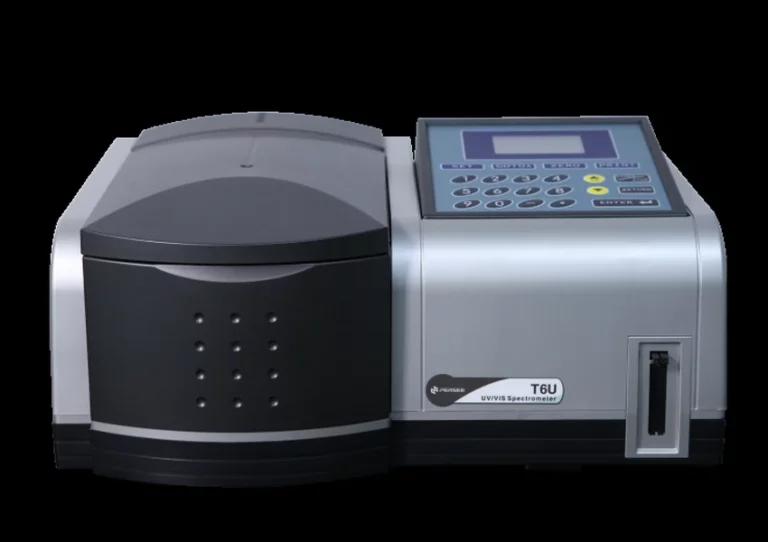
Il nostro T8DCS UV-Vis Il modello fornisce una scelta continua della larghezza spettrale da 0,1 a 5 nm, che aggiunge una curvatura per molti tipi di campione. Il monocromatore Czerny-Turner con una griglia olografica mantiene la luce errata molto bassa, che porta una fine chiarezza ottica. Queste scelte di costruzione consentono controlli minerali molto ricchi anche a piccoli livelli.
Profilazione di proteine, grassi e carboidrati
I metodi spettroscopici superano i controlli dei minerali. Essi aiutano anche con i contorni macronutrienti. La spettroscopia a infrarossi vicini (NIR) offre l'osservazione dal vivo durante le fasi di fabbricazione. Mantiene livelli costanti di proteine o grassi. Allo stesso tempo, riduce i rifiuti. Il collegamento con i sistemi di regole di processo assicura che ogni corsa soddisfi bene i segni nutrizionali. Questa abilità si rivela vitale per i produttori che vogliono sia velocità che fiducia.
Rilevamento dei contaminanti con metodi spettroscopici
Per mantenere il cibo sicuro, bisogna controllare i nutrienti e trovare inquinanti cattivi come metalli pesanti o residui di insecticidi. Questi possono danneggiare la salute.
Rilevamento dei metalli pesanti negli oli comestibili
Trovare il piombo nell'olio d'oliva è molto importante per mantenere le regole di esportazione e proteggere la salute pubblica dal tocco velenoso. Le macchie di spettrofotometria di assorbimento atomico tracciano metalli come piombo, cadmio e arsenico con grande sensazione. La sensibilità alle concentrazioni di calcio inferiori a 20 mg per litro varia da 0,15 a 0,30 mg per litro per assorbimento dell'1%. Questo livello di sensazione mostra come i modi di assorbimento atomico possono cambiare per trovare metalli pesanti anche a minuscoli punti grammo per litro negli oli comestibili o in altre impostazioni liquide.
Il nostro T9DCS UV-Vis Il sistema aumenta questa abilità attraverso le sue vere viste a doppio fascio doppio monocromatore. Questi danno un lavoro di luce straga super-bassa (≤0,00004% T NaI a 220 nm). I controlli a lunghezze ultraviolette profonde possono avvenire con viste cancellate dall'azoto. Questa costruzione supporta la precisione della misura della luce superiore necessaria per la ricerca di inquinanti sotto le regole del mondo duro.
Screening dei residui di pesticidi nei prodotti agricoli
Gli spettrofotometri UV-Vis trovano residui di insecticide anche a limiti bassi. Funzionano meglio con i passaggi di preparazione del campione sintonizzati che tagliano i blocchi organici. Un collegamento dati con i sistemi di flusso aumenta l'esattezza, che garantisce una denominazione sicura su impostazioni di fattoria dure come cereali o frutta. Ci, molti tipi di bug-killer possono vivere insieme.
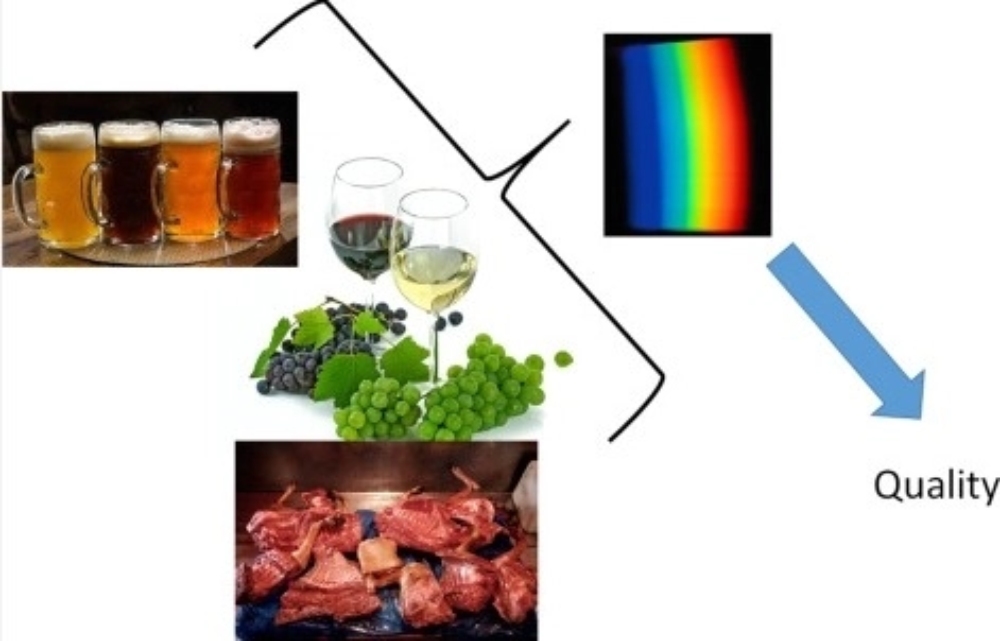
Tecniche avanzate per migliorare il controllo della qualità degli alimenti
Per soddisfare le crescenti esigenze di flusso e tracciamento più rapidi, i laboratori utilizzano sistemi multicolore. Questi possono gestire controlli multiparte contemporanei.
Integrazione di sistemi dati multispettrali
La miscela di UV-Vis, NIR e tecniche di assorbimento atomico porta una migliore correttezza di controllo. Utilizza modelli di impostazione a molte variabili che gestiscono rapidamente set di dati grandi. L’automazione riduce gli errori umani e accelera anche il processo di scelta. Questo costituisce un guadagno principale nei punti di prova ad alto flusso comuni nei grandi luoghi di produzione alimentare.
Monitoraggio in tempo reale e ottimizzazione dei processi
I sensori spettrofotometrici diretti ora consentono controlli costanti durante la realizzazione delle linee. Forniscono un feedback rapido su punti come l'uniformità del colore o i punti nutritivi. Le ipotesi dei dati spettrali sintonizzano i punti di processo in diretta per una qualità costante. Questi passaggi si adattano bene ai piani di cambiamento digitale per lo spettrofotometro nell'industria alimentare. Costruiscono in modo più intelligente, creando setup guidati da live smartness.
PERSEE: un produttore affidabile di strumenti analitici
Abbiamo fatto crescere il nostro nome su nuove idee e stabilità nei mercati mondiali degli strumenti di laboratorio. Al PerseeCi concentriamo sugli strumenti di test avanzati realizzati per laboratori in tutto il mondo. Questi vanno dagli spettrometri molecolari ai sistemi di flusso. Essi servono campi dalla droga all'agricoltura.
La nostra gamma comprende il T8DCS UV-Vis precedentemente notato, oltre ai modelli T9DCS UV-Vis e T10DCS UV-Vis. Tutti sono costruiti per una migliore stabilità ottica e regolarità della lunghezza attraverso lampade a luce a mercurio integrate utilizzate per spostamenti spettrali di fissazione automatica. La costruzione ottica di T10DCS fornisce tratti di luce errata molto bassi (≤0,00004% T NaI, 220 nm), che consente un ampio raggio di misura della luce (-8,0 – 8,0 Abs). Questi strumenti sono ampiamente utilizzati per testare il calcio in polvere di latte, il rilevamento del piombo in olio d'oliva e altri controlli chiave nello spettrofotometro nell'area dell'industria alimentare. Essi danno risultati sicuri anche nei punti duri.
Gli esperti che desiderano consigli di fitness possono toccarci tramite i nostri percorsi di collegamento online nel “Contattaci“parte del nostro sito. I nostri team tecnici sono pronti ad aiutare i laboratori che mirano a migliorare le loro competenze tecnologiche attraverso correzioni spettroscopiche attuali.
I controlli spettroscopici hanno trasformato le chiavi nelle linee di approvvigionamento mondiali. Garantiscono sia la sicurezza che l'integrità nutrizionale attraverso modi esatti come il test del latte in polvere per il calcio o l'olio d'oliva per il rilevamento del piombo. In questi campi, continuiamo a guidare avanti attraverso nuove idee nella costruzione di strumenti.
Domande frequenti
Q1: Quali vantaggi offre uno spettrofotometro per l'analisi degli alimenti?
A1: Gli spettrofotometri offrono competenze di test veloci, corrette e non dannose adatte sia al conteggio dei nutrienti che alla ricerca degli inquinanti. Ciò li rende strumenti perfetti nel quadro delle regole di qualità quotidiane in tutta la gamma di campo alimentare.
Q2: Come viene applicata la spettrofotometria alla prova del calcio in polvere di latte?
A2: misurando l'assorbinza a lunghezze impostate legate a parti di calcio, come ad esempio vicino a 4227 Å, i laboratori possono trovare esattamente il punto di calcio. Lo fanno assicurandosi che rispettino le regole del tag. Questo passaggio guadagna molto dai tratti di impostazione automatica negli spettrofotometri correnti.
Q3: Perché il rilevamento del piombo dell'olio d'oliva è importante?
A3: Il rilevamento del piombo dell'olio d'oliva protegge gli acquirenti dal tocco del metallo pesante. Inoltre garantisce che le merci soddisfino rigorose regole di sicurezza mondiali. Right gauge mantiene la forza del marchio nei mercati di esportazione in tutta Europa, Asia-Pacifico e altro ancora.