Alcuni dibattiti in laboratorio sembrano più complessi di quanto non siano in realtà. Il confronto tra spettrofotometro UV-Vis e HPLC è uno di questi. In un pomeriggio tranquillo, entrambi i metodi possono sembrare la scelta più ovvia. In un laboratorio di routine, però, la decisione è ben più complessa: cinque campioni in attesa, un tecnico che si occupa di due postazioni, un metodo da sottoporre a revisione e un responsabile che chiede perché un semplice controllo di rilascio richieda mezza giornata. Lo spettrofotometro UV-Vis misura la quantità di luce assorbita da un campione. L'HPLC, invece, separa prima il campione e poi misura i composti separati, spesso con un rivelatore UV. Questa semplice frase racchiude tutta la differenza. Se il campione è pulito e la risposta desiderata è chiara, lo spettrofotometro UV-Vis può essere rapido e perfettamente affidabile. Se il campione è complesso, contaminato o chimicamente simile ai campioni vicini, l'HPLC si rivela la scelta migliore.
Inizia dal campione, non dallo strumento.
Un acquirente può perdere molto tempo a confrontare la reputazione degli strumenti prima di porsi la domanda banale ma utile: cosa c'è effettivamente nella provetta? Una bevanda limpida, una reazione colorimetrica preparata o un singolo principio attivo in una matrice controllata non sempre necessitano di separazione. Un estratto vegetale, uno studio di degradazione, un test sui residui o un profilo di impurità, invece, di solito sì. Il campione rivela la verità fin da subito.
Quando UV-Vis è sufficiente
La spettroscopia UV-Vis funziona al meglio quando l'analita assorbe a una lunghezza d'onda nota e il campione di riferimento si comporta come tale. Per questo motivo è ancora comunemente utilizzata nei test di laboratorio di routine per il controllo del colore, le reazioni enzimatiche, i laboratori didattici, lo screening di acque e ambienti, il controllo qualità di alimenti e bevande e i controlli rapidi in corso di processo. Il processo richiede generalmente un uso ridotto di solventi. La formazione è più breve. I risultati sono disponibili quando il lotto è ancora rilevante.
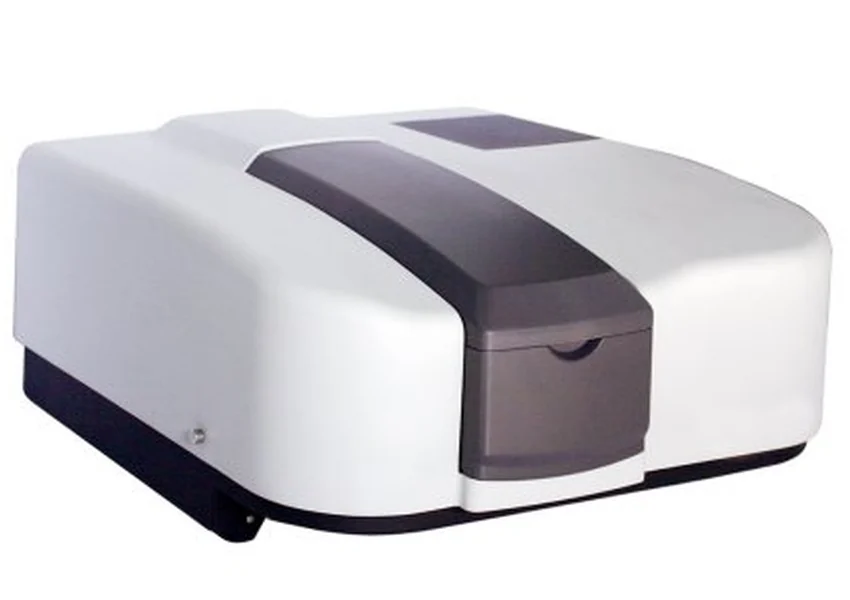
Un banco di lavoro in grado di gestire diversi metodi di assorbanza potrebbe comunque necessitare di uno strumento più completo di quello di base.T8DCS Offre un vero sistema ottico a doppio raggio, rilevamento PMT e larghezza di banda spettrale selezionabile in modo continuo da 0,1 a 5 nm. Questi dettagli sono importanti quando un laboratorio passa da letture a colori ampie a picchi più stretti e metodi quantitativi ripetuti che diversi operatori devono eseguire nello stesso modo.
Cosa aggiunge l'HPLC e qual è il suo costo
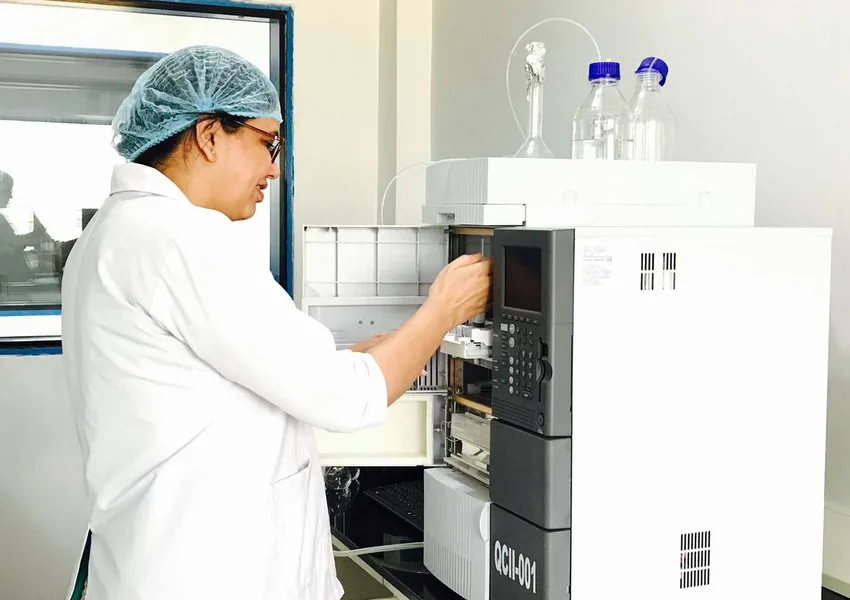
La cromatografia liquida ad alta prestazione (HPLC) non è semplicemente una versione più costosa della spettrofotometria UV-Vis. Risponde a una domanda diversa. La colonna separa i componenti prima del rilevamento, riducendo così il problema della sovrapposizione delle assorbanze. Questo è uno dei motivi principali per cui i laboratori farmaceutici, di sicurezza alimentare, ambientali, forensi e biotecnologici tengono sempre a portata di mano i metodi HPLC.
La separazione risolve i problemi, ma porta con sé le faccende domestiche.
La maggiore sicurezza ha un prezzo. Le colonne invecchiano. Il pH della fase mobile varia. Le pompe necessitano di manutenzione. I campionatori automatici vengono incolpati quando si verifica il carryover. Una variazione di pressione può rovinare una mattinata. L'integrazione dei picchi può trasformare un semplice report in una discussione. Nulla di tutto ciò rende l'HPLC una scelta sbagliata; significa solo che l'HPLC dovrebbe essere utilizzata quando la maggiore selettività compensa il maggiore controllo. Per un controllo di routine del rilascio in una matrice pulita, l'HPLC potrebbe essere eccessiva. Per un campione affollato in cui due composti assorbono nella stessa regione, l'UV-Vis potrebbe essere troppo debole. Questa è la distinzione pratica. Il metodo non dovrebbe essere considerato un'impresa titanica ogni martedì mattina.
Test del flusso di lavoro giornaliero
Prima di acquistare, immaginate una settimana tipo. Quanti campioni arrivano prima di mezzogiorno? Chi prepara gli standard? Con quale frequenza è necessaria la conferma del metodo? Un tecnico può ripetere la configurazione dopo il cambio turno? Un metodo che sembra impeccabile in fase di validazione può diventare un problema se richiede continui interventi correttivi durante i test di produzione.
Velocità, personale e lavoro ripetuto
La spettroscopia UV-Vis è generalmente la scelta migliore quando il laboratorio necessita di numerose analisi semplici con bassi costi dei materiali di consumo. È adatta per lo screening e il controllo delle tendenze. La cromatografia liquida ad alta prestazione (HPLC) è preferibile quando una singola analisi fornisce informazioni che diverse analisi dirette non possono offrire. È inoltre più indicata quando un referto deve giustificare la separazione dei campioni, la presenza di impurità o di prodotti di degradazione. Per le analisi di routine, la soluzione ideale è spesso un flusso di lavoro suddiviso: spettroscopia UV-Vis per le analisi rapide e HPLC per i campioni che richiedono un'analisi più approfondita.
Un utile controllo consiste in una piccola prova di laboratorio. Analizzare una normale mattinata di campioni con il metodo UV-Vis proposto, quindi inviare i campioni al limite o con risultati non ottimali all'HPLC. Il pattern di solito appare rapidamente. Se la maggior parte dei risultati passa senza problemi e solo pochi necessitano di separazione, il metodo UV-Vis può gestire il carico di lavoro giornaliero. Se troppi campioni richiedono un recupero cromatografico, il laboratorio ha imparato qualcosa prima di spendere soldi nel modo sbagliato. Il costo dovrebbe essere calcolato a piccole dosi, non solo come prezzo di acquisto. Il metodo UV-Vis utilizza meno solventi e richiede una minore preparazione del campione in molti casi. L'HPLC comporta colonne, fasi mobili, filtrazione, idoneità del sistema, manutenzione e maggiore disciplina del personale. Un risultato più economico non è tale se lascia passare un lotto errato. Un risultato costoso non è migliore se i dati aggiuntivi non vengono mai utilizzati.
Quando la spettroscopia UV-Vis di fascia alta riduce i dubbi
Un'ottica UV-Vis migliore non è in grado di separare i composti. Questo limite rimane. Ciò che un'ottica migliore può fare è ridurre la luce diffusa, affinare il controllo della larghezza di banda ed estendere l'area di lavoro utile per l'assorbimento. Questo è importante nell'ultravioletto profondo, con campioni ad alto assorbimento, picchi stretti o metodi che prevedono spostamenti tra diverse aree.
Il divario si riduce solo con i metodi giusti.
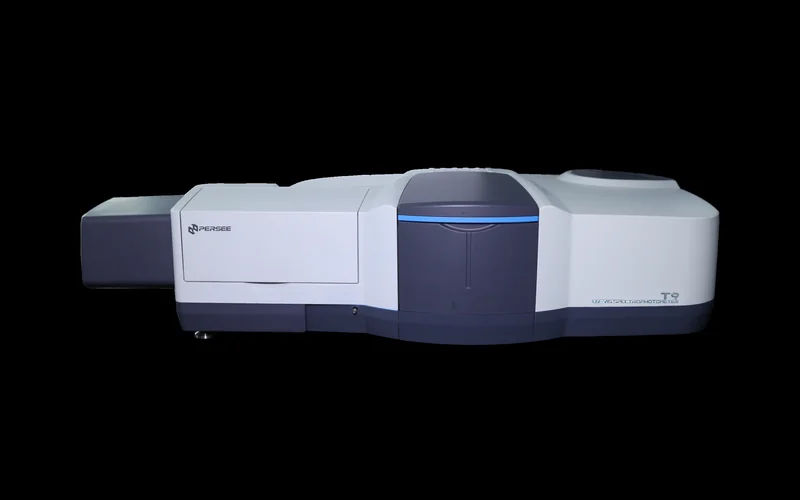
T9dcs È un ottimo esempio di soluzione ad alta richiesta. Utilizza ottiche a doppio fascio e doppio monocromatore, raggiunge una luce diffusa estremamente bassa di 0,00004%T a 220 nm e copre un intervallo fotometrico da -8,0 a 8,0 Abs. Supporta inoltre la purga con azoto per lavori nell'ultravioletto profondo, la larghezza di banda selezionabile in continuo da 0,1 a 5 nm, la regolazione delle dimensioni del fascio e accessori come portacampioni termostatici, portacampioni a lungo percorso, portacampioni automatici e sfere integratrici.
Per un laboratorio centrale, T10DCS Rientra nella stessa discussione. Il suo design a doppio monocromatore, la gamma di lunghezze d'onda da 185 a 900 nm con spurgo di azoto, le specifiche di luce diffusa ultra-basse, la correzione automatica della lunghezza d'onda tramite lampada a mercurio integrata e l'ampio supporto di accessori lo rendono adatto ai laboratori che desiderano una piattaforma di spettroscopia molecolare più potente oltre alla cromatografia. Tuttavia, non sostituirà l'HPLC laddove la separazione è intrinseca al metodo.
Una regola pratica per gli acquisti
Scegliete la spettroscopia UV-Vis quando il target assorbe chiaramente, la matrice è controllata, la calibrazione è affidabile e la velocità è un fattore determinante. Scegliete la cromatografia liquida ad alta prestazione (HPLC) quando è necessario separare i componenti, le impurità o i prodotti di degradazione sono rilevanti, la matrice è complessa o il metodo richiesto è cromatografico. Mantenete entrambe le tecniche quando lo screening e la conferma sono parte integrante del sistema di qualità.
Come mappare la panchina
Una nota di acquisto utile può essere breve: campioni di routine da analizzare con spettrofotometro UV-Vis, campioni controversi o complessi da analizzare con HPLC, regole di conferma documentate e personale formato sui limiti di un metodo. Persee L'azienda opera nel settore degli strumenti analitici dal 1991, con linee di prodotti che spaziano dalla spettroscopia molecolare alla spettroscopia atomica, dalla cromatografia alla spettrometria di massa, dalla purificazione dell'acqua ai relativi sistemi di laboratorio. Questa ampia esperienza è utile quando un laboratorio deve definire un percorso di analisi quotidiano, anziché limitarsi ad acquistare un singolo strumento. La domanda più importante non è quale tecnica sembri più efficace, ma quale fornisca la risposta necessaria con il minor numero possibile di complicazioni. Una volta che l'elenco dei campioni è preciso, la scelta tra spettrofotometro UV-Vis e HPLC diventa una decisione operativa per il laboratorio.
Domande frequenti
D1: La cromatografia liquida ad alta prestazione (HPLC) è sempre più precisa della spettroscopia UV-Vis?
A1: No. L'HPLC è più selettiva per miscele complesse, ma un metodo UV-Vis validato può essere accurato per test di routine puliti con un singolo analita.
D2: La spettroscopia UV-Vis può sostituire la cromatografia liquida ad alta prestazione (HPLC) nelle analisi di laboratorio di routine?
A2: Solo quando non è necessaria la separazione e l'analita presenta una chiara risposta di assorbanza senza gravi interferenze della matrice.
D3: Quale modello PERSEE UV-Vis è più adatto per un lavoro di routine impegnativo?
A3: Il modello T8DCS è adatto a molti laboratori di controllo qualità condivisi. I modelli T9DCS e T10DCS sono più indicati per lavori con condizioni UV più rigorose, con bassa emissione di luce diffusa e maggiore flessibilità nell'utilizzo degli accessori.