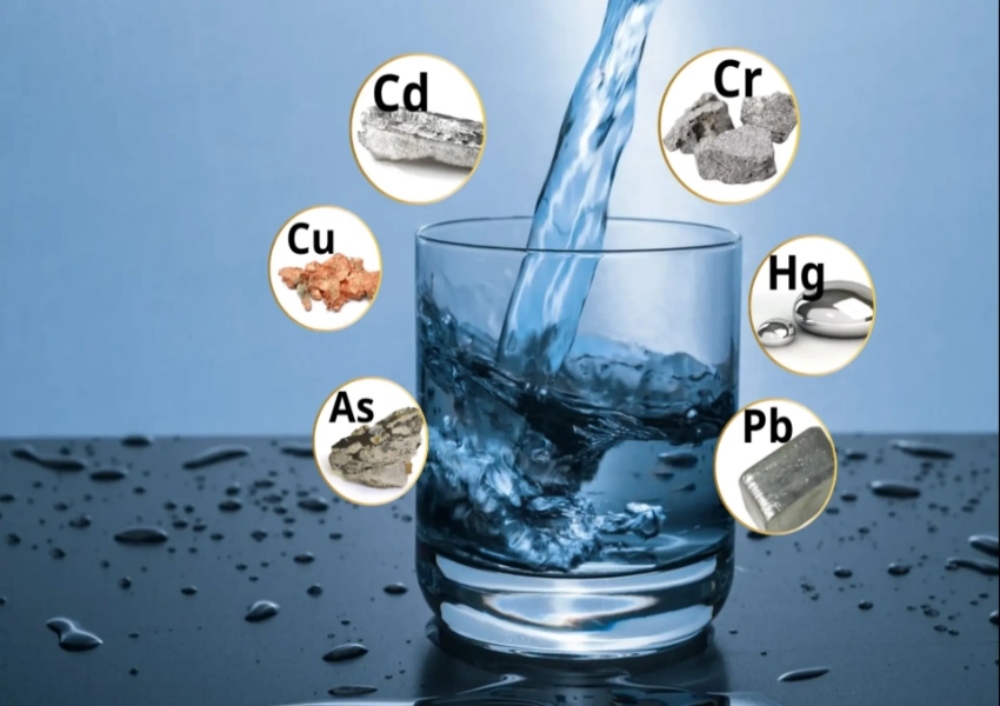
Um die Sicherheit des Trinkwassers zu gewährleisten, sind sorgfältige Schwermetallanalysen unerlässlich, da bereits geringe Mengen giftiger Substanzen schwerwiegende Gesundheitsprobleme verursachen können. Die Schwermetallanalyse im Wasser stellt sicher, dass alle Umwelt- und Gesundheitsvorschriften eingehalten werden, indem schädliche Stoffe wie Blei, Cadmium, Quecksilber und Arsen nachgewiesen werden. Diese können sich über Jahre anreichern und zu Nervenschäden, Nierenproblemen oder Herzerkrankungen führen. Präzise Tests sind entscheidend für die Einhaltung der Vorschriften und die Sicherstellung der Wasserqualität und gewährleisten so die gleichbleibende Datenqualität in jeder Testrunde.
Dieses Handbuch beschreibt Methoden der Atomabsorptionsspektroskopie zur Messung von Calcium, Kupfer, Lithium, Magnesium, Mangan, Kalium, Natrium, Strontium und Zink in Regenwasser, Süßwasser und Salzlösungen. Die Schritt-für-Schritt-Anleitungen bilden die Grundlage für die heutigen Schwermetallanalysen in Wasserlaboren weltweit.
Welche regulatorischen Anforderungen gelten für den Nachweis von Schwermetallen?
Organisationen wie die Weltgesundheitsorganisation (WHO), die US-Umweltschutzbehörde (EPA) und die Europäische Union (EU) legen Grenzwerte für Schwermetalle im Trinkwasser fest. Labore müssen geprüfte Methoden – hauptsächlich Atomabsorptionsspektrometrie (AAS) – anwenden, um diese internationalen Vorgaben zu erfüllen. Regelmäßige Anpassungen der Messeinrichtungen und die klare Verknüpfung mit den Normen sind entscheidend für verlässliche Daten und Ergebnisse, die den Anforderungen lokaler und globaler Aufsichtsbehörden entsprechen.
Wie funktioniert die Atomabsorptionsspektrometrie bei der Wasseranalyse?
Die Atomabsorptionsspektrometrie ist nach wie vor eine der besten Methoden zur Messung einzelner Metallionen in niedrigen Konzentrationen bei Wasseranalysen. Sie basiert auf einem einfachen, aber wirkungsvollen Prinzip: Lose Atome absorbieren Licht bestimmter Wellenlängen, die jedem Element zugeordnet sind.
Grundlagen der Atomabsorptionsspektrometrie für die Wasseranalyse
Seit über hundert Jahren beobachten Experten, dass Atome bestimmter Elemente aktiv werden, wenn sie in den gasförmigen Zustand übergehen und einer Flamme zugeführt werden. Beim Übergang zurück in den Grundzustand emittieren diese Atome Licht mit spezifischen Wellenlängen, das mit speziellen Messgeräten erfasst werden kann. Bei der Atomabsorptionsspektrometrie (AAS) werden die meisten Atome jedoch nicht aktiv; stattdessen absorbieren diese Grundatome Energie aus dem Lichtstrahl einer Hohlkathodenlampe, die aus dem jeweiligen Element besteht. Die absorbierte Energie korreliert exakt mit der Menge des betreffenden Metalls in der Probe.
Arten von Atomabsorptionsspektrophotometern
Flammen-AAS (FAAS)
Die Flammen-AAS wird häufig für die tägliche Schwermetallanalyse von Wasser eingesetzt, da sie kostengünstig und einfach anzuwenden ist. Bei diesem Verfahren wird eine Flüssigkeitsprobe in eine Flamme gesaugt, um sie in Atome zu zerlegen. Anschließend misst das Gerät, wie viel Licht diese losen Atome bei den für das jeweilige Element spezifischen Wellenlängen absorbieren.
Graphitofen-AAS (GFAAS)
Für die Detektion kleinster Spuren, bei denen höchste Messgenauigkeit entscheidend ist – beispielsweise im Milliardstelbereich –, ist die Graphitrohrofen-AAS besser geeignet. Die stufenweise Erhitzung reduziert Probleme mit Probenvermischung und verbessert die Detektion geringer Konzentrationen von Metallen wie Blei oder Cadmium.
Vorteile und Grenzen der AAS in der Schwermetallanalyse
Die Atomabsorptionsspektrometrie bietet eine gute Wahl, da sie nur geringe Lichtstreuungen zwischen den Elementen verursacht. Sie eignet sich jedoch am besten für die Analyse jeweils eines Elements, nicht für die gleichzeitige Untersuchung mehrerer Elemente. Bei schwierigen Proben wie Industrieabwasser oder stark salzhaltigen Abwässern können manuelle Anpassungen erforderlich sein.
Wie funktioniert die optische Emissionsspektrometrie mit induktiv gekoppeltem Plasma zur Erkennung von Metallen?
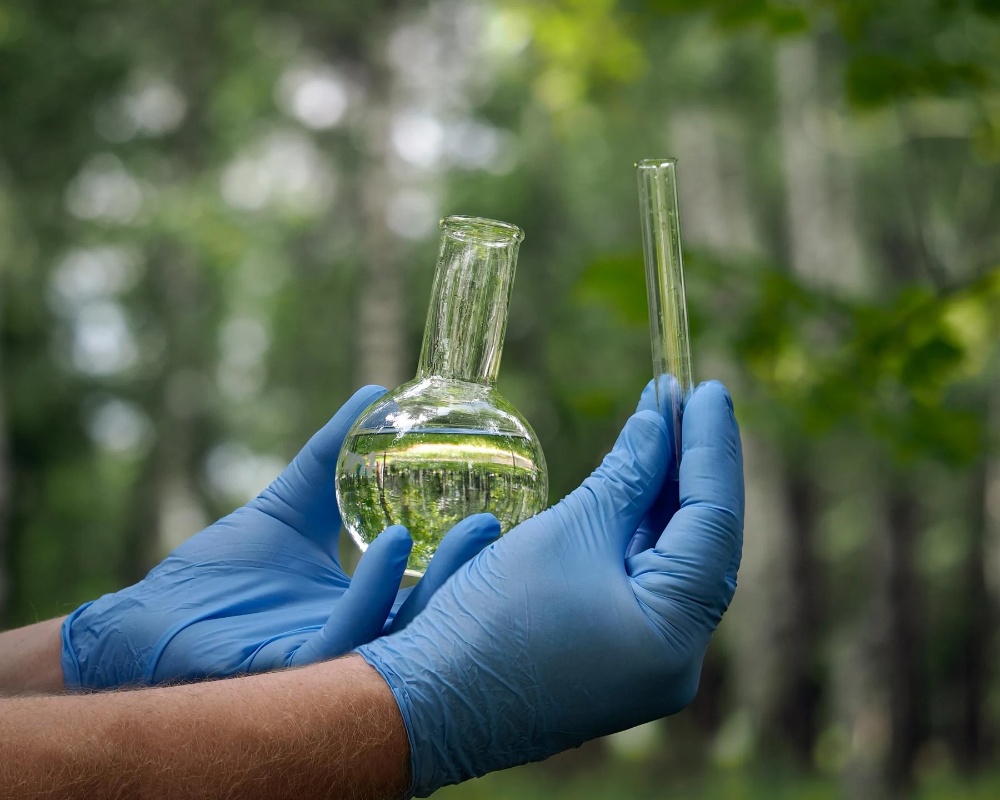
Obwohl die Atomabsorptionsspektrometrie (AAS) bei der exakten Bestimmung einzelner Elemente gut funktioniert, ermöglicht die optische Emissionsspektrometrie mit induktiv gekoppeltem Plasma (ICP-OES) eine schnelle Bestimmung vieler Elemente und ist daher ideal für umfangreiche Laborarbeiten.
Funktionsprinzip der ICP-OES bei der Schwermetalldetektion
Die ICP-OES nutzt einen Argon-Plasmabrenner, um Atome und Ionen in einem Probenspray zu ionisieren. Die so ionisierten Teilchen emittieren Licht mit für jedes Element spezifischen Wellenlängen, und Sensoren vergleichen die Lichtstärke mit der Elementmenge.
Wichtige Komponenten eines ICP-OES-Systems
Plasmaerzeugungsquelle
Argonplasma liefert die starke Aktivierungsenergie, die für eine stetige Atomspaltung und Ladungsänderung in Tests erforderlich ist.
Optisches System und Detektoren
Ein Lichtspaltgitter sortiert die vorgegebenen Wellenlängen, sodass Sensoren die Lichtstärke vieler Elemente gleichzeitig überprüfen können.
Stärken und Herausforderungen der ICP-OES bei der Wasseranalyse
Mit ICP-OES lassen sich viele Elemente – von kleinen Schadstoffen bis hin zu großen Ionen – in einem einzigen Messdurchgang präzise und reproduzierbar nachweisen. Im Gegensatz zur Atomabsorptionsspektrometrie für Wasseranalysen verursacht das Verfahren jedoch höhere Betriebskosten durch den Argonverbrauch und den aufwendigeren Aufbau.
Wie schneiden AAS und ICP-OES im Vergleich hinsichtlich ihrer analytischen Leistungsfähigkeit ab?
Diese beiden Methoden erfüllen unterschiedliche Testziele, die auf den Bedürfnissen des Labors basieren.
Vergleich der analytischen Leistungsfähigkeit
AAS liefert präzisere Ergebnisse für einzelne Metalle bei geringeren Kosten. ICP-OES hingegen beschleunigt die Analyse, indem es viele Metalle gleichzeitig und ohne Qualitätsverlust untersucht. Die Messgenauigkeit variiert je nach Gerätekonfiguration und Probenaufbau.
Überlegungen zur betrieblichen Effizienz und Wartung
AAS-Geräte benötigen weniger Übung, erfordern aber oft neue Setups für jedes zu prüfende Element. ICP-OES-Systeme hingegen erfordern zwar Fachkenntnisse, verkürzen aber die gesamte Testzeit für viele Schwermetalle erheblich.
Kosten-Nutzen-Analyse für Laboranwendungen
Für kleine Labore, die Wert auf einen günstigen Preis legen, ohne dabei Abstriche bei der Bildschärfe zu machen, sind Atomabsorptionsspektrometer eine gute Wahl. Große Messfelder mit hohem Probenaufkommen profitieren von der Schnelligkeit der ICP-OES, trotz der höheren Anschaffungskosten.
Welche Kriterien sollten die Auswahl von Instrumenten für die Schwermetallanalyse leiten?
Die Wahl zwischen Atomabsorptionsspektrometrie und ICP-OES für Wasseranalysen hängt von Probenfluss, Anforderungen, Messgrenzen und Budget ab.

Faktoren, die die Methodenwahl beeinflussen
Anforderungen an den Probendurchsatz
Labore mit einem hohen täglichen Probenaufkommen bevorzugen in der Regel die schnelle ICP-OES-Analyse gegenüber der Einzelanalyse mittels AAS.
Anforderungen an die Nachweisgrenze
Wenn ultrafeine Sensoren benötigt werden – beispielsweise in Trinkwasseraufbereitungsanlagen – eignet sich Graphitofen-AAS mit seinen niedrigeren Messpunkten besser.
Budgetbeschränkungen
Atomabsorptionsspektrophotometersysteme bieten ein gutes Preis-Leistungs-Verhältnis für Einrichtungen, die zwischen Genauigkeit und Kosteneffizienz abwägen müssen.
Wer ist PERSEE – und warum empfehlen wir unsere Instrumente?
Bei PerseeWir konzentrieren uns auf die Entwicklung hochentwickelter Analysegeräte, die Laboren weltweit die Schwermetallanalyse von Wasserproben mithilfe modernster Atomabsorptionsspektrometrie ermöglichen. Unser Know-how geht weit über die Herstellung und das Mischen von Lichtstabilisierung, präziser Flammensteuerung und benutzerfreundlichen Softwareoberflächen für professionelle Laboranwendungen hinaus.
Unsere wichtigsten Modelle – wie A3f, A3g, A3afgund AA990fSie zeugen von jahrelanger Erfahrung mit naturwissenschaftlichen Methoden, wie sie beispielsweise in geologischen Bestimmungshandbüchern zur Analyse von Kalzium, Kupfer und Lithium in Niederschlägen, Süßwasser und Salzlösungen beschrieben werden. Jede dieser Methoden vereint eine solide Konstruktion mit optimaler Lichtanpassung für zuverlässiges Arbeiten, selbst unter den anspruchsvollen Bedingungen von Umweltlaboren.
Durch die Verknüpfung unserer Technologie mit weltbekannten Testregeln, wie beispielsweise denen von Fishman & Downs (1966), erzielen wir mit unseren Werkzeugen reproduzierbare Ergebnisse. Dies ist der Schlüssel für regelbasierte Bereiche, die auf eine nachhaltige Wasserqualitätssicherung abzielen.
Abschluss
Die korrekte Bestimmung von Schwermetallen schützt die öffentliche Gesundheit und sichert das Vertrauen in den Welthandel. Sowohl die Atomabsorptionsspektrometrie (AAS) als auch die ICP-OES liefern zuverlässige Ergebnisse, abhängig vom jeweiligen Arbeitsumfang: AAS ist unverzichtbar, wenn es auf Kosteneffizienz und Präzision ankommt; ICP-OES ist die beste Wahl, wenn es auf Schnelligkeit und unterschiedliche Anforderungen ankommt. Bei PERSEE entwickeln wir unsere Technologie und Labore kontinuierlich weiter und gewährleisten eine lückenlose Qualitätskontrolle vom Probenentnahme- bis zum Freigabeprozess – damit jede Analyse wissenschaftlich fundiert ist. Weitere Informationen zu unseren Analysemethoden und Links zu unserem technischen Team finden Sie hier: Kontaktieren Sie uns.
FAQ (häufig gestellte Fragen)
Frage 1: Was sind die Hauptunterschiede zwischen Atomabsorptionsspektrometrie (AAS) und ICP-OES?
A1: AAS zählt einzelne Elemente aus dem Licht, das von den Basisatomen aufgenommen wird, während ICP-OES das von plasmaaktivierten Bits ausgesendete Licht auf die Erkennung vieler Elemente über große Veränderungsbereiche überprüft.
Frage 2: Wann sollten Labore ein Atomabsorptionsspektrophotometer anstelle eines ICP-OES-Systems wählen?
A2: Ein Atomabsorptionsspektrophotometer eignet sich am besten für einige Metalle bei niedrigen Konzentrationen oder wenn Kostengründe den Einsatz teurer Geräte erschweren, ohne die Zuverlässigkeit der Untersuchung zu beeinträchtigen.
Frage 3: Wie unterstützt PERSEE Labore, die Schwermetallanalysen im Wasser durchführen?
A3: Wir bieten leistungsstarke Atomabsorptionsspektrometer für präzise Zählaufgaben, unterstützt durch weltweite Service-Netzwerke, stetige neue Arbeitspläne und unkomplizierte technische Hilfe für langfristiges Vertrauen in der Arbeit an verschiedenen Untersuchungsstandorten.