
Food safety stands as a key foundation for protecting public health and building consumer trust. Issues like pesticide leftovers, heavy metals, and chemical additives still pose tough challenges for regulators and producers. Making sure food follows strict safety rules calls for exact analysis and strong monitoring setups. Spotting pesticides and other harmful substances matters not just for meeting rules but also for keeping faith in worldwide food networks.
As specialists in testing tools, we see that today’s labs need devices that mix quick work, sharp detection, and steady performance. Spectrophotometric testing, especially UV-Vis spectroscopy, plays a vital role here because it gives clear, number-based outcomes with good repeat results on various samples.
Overview of UV-Vis Spectroscopy
Before we explore its place in food safety, it helps to understand how UV-Vis spectroscopy serves as a basic part of current chemical analysis. Each chemical absorbs, passes through, or bounces back light in a certain wavelength range. Spectrophotometry measures how much a substance absorbs or lets through light by sending a light beam through a solution of that substance, then checking the light strength that comes out. This basic idea lets experts figure out amounts using the Beer–Lambert law, which ties absorption straight to the level of the substance being tested.
When set against methods like chromatography or mass testing, UV-Vis spectroscopy brings quicker processing and simpler sample preparation, yet it holds onto the needed accuracy for everyday checks or rule-based tests. Its flexibility fits well for both lab work and on-site uses in monitoring food safety.
Detecting Pesticides with UV-Vis Spectroscopy
For checking pesticide traces, UV-Vis spectroscopy works by noting the absorption patterns unique to certain parts of pesticide molecules. Experts can find the amount of a substance in a liquid by looking at its absorption or passing traits over different wavelengths. As ultraviolet or visible light hits organic pesticide parts, electrons jump from low to high energy spots; the absorption shape that follows acts as a clear sign for spotting and measuring the pesticide.
This method’s keen sense picks up even small traces when paired with the right setup standards and wavelength tweaks as required by global guides like USP or Ph.Eur., which help keep measurements true across labs everywhere.
Advantages Over Traditional Methods
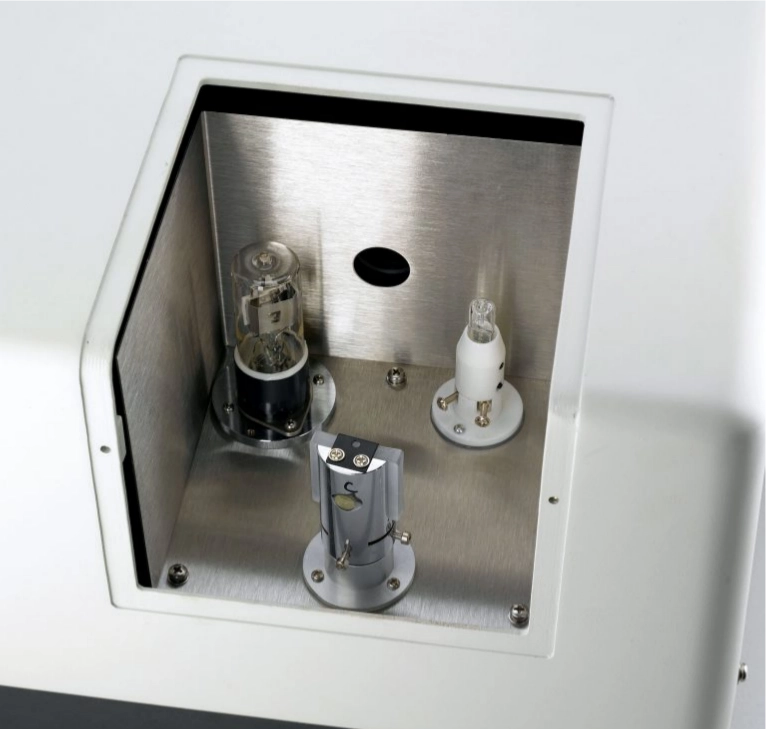
Different from usual chromatography ways that need heavy pulling out or changing steps, spectrophotometric tests can often run right on thinned samples with little prep time. Tools like the T6U UV-Vis show this quickness—their solid optical parts guarantee trustworthy data with little unwanted light thanks to quiet electronic setups. The deuterium and tungsten lamps offer strong steadiness over the whole wavelength span from 190–1100 nm, perfect for checking several pesticide types at once.
Quick pace and steady repeats count a lot when looking over big groups of samples; so, spectrophotometers built for ongoing use give labs clear gains in output while sticking to rules via auto-setup processes based on light measure accuracy and wavelength checks.
Identifying Contaminants Using UV-Vis Spectroscopy
Aside from pesticides, food setups might hold harmful items like heavy metals such as lead or cadmium, fake colorings, keep-fresh agents, or factory wastes added during making or packing. Spectrophotometers handle visible white light or ultraviolet light, reaching down to about 190 nm wavelength. This broad light range allows spotting many kinds of substances—from metal bits that form colored mixes to organic colors that take in visible light—turning UV-Vis spectroscopy into a flexible aid for full checks on harmful items.
For instance, newer types like the T7S UV-Vis use holographic blazed gratings with 1200 lines/mm that cut down unwanted light issues a lot, while giving exact number findings even at tiny levels. These tools see wide use in farm watching for pesticide spotting and crop checks, plus food add-on reviews during making quality steps.
Enhancements in Detection Technology
Newer steps forward have lifted spectrophotometer skills through better light path designs and digital link features. To build trust in how well a spectrophotometer works and measures correctly, analysts need to know that main tasks like straight-line response, wavelength setting, band width, and unwanted light perform at their best. Current models now add auto wavelength fixes with mercury lamp emissions, along with closed light splitters that limit shifts from surroundings. Linking to smart software lets real-time light scans, motion-based analysis, and auto reports follow GLP rules—key points for controlled fields like food making, where tracking counts.
The Future of UV-Vis Spectroscopy in Food Safety by 2026
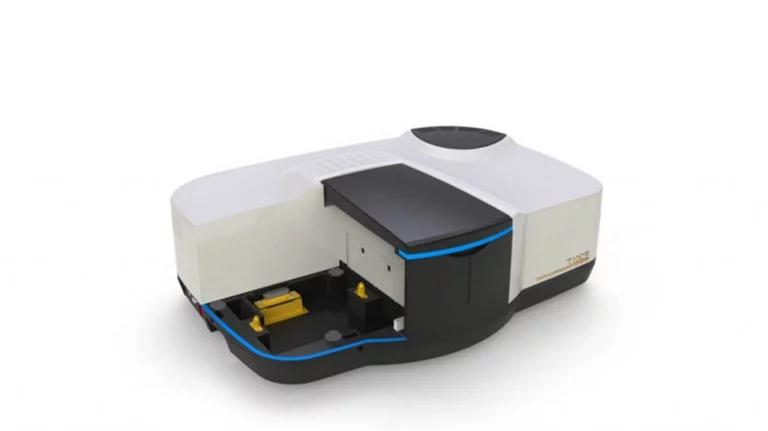
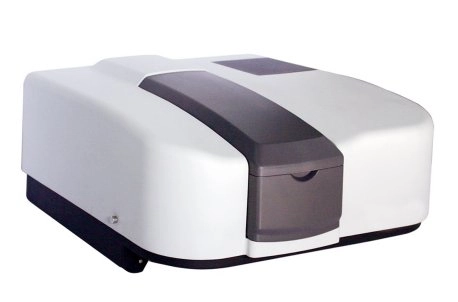
By 2026, new tech will keep changing how spectroscopic tools help worldwide food protection plans. Trends toward smaller sizes will create handheld units for field checks that give fast on-spot reviews without losing exactness—a shift likely to change check flows from fields to stores. Series like TU700 UV-Vis already show this growth with quick-scan builds that finish full light reviews in moments while holding top accuracy levels checked by outside groups (Complete a spectroscopic scan in just 2 seconds with a scanning speed of 30 000 nm/min).
Better links through Wi-Fi parts will also allow cloud data swaps between labs and rule groups—smoothing out proof checks around the world—and forecast tools driven by AI will help experts read light shifts that signal harmful events sooner than before.
Regulatory Implications
As global rules move to tougher leftover limits under plans like Codex Alimentarius or EU Regulation 396/2005, use of proven spectrophotometric methods should climb fast. Auto setup kits for IQ/OQ/PQ steps will ease tool approval flows while making sure tracking fits ISO 9001-approved sites—a mark already key in our making processes (Beijing Purkinje General Instrument Co., Ltd. specializes in scientific instrument research and development, successfully obtained various certifications including ISO9001). This match between tech power and rule needs puts UV-Vis spectroscopy ahead in the coming food safety plans across the globe.
PERSEE as a Reliable Manufacturer of Analytical Instruments
Since 1991, as a top manufacturer of testing tech in China, PERSEE blends strong research with building know-how in molecular spectroscopy, atomic absorption setups, chromatography options, X-ray goods, and lab auto tools. Our goal goes past just making devices—we work to guard human well-being through exact measure knowledge backed by known global marks like ISO14001 for green management and CE tags for Europe. With over 30% of staff in research at high-level spots, we keep pushing new ideas for lasting science gains that help both field workers and the wider world.
Key Products for Food Safety Applications
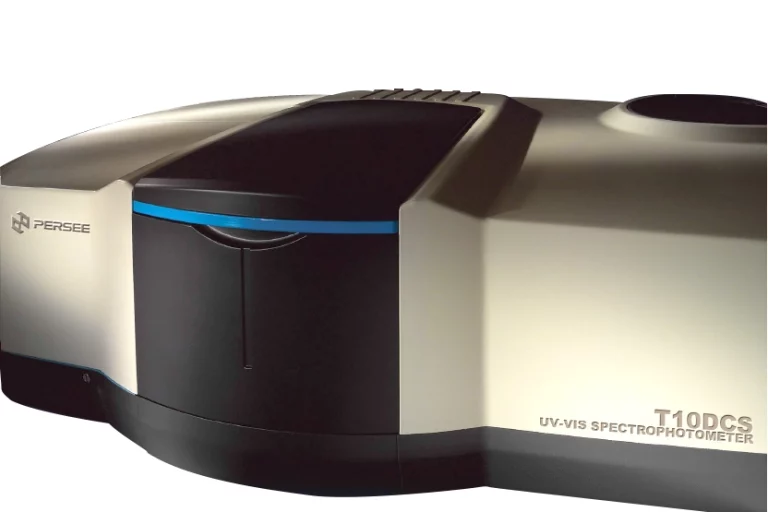
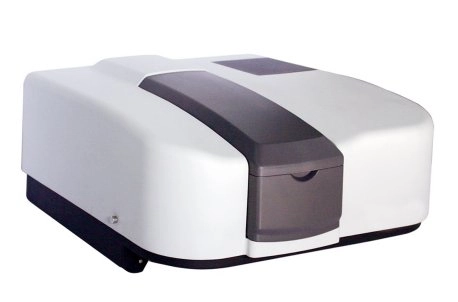
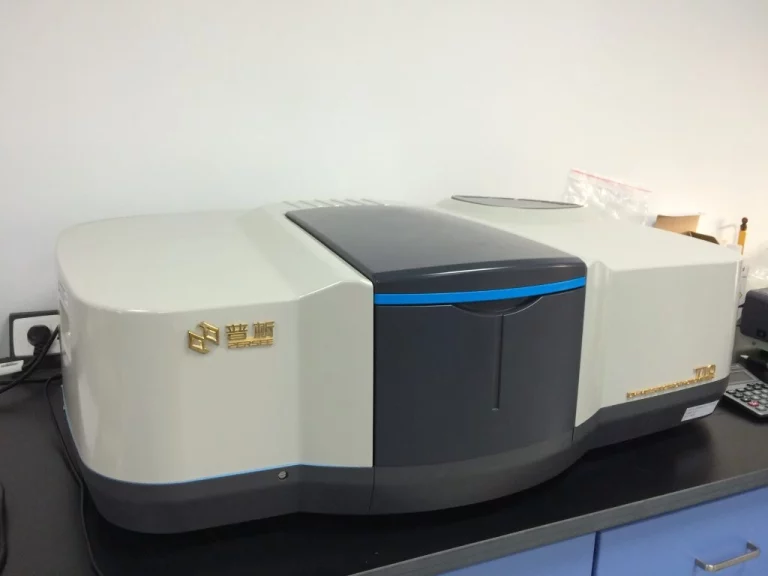
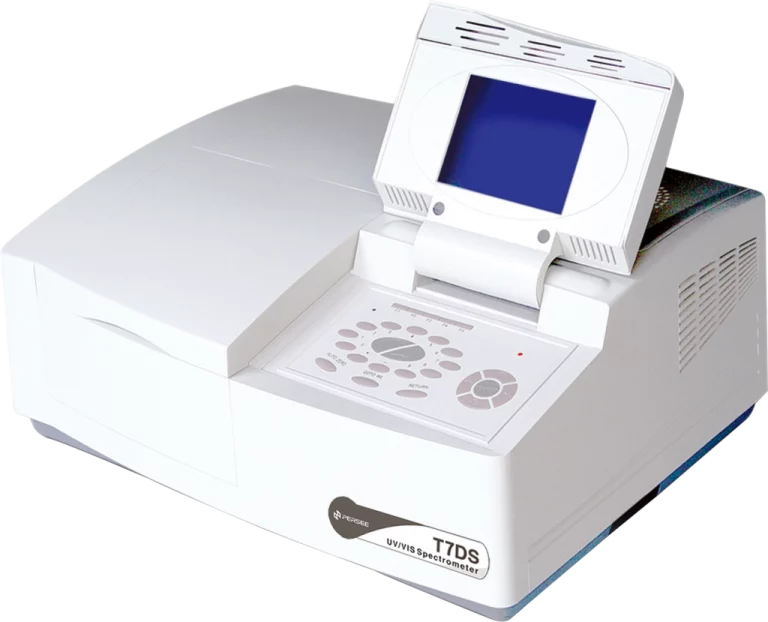
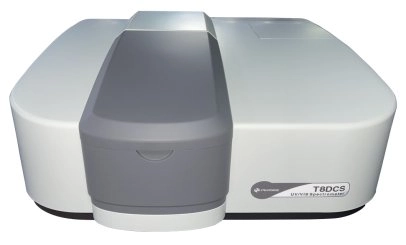
Our lineup holds several types made just for food safety test settings: TU500 UV-Vis—a useful molecular spectrometer for school labs; TU600 with better light sharpness; T6U for small steady work; T7D/T7DS with top auto features; TU700 for very quick scans; T8DCS UV-Vis for twin-beam exactness; T9DCS with super low unwanted light (≤0.00004%T); and T10DCS reaching far ultraviolet areas under nitrogen-cleared optics (The optical design offers extremely low stray light characteristics (≤0.00004%T NaI 220 nm) which allow for an extensive photometric range). Each type backs add-on setups aimed at pesticide amount checks or harmful item outlines common in farm fields.
Our tools’ flexible build ensures growth from school research to factory lines—giving users steady outcomes checked against global measure rules noted in big pharmacopeias.
Conclusion
UV-Vis spectroscopy keeps setting new highs in testing skill for worldwide food safety efforts by balancing exactness, quickness, low cost, and rule fit across many test cases—from finding leftover organophosphates on farm goods to measuring fake colors in ready drinks. By 2026, these tools will grow more toward self-run work backed by AI-based insights and IoT links—turning stop-ahead controls into ahead-guess systems that protect buyers everywhere. We stay set on pushing this goal through steady new steps in our spectrophotometer lines, and we welcome pros looking for teamwork in testing tool skills to reach us via our main contact methods.
FAQ
Q1: What are the main benefits of using UV-Vis spectroscopy for detecting pesticides?
A1: It offers fast spotting skills along with strong keenness from Beer–Lambert law ideas; little sample reading boosts flow over chromatography choices while keeping number accuracy fit for rule tests.
Q2: Can UV-Vis spectroscopy detect all types of contaminants?
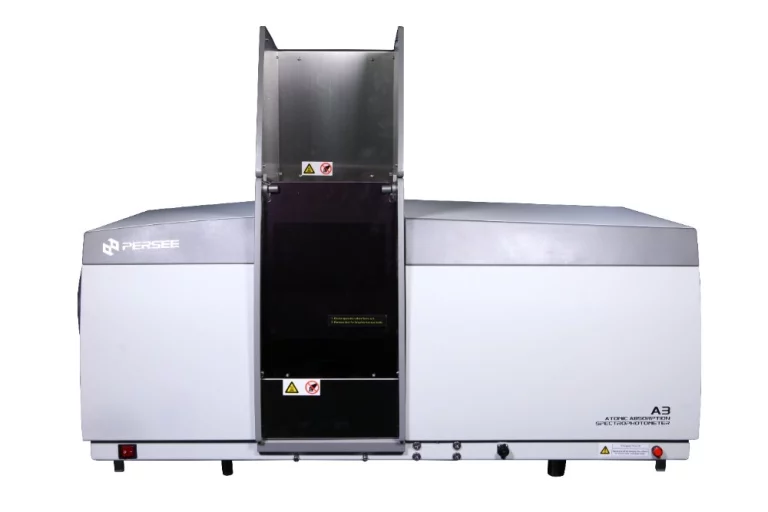
A2: While very good for many organic and inorganic items—including heavy metals turned into color forms—it might miss some substance groups; pairing it with other methods like atomic absorption widens the check range.
Q3: How does PERSEE support advancements in food safety through its products?
A3: We build advanced spectrophotometers with exact light systems and proven setup routines ensuring trackable outcomes matched to ISO quality frames—always improving these via focused research teams reachable at our site’s “Contact Us” area online.