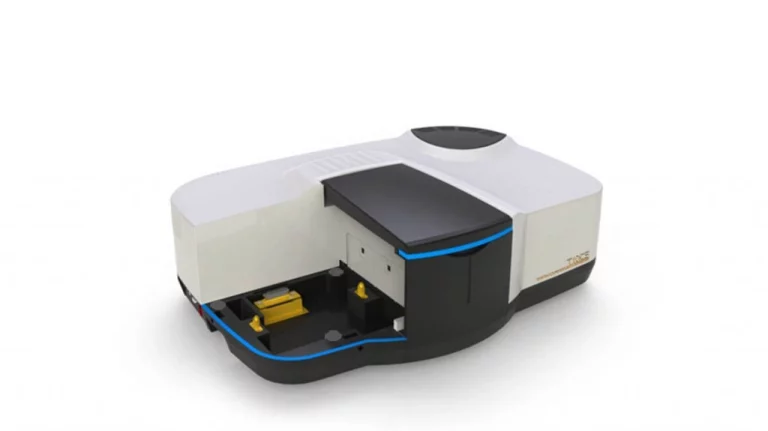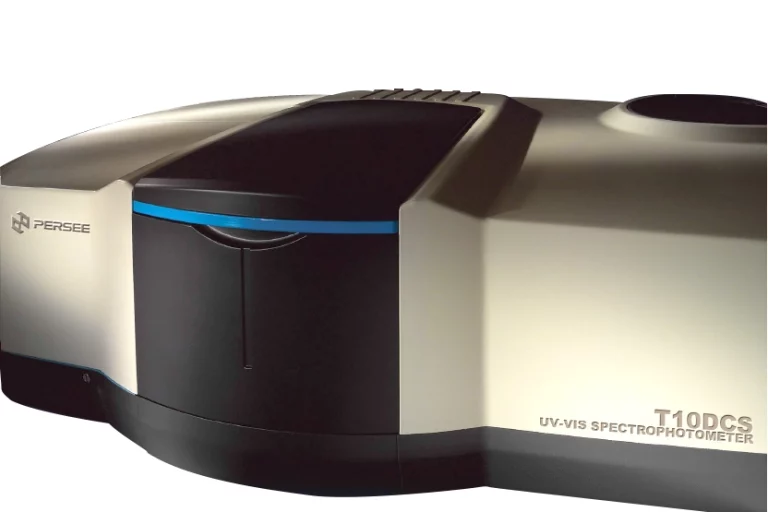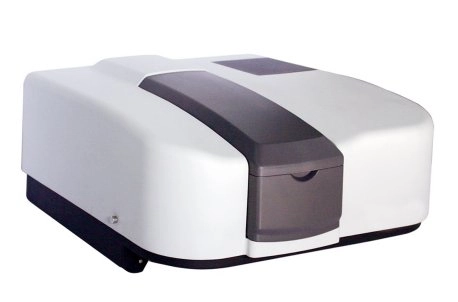
UV-Vis spectroscopy stands as a key analytical method commonly used in pharmaceutical development and quality control. This measurement relies on the Beer-Lambert Law. That law explains how absorption links directly to concentration in a straight-line way. As noted in various sources, “The amount of light absorbed by a sample at any particular wavelength is directly related to the concentration of a sample. They do this by applying the law in everyday lab work. Furthermore, UV-Vis spectrophotometers work well in busy settings. There, they handle many samples quickly with the aid of automatic sample handlers. Tools with good photometric accuracy and a broad wavelength coverage, like double beam types, fit perfectly for tests that must meet strict rules in the pharmaceutical field. These instruments ensure reliable results time after time.
Additionally, these spectrophotometers boost efficiency in high-volume labs. They allow for fast processing without losing detail. In turn, this supports overall productivity in quality checks.
How Does UV-Vis Spectroscopy Help Monitor Drug Stability?
UV-Vis spectroscopy gives clear views into issues like light-induced breakdown and chemical changes. It does this by spotting shifts or drops in the absorption patterns. Such alterations point to molecular damage or changes in structure. “Spectrophotometers detect changes in absorbance profiles over time,” and this plays a big role in studies on formulations and shelf life. Agencies like USP and Ph. Eur. demand proof that these checks are valid. They want confirmation of drug stability under different conditions, such as heat or light exposure. Therefore, researchers use UV-Vis to follow these processes closely. This approach helps predict how long products remain safe and potent. In the end, it protects patients and meets legal standards.
Can UV-Vis Spectroscopy Ensure Environmental Safety?
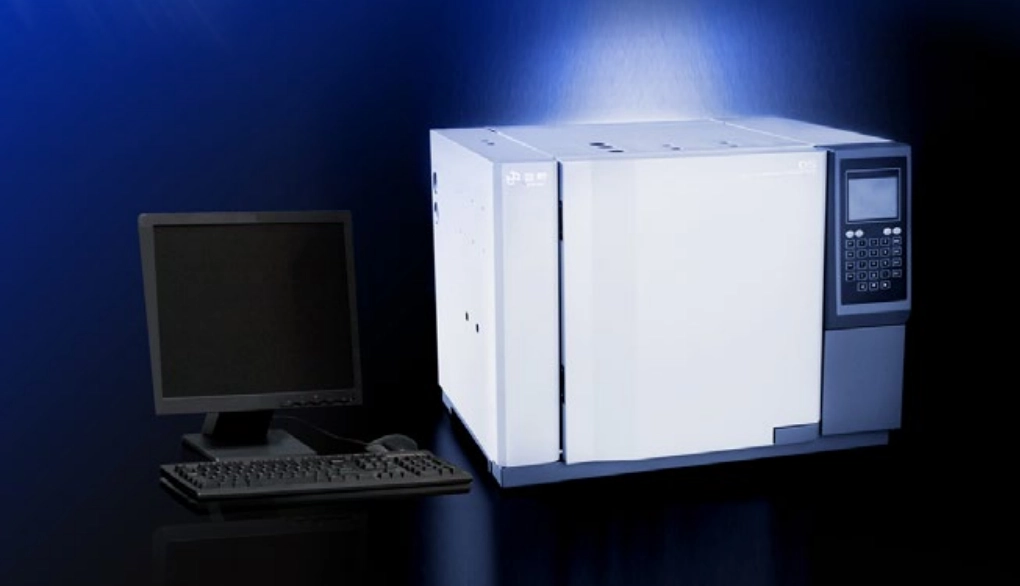
UV-Vis spectroscopy serves as a standard tool to find these harmful items in both outdoor and indoor tests. Analysts scan light absorption at key wavelengths to spot and measure the pollutants right away. “Spectrophotometry is a method to measure how much a chemical substance absorbs or transmits light by passing a beam of light through a solution of the substance of interest.” When combined with other devices like the G5 GC, which has a flexible setup and sensitive detectors, UV-Vis adds value to efforts in watching the environment. These combined methods help follow the rules set by authorities.
What About Industrial Waste and Organic Pollutants?
Factories often release waste with colored liquids that include aromatic materials and man-made dyes. These show clear absorption in the UV range. Spectrophotometric checks allow for assessment before release. This helps businesses stick to environmental guidelines. Ongoing watches help with green practices. They quickly highlight unusual outflows.
How Does UV-Vis Spectroscopy Benefit Food and Beverage Safety?
In making food, items like colorants, preservatives, and extras need careful control to follow safety rules. UV-Vis spectroscopy shines at picking out these based on their distinct spectral signatures. “Every chemical compound absorbs, transmits, or reflects light over a specific range of wavelengths.” This one-of-a-kind pattern lets experts tell apart allowed from forbidden items. Routine checks with spectrophotometers also keep batches uniform. They confirm color strength and levels of additives.
How Is Antioxidant Activity or Nutrient Content Measured?
Substances that fight oxidation, such as phenolics, along with vitamins A, C, and E, absorb light in set UV-visible areas. Their amounts get measured fast via UV-Vis techniques. This gives useful info on nutrition, how long products last, and ways they break down. The method works for fresh materials and finished goods. It fits into quality routines easily. Plus, it helps in labeling claims that match real content.
Why Is UV-Vis Spectroscopy Vital in Chemical Manufacturing?
Chemists in processes depend on UV-Vis tools to follow how reactions progress during the making of compounds. They measure shifts in absorption as time passes. This tracks how starting materials decrease or end products build up. “Real-time absorbance measurements track reactant consumption or product formation.” These details let experts fine-tune factors like heat or acidity for the best results. Such steps improve consistency and cut down on leftover materials through smart control. Moreover, integrating UV-Vis into setups saves time and resources. It allows adjustments on the fly, leading to higher efficiency in large-scale operations.
Is It Useful for Dye and Pigment Production?
Analysis of color plays a core part in fields such as making paints, inks, or fabrics. Capturing spectral info for every run ensures even color across items. Makers can adjust recipes if something’s off. This proves key when growing production or getting approvals for coatings in the industry. It also aids in matching customer specs precisely. As a result, satisfaction rises, and waste from mismatches drops significantly.
What Are the Research Applications in Life Sciences?
Amino acids with rings, such as tryptophan and tyrosine, absorb light at 280 nm. This makes UV absorption a solid way to gauge protein levels. The technique avoids harm to samples and blends into steps like column separation or gel runs. It offers quick results without needing tags or tricky supplies. Researchers gain fast input this way. In busy labs, this speeds up experiments and cuts costs.
How Is Nucleic Acid Purity Evaluated?
Absorption at these points shows nucleic acid amounts versus proteins. A value around 1.8–2.0 usually means clean nucleic acids. This matters for next steps like PCR or gene reading. Accurate purity checks prevent failures in those processes. They ensure reliable outcomes in genetic research. Thus, UV-Vis becomes a go-to for quality in biotech work.
Why Choose PERSEE for Spectroscopic Instrumentation?
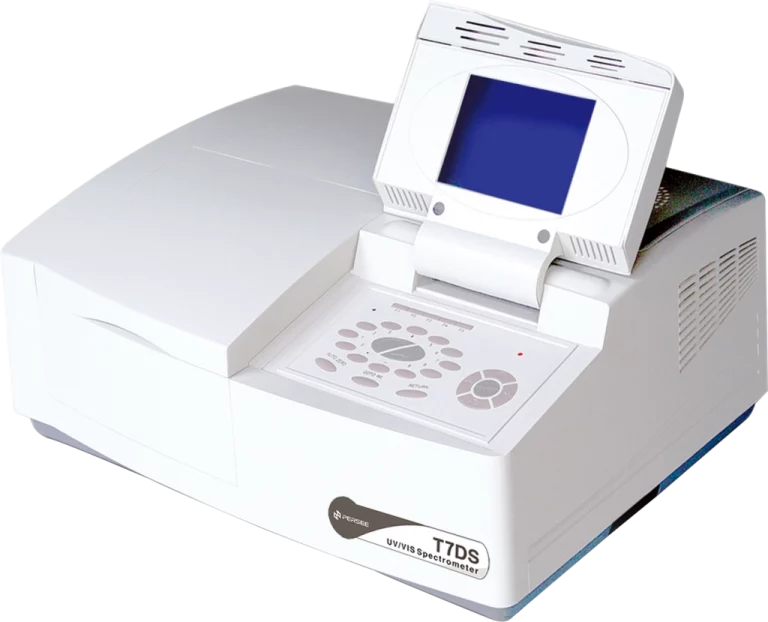
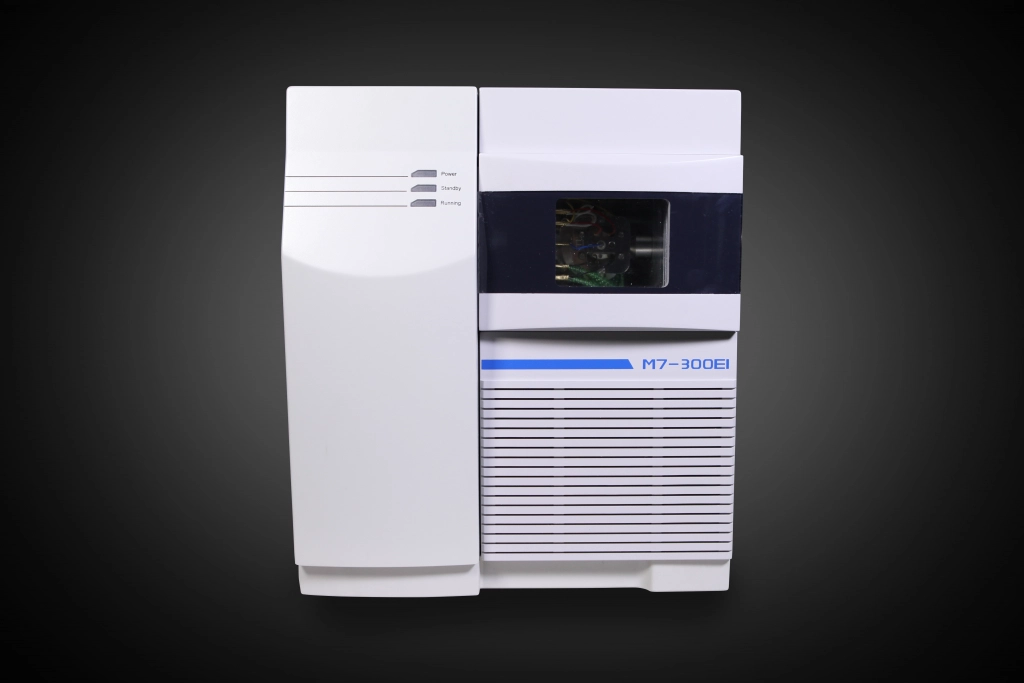
Started in 1991 with a focus on new ideas, PERSEE has become a top name worldwide in building scientific tools. Holding ISO9001 and CE approvals, along with a name for strong design, PERSEE delivers dependable options in areas like pharmaceuticals, environment, food safety, and life sciences. Their spectrophotometers earn trust globally due to top-level accuracy checks and quick scanning features. Take the T7D UV-Vis spectrophotometer, for example. It uses a dual-beam light path with exact photometric work, perfect for detailed measurements in controlled settings. On top of that, tools like the M7 Single Quadrupole GC-MS improve spotting compounds with advanced mass tech. Worldwide help includes training sessions, upkeep plans, and far-off troubleshooting. All this gives users ongoing benefits in their testing routines.
What Are the Key Takeaways for Industry Professionals?
From drug making to oil chemicals, UV-Vis spectroscopy forms the base for vital lab tasks. It allows for the sure spotting and counting of materials. This gives quality groups useful facts while aiding research with solid proof. In diverse fields, it handles everything from routine checks to complex probes.
What Technological Features Improve Productivity?
Today’s setups include fast scans over 1000 nm per minute, smart auto features like moving cell holders, and 3D views of spectra via linked programs. These advances make daily tasks easier. They boost accuracy and record-keeping under rules like GLP/GMP. Teams work faster without errors, leading to better output overall.
Why Does Instrument Reliability Matter?
In fields with strict oversight where data truth counts most, steady tool performance keeps workflows smooth. Top systems checked against NIST-linked benchmarks cut shifts and doubts in readings. This guards product standards and rule-following. Reliable gear means fewer breakdowns and more focus on goals. It builds confidence in results for critical decisions.
FAQ
Q1: What’s the benefit of using a double–beam spectrophotometer?
A1: A double-beam spectrophotometer simultaneously measures sample and reference beams, reducing baseline drift and improving measurement stability—especially useful for long-term monitoring or kinetic studies.
Q2: Can solid samples be analyzed using UV-Vis spectroscopy?
A2: Yes, with appropriate accessories such as integrating spheres or diffuse reflectance attachments, solid samples like powders or films can be analyzed effectively using UV-Vis spectrophotometers.
Q3: How does PERSEE ensure high accuracy in its spectrophotometers?
A3: PERSEE employs rigorous calibration protocols during manufacturing, provides validation tools like certified reference materials (CRMs), and offers ongoing technical support to maintain instrument performance over time.