UCMR 6 is still in the proposed-rule stage, but water testing labs do not have to wait for the final rule to begin the hard work. The proposed sixth Unregulated Contaminant Monitoring Rule points toward a 2027-2031 cycle, with sample collection proposed for 2028 through 2030. The monitoring target is not a small routine add-on. EPA’s proposal covers 30 chemical contaminants, including ultrashort organofluorine compounds, pesticides, pesticide metabolites, industrial solvents, and chemical intermediates.
For UCMR 6 water testing labs, the important preparation is not buying equipment in a rush. The practical job is to check method scope, approval timing, quality systems, reporting capacity, and the surrounding water testing laboratory equipment that supports daily work. Labs that already serve public water systems should treat 2027 as a preparation year, because early sample arrangements, proficiency testing, and application files can shape who is ready when monitoring begins.
Start With the Proposed EPA Timeline
EPA’s UCMR program collects occurrence data for contaminants that may be present in drinking water but are not yet subject to national drinking water regulations. The UCMR 6 proposal was published on July 1, 2026, and EPA’s UCMR page lists the sixth cycle as UCMR 6 (2027-2031). As proposed, public water systems would monitor for the 30 contaminants during a 12 months period from January 2028 through December 2030. That gives laboratories a runway, but it is not a long one once procurement, validation, staff training, and approval paperwork are included.
The rule is proposed, so final contaminant lists, method language, deadlines, and reporting details must be checked against EPA’s final documents. Still, drinking water contaminant monitoring has a predictable pattern: laboratories need method capability, enough capacity, careful sample logistics, clean data packages, and staff who can respond when a public water system asks for a schedule that cannot slip. For UCMR 6 water testing labs, that means early decisions about people, instruments, standards, and data review are already useful.
Laboratory Approval Is a Method-by-Method Exercise
EPA’s laboratory approval program is one of the clearest preparation signals. Laboratories that want to analyze UCMR 6 samples are encouraged to apply for method-specific approval as early as possible. The program covers equipment, laboratory performance, and data reporting. It also requires registration, application materials, proficiency testing, and written EPA approval after the rule is finalized.
The application package is not just a formality. EPA describes materials such as initial demonstration of capability data, precision and accuracy records, minimum reporting level studies, method-specific SOPs, proof of drinking water laboratory certification for selected compliance methods, and example chromatograms. A lab that discovers missing chromatograms, weak MRL evidence, or poorly written SOPs near the deadline will have little room to recover.
Build the Approval File Early
A practical UCMR 6 laboratory preparation file should contain method versions, instrument configurations, columns, consumables, calibration details, sample preservation notes, extraction or concentration procedures, analyst training records, maintenance logs, and data review rules. The file should also identify which parts of the workflow are already covered by accreditation or state certification and which parts still depend on UCMR-specific EPA approval. Good unregulated contaminant testing records make the final application less rushed.
Check Method Families Against Real Capacity
EPA’s proposed contaminant table links different analytes to EPA methods such as 524.3 enhanced sensitivity, 525.3, 540, and 563. That mix immediately raises capacity questions. Volatile solvents and some chemical intermediates do not stress the same workflow as pesticide metabolites or ultrashort organofluorine compounds. A lab should look at extraction time, instrument time, data review, standard preparation, solvent use, sample storage, and waste handling before promising a monthly sample volume.
Unregulated contaminant testing often becomes a scheduling problem before it becomes a science problem. Samples arrive from public water systems with fixed holding times and paperwork. One delayed instrument, one missing standard, or one analyst absence can push a batch into trouble. Labs should build a calendar that includes proficiency testing, final-method updates, public water system onboarding, sample kit preparation, shipping windows, and review time before electronic reporting.
Equipment Choices Need a Clear Boundary
For direct UCMR 6 compliance analysis, labs must follow the EPA final rule, approved analytical methods, and approval terms. That boundary should be stated clearly in purchasing discussions. At the same time, a water laboratory rarely owns instruments for one program only. Routine water quality, trace elements, organic contaminant screening, method development, and training work all sit around the UCMR workload.
Trace Elements Remain a Core Water Lab Need
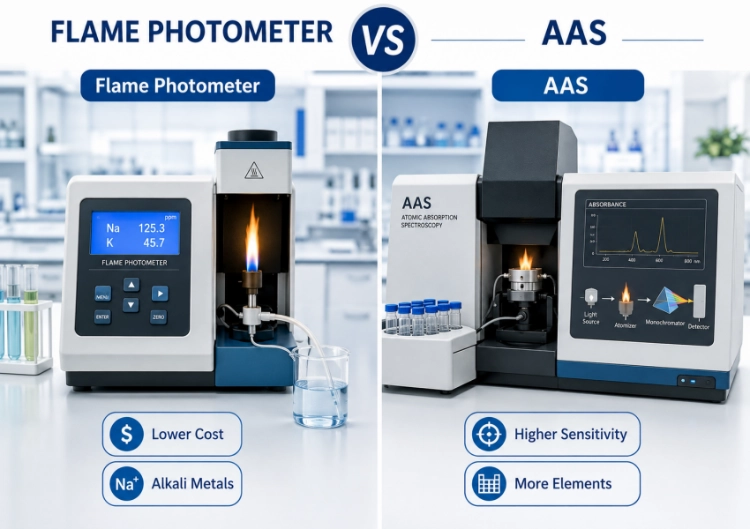
The A3G graphite furnace AAS is a relevant option when a lab needs trace-element capability for water and related matrices. Its graphite furnace atomization, computer operation, safety protection, and universal autosampler options are useful for routine element methods where AAS is the selected technique. PERSEE application material includes lead in drinking water and surface water by graphite furnace atomic absorption, as well as food and environmental trace-element work. That makes A3G a supporting purchase for broader water chemistry, not an automatic answer to every UCMR 6 method.
Organic Contaminants Need Chromatography Discipline
Many proposed UCMR 6 analytes sit in the organic contaminant world, where sample introduction, column choice, detector condition, calibration range, and low-level blank control decide whether the data package survives review. The M7 GC-MS supports routine and research applications in food safety, environmental protection, material chemistry, medicine, and other fields. For water labs, M7 GC-MS can be discussed as part of the broader volatile and semi-volatile organic testing bench. At the same time, EPA method details still determine final suitability for any regulated UCMR 6 work.
Reporting Workload Can Be the Hidden Bottleneck
EPA’s approval page notes electronic data reporting through CDX and SDWARS 6, with quality control data tied to method criteria. As proposed, laboratories would post sample data and required QC data within 90 days of the sample collection date. That is not just an IT task. It affects naming conventions, chromatogram review, audit trails, qualifiers, batch narratives, corrective actions, and who signs off before submission.
A lab should test its report flow before real samples arrive. Pull one historical water batch and build a mock UCMR-style file: sample receipt, preparation, calibration, QC, raw data, chromatograms, review notes, final report, and electronic submission fields. The exercise usually exposes small problems, such as inconsistent sample IDs, missing analyst initials, scattered instrument logs, or file names that make sense only to one person.
Keep Supporting Water Tests Stable During UCMR Work
UCMR work can drain attention from routine water testing. Public water systems still need established methods for metals, nutrients, general chemistry, organics, and other surveillance. A lab taking on new unregulated contaminant testing should protect its regular turnaround times by separating method development time from production time and by keeping backup plans for critical instruments.
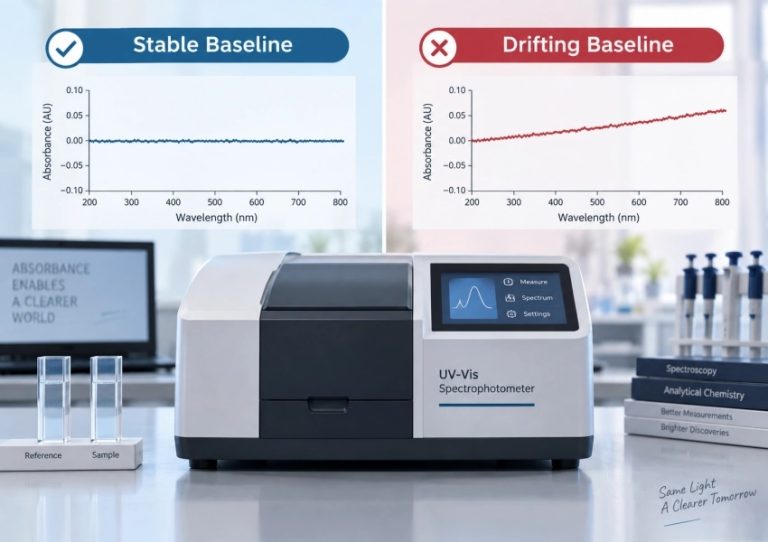
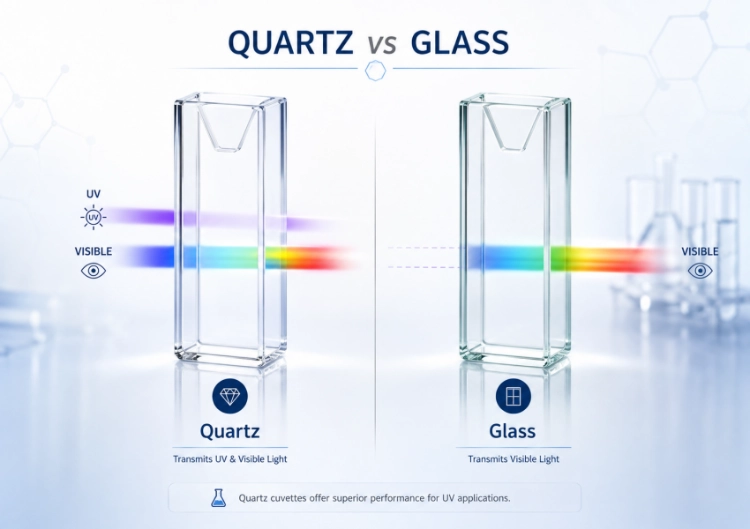
UV-Vis remains one of the everyday tools in many water laboratories. The T8DCS spectrophotometer supports double-beam photometric work, spectral scanning, quantitative analysis, kinetic work, and UV-Win software functions. PERSEE product material links UV-Vis use to environmental water quality, food and beverage quality control, agriculture, and scientific research. PERSEE also gives buyers a route to compare molecular spectroscopy, atomic spectroscopy, and chromatography options when a water lab is planning a wider bench upgrade around the coming UCMR cycle. The same planning keeps water testing laboratory equipment useful after the UCMR batch schedule changes.
FAQ
Q1: Is UCMR 6 already final?
A1: No. EPA’s public material describes UCMR 6 as proposed. Labs should prepare from the proposal but verify contaminant lists, methods, dates, and reporting requirements against the final rule before accepting compliance work.
Q2: What should a lab prepare first?
A2: Build the method-specific approval file first: equipment details, IDC data, MRL studies, SOPs, chromatograms, certification proof where required, proficiency testing plans, and staff responsibilities.
Q3: Can PERSEE instruments be used for UCMR 6 testing?
A3: Final method suitability depends on EPA’s approved methods and the laboratory approval terms. PERSEE instruments can support related water chemistry, trace-element, UV-Vis, and chromatography workflows when their configuration fits the validated method.