
Infant formula analysis has little room for casual sample handling. A result may be used to release a batch, investigate a raw material, or decide whether a process needs attention. That makes metal testing a workflow problem, not simply an instrument problem. Digestion, contamination control, calibration, quality control, and routine maintenance all shape the number reported at the end.
A practical AAS food testing workflow starts with the target panel and the matrix. Zinc and iron may be part of nutritional control, while lead and cadmium testing addresses possible toxic-element concerns. The method, concentration range, and reporting requirement should be fixed before an analyst chooses flame or graphite furnace atomization. No universal regulatory limit or detection limit belongs in a generic purchasing guide; those values must come from the applicable method, market, and laboratory SOP.
Start With the Sample and Analyte List
A reliable workflow becomes much easier to build when the sample list is written down in operational terms. Powdered formula, premixes, mineral blends, and finished products may share a label but behave differently during preparation. The lab should record expected sample mass, moisture or fat behavior, target elements, likely concentration range, batch frequency, and whether results will support screening, release, investigation, or a formal method.
Separate Nutritional and Toxic-Element Work
Zinc and iron testing may sit alongside metal testing without using the same calibration range or atomization mode. It has a milk-powder application covering zinc and iron quality control, including infant formula milk powder, while separate application records cover lead in olive oil, lead in drinking water, and cadmium in surface water by graphite furnace AAS. Those examples point to a useful discipline: keep the analyte, matrix, and preparation route tied together instead of treating every metal as the same method.
Set the Decision Before Preparation
The laboratory should decide what happens when a blank is high, a spike is low, or a replicate disagrees before routine runs begin. Written actions can be simple: stop the batch, inspect vessels, repeat the preparation, check the calibration, or escalate for method review. That small piece of planning prevents an analyst from making a different call every time a difficult formula matrix produces an unusual signal.
Make Digestion and Contamination Control One Step
For infant formula analysis, sample preparation is part of the measurement chain. AAS measures the element that reaches the atomizer in a suitable solution. Incomplete breakdown can hold analytes in the matrix; open handling can add metal from tools, vessels, dust, water, or reagents. The preparation area therefore needs the same attention as the spectrometer bench.
Homogenize Before Taking the Test Portion
Powder can segregate during transport and storage. Mix the container with a defined procedure, use clean tools, and record the test portion rather than relying on an unmarked scoop. Acid selection, digestion temperature, vessel type, and dilution volume should follow the validated method for the matrix. When microwave digestion is used, the laboratory should verify vessel compatibility, pressure handling, cooling time, and the transfer step before the digest reaches the AAS.
Use Blanks and Recovery Checks to Find Contamination
A reagent blank checks what enters from water, acids, vessels, and the preparation environment. A laboratory control sample or matrix spike gives a second view of recovery. Duplicate preparations help separate a preparation problem from an instrument problem. For lead in baby formula or cadmium testing, these checks are especially useful because a small contamination contribution can be important when the target level is low. Acceptance limits should come from the approved method rather than a made-up universal percentage.
Match the AAS Mode to the Workload
Flame AAS can suit higher-level elements and routine mineral work. Graphite furnace AAS is usually the more relevant route when the target is present at a much lower level or the available sample volume is small. The choice should be based on the validated working range, matrix effects, throughput, and the laboratory’s ability to manage gases, tubes, lamps, and maintenance.
When Graphite Furnace Adds Value
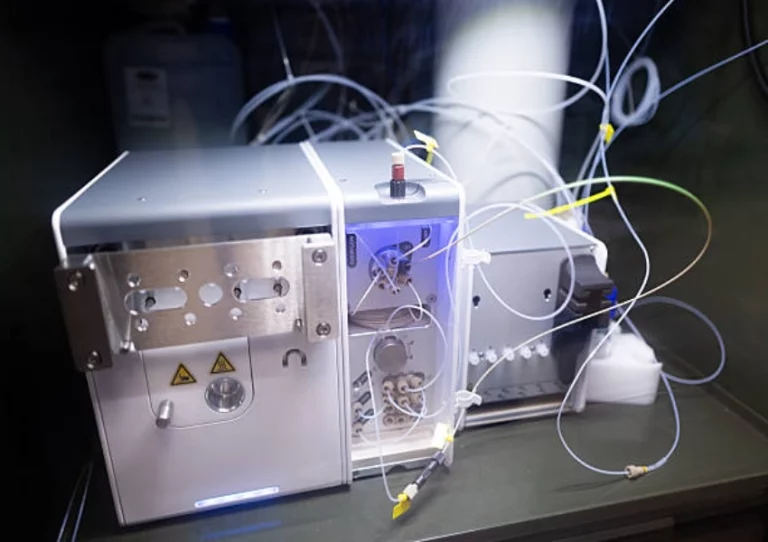
A graphite furnace concentrates a small liquid portion into an atomization step, which can support trace work when the method is set up correctly. The A3G atomic absorption spectrometer uses computer control for the main functions, offers a universal autosampler for flame and graphite furnace work, and includes graphite-furnace temperature feedback. Its AAS configuration also includes D2 lamp and self-reversal background correction options described in the product material. These details matter when lead or cadmium work needs tighter control than a basic flame-only setup.
When One Platform Must Cover More Elements
A mixed food laboratory may need flame, hydride generation, and graphite furnace capability across different projects. The AA990AFG combines those atomization routes in one atomic absorption spectrophotometer and operates through AAWIN software. It can be a useful fit when the lab wants to keep one workflow family while leaving room for additional elements and matrices. The final selection still depends on the method list and the gases, accessories, and service support available at the site.
Build Calibration and QC Around Real Decisions
Calibration is not a box to tick before the samples. The standards should cover the working range, fit the chosen atomization mode, and be prepared with traceable concentrations and suitable storage controls. Matrix matching or a validated compensation approach may be needed when formula components affect atomization or background. A calibration curve that looks acceptable can still produce weak results if the digest is cloudy, the blank is unstable, or the sample falls outside the demonstrated range.
Watch Blanks, Controls, and Replicates
A useful daily sequence includes an initial blank, calibration standards, a continuing calibration check, a laboratory control sample, selected spikes or duplicates, and a closing check suited to the method. Review the pattern, not only whether one number passes. A gradual shift in control recovery may point to lamp condition, furnace behavior, reagent contamination, or a preparation change. The AAS food testing record should make it possible to connect an unusual result to the batch, analyst, vessel set, and instrument run.
Check Range and Detection-Limit Fitness
A method is not ready because the instrument can display a small absorbance. Detection-limit fitness depends on the complete procedure, including sample mass, dilution, background, blank variation, atomization, and reporting rules. Verify the laboratory’s required limit, working range, precision, and recovery with the selected matrix. If the target level is near the method limit, reduce avoidable dilution and improve contamination control before buying a more complex system.
Keep the Workflow Stable After Installation
Daily reliability is built through small habits. Record lamp hours and warm-up behavior. Inspect the autosampler, burner or furnace area, drain path, gas pressure, cooling water, and graphite tube condition according to the equipment instructions. Keep a clean schedule for the sample compartment and preparation tools. For a busy infant formula laboratory, a short documented check is cheaper than discovering drift after a full sequence has been prepared.
Qualification support may matter when the laboratory operates under a formal quality system. The AAS IQ {{url_placeholder_0}} Bộ dụng cụ đủ điều kiện gives buyers a specific page to discuss with the supplier when installation checks, operational checks, and performance evidence need to fit site procedures. The broader PERSEE atomic spectrometer portfolio can also help a lab compare a graphite furnace, a mixed atomization system, and a flame platform against one sample list instead of making the decision from a headline price alone.
Câu hỏi thường gặp
Q1: Which metals are commonly considered in infant formula analysis?
A1: The panel depends on the product, method, and market. Nutritional work may include zinc and iron, while separate risk-based methods may cover lead, cadmium, or other elements. The laboratory should define the panel before validation.
Q2: Is graphite furnace AAS required for lead in baby formula?
A2: Not as a universal rule. The correct mode depends on the validated method, concentration range, matrix, and required reporting limit. A graphite furnace can be appropriate for lower-level work, but method verification remains necessary.
Q3: What should a buyer ask before choosing an AAS for formula testing?
A3: Ask about the target elements, digestion support, background correction, autosampler, software records, qualification, service, consumables, and real matrix examples. A demonstration with the laboratory’s own formula matrix is more useful than a generic specification sheet.