
Обнаружение тяжелых металлов, таких как свинец, кадмий, мышьяк и ртуть, в продуктах питания в настоящее время является серьезной проблемой для экспертов в области здравоохранения во всем мире. Люди поглощают эти микроэлементы из окружающей среды с течением времени. Это накопление создает серьезную опасность для здоровья. Младенцы подвергаются наибольшему риску, поскольку их маленький организм плохо справляется с токсинами. Лаборатории должны постоянно проверять и измерять эти вредные вещества. Эта тщательная работа соответствует строгим мировым правилам безопасности пищевых продуктов. Она также позволяет покупателям доверять брендам, которые они выбирают.
Загрязнение тяжелыми металлами происходит из многих источников. Распространенными причинами являются плохая почва, загрязненная сельскохозяйственная вода и заводской дым. Растения часто поглощают эти металлы в процессе роста. Иногда загрязненный воздух осыпает вредную пыль прямо на урожай. Позже заводское оборудование и упаковочные материалы могут добавить еще больше токсинов. Это делает проверку всей цепочки поставок очень важной. Состав сырья сильно меняется от партии к партии. Поэтому для регулярной проверки необходимо использовать проверенные методы, такие как атомно-абсорбционная спектроскопия (ААС). Такая рутинная проверка обеспечивает как безопасность, так и прозрачность отслеживания.
Принципы атомно-абсорбционной спектроскопии (ААС) в обнаружении тяжелых металлов
Прежде чем рассматривать его применение, следует разобраться в том, как именно работает ААС (аналитическая абляция). Она служит базовым инструментом для обнаружения микроэлементов в ходе проверок безопасности пищевых продуктов.
Основной механизм атомно-абсорбционной спектроскопии для анализа микроэлементов.
Учёные знают один ключевой факт уже более века. Атомы некоторых элементов приходят в возбужденное состояние, когда превращаются в пар внутри пламени. При охлаждении до нормального состояния они испускают измеримые световые волны. Эти спокойные атомы также могут поглощать световую энергию. Эта энергия должна соответствовать их конкретной длине волны. В 1955 году Уолш использовал специальную лампу с полым катодом для создания первых приборов атомно-абсорбционной спектроскопии. Лампа была изготовлена именно из того металла, который он хотел измерить. Эта идея остаётся основой атомно-абсорбционной спектроскопии. Вкратце, количество захваченного света точно показывает, сколько металла скрывается в образце.
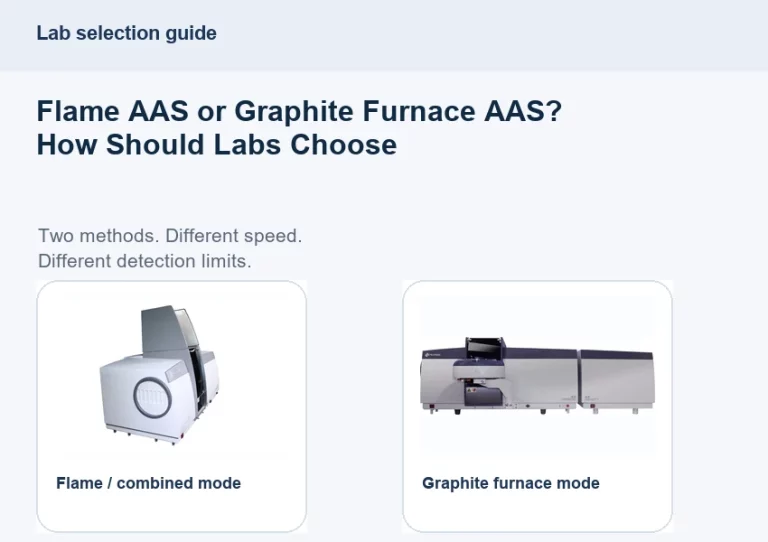
В пламенной атомно-абсорбционной спектроскопии (ААС) для разрушения образцов используются такие газы, как смесь воздуха и ацетилена или закиси азота и ацетилена. С другой стороны, в ААС с графитовой печью используется специальная нагревательная трубка. Эта электрическая трубка обеспечивает гораздо более высокую чувствительность. Она идеально подходит для обнаружения мельчайших, сверхмалых количеств веществ. Таким образом, это отличный выбор для обнаружения тяжелых металлов в детском питании или специях.
Преимущества использования атомно-абсорбционной спектроскопии для обнаружения тяжелых металлов в пищевых продуктах.
ААС позволяет очень точно измерять количества веществ. Она легко определяет концентрации на уровне частей на миллиард. Пользователи также тратят меньше времени на подготовку образцов по сравнению с использованием других инструментов. Прибор выдает одинаковые результаты снова и снова. Такая стабильная работа крайне важна для ежедневных лабораторных проверок. Кроме того, ААС экономит деньги. Она обеспечивает высокую точность, сравнимую с дорогостоящими и сложными приборами, такими как ICP-MS.
Методы подготовки образцов для анализа специй и детского питания
Получение точных результатов зависит от качественной подготовки образцов. Сложные органические компоненты в пищевых продуктах могут легко исказить показания прибора.
Методы переваривания сложных пищевых матриц
Рабочие часто используют влажное кислотное разложение с азотной кислотой. Этот этап расщепляет природные материалы перед началом анализа. Добавление микроволн ускоряет весь процесс. Это также обеспечивает высокую точность конечных измерений. Хорошее разложение предотвращает блокирование истинного сигнала фоновыми веществами. Этот этап обязателен при проверке густых продуктов, таких как молотые специи или детское питание.
Минимизация загрязнения при обработке образцов.
Лаборатории должны защищать микроэлементы от внешних загрязнений. Они должны использовать сверхчистые химикаты и деионизированную воду. Этот шаг снижает нежелательные фоновые сигналы. Чистые помещения предотвращают попадание пыли, которая может испортить анализ. Такая защита крайне важна при взвешивании или перемещении образцов. Наконец, сертифицированные эталонные материалы имеют большое значение. Они подтверждают правильность и стабильность результатов ААС-анализа.

Калибровка, количественная оценка и контроль качества в измерениях методом атомно-абсорбционной спектроскопии (ААС).
Правильная калибровка — это основное лабораторное правило. Она гарантирует, что каждое показание отражает реальное значение. Это предотвращает ошибки, вызванные смещением оборудования или фоновым шумом.
Создание калибровочных кривых для надежного количественного анализа
Рабочие добавляют равные количества образца в чистый холостой раствор дистиллированной воды. Они также добавляют его в три стандартных смеси. Эти смеси содержат известные количества целевого элемента. Этот метод стандартных добавок устраняет ошибки считывания. Такие ошибки часто возникают при работе со сложными продуктами, такими как специи или детские смеси. Проверка нескольких точек повышает точность на разных уровнях. Регулярные проверки также обеспечивают бесперебойную работу оборудования в течение многих лет.
Внедрение протоколов обеспечения качества при обнаружении тяжелых металлов
Внутренние проверки доказывают, что тесты всегда работают одинаково. Лаборатории также присоединяются к группам сравнения с другими центрами тестирования. Эта командная работа показывает, насколько хорошо их методы соответствуют внешним стандартам. Ведение документации должно соответствовать правилам ISO/IEC 17025. Эти записи гарантируют полное отслеживание всех этапов. Четкое отслеживание является обязательным при отправке отчетов в государственные органы здравоохранения.
Сравнение атомно-абсорбционной спектроскопии (ААС) с другими аналитическими методами обнаружения тяжелых металлов.
Сегодня существует множество инструментов для тестирования элементов. Выбор наилучшего из них зависит от конкретных задач, стоящих перед лабораторией.
Сравнение ICP-OES и ICP-MS с атомно-абсорбционной спектроскопией
Методы ICP позволяют обнаруживать множество элементов одновременно. Однако их эксплуатация обходится значительно дороже. Они расходуют дорогостоящий аргон и требуют частого ремонта. ААС предлагает другой подход. Он остается дешевым и высокоточным при поиске конкретных тяжелых металлов, таких как свинец или кадмий. Это делает ААС идеальным решением для лабораторий, проводящих строгие проверки на соответствие правилам безопасности. Для них это лучше, чем приобретение быстрых многоэлементных сканеров.
Примеры применения: обнаружение тяжелых металлов в специях и детском питании.
Ежедневные проверки безопасности зависят от точных правил измерения. Эти правила должны идеально соответствовать мировым санитарным нормам.
Ключевые параметры, контролируемые в ходе плановых испытаний.
Свинец (Pb), кадмий (Cd), мышьяк (As) и ртуть (Hg) являются основными мишенями. Они высокотоксичны для человека. Пределы безопасности соответствуют правилам ВОЗ и ЕС. В этих правилах обычно используются значения мг/кг или мкг/г для определения предельных значений. Точная единица измерения зависит от типа продукта. Непрерывное тестирование укрепляет доверие покупателей. Оно также защищает доброе имя бренда, предотвращая риски на ранних стадиях.
Стандарты интерпретации данных и отчетности
Математические расчеты подтверждают достоверность обнаруженных уровней металлов. Они показывают, что цифры не являются просто случайными шумами оборудования. Четкие отчеты помогают отслеживать каждую производственную партию. Такое отслеживание очень важно для проверки импортируемых поставок специй. Оно также крайне важно для товаров детского питания. Эти товары проходят очень строгий пограничный контроль.
PERSEE: надежный производитель аналитических приборов
Наши компетенции выходят далеко за рамки простого производства оборудования. Мы поставляем полные комплекты испытательных установок, разработанные для нужд современных лабораторий.

Обзор компетенций PERSEE в области решений для атомно-абсорбционной спектроскопии
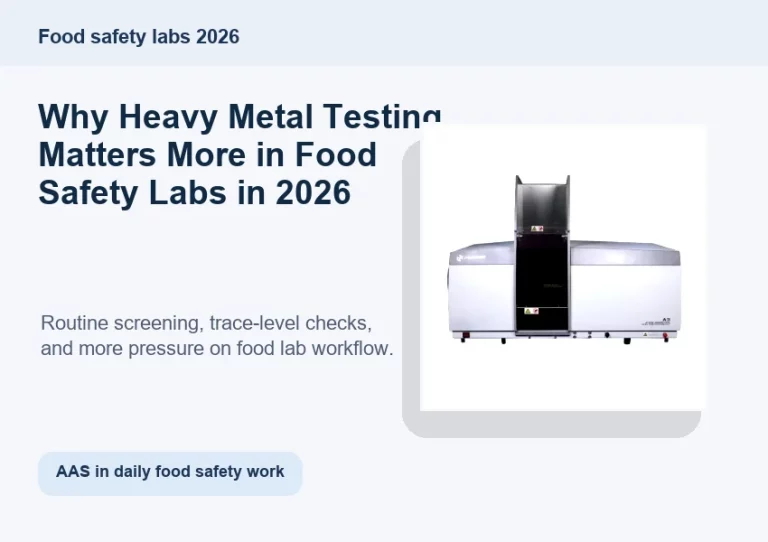
Перси Наша компания — современная технологическая фирма, основанная в 1991 году. Мы специализируемся на создании, производстве и продаже научного оборудования. Мы имеем сертификат качества ISO9001 и маркировку CE, подтверждающие эффективность нашей продукции во всем мире. А3F Пламенный атомно-абсорбционный спектрометр Предлагает полезные варианты пламени. В качестве стандартной конфигурации используется воздух/ацетилен. Пользователи также могут выбрать закись азота/ацетилен. Этот дополнительный вариант повышает чувствительность. Он очень помогает при тестировании пищевых продуктов, требующих быстрой и равномерной обработки.
Некоторым лабораториям необходимо обнаруживать сверхмалые концентрации элементов с помощью электрического нагрева. Наши Атомно-абсорбционный спектрометр с графитовой печью A3G Идеально подходит для этой задачи. Оснащен интеллектуальным контролем температуры благодаря системе обратной связи. Такая конструкция обеспечивает очень стабильный процесс горения. Это идеальный выбор для тестирования детского питания. Такие тесты требуют предельной точности на уровне частей на миллиард (ppb).
Иногда лабораториям необходима максимальная гибкость. Они могут объединить оба метода тестирования в одном устройстве. Система двойного атомайзера A3AFG Именно это и делает система. Она позволяет рабочим плавно переключаться между задачами, связанными с пламенной обработкой и обработкой графитом в печи. Простое в использовании программное обеспечение AA-Win управляет этим переключением. Пользователи никогда не тратят время на замену аппаратных компонентов.
Наши машины идеально подходят для ежедневного контроля качества. Они отлично зарекомендовали себя во многих областях, от изучения природы до производства лекарств. Мы также предлагаем полезную техническую поддержку по всему миру. Вы можете легко связаться с нашей командой через наш сайт. Контактная страница.
Заключение
Атомно-абсорбционная спектроскопия остается в основе глобальной безопасности пищевых продуктов. Она обеспечивает надежное обнаружение тяжелых металлов на каждом этапе. Специалисты используют ее, начиная с проверки первого сырья и заканчивая утверждением готовой продукции. Эта кропотливая работа защищает здоровье населения во всем мире. Она особенно оберегает уязвимые группы населения, такие как младенцы. Эти дети полностью зависят от чистой и безопасной пищи.
Часто задаваемые вопросы
В1: Почему атомно-абсорбционная спектроскопия предпочтительнее для обнаружения тяжелых металлов в пищевых продуктах?
A1: Он обеспечивает высокую чувствительность и четкую фокусировку. Прибор идеально воспроизводит результаты анализов. Он хорошо измеряет микроэлементы в таких сложных продуктах, как специи или детские смеси. При этом его эксплуатационные расходы ниже, чем у крупных многоэлементных приборов, таких как ICP-MS.
В2: Как лаборатории могут обеспечить точность анализа микроэлементов с помощью атомно-абсорбционной спектроскопии (ААС)?
A2: Лаборатории придерживаются строгих правил калибровки. Они используют методы стандартного добавления и закупают сертифицированные эталонные материалы. Кроме того, они поддерживают чистоту на рабочих местах, чтобы предотвратить попадание посторонних загрязнений. Наконец, они проводят плановые испытания оборудования в нормальных, контролируемых условиях.
В3: Чем приборы PERSEE подходят для анализа тяжелых металлов?
A3: Наши атомно-абсорбционные спектрометры отличаются надежной оптической конструкцией. Они легко управляются с помощью интеллектуального программного обеспечения. Такая конфигурация обеспечивает высокую точность при проведении сверхточных анализов. Разветвленная сеть сервисных центров поддерживает нашу продукцию. Эта сеть помогает профессиональным лабораториям оставаться надежными в условиях непрерывных проверок безопасности.