
Khi thương mại thực phẩm toàn cầu phát triển, việc đảm bảo an toàn thực phẩm thông qua kiểm tra dư lượng thuốc trừ sâu nghiêm ngặt đã trở thành một phần thiết yếu của các quy định xuất khẩu. Các nhà xuất khẩu thực phẩm phải đối mặt với các hệ thống pháp luật phức tạp. Các hệ thống này đòi hỏi độ chính xác, khả năng theo dõi dễ dàng và tốc độ trong công việc phòng thí nghiệm.
Các yêu cầu pháp lý đối với các nhà xuất khẩu thực phẩm
Các thị trường trên toàn thế giới đặt ra những giới hạn nghiêm ngặt đối với dư lượng thuốc trừ sâu, nhằm đảm bảo thực phẩm xuất khẩu sang các nước khác đáp ứng các quy định an toàn của người mua. Các nhà xuất khẩu phải tuân thủ các hướng dẫn nghiêm ngặt. Ví dụ, họ phải đáp ứng Giới hạn Dư lượng Tối đa (MRL) của Liên minh Châu Âu và mức dung sai của Cơ quan Bảo vệ Môi trường Hoa Kỳ (EPA). Họ phải làm điều này trước khi hàng hóa được phép bán, và các quy định này thường xuyên thay đổi. Vì vậy, các phòng thí nghiệm phải duy trì các phương pháp thử nghiệm linh hoạt, cần phải tìm ra nhiều loại hóa chất thuốc trừ sâu khác nhau trong nhiều loại nguyên liệu. Họ kiểm tra thực phẩm về các thành phần như đường, protein, chất béo, vitamin, steroid, thuốc và dư lượng thuốc trừ sâu, cũng như các nguyên tố vi lượng, cho thấy tầm quan trọng của việc sử dụng các phương pháp thử nghiệm mạnh mẽ. Các phương pháp này phải xử lý được các mẫu thực phẩm phức tạp và vẫn chính xác theo các tiêu chuẩn quốc tế đang thay đổi.
Vai trò của phân tích an toàn thực phẩm trong khả năng cạnh tranh thị trường
Phân tích an toàn thực phẩm đáng tin cậy không chỉ giúp tuân thủ các quy định mà còn xây dựng lòng tin với người mua và công chúng. Các nhóm này muốn biết chính xác sản phẩm của họ đến từ đâu. Việc kiểm tra dư lượng thuốc trừ sâu nhanh chóng và chính xác giúp duy trì chất lượng sản phẩm ổn định và giảm nguy cơ lô hàng bị từ chối do vi phạm quy định. Bằng cách sử dụng công nghệ GC-MS hàng đầu, các nhà xuất khẩu có thể tăng độ nhạy và giảm thời gian kiểm tra, giúp họ nổi bật trên thị trường toàn cầu. Công nghệ này cũng hỗ trợ phân tích môi trường. Nó kiểm tra các chất ô nhiễm hữu cơ khó phân hủy (POPs) như dioxin, PCB và hóa chất nông nghiệp. Nó cũng kiểm tra nước, không khí bên ngoài và bên trong nhà, chứng tỏ rằng các hệ thống kiểm tra này không chỉ kiểm tra an toàn thực phẩm mà còn giúp bảo vệ thiên nhiên, thể hiện giá trị to lớn của chúng trong nhiều lĩnh vực.
Tăng tốc quy trình GC-MS để kiểm tra dư lượng thuốc trừ sâu
Mạng lưới cung ứng toàn cầu ngày càng phức tạp. Do đó, các phòng thí nghiệm cần đẩy nhanh quy trình GC-MS của mình. Tuy nhiên, họ không được phép làm giảm chất lượng xét nghiệm. Việc cải thiện các quy trình này đảm bảo việc kiểm tra dư lượng thuốc trừ sâu vẫn nhanh chóng và đáng tin cậy.
Những thách thức trong phân tích GC-MS thông thường
Các quy trình GC-MS cũ thường cần rất nhiều thao tác thủ công để chuẩn bị mẫu, điều này làm tăng thời gian thu được kết quả. Việc hiệu chuẩn thủ công có thể gây ra sự khác biệt giữa các lần thử nghiệm. Ngoài ra, các mẫu nông sản phức tạp, như trái cây hoặc ngũ cốc, có thể làm nhiễu tín hiệu, ảnh hưởng đến độ chính xác của máy trong việc đo lượng chất. Nhiều dư lượng thuốc trừ sâu không phù hợp với phương pháp GC tĩnh trực tiếp (direct static headspace GC) nếu không có sự chuẩn bị mẫu hoặc dẫn xuất hóa thích hợp. Vì vậy, chúng không thể được kiểm tra bằng phương pháp HS-GC tĩnh trực tiếp đơn giản. Vấn đề này cho thấy tại sao các phòng thí nghiệm cần các phương pháp đặc biệt để thay đổi hóa chất hoặc các phương pháp sàng lọc nhiều dư lượng cùng một lúc. Các phương pháp này có thể phát hiện tốt các loại thuốc trừ sâu có hàm lượng khí thấp.
Các chiến lược tối ưu hóa quy trình làm việc cho hệ thống GC-MS
Việc sử dụng máy móc để thực hiện công việc là rất quan trọng để có được kết quả nhất quán mỗi lần và thực hiện được nhiều xét nghiệm hơn trong các phòng thí nghiệm hiện nay. Việc nạp mẫu tự động, cùng với việc chuyển đổi cột, giúp giảm thiểu công việc của con người và cũng giúp duy trì thời gian xét nghiệm ổn định. Hệ thống phần mềm tích hợp giúp việc thu thập dữ liệu và viết báo cáo trở nên dễ dàng hơn, cho phép người làm việc tập trung vào việc hiểu kết quả thay vì thực hiện các nhiệm vụ thiết lập cơ bản. Các phương pháp kiểm tra nhiều dư lượng cùng một lúc cho phép các phòng thí nghiệm tìm thấy nhiều loại thuốc trừ sâu trong một lần xét nghiệm. Điều này giúp giảm tổng thời gian cần thiết cho việc xét nghiệm.
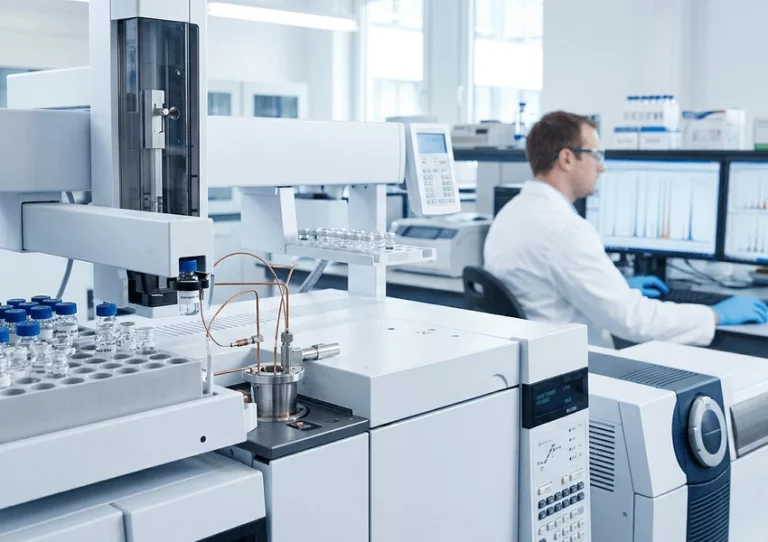
của chúng tôi G5 GC Máy sắc ký khí thể hiện ý tưởng này một cách hoàn hảo. Nó có hệ thống điều khiển điện tử thông minh và các bộ phận rất nhạy. Những bộ phận này được chế tạo để cho kết quả chính xác về thành phần và lượng chất có trong mẫu. Luồng khí ổn định và khả năng kiểm soát nhiệt độ chính xác giúp cho kết quả có thể lặp lại, điều này rất quan trọng để thực hiện nhiều xét nghiệm dư lượng thuốc trừ sâu một cách nhanh chóng.
Nâng cao độ nhạy và hiệu suất trong phân tích an toàn thực phẩm
Để duy trì vị thế vững chắc trên thị trường xuất khẩu, các phòng thí nghiệm cần kết hợp độ nhạy cao với tốc độ nhanh. Họ phải tìm ra những dấu vết nhỏ nhất của hóa chất mà không làm chậm quá trình làm việc.
Những tiến bộ trong công nghệ GC-MS để phát hiện vết
Phổ khối lượng độ phân giải cao giúp cải thiện giới hạn phát hiện đối với các dư lượng ở nồng độ thấp thường thấy trong thực phẩm chế biến sẵn hoặc nông sản nhập khẩu. Thiết kế nguồn ion được cải tiến giúp tăng độ ổn định tín hiệu qua nhiều lần chạy, trong khi các cột sắc ký được tối ưu hóa giúp giảm thiểu sự nhiễu từ các hợp chất đồng elution. Một ứng dụng rất quan trọng của GC-MS là trong phân tích môi trường, trong việc xác định các hydrocarbon halogen hóa và thơm dễ bay hơi trong nước uống. Những khả năng này trực tiếp giúp tăng độ tin cậy khi phát hiện dư lượng thuốc trừ sâu ở mức vết (phần tỷ).
Đối với các phòng thí nghiệm đang tìm kiếm hiệu năng cao hơn cùng tính linh hoạt trong nhiều ứng dụng, thì đây là giải pháp phù hợp. GC1100 GC Tích hợp công nghệ điều khiển điện tử tiên tiến, đảm bảo độ nhạy và độ ổn định vượt trội ngay cả trong điều kiện ma trận phức tạp — lý tưởng cho việc phân tích an toàn thực phẩm nhanh chóng.
Những cải tiến trong xử lý dữ liệu giúp đạt kết quả nhanh hơn
Những ý tưởng mới trong xử lý dữ liệu hiện nay cho phép tách tín hiệu dữ liệu tức thời, giúp tăng tốc độ xác định chất hóa học bằng cách tự động tách các đỉnh chồng chéo. Hệ thống dựa trên điện toán đám mây giúp các nhóm kiểm tra chất lượng làm việc cùng nhau từ nhiều địa điểm khác nhau. Ngoài ra, các công thức đếm tự động giúp giảm thiểu việc kiểm tra thủ công mà vẫn đảm bảo độ chính xác. Nhờ đó, những nâng cấp này giúp rút ngắn thời gian từ khi lấy mẫu đến khi có báo cáo cuối cùng. Đây là điểm rất quan trọng đối với các nhà xuất khẩu có thời gian giao hàng nghiêm ngặt.
Tích hợp kiểm soát chất lượng vào quy trình kiểm tra dư lượng thuốc trừ sâu
Kiểm soát chất lượng là nền tảng của mọi bước trong quy trình thử nghiệm phòng thí nghiệm, bắt đầu từ khâu chuẩn bị cho đến khi báo cáo kết quả. Điều này đảm bảo kết quả được các nhóm hoạch định chính sách tin tưởng.
Tiêu chuẩn hiệu chuẩn, thẩm định và khả năng tái lập
Kiểm tra thiết lập định kỳ đảm bảo máy móc hoạt động giống nhau mọi lúc. Các quy tắc kiểm tra chứng minh phương pháp đó hiệu quả với các loại mẫu hoặc nồng độ nước khác nhau. Các công cụ kiểm soát chất lượng dựa trên toán học theo dõi độ chính xác theo thời gian. Chúng phát hiện sớm các thay đổi của máy móc. Điều này ngăn ngừa các vấn đề có thể xảy ra trong quá trình kiểm tra hoặc xem xét xuất khẩu.
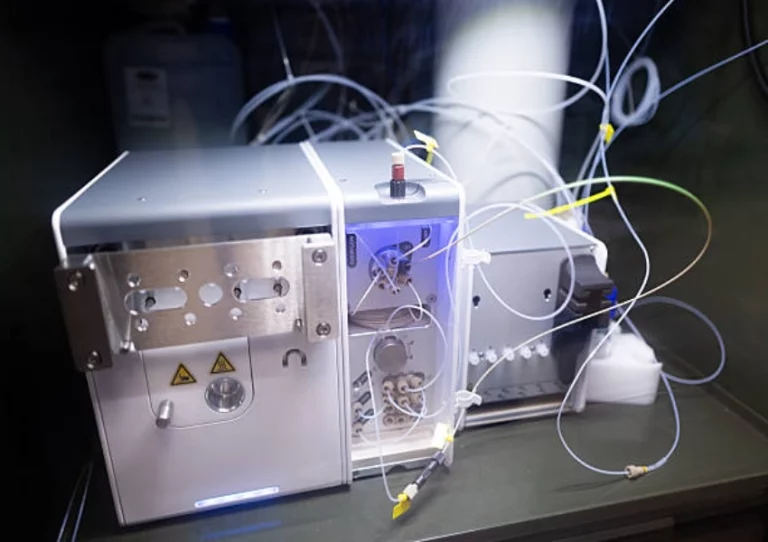
Các M7 tứ cực đơn GC-MS Hoạt động hoàn hảo với các hệ thống GC tương thích. Nó cung cấp dữ liệu khối lượng chính xác cần thiết để xác nhận kết quả kiểm tra dư lượng thuốc trừ sâu. Thiết kế nguồn ion đặc biệt giúp ion hóa tốt hơn và duy trì hiệu suất ổn định trong thời gian làm việc dài. Điều này giúp đáp ứng nhu cầu lặp lại lâu dài mà các phòng thí nghiệm chính thức cần có.
Đảm bảo khả năng truy xuất nguồn gốc trong quy trình phân tích
Việc lưu trữ hồ sơ kỹ thuật số hiện nay kết nối liền mạch các chi tiết mẫu, nhật ký thiết lập, các lần chạy thử nghiệm và báo cáo cuối cùng. Tất cả dữ liệu này được lưu trữ trong các cơ sở dữ liệu an toàn tuân thủ các quy chuẩn quốc tế như ISO/IEC 17025 hoặc hướng dẫn HACCP. Quét mã vạch giúp loại bỏ lỗi đánh máy trong quá trình xử lý nhóm. Ngoài ra, toàn bộ hồ sơ giúp dễ dàng theo dõi trong quá trình kiểm tra của các nhóm nhập khẩu hoặc các cơ quan ban hành quy định.
Mạng lưới hỗ trợ toàn cầu của chúng tôi đảm bảo khách hàng nhận được tư vấn kỹ thuật nhanh chóng. Chúng tôi cung cấp các khóa đào tạo phù hợp với nhu cầu của phòng thí nghiệm. Chúng tôi cũng cung cấp dịch vụ sửa chữa nhanh chóng mà bạn có thể liên hệ thông qua mạng lưới hỗ trợ của chúng tôi. Liên hệ với chúng tôi trang. Điều này đảm bảo công việc tuân thủ quy tắc không bao giờ ngừng lại ở bất cứ đâu trên thế giới.

PERSEE: Nhà sản xuất đáng tin cậy các thiết bị phân tích phục vụ phân tích an toàn thực phẩm.
PERSEE Chúng tôi chuyên phát triển các hệ thống sắc ký tiên tiến được thiết kế riêng cho quy trình kiểm tra dư lượng thuốc trừ sâu năng suất cao, được sử dụng bởi các nhà xuất khẩu thực phẩm hàng đầu trên toàn cầu. Các thiết bị của chúng tôi được thiết kế với cấu hình mô-đun, cho phép các phòng thí nghiệm dễ dàng thích ứng khi các quy định thay đổi hoặc các chất phân tích mới xuất hiện trên thị trường quốc tế. Cam kết của chúng tôi không chỉ dừng lại ở thiết bị: chúng tôi cung cấp hỗ trợ ứng dụng liên tục thông qua mạng lưới dịch vụ toàn cầu được hàng ngàn khách hàng chuyên nghiệp trên toàn thế giới công nhận, những người tin tưởng chúng tôi là đối tác đáng tin cậy trong đổi mới phòng thí nghiệm.
Phần kết luận
Quy trình GC-MS trơn tru là cốt lõi của việc kiểm tra dư lượng thuốc trừ sâu đáng tin cậy. Việc kiểm tra này rất quan trọng để tuân thủ các giới hạn dư lượng quốc tế. Các nhà xuất khẩu có thể kết hợp các công cụ tự động với độ nhạy cao hơn và kiểm soát chất lượng nghiêm ngặt. Bằng cách này, họ có thể dễ dàng đáp ứng các yêu cầu quy định. Họ cũng duy trì chất lượng kiểm tra cao từ khi sản xuất sản phẩm đến khi vận chuyển. Làm việc với chúng tôi giúp các phòng thí nghiệm đạt được hiệu quả công việc cao hơn mà không làm giảm độ chính xác, điều này thúc đẩy sự tăng trưởng ổn định trong thị trường thực phẩm toàn cầu đầy cạnh tranh.
Câu hỏi thường gặp
Câu 1: Việc đẩy nhanh quy trình GC-MS mang lại lợi ích gì cho các nhà xuất khẩu thực phẩm?
A1: Quy trình làm việc nhanh hơn giúp giảm thời gian cần thiết cho việc kiểm tra dư lượng thuốc trừ sâu. Điều này cho phép các nhà xuất khẩu gửi hàng nhanh chóng trong khi vẫn tuân thủ các giới hạn dư lượng quốc tế.
Câu 2: PERSEE đóng vai trò gì trong việc hỗ trợ phân tích an toàn thực phẩm?
A2: Chúng tôi cung cấp các công cụ thử nghiệm hàng đầu như máy sắc ký khí G5 GC, máy sắc ký khí GC1100 và máy quang phổ khối M7. Những công cụ này giúp cải thiện độ nhạy, tốc độ làm việc và độ tin cậy trong việc kiểm tra dư lượng thuốc trừ sâu trên thị trường toàn cầu.
Câu 3: Làm thế nào các phòng thí nghiệm có thể đảm bảo kết quả nhất quán giữa nhiều lô sản phẩm?
A3: Các phòng thí nghiệm có thể sử dụng các bước thiết lập thông thường cùng với các phương pháp thử nghiệm đã được kiểm chứng. Họ cũng có thể sử dụng các công cụ dữ liệu tự động trong các hệ thống GC-MS hiện đại. Điều này giúp đảm bảo kết quả nhất quán trong tất cả các thử nghiệm liên quan đến công tác an toàn thực phẩm trên toàn thế giới.