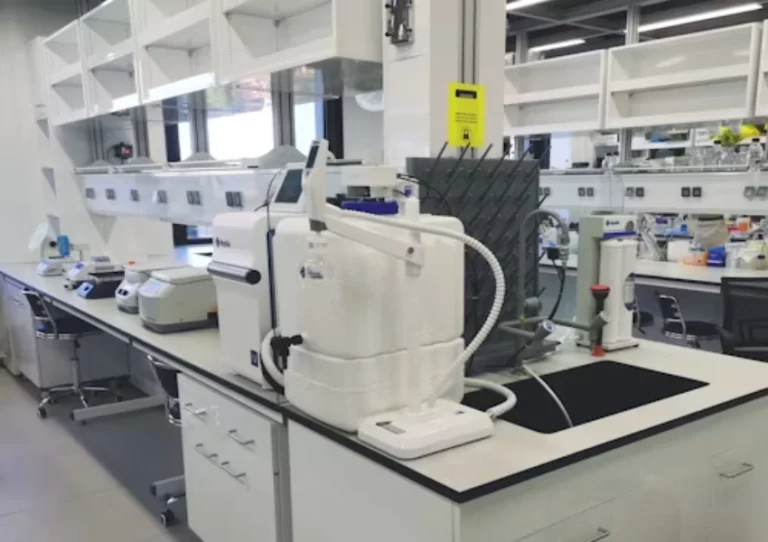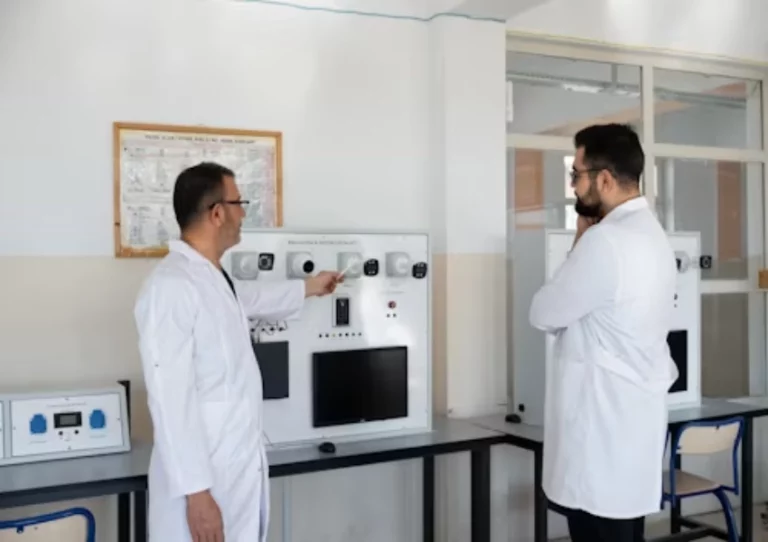
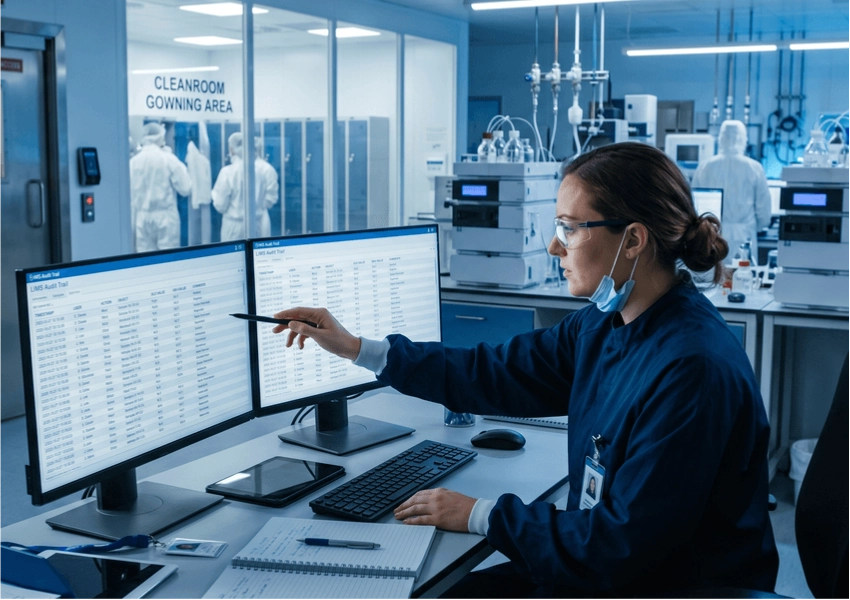
La trasformazione verso laboratori intelligenti è guidata dalla crescente necessità di precisione, riproducibilità ed efficienza nei flussi di lavoro analitici. Poiché i laboratori gestiscono set di dati sempre più complessi, le tecnologie digitali e l'integrazione dell'IoT sono diventate essenziali per semplificare le operazioni e garantire l'integrità dei dati. L'automazione e la connettività consentono ai ricercatori di ridurre al minimo l'intervento manuale, migliorando al contempo la produttività, l'accuratezza e la tracciabilità. Il processo decisionale basato sui dati è emerso come un elemento fondamentale di questa evoluzione, consentendo alle organizzazioni di ottimizzare le prestazioni attraverso l'analisi predittiva e il monitoraggio in tempo reale.
Il ruolo dell'automazione nella trasformazione dei laboratori
L'automazione è al centro della modernizzazione dei laboratori. Riduce l'errore umano standardizzando le procedure e garantendo un'esecuzione coerente delle attività ripetitive. I sistemi automatizzati aumentano significativamente la produttività dei campioni, mantenendo al contempo accuratezza e riproducibilità analitica. L'interconnessione tra strumenti, piattaforme software e sistemi di gestione dei dati migliora ulteriormente l'efficienza operativa, consentendo flussi di lavoro sincronizzati in cui gli strumenti comunicano senza soluzione di continuità tramite protocolli standardizzati.
Lo spettrofotometro, in quanto strumento analitico, è utilizzato in quasi tutti i tipi di laboratori di chimica, biologia e scienze biologiche. Questa universalità sottolinea l'importanza dell'automazione anche nei processi spettrometrici, garantendo che ogni misurazione rifletta una precisione convalidata dagli standard di calibrazione imposti da enti regolatori come USP o ASTM.
Concetti fondamentali dei sistemi di spettrometria automatizzata
Componenti chiave dei sistemi di spettrometria automatizzata
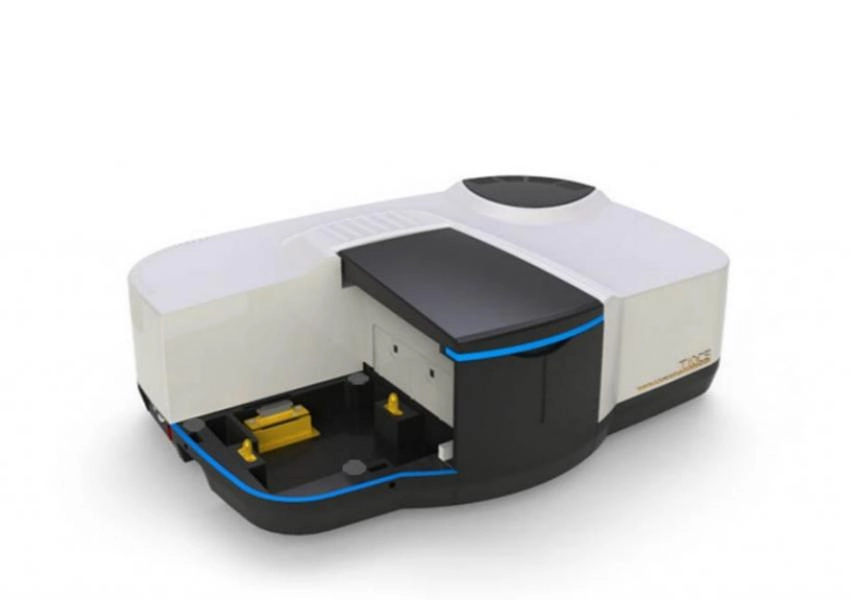
I sistemi di spettrometria automatizzati combinano hardware ad alte prestazioni con software di controllo intelligente per fornire soluzioni di misurazione integrate. T8DCS UV-Vis Si tratta di uno spettrofotometro a doppio raggio ad alte prestazioni con una larghezza di banda spettrale selezionabile in continuo da 0,1 a 5 nm. Utilizza un monocromatore Czerny-Turner con reticolo olografico per minimizzare la luce diffusa e fornire un'eccellente risoluzione ottica, una caratteristica essenziale per ottenere risultati quantitativi coerenti nelle operazioni automatizzate. I sistemi di acquisizione dati integrati in questi framework garantiscono la tracciabilità e la conformità agli standard internazionali, supportando al contempo l'archiviazione centralizzata per il confronto tra strumenti.
Vantaggi operativi dei sistemi di spettrometria automatizzati
I vantaggi dei sistemi di spettrometria automatizzati sono evidenti nella loro capacità di migliorare la precisione e la ripetibilità delle analisi, riducendo al contempo i tempi di preparazione manuale dei campioni. Le routine di calibrazione continua integrate nel sistema mantengono l'accuratezza dello strumento per cicli operativi prolungati. Le funzioni di autodiagnosi aumentano ulteriormente l'affidabilità, identificando le deviazioni dalle prestazioni prima che influiscano sui risultati. Come tutta la strumentazione, anche questi sistemi richiedono controlli e validazioni periodiche, in misura maggiore o minore. L'automazione garantisce che queste fasi di validazione vengano eseguite in modo coerente e senza intervento umano, rafforzando la fiducia in ogni set di dati generato.
Integrazione di sistemi di spettrometria automatizzata nell'automazione dei flussi di lavoro di laboratorio
Un ambiente di laboratorio connesso comprende sistemi di spettrometria automatizzati integrati in framework di automazione più ampi per il controllo del flusso di lavoro. Tutti i collegamenti con gli strumenti all'interno del laboratorio avvengono tramite interfacce digitali standardizzate, in modo che dispositivi di campionamento, rivelatori e database possano essere gestiti come una rete analitica unificata.
Il T9DCS UV-Vis È dotato di un'ottica a doppio monocromatore a doppio raggio, che garantisce una luce diffusa estremamente bassa (≤0,00004%T a 220 nm) e un ampio intervallo fotometrico (-8,0~8,0 Abs.). La lampada a emissione di mercurio integrata assicura una precisa correzione automatica della lunghezza d'onda, dimostrando come un design ottico avanzato supporti l'interoperabilità all'interno di infrastrutture di laboratorio intelligenti.
Ottimizzazione dell'automazione del flusso di lavoro di laboratorio tramite analisi spettrofotometrica
L'analisi spettrofotometrica in laboratorio può essere automatizzata per tracciare i campioni, pianificare le misurazioni necessarie, verificare i dati acquisiti rispetto a criteri predefiniti e generare report. I dati possono essere scritti direttamente in un database. In combinazione con l'intelligenza artificiale, l'analisi spettrofotometrica in laboratorio è anche in grado di prevedere l'usura dei componenti o di anticipare la necessità di una calibrazione prima che si verifichi una deviazione. Ciò consente di ridurre significativamente i tempi di inattività. I laboratori ad alta produttività traggono particolare vantaggio da tale automazione, poiché, grazie ad essa, è possibile elaborare più campioni contemporaneamente senza alcuna perdita di precisione. L'automazione consente inoltre di soddisfare pienamente tutti i requisiti degli enti regolatori.
Il ruolo dello spettrofotometro nell'infrastruttura di un laboratorio intelligente
Progressi tecnologici negli spettrofotometri moderni
Gli spettrofotometri si sono evoluti da configurazioni manuali a raggio singolo a strumenti a doppio raggio altamente automatizzati dotati di ottiche avanzate e moduli di controllo digitali in grado di funzionare a distanza tramite connettività Wi-Fi. T10DCS UV-Vis Estende questa innovazione grazie alle sue ottiche con spurgo di azoto che coprono la gamma di lunghezze d'onda 185-900 nm con caratteristiche di luce diffusa ultra-basse (≤0,00004% T NaI a 220 nm). Il suo meccanismo a fenditura regolabile in continuo consente una risoluzione spettrale precisa, adatta a diverse applicazioni, dalla verifica di composti farmaceutici al rilevamento di inquinanti ambientali.
Le tecnologie di rilevamento multi-lunghezza d'onda consentono ora una copertura analitica più ampia in diverse discipline di ricerca, tra cui la biotecnologia, la scienza dei materiali, i test di sicurezza alimentare e la produzione chimica, il tutto supportato da livelli di automazione intelligenti che riducono la dipendenza dall'operatore.
Applicazioni nei settori della ricerca e dell'industria.
I sistemi di spettrometria automatizzata sono diventati parte integrante di molteplici settori grazie alla loro adattabilità e affidabilità:
• I laboratori di analisi ambientale li utilizzano per rilevare gli inquinanti nei campioni d'aria o d'acqua.
• Il controllo di qualità farmaceutico viene effettuato per testare la purezza dei composti utilizzando la spettrometria automatizzata.
• I laboratori di sicurezza alimentare utilizzano spettrometri per l'analisi della composizione degli alimenti al fine di verificare se questi siano conformi ai requisiti di legge.
Gli istituti scolastici li includono nei programmi di studio per gli studi cinetici o la titolazione fotometrica su apparecchiature fotometriche in laboratorio con strumentazione digitale per l'apprendimento esperienziale. Potenziando una vasta gamma di applicazioni provenienti da industrie di tutto il mondo, gli ambienti di laboratorio intelligenti dotati di spettrometria automatizzata garantiscono la massima qualità dei dati scientifici e una maggiore efficienza del lavoro.
PERSEE: un produttore affidabile di strumenti analitici
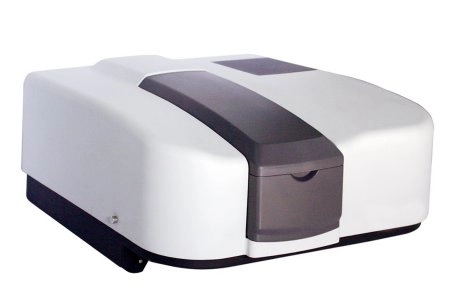
Persee Grazie a decenni di innovazione dedicata al progresso della ricerca scientifica a livello globale, ci siamo affermati come partner affidabile nel campo della strumentazione analitica. Il nostro portafoglio prodotti spazia dagli spettrometri molecolari come la serie T8DCS alle unità di assorbimento atomico come l'A3G, tutti progettati con ottiche di precisione, una solida qualità costruttiva e interfacce software intuitive come i sistemi UV-Win o AAWin, garantendo un controllo superiore sui metodi analitici e supportati da team di assistenza internazionali che offrono consulenza tecnica ovunque operino i nostri clienti.
Il contributo di PERSEE alle iniziative di transizione verso i laboratori intelligenti.
Contribuiamo alle iniziative globali di transizione verso i laboratori intelligenti attraverso continui investimenti in ricerca e sviluppo, finalizzati alla creazione di piattaforme di spettrometria completamente automatizzate, progettate per una perfetta integrazione negli ecosistemi di automazione dei flussi di lavoro esistenti. Concentrandoci sui principi dell'ingegneria di precisione, radicati nella tracciabilità metrologica – come sottolineato dagli standard di calibrazione globali – aiutiamo i ricercatori a ottenere risultati quantitativi affidabili in modo efficiente, riducendo al contempo la complessità operativa.
Il nostro impegno va oltre la semplice fornitura del prodotto; collaboriamo a stretto contatto con le istituzioni che cercano strategie di automazione personalizzate in linea con i loro specifici obiettivi di ricerca, collegando le metodologie tradizionali con le infrastrutture di laboratorio digitale di nuova generazione che definiscono il panorama analitico del futuro. Per maggiori dettagli sulle nostre partnership tecnologiche o sulle opportunità di consulenza relative alle strategie di implementazione di laboratori intelligenti, visitate il nostro sito web. Contattaci pagina.
Conclusione
I sistemi di spettrometria automatizzata rappresentano un progresso fondamentale che consente ai laboratori di tutto il mondo di raggiungere livelli più elevati di accuratezza, ripetibilità e produttività all'interno di ecosistemi interconnessi guidati dall'intelligenza artificiale. Lo spettrofotometro moderno si pone come la tecnologia cardine che collega i principi fotometrici classici, come la legge di Beer-Lambert, con architetture digitali all'avanguardia, plasmando il futuro della scoperta scientifica attraverso l'integrazione intelligente dei laboratori.
Domande frequenti
D1: Quali sono i principali vantaggi derivanti dall'integrazione di sistemi di spettrometria automatizzati nelle configurazioni di laboratorio esistenti?
A1: L'integrazione migliora la precisione automatizzando i processi di misurazione e riducendo il carico di lavoro manuale; garantisce risultati coerenti grazie a framework di automazione del flusso di lavoro di laboratorio sincronizzati che collegano gli strumenti all'interno di ecosistemi digitali unificati per una maggiore produttività.
D2: In che modo uno spettrofotometro moderno contribuisce all'efficienza di un laboratorio intelligente?
A2: Uno spettrofotometro moderno automatizza le sequenze di misurazione utilizzando ottiche avanzate e sensori autocalibranti; supporta il monitoraggio in tempo reale tramite interfacce di rete, riducendo al minimo gli errori di calibrazione e migliorando al contempo velocità e affidabilità nelle operazioni su larga scala.
D3: Perché PERSEE è considerato un partner affidabile per l'implementazione di sistemi di spettrometria automatizzati?
A3: Forniamo strumenti analitici robusti, supportati da una vasta competenza tecnica e da reti di assistenza globali; i nostri design innovativi sono pensati specificamente per gli ambienti di laboratorio intelligenti, il che ci rende un produttore affidabile che offre soluzioni spettrofotometriche avanzate in tutto il mondo.