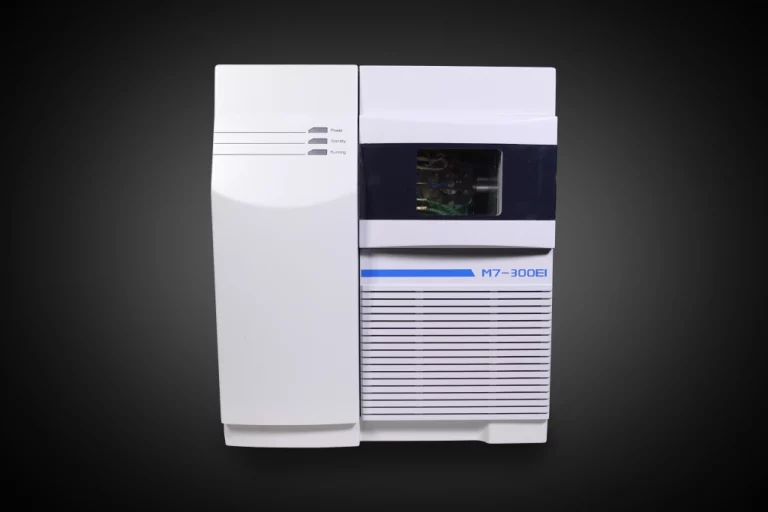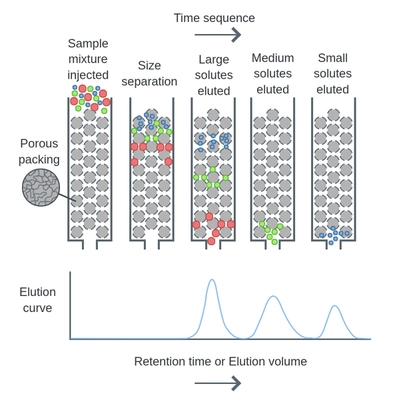
 Die Mossbauer-Spektroskopie nutzt die rückfallfreie Emission und Absorption von Gammastrahlen, um hyperfine Wechselwirkungen zu untersuchen. Ein wichtiges Beispiel ist die Isomerverschiebung. Diese Verschiebung zeigt die lokale elektronische Umgebung von Kernen wie ^57Fe. Die Präzision bei der Messung der Isomerverschiebung ist von entscheidender Bedeutung. Es hilft bei der Identifizierung von Oxidationszuständen und chemischen Bindungen. Diese Präzision hängt von der Spektrometer‘ s Auflösung. Durch eine sorgfältige Geschwindigkeitkalibrierung können Sie eine hohe Auflösung erzielen. Auch eine stabile Ausrüstung und gute experimentelle Aufstellungen sind wichtig. Dazu gehören dünne Absorber und kühle Temperaturen. Solche Schritte sind der Schlüssel zur Trennung nahe gelegener Spektralspitzen. Sie verhindern, dass verschiedene chemische Flecken vermischt werden. Dies führt schließlich zu einer zuverlässigen und nützlichen Datenanalyse. Was sind die Grundprinzipien hinter der Mossbauer-Spektroskopie und wie passt die Auflösung dazu?
Die Mossbauer-Spektroskopie ist eine nukleare Methode. Es gibt detaillierte Informationen über die lokale Einstellung bestimmter Isotope. ^57Fe ist eine gemeinsame. Die Hauptidee ist die rückfallfreie Absorption und Emission von Gammastrahlen durch Resonanz. Experten nennen dies den Mossbauer-Effekt. Wenn ein Kern ein Gammaphoton ohne Rückschlag emittiert oder absorbiert, bekommt man ein Spektrum. Dieses Spektrum zeigt hyperfine Wechselwirkungen. Dazu gehören Isomerverschiebungen, Quadrupolspaltung und magnetische hyperfine Spaltung. Solche Details helfen, Oxidationszustände, elektronische Umgebung und magnetische Ordnung in Materialien zu erklären.
Sie müssen eine hohe Auflösung haben, um diese feinen spektralen Merkmale genau herauszuziehen. Bei einem Mossbauer-Spektrometer kommt die Auflösung hauptsächlich aus der Geschwindigkeitsskala-Kalibrierung und der Breite der Resonanzspitzen. Dinge wie die radioaktive Quelle’ Die Qualität beeinflusst dies. Auch Absorberdicke und Detektoreffizienz spielen eine Rolle. Das Doppler-Geschwindigkeitsantriebssystem ist zentral. Es ändert die Gammastrahlenergie mit großer Sorgfalt. Jegliche Probleme mit Mechanik oder Elektronik können hier das Spektrum verzerren.
Warum ist instrumentale Auflösung für Isomerverschiebungsmessungen kritisch?
Die Isomerverschiebung (δ) entsteht durch Unterschiede in der s-Elektronendichte am Kern. Dies geschieht zwischen Absorber- und Quellenatomen. Die Verschiebung weist auf Veränderungen des Oxidationszustands hin. Es zeigt auch kovalente Bindungsmerkmale und Koordinationsformen. Zum Beispiel hat Fe^2 oft eine größere δ als Fe^3. So ist die Isomerverschiebung ein grundlegendes Werkzeug in der geochemischen und katalytischen Arbeit.
Aber wenn Ihr Spektrometer’ S-Auflösung ist niedrig, kleine Änderungen der δ-Werte gehen in breiten Spektrallinien verloren. Spitzen, die sich hervorheben sollten, mischen sich in verschwommene Kanten. Dies verursacht Fehler bei der Spitzenbestellung und Zählung. Schlimmer noch, eine breite instrumentale Funktion mischt jeden Höhepunkt. Selbst Verschiebungen unter 0,1 mm/s, die chemisch wichtig sind, können versteckt bleiben.
In Spektren mit niedriger Auflösung überlappen sich Spitzen verschiedener Eisenstätten. Dies verbirgt wahre chemische Unterschiede. Spektrometer mit hoher Auflösung sind daher von entscheidender Bedeutung. Sie können diese Teile richtig trennen.
Wie beeinflussen Linienform und -auflösung Ihre Fähigkeit, komplexe Spektra zu analysieren?
Wenn man Spektren dekonvoltiert, sind Spitzenformen sehr wichtig. Eine gute Modellierung dieser Formen ist der Schlüssel. Eine schlechte Auflösung verwandelt ideale Lorentzianer Formen in Pseudo-Voigt-Formen. Diese mischen Gaussianische Erweiterung von Instrumentengrenzen mit natürlicher Lorentzianischer Breite. Die Anpassung solcher breiten Spitzen erfordert schwierige Algorithmen. Es bringt auch mehr Zweifel an den hyperfeinen Parametern, die Sie extrahieren.
Für Materialien mit mehreren Eisenstätten - wie gemischte Valenzoxide oder unterschiedliche Katalysatoren - ist eine geringe Auflösung riskant. Sie können einige Phasen übersehen oder falsch erkennen. Isomerenverschiebungen, die eng zusammenstehen, können ein breites Merkmal bilden. Dies löscht Ihre Chance, verschiedene Fe-Einstellungen zu erkennen.
Wenn Sie mit harten Materialien wie Silikatmineralien oder Fe-basierten Enzymen arbeiten, sind hochauflösende Mossbauer-Systeme unerlässlich. Sie helfen, überlappende Subspektre aufzuteilen. Und sie liefern genaue quantitative Ergebnisse.
Welche praktischen Schritte können Sie unternehmen, um zu verbessern Mossbauer Spektrale Auflösung?
Sie können einige praktische Methoden verwenden, um klarere Spektren zu erhalten:
Absorberdicke: Wählen Sie dünne Absorber. Sie reduzieren Sättigungseffekte und halten die Auflösung stark. Dies ist wichtig, wenn sich Seiten überlappen.
Niedrigtemperaturbetrieb: Wärme verursacht eine Doppler-Erweiterung aus der Atombewegung. Messungen bei niedrigen Temperaturen verringern dies. Somit wird die Auflösung besser.
Geschwindigkeitkalibrierung: Überprüfen Sie Standards wie α-Fe-Folie häufig. Dies setzt die Nullgeschwindigkeit rechts und behebt Systemverschiebungen.
Systemstabilität: Stellen Sie sicher, dass das Antriebssystem und die Detektoren im Laufe der Zeit stabil bleiben. Dies hält die Basislinie während der langen Datenerfassung solide.
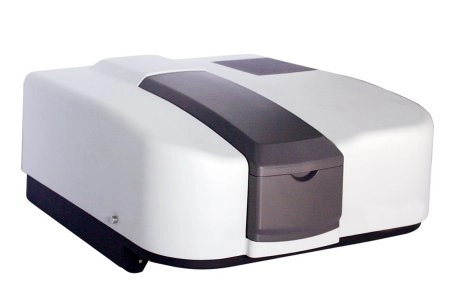
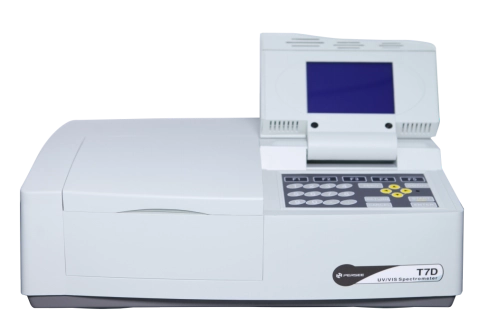
Ein Spektrophotometer erfordert eine sorgfältige Kalibrierung, Qualitätskontrollen, Methodenvalidierung und Qualifizierung. Dies sind Musts für Laborwerkzeuge. Gleiches gilt für Mossbauer-Getriebe. Routinekalibrierung und Wartung sind entscheidend für hochwertige Daten.
Wie kann PERSEE Mossbauer Steigern Sie Ihre analytischen Fähigkeiten?
Wenn Sie Ausrüstung wollen, die bietet FeststoffmechanikKlare Spektren und einfache Passung in Ihre aktuellen Routinen Mossbauer Spektrometer der Serie MS500 von PERSEEDiese Einheiten verfügen über Doppler-Antriebe mit feiner Sub-Mikron-Genauigkeit. Sie bieten stetige Geschwindigkeitsänderungen. Das bedeutet, dass scharfe Spitzen auch bei langen Laufen bestehen.
Sie kommen mit eingebauten Kryostaten für kühle Messungen. Diese sind von entscheidender Bedeutung, um die thermische Erweiterung zu reduzieren. Darüber hinaus verfügen digitale Signalmodule über intelligente Geräuschschutzwerkzeuge. Zusammen ergibt dies saubere Spektren mit starken Signal-zu-Rauschpegeln. Sie können kleine chemische Einstellungen deutlich erkennen.
zur Erkennung, Persee Werkzeuge verwenden Scintillation oder proportionale Zähler. Diese sind für 14,4 keV Gammastrahlen eingestellt. Sie streben nach der besten Energieschärfe.
Wo macht hohe Auflösung einen greifbaren Unterschied in Ihrem Anwendung?
Die Spottung von Fe^2 und Fe^3 in Silikaten oder Oxiden hängt von kleinen Isomerverschiebungsunterschieden ab. Die hochauflösende Mossbauer-Spektroskopie erfasst diese deutlich. Ohne diese Schärfe können Phasenetikette in Mineralien erraten oder falsch sein.
Katalyseforschung
Eisenkatalysatoren verschieben sich in Reaktionen durch Redoxzyklen. Um diese Veränderungen zu beobachten, benötigen Sie Mossbauer-Systeme, die winzige spektrale Bewegungen im Laufe der Zeit erfassen. Scharfe Daten ermöglichen es Ihnen, Fe-Site-Änderungen zu verfolgen. Dann können Sie sie direkt an die Wirksamkeit des Katalysators verknüpfen.
Metallurgische Phasenkarte
In Stahlstudien erkennt die Mossbauer-Spektroskopie Phasen wie Martensit, Bainit oder Austenit. Dies geschieht durch ihre einzigartigen hyperfeinen Eigenschaften. Wenn Ihr Spektrometer die Auflösung verpasst, sehen diese Phasen gleich aus. Dies schädigt Forschungsergebnissen und Qualitätskontrollen.
Welches PERSEE-System sollten Sie aufgrund Ihrer analytischen Anforderungen wählen?
Für grundlegende Oxidationszustandsprüfungen oder Single-Site-Proben funktioniert ein Starter-Setup gut. Es liefert stetige Ergebnisse zu einem fairen Preis. Aber um mehrere Standorte aufzuteilen oder Phasenänderungen mit Temperatur zu verfolgen, gehen Sie für die Persee MS500-HREs bietet Spitzenauflösung für harte Materialarbeit.
Diese Tools verbinden sich einfach mit Software wie MossWinn oder Recoil. Dadurch ist die Datenverarbeitung reibungslos und wiederholbar. Egal, ob Sie schnelle Überprüfungen oder eine gründliche Studie benötigen, ein Setup passt zu Ihren Zielen.
FAQ (häufig gestellte Fragen)
F: Kann Ich analysiere mehrere Eisenoxidationszustände in einem Spektrum mit einem Mossbauer-Spektrometer?
A: Ja, aber nur, wenn Ihr Instrument ausreichende Auflösung hat, um überlappende Isomerverschiebungen zu trennen. Ohne sie können sich Fe^2- und Fe^3-Umgebungen miteinander vermischen.
F: Warum brauche ich niedrige Temperaturen für einige Mossbauer Messungen?
A: Niedrige Temperaturen reduzieren die durch Atombewegung verursachte Doppler-Erweiterung, die die Auflösung verbessert und die Erkennung feiner spektraler Merkmale ermöglicht.
F: Wie oft sollte ich meine Mossbauer System?
A: Eine regelmäßige Kalibrierung mit α-Fe-Folie oder gleichwertigen Normen wird vor jeder Messsitzung empfohlen, um die Genauigkeit der Geschwindigkeitskalierung und der Spitzenzuweisung zu gewährleisten.