In today’s controlled scientific setting, the spectrophotometer holds a vital position in guaranteeing analytical accuracy and rule-following. This tool finds use in nearly every kind of chemical, biological, or life science lab. Instruments vary from basic single-beam types to double-beam or even intricate, often fully automated ones. They prove essential for both measuring amounts and identifying qualities in pharmaceutical, chemical, and life science labs, where following USP (United States Pharmacopeia) and GLP (Good Laboratory Practice) rules remains essential.
Sticking to regulations makes sure that all data produced can be traced, checked, and repeated. Just like most lab tools, calibration, quality checks, method approval, and equipment testing are required, whether from a good lab practice viewpoint or as a rule. This setup not only boosts lab trustworthiness but also aids in preparing for reviews by keeping data reliable throughout the whole analysis process.
Key Compliance Requirements for UV-Vis Spectroscopy
Under USP, spectrophotometric rules focus on wavelength correctness, light measurement steadiness, and unwanted light control—these factors directly affect how dependable the readings are. The tested aspects for spectrophotometers include light measurement correctness (absorbance straightness), wavelength correctness, bandwidth, and unwanted light. GLP rules stress steady procedures through confirmed calibration steps, worker responsibility, and safe record-keeping.
Software checking holds equal importance: UV-Vis software that follows rules must offer managed entry levels, change logs, and digital signatures matching 21 CFR Part 11 standards. These features make sure analytical records stay real and protected from changes, while cutting down on mistakes from hand-done tasks.
Navigating USP Standards with Advanced UV-Vis Software
Labs today often struggle to match their testing steps with strict USP rules without losing speed. Advanced UV-Vis software helps close this divide by handling compliance checks on its own.
Core USP Parameters Relevant to Spectrophotometric Analysis
USP outlines several main factors for checking spectrophotometric work: wavelength correctness checks, spectral placement, light measurement correctness, confirms absorbance straightness; resolution check, verifies the skill to spot nearby peaks; and unwanted light measurement ensures clear optics. To give analysts trust in the tool’s work and reading accuracy, they need assurance that key functions like straightness, wavelength, bandwidth, and unwanted light operate at their best. Fulfilling these standards lets labs show links to approved reference items during reviews or product checks.
Software Features Supporting USP Compliance
Built-in testing parts in current UV-Vis setups cut down on human mistakes during tool checks by running regular tests automatically based on set USP methods. Included change logs record each user step—from making methods to altering results—providing clear views of all processes. Plus, digital sign features fit smoothly with 21 CFR Part 11 rules for digital records by verifying user identity before approving results or reports.
Achieving GLP Alignment Through Digital Workflow Integration
GLP rule-following goes further than tool performance; it covers how data gets made, kept, examined, and stored over its full life. Bringing digital processes into UV-Vis systems assures both smooth work and rule loyalty.
Data Integrity and Security in GLP-Compliant Systems
Systems that meet GLP depend on strong digital setups with role-based entry limits that block unapproved changes. Protected storage bases guard important results from damage or disappearance, and version tracking keeps full links of methods over time. These steps make certain that every bit of analysis info can be rebuilt properly during checks or probes.
Enhancing Laboratory Efficiency with GLP-Oriented UV-Vis Software
Digital linking boosts lab output by gathering data handling in one place across teams while holding security steps. Automatic reminders for calibration stop accuracy slips from drift by signaling when checks are due; live watching allows planning for upkeep ahead to reduce stoppages—all key for keeping steady tool work under GLP setups.
The Role of Modern UV-Vis Spectrometers in Streamlined Compliance
Tech progress has turned UV-Vis spectrometers into smart helpers for rule-following that can check themselves and link digitally.
Instrument Design Supporting Regulatory Standards
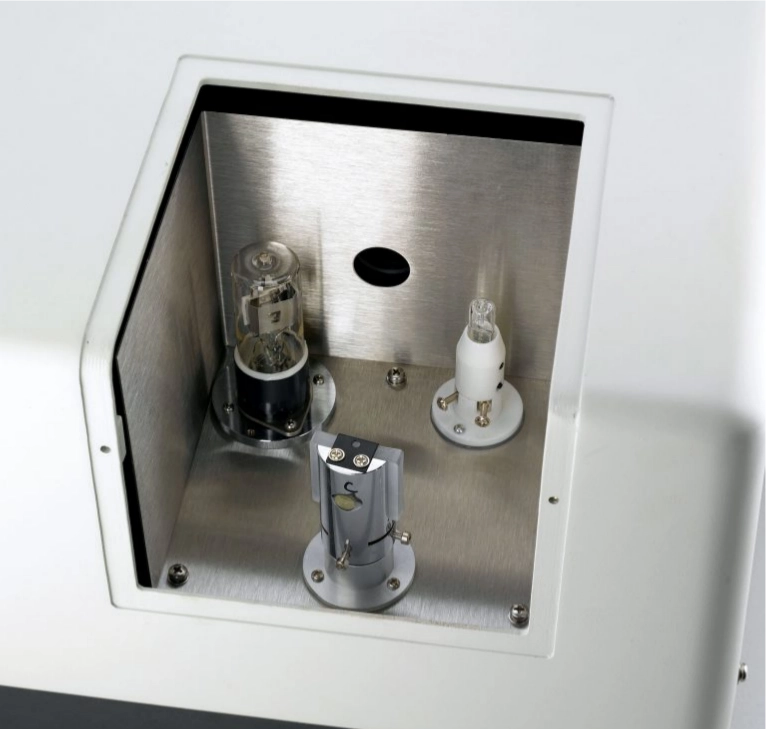
Current light systems give outstanding steadiness even in tough setups. The light setup of T9DCS provides very low unwanted light traits (≤ 0.00004% T NaI, 220 nm), which supports a wide light measurement range (-8.0 – 8.0 Abs.). Heat-managed sample areas improve repeat results across tests where heat changes might otherwise twist readings. Flexible setups also permit changes for various testing needs—from checking the environment to developing drug tests—without losing rule guarantees.
Integration of Hardware and Software for Seamless Operation
Matching between tool parts and checked software bases ensures united processes where each testing step gets logged automatically in safe change logs. Built-in check tools spot possible problems before they harm results, and cloud-based links offer far-off entry options during reviews or team checks.
PERSEE: A Trusted Partner in Analytical Instrumentation Excellence
As a worldwide manufacturer focused on exact tools since 1991, Persee has built a solid name as a reliable ally for labs wanting rule-following analysis answers around the world. Beijing Purkinje General Instrument Co., Ltd. is a current high-tech company started in 1991. It focuses on the research, making, and selling of science tools. Our firm has ISO9001 quality approval along with ISO14001 environmental handling certification—making sure every item hits global quality marks while backing green work.
We blend research creativity with strict quality checks to supply steady tools for fields from drugs, oil, chemicals, food studies, teaching, and environmental research areas. Our company’s goal stresses lasting gifts to people through forward tech made to guard health and boost scientific findings globally.
Featured UV-Vis Spectrophotometer Models from PERSEE
Our lineup holds a few strong-performance types built just for controlled settings:
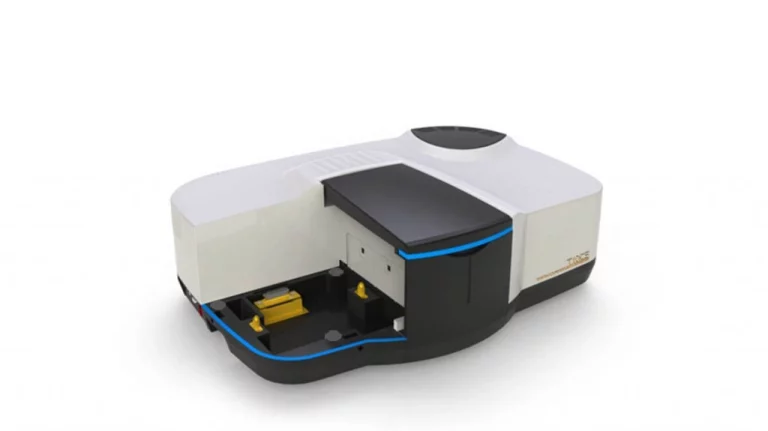
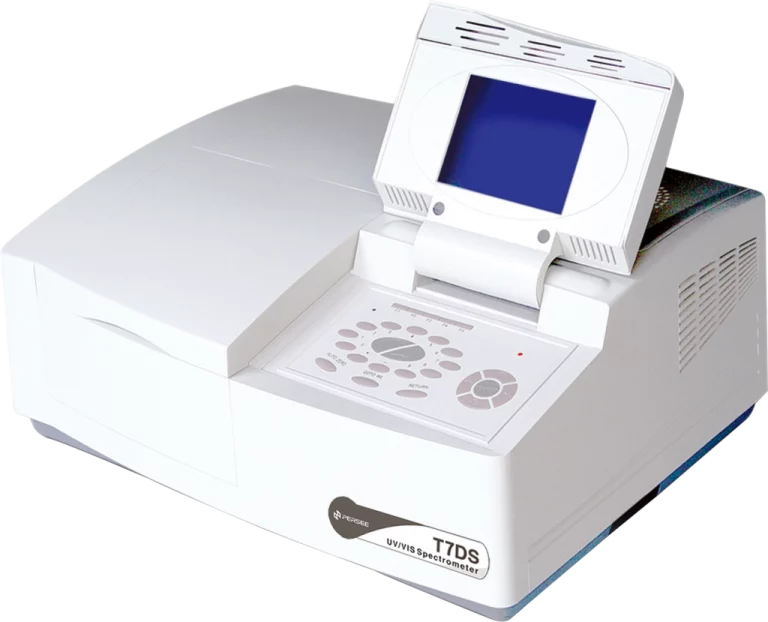
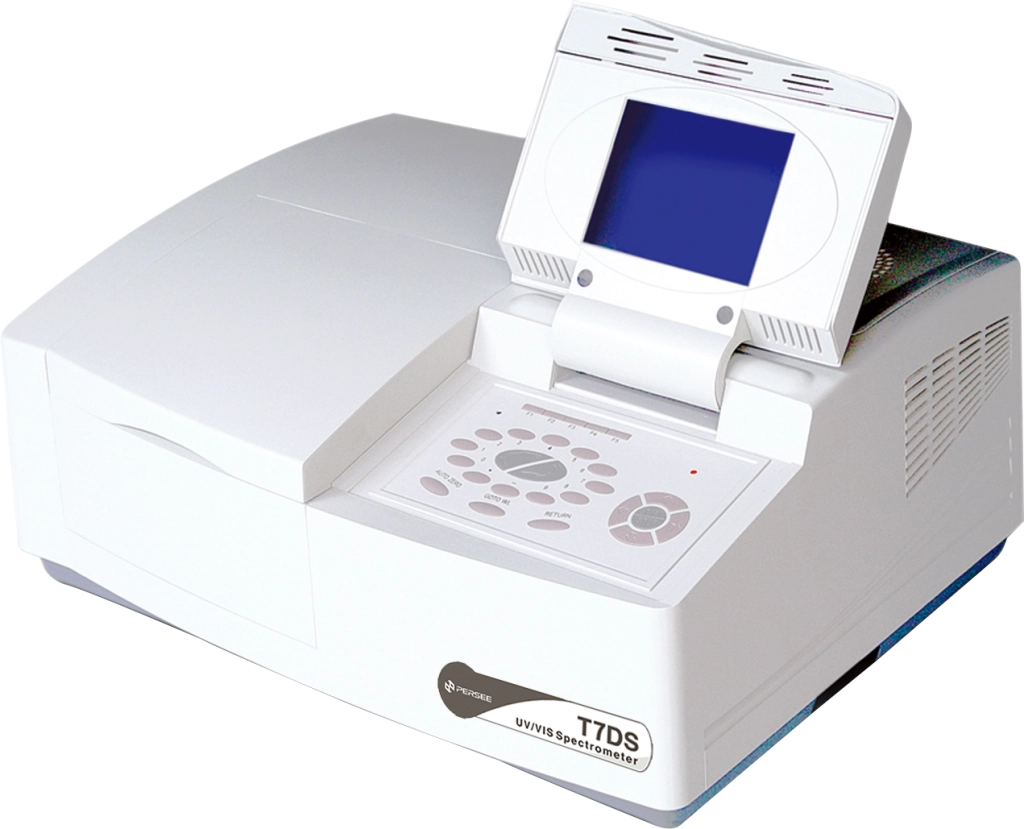
T7DS UV-Vis Spectrophotometer: Holographic grating greatly reduces the stray light of the instrument and makes the analysis more accurate. Its dual-beam design ensures superior photometric stability, ideal for quantitative analysis requiring high reproducibility.
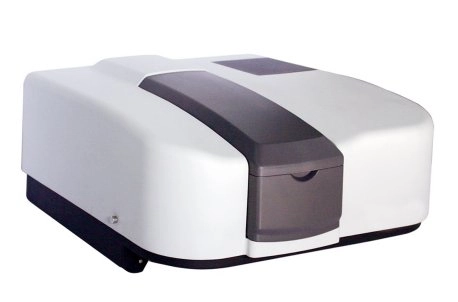
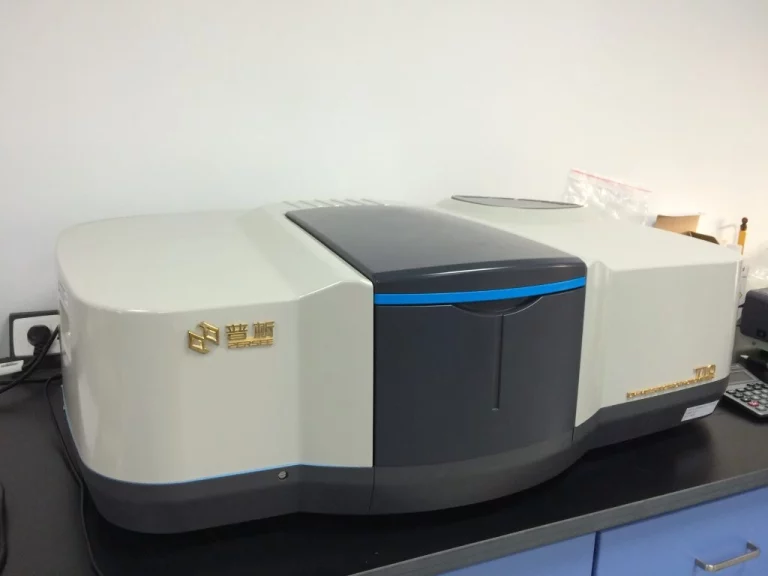
T9DCS UV-Vis Spectrophotometer: This instrument features ultra-low stray light optics (≤0.00004%T at 220 nm), which enable deep ultraviolet measurements with exceptional repeatability.
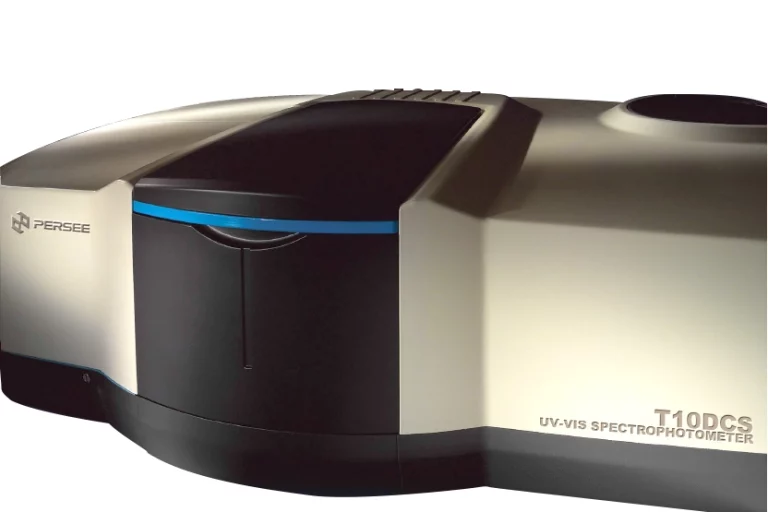
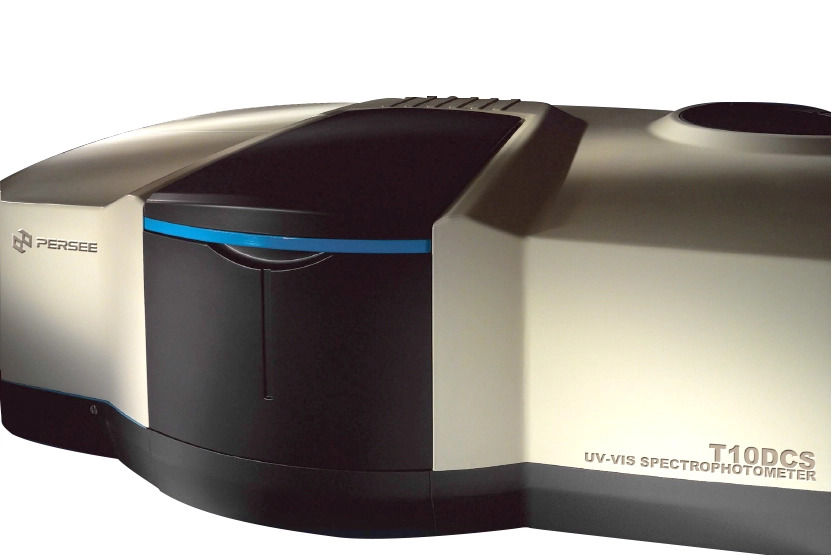
T10DCS Advanced Research Model: Designed for advanced research environments requiring precise wavelength accuracy supported by automatic correction via integrated mercury emission lamps—ideal for high-level academic or industrial R&D settings.
Each type mixes solid, light building with checked software answers built around USP/GLP ideas—making sure it fits easily into any controlled process setting.
Abschluss
Current UV-Vis spectrometer tech now blends automatic testing tools with safe digital setups that make following USP and GLP frames simpler while improving output in labs around the world. By joining tool accuracy with smart software check features like change logs and digital signatures, meeting 21 CFR Part 11 needs, labs reach steady rule matching without giving up work speed or analysis detail.
As we keep pushing our product range at PERSEE to better automatic levels and firmer rule help functions, we restate our promise to give steady tools that meet world quality hopes—helping scientists everywhere to create boldly in controlled areas. For full advice on picking the right spectrophotometer type fitted to your rule plan or process needs, please get in touch via our Kontaktseite.
FAQ (häufig gestellte Fragen)
Q1: How does modern UV-Vis software ensure compliance with 21 CFR Part 11?
A1: It incorporates electronic signatures verified against user credentials along with secure audit trails documenting every system interaction; this satisfies digital recordkeeping mandates under the FDA’s 21 CFR Part 11 regulation framework.
Q2: What distinguishes USP from GLP requirements in spectrophotometric analysis?
A2: USP focuses primarily on verifying instrument performance parameters such as wavelength accuracy or photometric linearity using certified reference materials; GLP emphasizes procedural rigor, including operator accountability and documentation control within validated systems.
Q3: Why choose PERSEE spectrophotometers for regulated laboratories?
A3: Our instruments combine advanced optical stability with compliance-oriented design features like automated qualification kits and GMP-compatible software modules—delivering dependable results suitable for pharmaceutical manufacturing quality control as well as academic research applications worldwide.