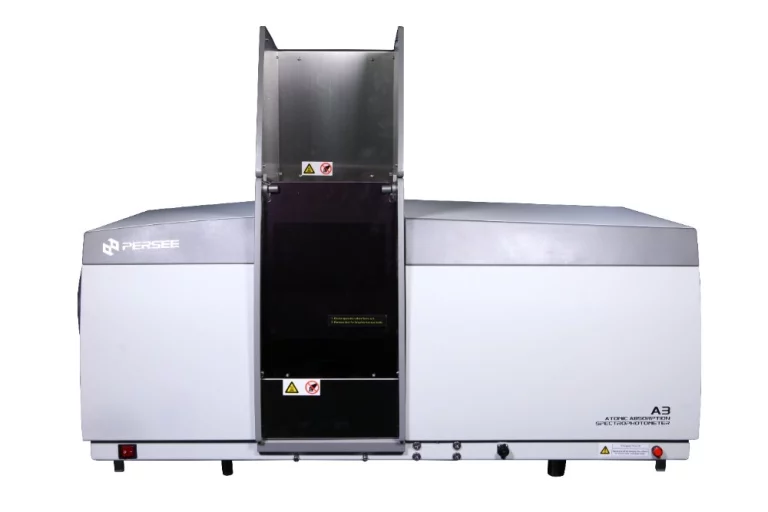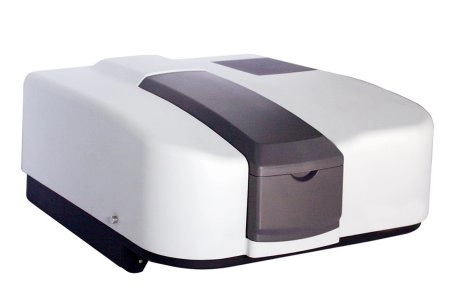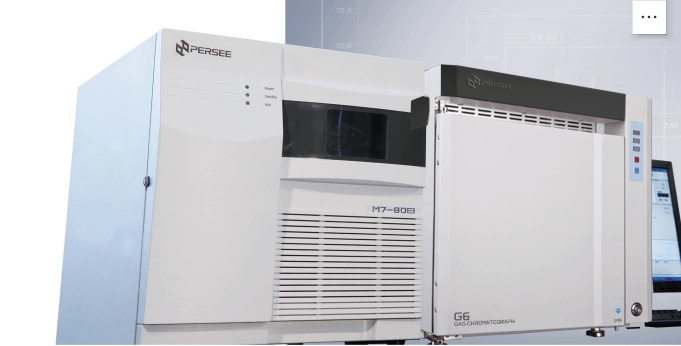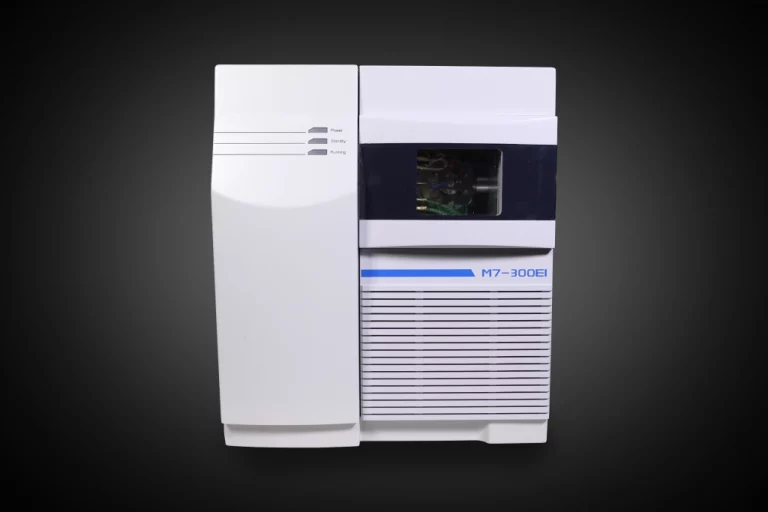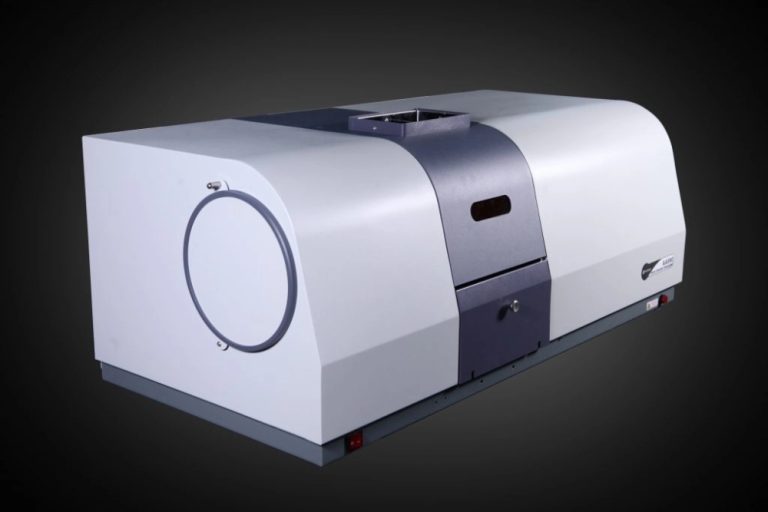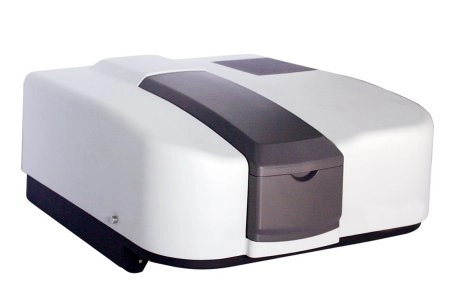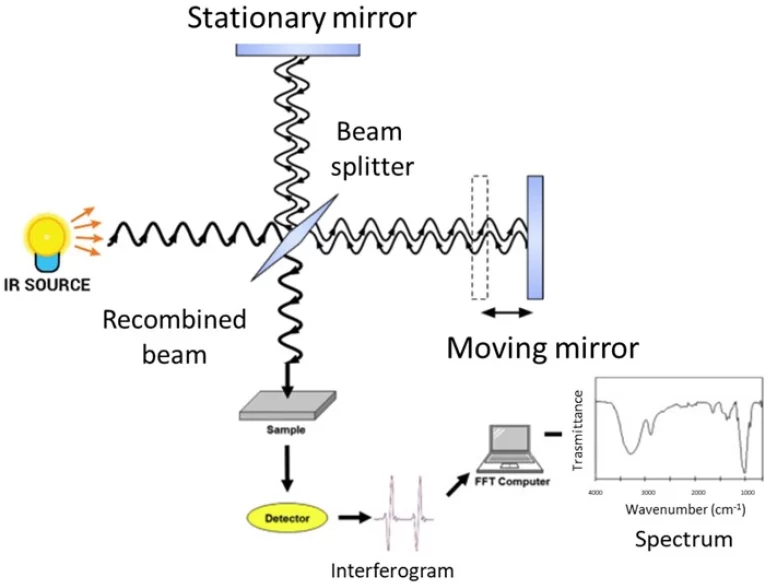
Spectrophotometry counts as one of the key analytical methods in pharmaceutical labs. It offers a base for making sure that each made drug follows firm safety, power, and cleanliness rules. A spectrophotometer acts as an analytical device in nearly all kinds of chemical, biological, or life science labs. Its power to check light uptake over ultraviolet and visible ranges lets experts measure amounts of active parts and spot unwanted substances with great care.
In the pharmaceutical field, following pharmacopoeial rules like USP and Ph. Eur. leaves no choice. All the different pharmacopoeias demand that users prove their spectrophotometry equipment runs correctly regarding the listed working features of Linearity, Wavelength, Bandwidth, and Stray Light. This step makes sure that every batch sent to the market maintains a steady quality and effect. The method’s number-based correctness also aids drug stability reviews, dissolution checks, and impurity maps—all main parts of official okay.
Test 1: Assay of Active Pharmaceutical Ingredients (APIs)
How Does UV-Vis Spectrophotometry Enable Accurate API Quantification?
The assay of APIs ranks as one of the basic tests in pharmaceutical quality checks. With Phổ quang học UV-Vis, experts can find the amount of an active substance from its usual uptake at a certain wavelength. Every chemical substance takes in, passes, or bounces light (electromagnetic radiation) over a set range of wavelengths. This event sets the ground for a number-based study using the Beer–Lambert law.
The quantity of light a sample takes in at any given wavelength is directly proportional to the amount in that sample. So, by checking uptake at λmax—where uptake peaks—experts can figure API amount in tablets or liquid mixes correctly. The way’s ease and repeat ability make it fit for regular QC tasks and rule-based check plans.
Test 2: Dissolution Testing
What Role Does Spectrophotometry Play in Measuring Drug Release Rates?
Dissolution testing looks at how fast an active part breaks down from its dose shape into liquid—a factor tied straight to how the body absorbs it. UV-Vis spectrophotometers track uptake shifts over time as a drug breaks in a set medium. These notes show how well a mix lets out its active stuff under body-like settings.
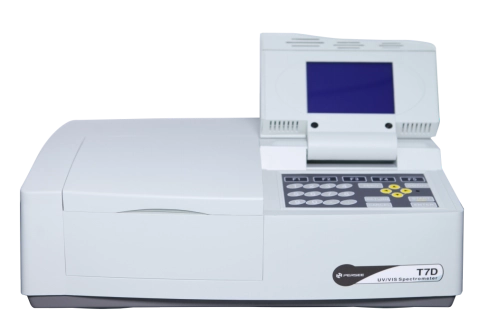
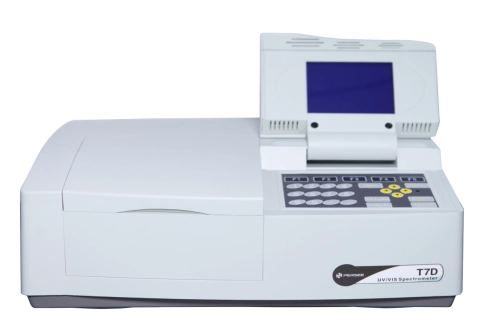
By using auto sampling systems linked to modern tools like the T7D UV-Vis spectrophotometer, labs can do live dissolution maps with fine detail. T7D/T7DS can handle photometric checks, spectrum looks, number findings, and DNA/Protein work. When connected to a PC with the UV-Win software, it adds more options like three-dimensional spectrum, motion checks, method, and data save. This auto setup cuts hand mistakes and keeps test settings steady over many samples.
Test 3: Identification and Quantification of Impurities
How Can Spectrophotometric Analysis Detect Degradation Products?
Finding impurities matters a lot for keeping patient safety and product trust. Even small bits of breakdown products can hurt treatment work or lead to bad side effects. Through spectrum scans from 190–900 nm, UV-Vis devices catch small changes or extra peaks that match unwanted items.
Spectrophotometers can gauge visible (white) light or ultraviolet light, down to about 190nm wavelength. This broad spectrum reach allows spotting both organic impurities and oxidation breakdown products. When mixed with math models or spin-off spectroscopy methods, these devices give sharp spotting skills that suit raw materials and done products. Modern systems like TU600 UV-vis offer steady optical work perfect for impurity maps in fast stability reviews or forced breakdown tests.
Test 4: Stability Testing
How Does Spectrophotometry Help Predict Shelf-Life?
Drug stability testing finds out how outside factors like heat, moisture, or light touch change chemical wholeness over time. UV-Vis spectrophotometry plays a main part by following uptake differences that show molecule splits or color shifts. Calibration, quality check, method okay, and setup are needed, either from a good lab practice view or rule demand. By checking spectrum traits now and then in storage reviews, experts can shape breakdown paths and estimate shelf-life correctly. Tools with double-beam optics give better base steadiness—key when matching reference to test samples in long reviews.
Test 5: Colorimetric Analysis for Quality Control
Why Are Colorimetric Methods Crucial for Liquid Formulations?
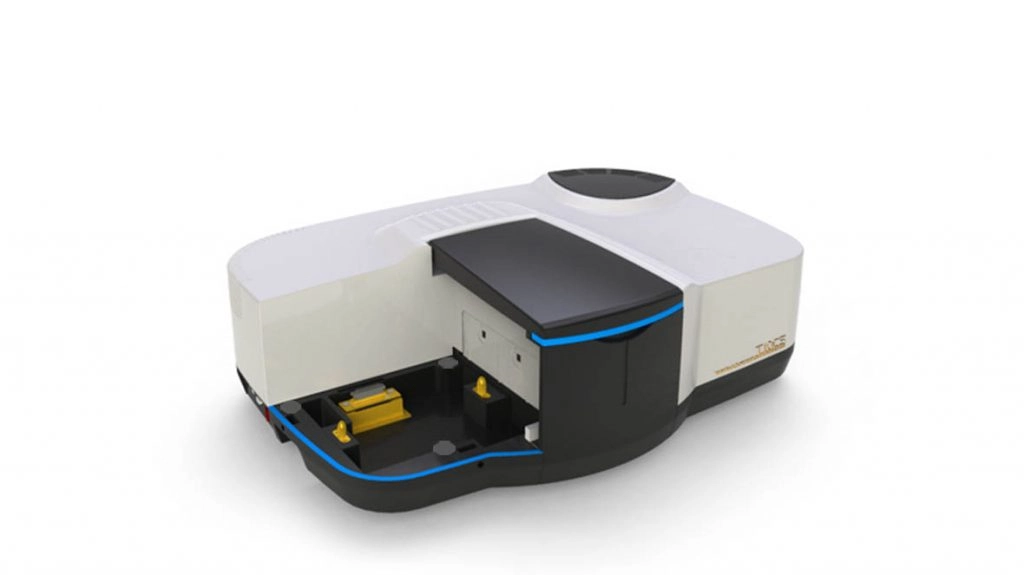
Color sameness is more than looks; it shows product wholeness. Any change might point to dirt or chemical weakness. Colorimetric study with UV-Vis spectrophotometers measures color strength via uptake ratios at set wavelengths in the visible range. Colorimetry is the measurement of color, used in analytical chemistry, color pair, color copy, and look studies. For liquid drugs like syrups or shots, this way makes sure that even looks over batches while finding early hints of rust or germ growth that change shade.
PERSEE as a Reliable Manufacturer of Analytical Instruments
Started in 1991, PERSEE has grown into one of China’s top manufacturers of scientific instruments. As said on its company site, it is “a modern high-tech enterprise integrating R & D, manufacturing, and sales of scientific instruments.” The company has an ISO9001 quality setup cert along with CE follow marks that promise exact build over its product set.
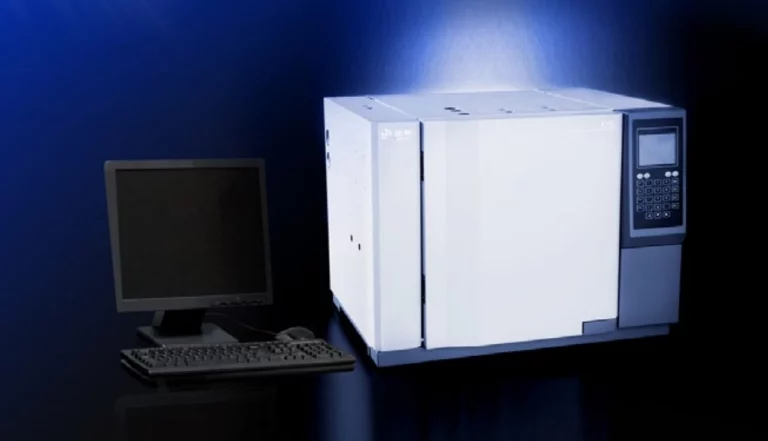
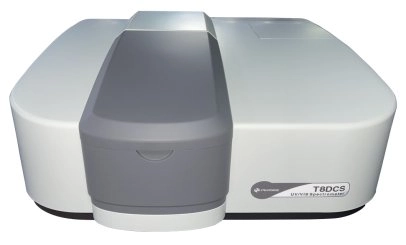
Its molecular spectrometers, such as TU-series UV-Vis units,s get wide note for their strong optical design with holographic gratings that cut stray light while keeping great wavelength accuracy. The T8DCS’s true double-beam optical system, tied with an effective and proven electronic control system, makes sure high steadiness and low background noise. Past tech skills, PERSEE stresses user-focused new ideas through easy software like UV-Win, which backs GLP-compliant flows needed in regulated pharmaceutical spots. Also, its chromatography answers—including gas chromatographs like G5 GC—push analytical skills past spectroscopy into full impurity maps and solvent leftover finding in pharmaceutical setups.
Phần kết luận
UV-Vis spectrophotometry remains key in today’s pharmaceutical quality control plans because of its bend over many analytical areas—from API measurement to impurity detection. It aids right review under tight rule frames while cutting work hard through auto-ready plans from manufacturers set to ongoing new.
Câu hỏi thường gặp
Q1: What is the primary advantage of using a UV-Vis spectrophotometer in pharmaceutical quality control?
A1: UV-Vis spectrophotometers give exact number results needed for judging drug power and cleanness while making sure follow with pharmacopeial rules set by world groups.
Q2: How does UV-Vis spectrophotometry contribute to impurity detection?
A2: By looking at uptake spectra in ultraviolet-visible ranges (190–900 nm), this way finds extra peaks tied to breakdown products or unwanted that show mixed weakness.
Q3: Can this technique be applied to both solid tablets and liquid formulations?
A3: Yes. Its bend lets right measure over varied dose forms—solid powders mixed into liquid or direct look of clear liquids—making it main through all steps of pharmaceutical make.