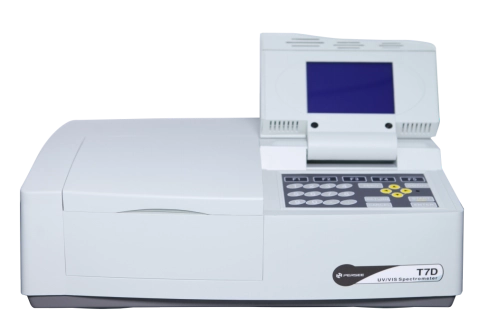
Every chemical compound takes in, lets through, or bounces back light, which is a form of electromagnetic radiation, across a certain set of wavelengths. Spectrophotometry checks the degree to which a chemical material absorbs or allows light to pass through, sending a ray through a liquid mixture and figuring out the amount of light that comes out the other side. This approach makes it possible to have a detailed numerical review, since the amount of the target substance in the liquid can be figured out based on how it holds back or lets through light at different wavelengths.
The Beer–Lambert Law provides the core basis for this method. It explains that the amount of light absorbed is directly tied to the quantity of the material that takes in light and to the length of the path the light travels in the sample holder. Because of this link, experts can work out unknown amounts with exactness, provided they use fitting reference points for setup.
Light connects with substances in ways including taking in, bouncing off, and going through. As photons meet up with molecules, particular wavelengths get pulled in according to the build of those molecules, and meanwhile, the others move on or get reflected from the outer part. These kinds of meetings form special marks in the light spectrum that matter greatly for spotting and counting materials in studies and business settings.
Components of a Spectrophotometer
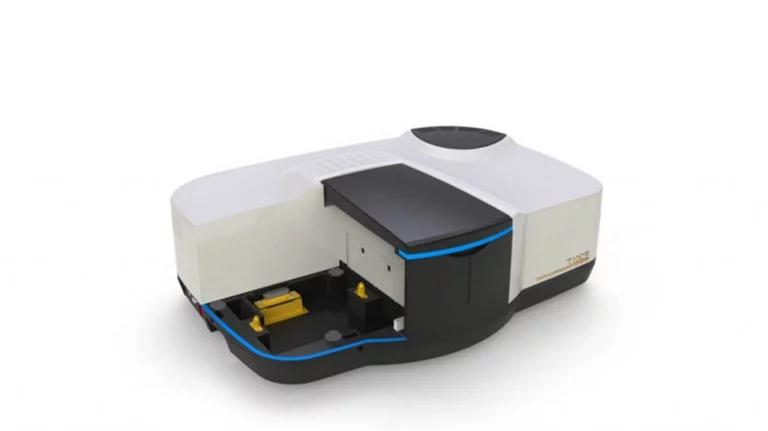
MỘT spectrophotometer has a number of main parts: a light source, a monochromator, a sample chamber, and a detector. The light from the source goes through an entry slit in the monochromator, which makes the beam a workable width. Then it goes through a diffraction grating, and there it gets broken into strips of single-color light. The picked wavelength then moves through the sample before it gets to the detector, which changes light power into electric signals ready for checking.
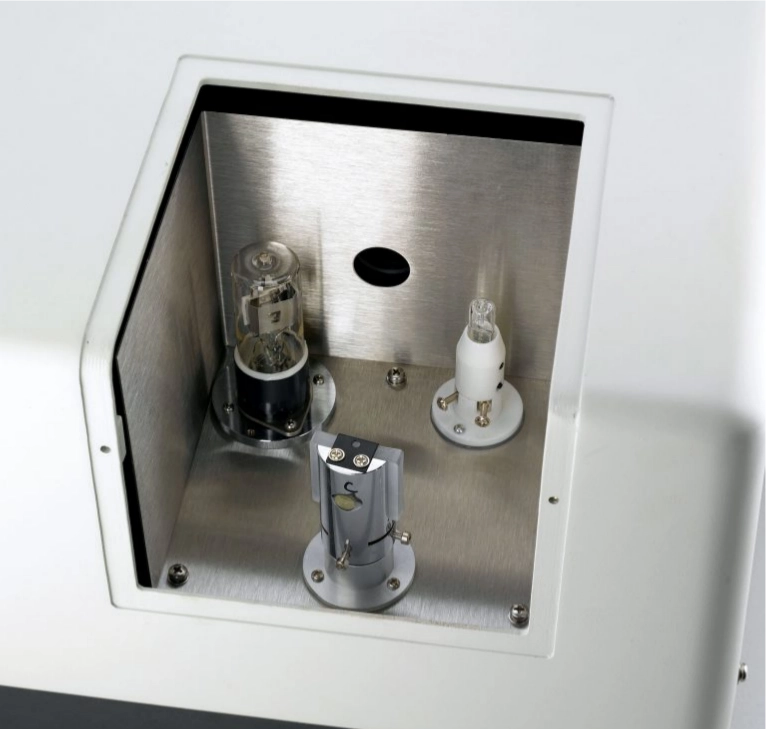
Usual light sources cover deuterium lamps for the ultraviolet or UV parts and tungsten-halogen lamps for the parts you can see. Monochromators, which can be prisms or diffraction gratings, work to single out exact wavelengths. Folks tend to pick diffraction gratings more often since they give better sharpness and less trouble from extra light. Detectors like photomultiplier tubes or PMTs, photodiodes, or charge-coupled devices or CCDs grab the light that passes with strong pickup and turn it into signals that can be measured.
How a Spectrophotometer Works
Getting the right measurements starts with close attention to reading the sample and putting it in a spotless cuvette to steer clear of dirt or light scatter issues. Setting up the device with known references makes sure of correctness by lining up the outputs to trusted samples, and this step counts heavily for fixing any slow changes in the tool or slight off-kicks in the light setup.
While in use, a beam of single-color light hits the sample and goes through it; some gets taken in, but the rest heads to the detector. The output from that gets handled by programs that make graphs showing how much light is absorbed at each wavelength. People who analyze then look at these graphs to sort out how much substance is there or to name what it is from the standout rises in the lines.
Types of Spectrophotometers
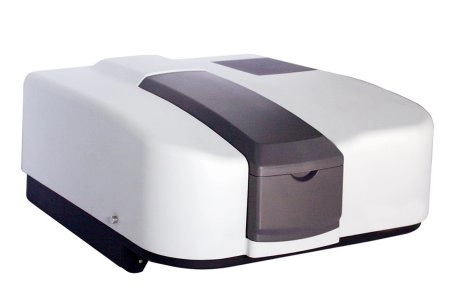
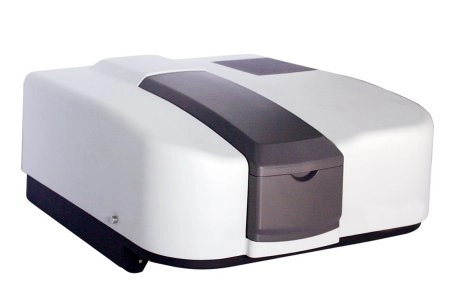
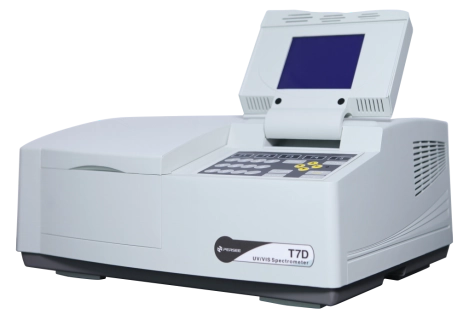
UV-Vis spectrophotometers gauge absorption from 190–1100 nm, and they see broad use in chemistry and life sciences to count up nucleic acids, proteins, and ions from transition metals. Tools like the T7D UV-Vis offer solid work with changeable widths for the spectrum and smart auto features that work well for light amount checks, full range looks, number-based findings, and checks on DNA or proteins.
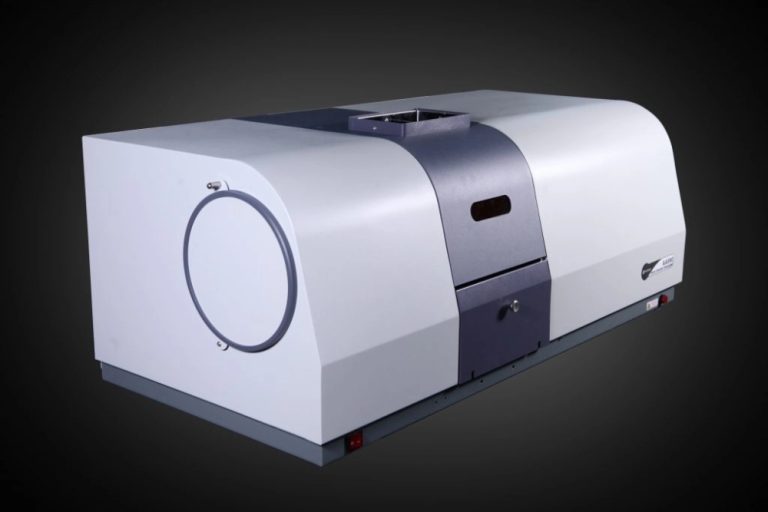
Infrared (IR) spectrophotometers function at stretched-out wavelengths to look into vibrations of molecules, which fits perfectly for checking groups in organic materials and naming tricky substances in drug work or research on polymers. Fluorescence spectrophotometers sense light that comes out instead of the light that just passes. Plenty of atom and molecule types glow; in other words, they pull in power from the UV-visible light area and fast release nearly all of that power. The great pickup they have turns them into must-haves for finding small traces in tests for biology and chemistry.
Key Applications of Spectrophotometry
Ways of using spectrophotometry play a vital part in keeping watch on the surroundings by picking out bad stuff like nitrates, phosphates, heavy metals, and natural dirt in water areas. They also judge air quality through checking particles with methods that soak up light in an optical way, and this remains key for sticking to rules from regulators and keeping nature safe.
Ứng dụng công nghiệp dược phẩm
In the drug world, spectrophotometry makes certain that drugs remain clean from the early steps of building mixes to the final checks on quality. Every official drug book calls for users to prove that their spectrophotometry gear runs right when it comes to working details like straight responses, true wavelength picks, band widths, and stray light. These reviews make sure of steady work when checking what a compound is or keeping amounts the same in batches made for output.
Clinical Diagnostics
Labs for clinical work use spectrophotometers to break down body liquids such as blood serum or urine in order to count levels of glucose, cholesterol, enzymes, or hemoglobin. Newer tools allow for sharp spotting of body markers that matter a lot for finding sickness early.
Introduction to PERSEE
PERSEE stands for many years of new thinking in tech for lab light studies. It got started in 1991 as Beijing Purkinje General Instrument Co., Ltd., and it has grown into a fresh high-tech business that pulls together research and development, making things, and selling them worldwide in fields like molecular spectroscopy, atomic spectroscopy, chromatography, X-ray reviews, and lab automation systems. The business has ISO9001 for quality control papers along with ISO14001 for green rule following, which makes sure products stay top-notch in different markets.
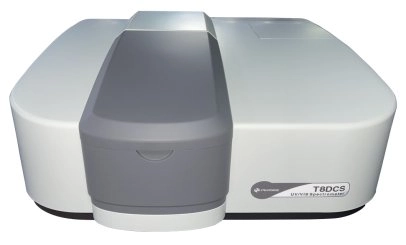
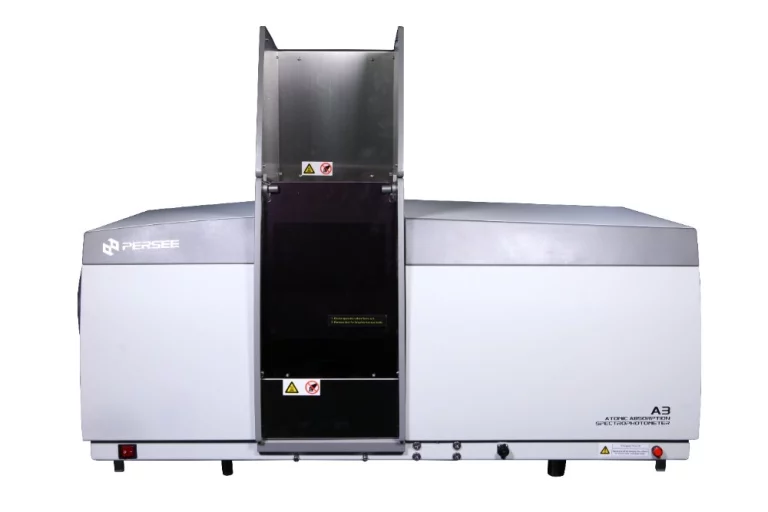
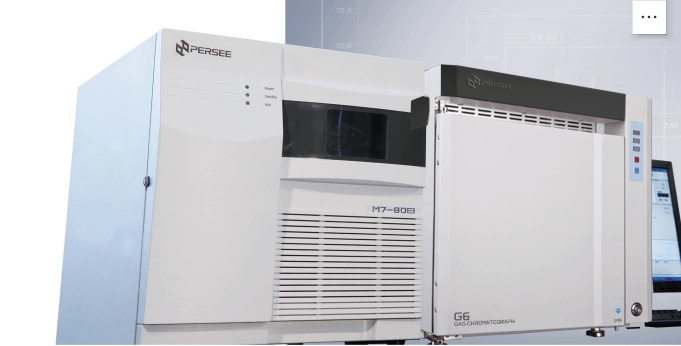
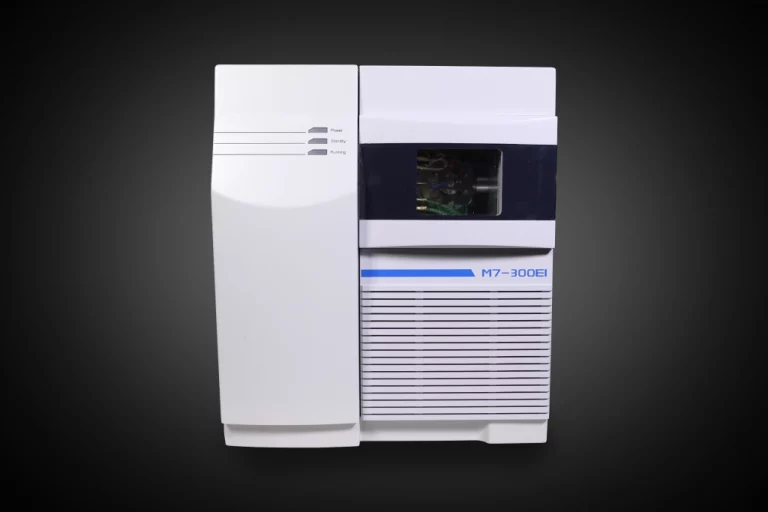
Its big lineup of products takes in UV-Vis spectrometers like the TU500 series for regular lab jobs; high-level double-beam setups such as T8DCS that give bandwidths which shift without stops; FTIR8000 units for infrared; atomic absorption types like A3AFG that blend flame and graphite for turning to atoms; gas chromatographs including the G5 GC; and stands for mass spectrometry shown by the M7 Single Quadrupole GC-MS made for guarding the environment and research in life sciences.
With over 30% of its workers busy in research and development tasks and several BCEIA Gold Awards for top tech work, PERSEE goes on to hand out exact tools supported by quick help for customers across the world, and this approach has built a strong name in the field over time, drawing in users who need reliable gear for their daily operations and long-term projects alike.
Phần kết luận
Spectrophotometry remains one of the handiest ways to break down samples out there today, for it ties numbers to how light gets soaked up with the amount of stuff present through the basic ideas of the Beer–Lambert Law. Its key parts, which include the light source, monochromator, cuvette chamber, and detector, team up without hitches to bring out correct data from light patterns that prove needed in all sorts of science areas, from basic labs to advanced research setups.
Starting from the following pollution in the environment, all the way to checking drugs in pharma and spotting issues in clinical work, this tech hands out results you can trust as long as you set it up right with checked references. Choosing tough tools from manufacturers you can rely on makes certain that work stays even in jobs that call for spot-on numbers, and this reliability extends to various scales of operation, whether in small teams or large facilities.
Solid fixes like the ones PERSEE puts out mix sharp light handling with simple program faces that smooth out the flow of work, all while holding to rules for oversight, and in doing so, they give power to labs around the globe with steady skills for measuring that fit into broader goals of progress and safety in scientific endeavors.
Câu hỏi thường gặp
Q1: What is the difference between UV-Vis and IR spectrophotometry?
A1: UV-Vis zeros in on ultraviolet and visible spots to measure shifts between electrons from 190–1100 nm; IR draws on longer wavelengths to sense shifts in molecules that help name building in organic chemistry.
Q2: How does a monochromator function in a spectrophotometer?
A2: It pulls out exact wavelengths from broad light using prisms or diffraction gratings, so just one shade or a tight group of light gets to the sample, which locks in sharp breaks in the spectrum.
Q3: Why is calibration important in spectrophotometry?
A3: Setting up builds baselines against approved standards to lock in true readings of absorption while fixing shifts in the tool as time passes, and this stays key for results that line up across different lines of work.