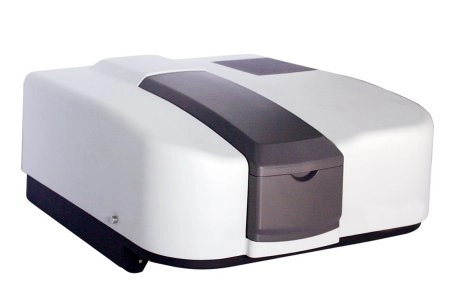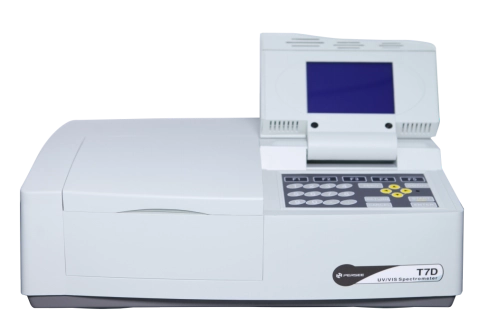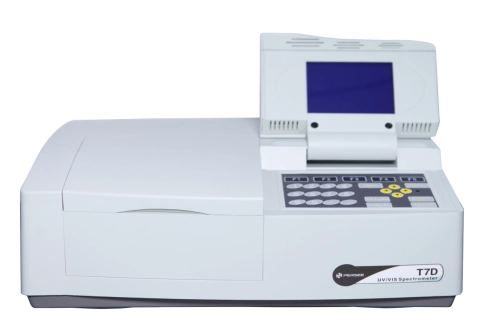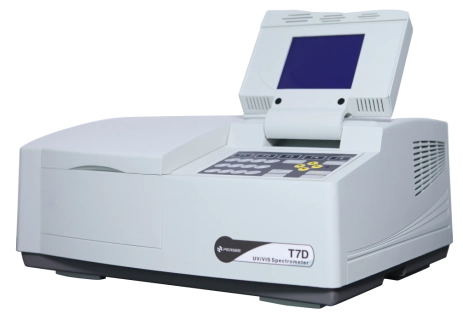
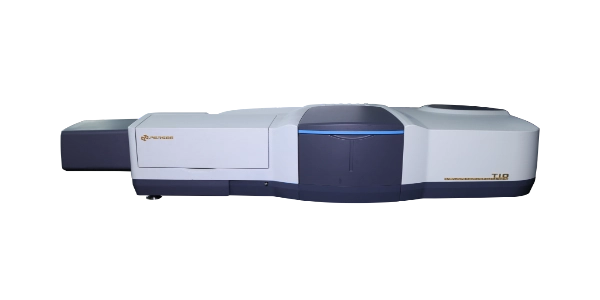
สาขาพิษทางการแพทย์กฎหมายต้องการเครื่องมือที่ให้ผลที่แม่นยำในความเร็วที่รวดเร็ว ขณะที่สามารถปรับวิธีการของพวกเขาได้ การทดสอบทางพิษวิทยาที่เพิ่มขึ้นต้องใช้เครื่องมือวิเคราะห์ที่น่าเชื่อถือเพื่อดำเนินการอย่างมีประสิทธิภาพ การรวมกันของความเร็วและความแม่นยำและความหลากหลายทําให้ UV-Vis spectrophotometers เป็นสิ่งจำเป็นสําหรับการวิเคราะห์ทางพิษวิทยา T10DCS UV-Vis จาก เพอร์ส เป็นการแก้ไขที่ทันสมัยที่ตอบสนองความต้องการที่ต้องการของห้องปฏิบัติการกฎหมายที่ทํางานทั่วโลก
ความต้องการที่เพิ่มขึ้นสำหรับ UV-Vis Spectrophotometers ในพิษวิทยาศาสตร์
เพิ่มความไวและความเฉพาะในการตรวจสอบพิษ
การวิเคราะห์ตัวอย่างชีวภาพที่ซับซ้อนในห้องปฏิบัติการกฎหมายต้องการเครื่องมือที่ให้ทั้งความเฉพาะและระดับความไวสูง UV-Vis spectrophotometers ทําให้สามารถตรวจจับสารพิษหลายอย่างแม่นยำที่มีอยู่ในตัวอย่างทางชีวภาพรวมถึงยาและพิษ
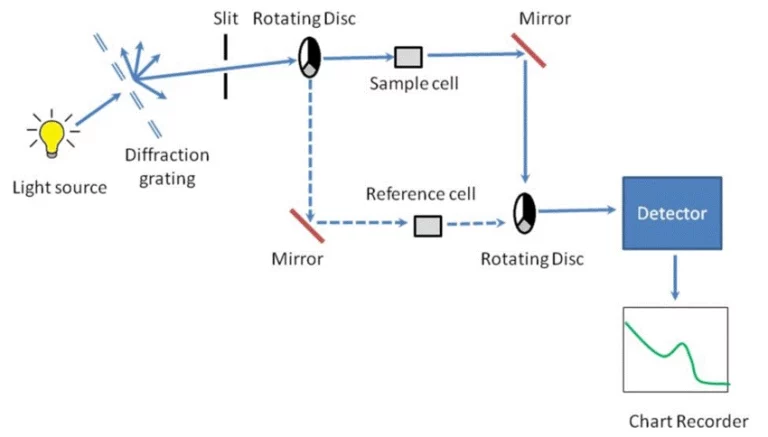
ที่ t10dcs uv-vis มีการออกแบบ monochromator คู่คานแท้ซึ่งให้ประสิทธิภาพแสงที่เสียหายที่พิเศษของ ≤0.00004% T ที่ 220 นาโนเมตร เพื่อผลิตสัญญาณที่สะอาดและลดการรบกวนพื้นหลัง โคมไฟปล่อยปรทุกในตัวให้การแก้ไขความบิดเบี่ยงของสเปกตรัมอัตโนมัติเพื่อรักษาความแม่นยำของความยาวคลื่นที่แม่นยำ การตั้งค่าคู่ลำแสงรักษาเส้นพื้นฐานที่มั่นคงโดยการเปรียบเทียบตัวอย่างและลำแสงอ้างอิง ซึ่งช่วยลดความผิดพลาดจากความผันผวนของแหล่งแสงหรือการปนเปื้อนเส้นทางแสง รับประกันผลลัพ
ความสามารถในการวิเคราะห์อย่างรวดเร็วและมีประสิทธิภาพต้นทุน
เวลาในการวิเคราะห์สําหรับ UV-Vis spectrophotometry ยังคงสั้นกว่า chromatography เพราะวิธีนี้ต้องใช้ทรัพยากรน้อยกว่าในการทํางาน ระบบ T10DCS ช่วยให้ผู้ใช้สามารถทําการทดสอบปริมาณสูงในขณะที่รักษาผลการวิเคราะห์ที่แม่นยำ ระบบต้องการการเตรียมตัวอย่างที่น้อยที่สุด ซึ่งลดเวลาการวิเคราะห์และลดค่าใช้จ่ายเมื่อทํางานกับตัวอย่างทางกฎหมายจำนวนมากในช่วงสถานการ
การใช้งานที่กว้างขวางทั่วชั้นยาและแมทริกส์
เครื่องวัดสเปคโตรโฟโตมิเตอร์ T10DCS ที่มีความสามารถ UV-Vis ทําให้นักวิจัยสามารถตรวจจับสารผิดกฎหมายและสารประกอบการรักษาในตัวอย่างเลือดและตัวอย่างปัสสาวะและเน เครื่องวัดสเปคโตรโฟโตเมตร T10DCS มีการตั้งค่าความยาวคลื่นที่ปรับได้ ซึ่งทําให้สามารถตรวจจับประเภทสารประกอบต่างๆ ได้อย่างมีประสิทธิ ระบบ PERSEE ให้การสนับสนุนการพัฒนาวิธีการสําหรับเมทริกซ์ทางกฎหมายที่ซับซ้อน ซึ่งทําให้มันเหมาะสมสําหรับการใช้งานทางพิ
การรวม UV-Vis กับเครื่องมือวิเคราะห์อื่น ๆ
การใช้งานเสริมกับเทคนิคการวัดสเปคโตรมิตรมวล
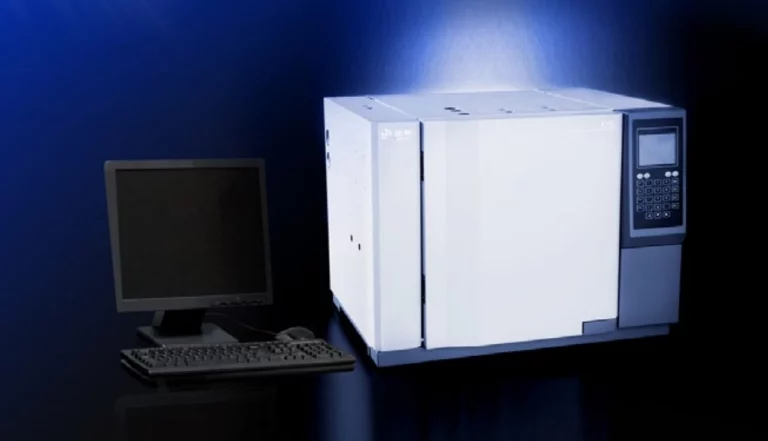
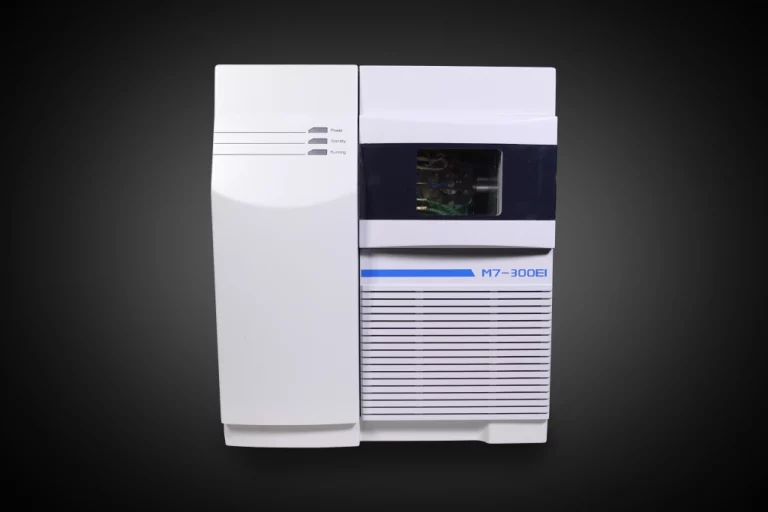
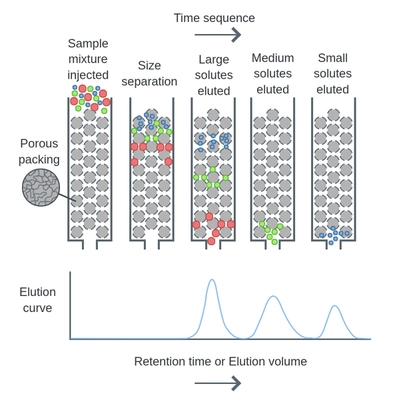
กระบวนการคัดกรองเริ่มต้นขึ้นอยู่กับ UV-Vis เพราะมันให้ผลได้อย่างรวดเร็วและมีค่าใช้จ่ายที่ไม่แพง แต่โครมาโตกราฟี เช่น HPLC หรือ GC เป็นการระบุสุดท้ายของผสมหรือสารที่ ที่ m7 quadrupole gc-ms เดี่ยว เป็นเครื่องมือที่ต้องการสําหรับการใช้งานเฉพาะนี้ M7 MS ทํางานในหลายด้านรวมถึงความปลอดภัยอาหารและการคุ้มครองสิ่งแวดล้อม และอุตสาหกรรมเคมีวัสดุ และวิทยาศาสตร์ชีวิตและการวิจัยแพทย์ การรวมข้อมูล UV-Vis กับการวิเคราะห์การวิเคราะห์การวิเคราะห์การวิเคราะห์การวิเคราะห์การวิเคราะห์การวิเคราะห์การวิเคราะห์การวิเคราะ
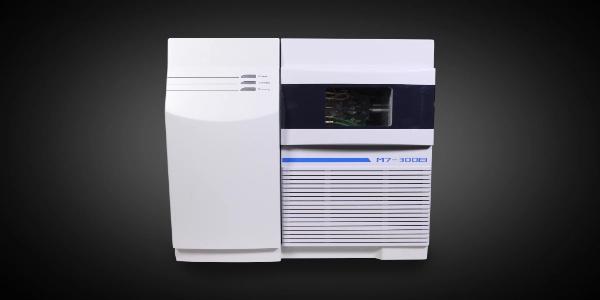
การซิงโครไนข้อมูลในกระบวนการทำงานหลายเครื่องมือ
ห้องปฏิบัติการกฎหมายที่ทันสมัย ต้องการเครื่องมือของพวกเขาที่จะทำงานร่วมกันอย่างสมบูรณ์แบบ เพราะการตั้งค่านี้ให้ทั้งการติดตามและลดความผิ ชุดเครื่องมือ PERSEE ทํางานด้วยรูปแบบข้อมูลมาตรฐาน ซึ่งทําให้ผลการทดสอบพิษวิทยาได้อย่างรวดเร็ว การใช้แพลตฟอร์มซอฟต์แวร์ที่ประสานงานช่วยให้นักวิจัยสามารถจัดการข้อมูลพร้อมกัน ซึ่งลดจํานวนความผิดพลาดที่เกิดขึ้นในระหว่าง
การสนับสนุนกลยุทธ์การทดสอบระดับในห้องทดลองพิษวิทยา
ห้องปฏิบัติการบรรลุการใช้ทรัพยากรสูงสุดผ่านการทดสอบระดับ ซึ่งเริ่มต้นด้วยขั้นตอนการตรวจสอบอย่างรวดเร็ว ตามด้วยวิธีการยืนย T10DCS ทํางานด้วยความเร็วสูงในขณะที่ยังคงใช้ง่าย ซึ่งทําให้เหมาะสำหรับการทดสอบแรก วิธีการเพิ่มความจุของห้องปฏิบัติการขณะที่รักษาผลการวิเคราะห์ที่แม่นยำ
ข้อดีทางเทคนิคของ T10DCS UV-Vis Spectrophotometer
ความละเอียดสูงด้วยการออกแบบ Dual-Beam
ออปติกส์คู่ลำแสงรักษาประสิทธิภาพอย่างคงที่ตลอดการวิเคราะห์ที่ขยายไป เครื่องมือให้ความแม่นยำของความยาวคลื่นที่แม่นยำผ่านเส้นทางแสงที่ปิดผนึกอย่างเต็มที่ และการจัดอันดับแสงที่เสียหายต่ำสุด ซึ่งเป็นสิ่งสำคัญสําหร ปริมาณการดูดซึมแสงโดยตัวอย่างที่ความยาวคลื่นเฉพาะแสดงโดยตรงระดับความเข้มข้นของตัวอย่าง
ช่วงความยาวคลื่นที่กว้างเหมาะสำหรับ Analytes ที่หลากหลาย
ระบบทำงานภายในช่วงมาตรฐาน 185-900 นาโนเมตร ด้วยความสามารถในการขยายถึง 1100 นาโนเมตร เมื่อใช้การล้างไนโตรเจน ทําให้สามารถตรวจจับสารพิษอินทรีย์และอินทรีย์บางอย่าง ระบบทำงานที่ความยาวคลื่นตั้งแต่ 190nm ถึง 1100nm เพื่อการตรวจจับสารพิษอินทรีย์และอินทรีย์ ระบบทําให้มีตัวเลือกการสแกนที่ยืดหยุ่น ซึ่งทําให้นักวิเคราะห์เลือกโครโมฟอร์เฉพาะสําหรับการวิเคราะห์หลายส่วนประกอบพร้อมก
การบูรณาการซอฟต์แวร์ที่แข็งแกร่งสําหรับการจัดการข้อมูล
ระบบซอฟต์แวร์ของเครื่องมือนี้ทําให้ผู้ใช้สามารถสร้างวิธีการที่กำหนดเองได้ ขณะที่รักษาการติดตามที่ปลอดภัยของเส้นทางการตรวจสอบสําหรับเอกสาร เครื่องมือรวมถึงห้องสมุดสเปคตรัมที่สร้างขึ้นใน ซึ่งช่วยให้ผู้ใช้ระบุสารพิษผ่านโปรไฟล์การดูดซึมของพวกเขา เครื่องมือจําเป็นต้องให้ผู้ใช้ทําการทดสอบการปรับเทียบและการควบคุมคุณภาพ และการตรวจสอบวิธีการและคุณสมบัติ เพราะขั้นตอนเหล่านี้ปฏิบั
เพิ่มประสิทธิภาพในการดำเนินงานในกระบวนการทำงานทางกฎหมาย
ขั้นตอนการเตรียมตัวอย่างที่เรียบง่าย
วิธีการตรวจสอบสเปคโตรโฟโตเมตรี UV-Vis ช่วยลดความจําเป็นต้องมีขั้นตอนการทำความสะอาดที่ซับซ้อน ระบบ T10DCS ทําให้ผู้ใช้สามารถทําการวิเคราะห์ที่ควบคุมตัวอย่างชีวภาพที่แจ้ง โดยไม่ต้องเปิดเผยต่อการปนเปื้อนในระหว่างการประมวลผล
เวลาหยุดเครื่องมือที่น้อยที่สุดผ่านวิศวกรรมที่น่าเชื่อถือ
เครื่องมือทํางานในปริมาณสูงผ่านส่วนประกอบที่ใช้งานยาวนาน ซึ่งลดความต้องการเวลาหยุดสําหรับการบำรุงรักษา เครื่องมือรวมถึงเครื่องมือการวินิจฉัยในตัว ที่ช่วยให้ผู้ใช้สามารถตรวจสอบระบบได้อย่างรวดเร็วผ่านการวิเคราะห์ในสถานที่หรือการสนั
ความต้องการในการฝึกอบรมที่เหมาะสมสําหรับพนักงานห้องปฏิบัติการ
เครื่องมือมีอินเตอร์เฟซที่ใช้งานง่าย ซึ่งช่วยให้ผู้ใช้ใหม่สามารถดำเนินการได้โดยไม่ต้องฝึกอบรมอย่างกว้างขวาง PERSEE ให้ผู้ใช้สามารถเข้าถึงโปรแกรมอบรมในสถานที่และระยะไกลผ่านเครือข่ายการสนับสนุนทางเทคนิค
การใช้งานที่เกี่ยวข้องกับกรณีหลังการตายและกรณีพิษทางคลินิก
การตรวจจับยาทั่วไปที่เกี่ยวข้องกับกรณียาเกินไป
วิธีการดูดซับ UV spectra ช่วยให้สามารถระบุโอพิออยด์และเบนโดยาเซปีนและสารกระตุ้นในตัวอย่างของเหลวหลังการตายได้อย่างรวดเร็ว T10DCS ดำเนินการสแกนกึ่งเป้าหมายเพื่อตรวจจับสูงสุดที่เกี่ยวข้องกับยาเสพติด ซึ่งปรากฏที่ความเข้มข้นที่ตรงกับระดับการสัมผัสยาเสพติดเ
ความแตกต่างระหว่างการใช้การรักษาและการสัมผัสกับพิษ
ระบบการกําหนดระดับยาเกินขอบการรักษาผ่านความสามารถในการวัดปริมาณของมัน ระบบ’ เส้นโค้งการปรับเทียบเส้นตรงทําให้การวิเคราะห์การตอบสนองยาที่จําเป็น ซึ่งสนับสนุนการสรุปทางการแพทย์ตามกฎหมาย
การใช้งานในการตั้งค่าคลินิกฉุกเฉิน
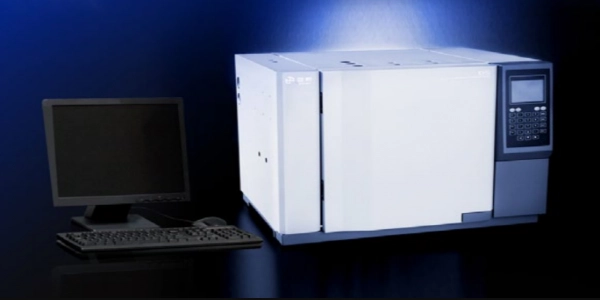
T10DCS ต้องการการดําเนินการทันทีในระหว่างสถานการณ์พิษฉุกเฉิน การตั้งค่า T10DCS แบบพกพาทําให้สามารถตรวจสอบอย่างรวดเร็วในการตั้งค่าคลินิกฉุกเฉิน แต่สําหรับการวิเคราะห์พิษวิทยาที่แม่นยำและรายละเอียดมากขึ้น เทคนิคเช่น LC-MS หรือ
ประโยชน์ทางกลยุทธ์ของการร่วมมือกับ PERSEE Instruments
พอร์ตโฟลิโอผลิตภัณฑ์ที่ครอบคลุมที่สนับสนุนห้องทดลองพิษวิทยา
ห้องปฏิบัติการ PERSEE ใช้ UV-Vis spectrophotometers ร่วมกับ A3AFG ระบบการดูดซึมอะตอมที่ช่วยตรวจจับโลหะหนักสําหรับการประเมินองค์ประกอบพิษ รวมถึงการสัมผัสกับตะกั่วและปรอต
โครงสร้างพื้นฐานการสนับสนุนทั่วโลกที่รับประกันความต่อเนื่องของการดำเนินงาน
ความต่อเนื่องของห้องทดลองขึ้นอยู่กับ PERSEE เพราะมันรักษาศูนย์บริการทั่วภูมิภาคที่แตกต่างกัน และให้สิ่งอำนวยความสะดวกอบรมที่กว้างข PGENERAL ศูนย์ข่าวสาร ให้การเข้าถึงวัสดุสนับสนุนออนไลน์ซึ่งรวมถึงคู่มือและหมายเหตุการใช้งาน
นวัตกรรมอย่างต่อเนื่องตามความต้องการทางกฎหมาย
PERSEE อุทิศให้ความพยายามในการวิจัยและพัฒนาเพื่อรักษาการปฏิบัติตามมาตรฐานใหม่ ๆ ของเครื่องมือ ขณะที่ใช้ความคิดเห็นของห้องปฏิบัติการ PGENERAL Applications Portal แสดงความหลากหลายของโซลูชั่นสำหรับเฉพาะ แอปพลิเคชัน.
คำถามที่พบบ่อย
Q1: UV-Vis spectrophotometry เปรียบเทียบกับเทคนิค chromatographic ในพิษทางกฎหมายอย่างไร?
ตอบ: กระบวนการตรวจสอบเริ่มต้นใช้ UV-Vis เพราะมันให้ผลได้อย่างรวดเร็วและมีค่าใช้จ่ายที่ไม่แพง แต่โครมาโตกราฟย์ใช้เพื่อวัตถุประส การรวมกันวิธีเหล่านี้สร้างกระบวนการทดสอบที่มีประสิทธิภาพ
Q2: อะไรที่ทําให้เครื่องวัดสเปคโตรโฟโตเมตร dual-beam เหมาะสำหรับห้องปฏิบัติการกฎหมาย?
ตอบ: ระบบ Dual-beam ทําให้มีความเสถียรภาพและความสามารถในการทำซ้ำที่เพิ่มขึ้น ซึ่งเป็นสิ่งจำเป็นสําหรับการดําเนินการวิเคราะห์ปริมาณด้วยผลลัพธ์ที่
Q3: UV-Vis สามารถตรวจจับโลหะหนักได้หรือไม่?
ตอบ: เครื่องมือ A3AFG เป็นเครื่องมือการตรวจจับโลหะหนัก เพราะ UV-Vis spectroscopy ใช้เป็นหลักเพื่อระบุสารอินทรีย์ แต่สามารถตรวจจับไอออนโลหะได้เมื่อสร้างคอมเพล็กซ์กับ ligands อินทรีย์ที่ด สําหรับการตรวจจับโลหะหนักอย่างแม่นยำเช่น ตะกั่วและปรอต การดูดซึมอะตอม (AAS) เป็นวิธีที่ต้องการ
Q4: ฉันจะรวมผลจาก UV-Vis ในโครงสร้างพื้นฐานดิจิตอลของห้องทดลองของฉันได้อย่างไร?
ตอบ: เครื่องมือ T10DCS ช่วยให้องค์กรสามารถใช้รูปแบบข้อมูลมาตรฐานที่ระบบการจัดการกรณีดิจิตอลสามารถยอมรับได้เพื่อประสิทธิภาพการรายงานที่ดีขึ้น
Q5: ฉันจะหาการสนับสนุนหรือการฝึกอบรมเฉพาะแอพพลิเคชันได้ที่ไหน?
ตอบ: คุณสามารถเข้าถึงทรัพยากรการฝึกอบรมและคู่มือและการสนับสนุนทางเทคนิคสำหรับสนามของคุณผ่าน เว็บไซต์อย่างเป็นทางการของ PERSEE.