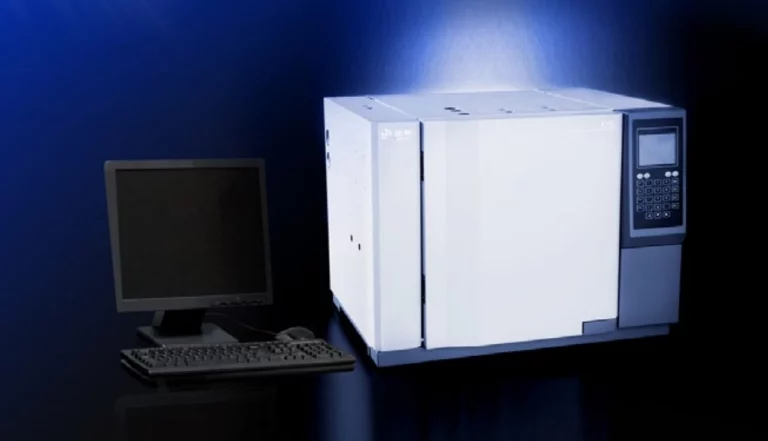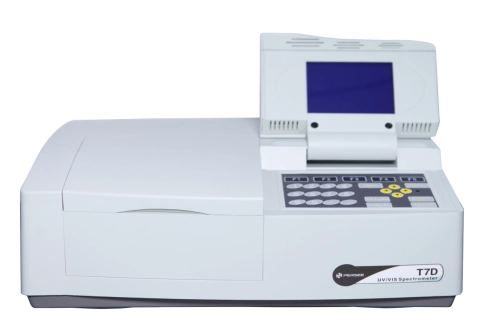
สาขาเคมีวิเคราะห์ขึ้นอยู่กับโครมาโตกราฟีก๊าซเป็นเครื่องมือพื้นฐานของมัน ซึ่งทําให้การแยกและการวิเคราะห์ปริมาณของสารละลายได้อย เทคนิคการวิเคราะห์ให้บริการหลายอุตสาหกรรม ซึ่งรวมถึงการติดตามสิ่งแวดล้อม และการประมวลผลปิโตรเคมีและการทดสอบยา เครื่องตรวจจับก๊าซแยกส่วนประกอบตัวอย่างผ่านความแตกต่างของคุณสมบัติทางกายภาพและเคมี ก่อนที่จะใช้เครื่องตรวจจับเฉพาะสําหรับการ การเลือกประเภทเครื่องตรวจจับของคุณกําหนดความสำเร็จในการวิเคราะห์ เพราะเครื่องตรวจจับแต่ละเครื่องทํางานผ่านหลักการที่แตกต่างกันและแสดงระด
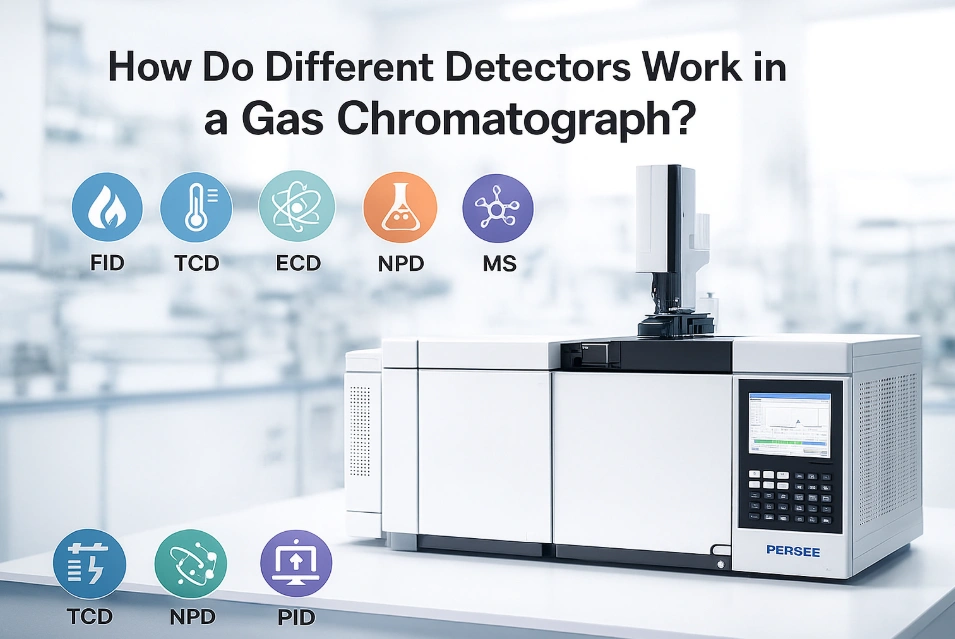
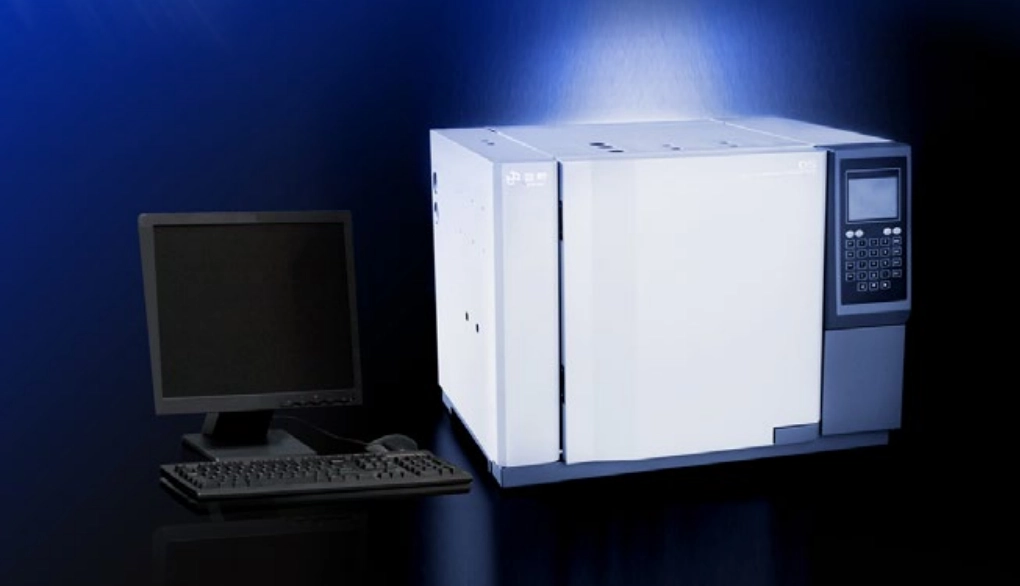
G5 GC จาก เพอร์ส ให้บริการ Chromatograph ก๊าซที่มีประสิทธิภาพสูงที่หลากหลาย ซึ่งช่วยให้ผู้ใช้เลือกจากการตั้งค่าเครื่องตรวจจับต่างๆ สําหรับความต้องการในการวิเค PERSEE เป็นบริษัทเทคโนโลยีสูงที่ทันสมัย ซึ่งพัฒนาและผลิตเครื่องมือวิเคราะห์สําหรับตลาดต่างๆ รวมถึงวิทยาศาสตร์สิ่งแวดล้อมและความปลอดภ
เครื่องตรวจจับไอออนิเซชั่นเพลิงและบทบาทการวิเคราะห์ของมัน
เครื่องตรวจจับไอออนไซชั่นเพลิง (FID) ทํางานเป็นเครื่องตรวจจับหลักในการตรวจจับโครมาโตแก๊ส เพราะมันให้ความไวในการตรวจจับสารประกอบอินทรีย์ท
หลักการตรวจจับสารประกอบอินทรีย์ผ่าน Ionization
FID ตรวจจับไฮโดรคาร์บอนโดยการวัดกระแสไอออนที่ผลิตขึ้นในระหว่างการเผาไหม้ของไฮโดรคาร์บอนในเพลิงไฮโดรเจน-อากาศ โดยเป้าหมายส่วนใหญ่คือการเชื่อมโยง C วิธีการให้การตรวจจับสารอินทรีย์ที่มีความไวของสารอินทรีย์ที่มีพันธุ์ C-H ซึ่งทําให้มันเหมาะสำหรับการระบุอัลเคนและอัลเคนและสารออมและสารอินท เครื่องมือตรวจจับกระแสที่เกิดจากปฏิกิริยาการเผาไหม้ดังนั้นจึงไม่แสดงการตอบสนองต่อก๊าซอนินทรีย์หรือสารประกอบที่ออกซิไดด์อย่ ₂ and H₂O.
ประสิทธิภาพและลักษณะการตอบสนองตามปริมาณ
ระบบการตรวจจับ FID แสดงให้เห็นถึงประสิทธิภาพที่ดีที่สุดผ่านความสามารถในการตรวจจับความเข้มข้นต่ำและความเข้มข้นที่สามารถตรวจจับได้หลากหลาย เครื่องตรวจจับแสดงผลผลิตเชิงเส้นตามช่วงการวัดที่กว้างขวาง ซึ่งทําให้มันเหมาะสมสําหรับการทดสอบปริมาณ เครื่องตรวจจับสร้างสัญญาณที่สม่ำเสมอในระหว่างการฉีดหลายครั้ง ซึ่งทําให้ผู้ใช้สามารถบรรลุผลที่น่าเชื่อถือในกระบวนการทำงานประจํ
สถานการณ์การใช้งาน PERSEE G5 GC
ที่ G5 GC ระบบประกอบด้วยโมดูล FID ที่ทํางานสําหรับการตรวจจับ VOC ในสามประเภทตัวอย่างที่แตกต่างกัน คือ กระแสอากาศและปิโตรเคมีและแมทริกซ์อาหาร ระบบทำงานที่อุณหภูมิสูง ในขณะที่การออกแบบเครื่องฉีดแบบโมดูล ทําให้สามารถควบคุมคุณภาพได้อย่างมีประสิทธิภาพในสถานการณ์อุตสาหกรรมและห้องปฏิบัต
เครื่องตรวจจับความนําความร้อนสำหรับการตรวจจับสากล
เครื่องตรวจจับความนําความร้อน (TCD) ตรวจจับก๊าซทุกชนิดรวมถึงสารประกอบอินทรีย์และอินทรีย์
กลไกการทำงานตามความแตกต่างของความนําความร้อน
กลไกการตรวจจับของ TCD ทํางานผ่านการวัดความแตกต่างของการนําความร้อนระหว่างก๊าซผู้นำและวิเคราะห์ เครื่องตรวจจับทำงานโดยไม่มีการไออนไนซ์หรือการเผาไหม้ดังนั้นจึงทำงานเป็นเครื่องตรวจจับก๊าซถาวรที่ไม่ทำลายสำหรับ H ₂, N₂, O₂ และไฮโดรคาร์บอนเบา
วิธีการทํางานโดยไม่ต้องมีการไออนไนซ์ตัวอย่างหรือการเผาไหม้เพราะมันทำให้สามารถกู้คืนตัวอย่างหลังการวิเคราะห์และการติดตามก๊าซท
ช่วงความไวและข้อ จำกัด ในผสมที่ซับซ้อน
เครื่องตรวจจับ TCD มีความสามารถในการวัดที่กว้างขวาง แต่มีความไวต่ำกว่าเมื่อเทียบกับเครื่องตรวจจับ FID และ ECD ทําให้เหมาะสำหรับก๊าซอนินทรีย์และสารอินทรีย การตรวจจับปริมาณร่องรอยจะยากสําหรับ TCD เว้นแต่ผู้ใช้จะใช้วิธีการก่อนความเข้มข้นหรือทำงานกับตัวอย่างความเข้มข้นสูง การวิเคราะห์ตัวอย่างที่ซับซ้อนต้องใช้วิธีการตรวจจับคู่หรือเทคโนโลยีคอลัมน์ที่ก้าวหน้าสําหรับการแยกก่อน
การรวมกับ PERSEE G5 GC สําหรับการวิเคราะห์ก๊าซอนินทรีย์
ระบบ G5 GC ทําให้ผู้ใช้สามารถเพิ่มโมดูล TCD ซึ่งทําให้สามารถวัดไฮโดรเจนและไนโตรเจนและคาร์บอนมอนออกไซด์และออกซิเจน ระบบทำงานที่ดีที่สุดสำหรับการทดสอบความบริสุทธิ์ของก๊าซอุตสาหกรรมและการติดตามกระบวนการ เพราะมันให้ทั้งความแข็งแกร่งและความสามารถในการวัดสากล
เครื่องตรวจจับอิเล็กทรอนในการวิเคราะห์ฮาโลเจนร่องรอย
เครื่องตรวจจับอิเล็กทรอน (ECD) ให้การตรวจจับสารประกอบฮาโลเจนและสารมลพิษทางสิ่งแวดล้อมที่ดีที่สุด เพราะมันให้ความไวที่ไม่มีเทียบ
หลักการตรวจจับที่เกี่ยวข้องกับความสัมพันธ์ของอิเล็กทรอนของวิเคราะห์
กระบวนการ ECD ผลิตอิเล็กทรอน ผ่านการปล่อยรังสีβ สารประกอบไฟฟ้าที่มียาฆ่าแมลงคลอรีนและไนตริลยอมรับอิเล็กทรอน ซึ่งส่งผลให้กระแสลดลงที่ผลิตสัญญาณที่ตรวจจับได้ ECD แสดงความไวสูงต่อสารประกอบอินทรีย์ที่มีฮาโลเจน รวมถึงยาฆ่าศัตรูพืชและ PCB ทําให้มันจำเป็นสําหรับการติดตามคุณภาพน้ำและการวิจัยเกี่ยวกับสารมล
ความเฉพาะต่อสารมลพิษทางสิ่งแวดล้อม
เครื่องตรวจจับ ECD ให้ความสามารถในการแยกที่พิเศษสําหรับสารประกอบที่มีคลอรีนหรือบโรมีนหรือกลุ่มฟังก์ชันไนโตรโต เครื่องตรวจจับไม่สามารถตรวจจับไฮโดรคาร์บอนและสารออกซิไดด์อย่างเต็มที่ แต่มันจะตรวจจับโมเลกุลที่มีคลอรีนโบรอมีนหรือกลุ่มไนโตร เครื่องตรวจจับให้ความเฉพาะสูง แต่ช่วงการตรวจจับของมันจํากัด เมื่อเทียบกับวิธีการตรวจจับอื่น ๆ
การตั้งค่า PERSEE G5 GC สําหรับการติดตามที่ใช้ ECD
ระบบ G5 GC ต้องการโมดูล ECD ที่เชี่ยวชาญในการตรวจจับปริมาณของสารประกอบฮาโลเจนในตัวอย่างดินและน้ำ เครื่องมือให้ประสิทธิภาพที่ดีที่สุดสําหรับการทดสอบการปฏิบัติตามวิธีการ EPA และการติดตาม POP สิ่งแวดล้อม
เครื่องตรวจจับไนโตรเจนฟอสฟอรัสที่เป้าหมายสารประกอบที่เลือก
เครื่องตรวจจับไนโตรเจน-ฟอสฟอรัส (NPD) ตรวจจับสารประกอบไนโตรเจนและฟอสฟอรัส รวมถึงอะมินและออร์แกโนฟอสเฟตที่มีความไวเฉพาะ
กลไกที่ใช้ไออไนซ์ที่ช่วยตรวจจับองค์ประกอบ N / P
NPD ทํางานเป็น FID ที่ปรับปรุง ซึ่งใช้ลูกปัดโลหะด่างเพื่อปรับปรุงการไออนไนซ์ของสารประกอบที่ใช้ N และ P ในการวิเคราะห์ การออกแบบเฉพาะของเครื่องตรวจจับนี้ให้ความสามารถในการตรวจจับที่ดีขึ้นสําหรับสารเคมีเกษตรและสารเหลือยาที่การตั้งค่า FID มาตรฐานไม่สามารถตรวจจับ
ประโยชน์ทางวิเคราะห์เหนือระบบ FID / ECD แบบดั้งเดิม
NPD ให้ความสามารถในการเลือกที่เหนือกว่าสำหรับสารประกอบที่มีไนโตรเจนและฟอสฟอรัส โดยเฉพาะอย่างยิ่งเหมาะสําหรับการตรวจจับยาฆ่าแมลงและสารประกอบยาเมื่อเทียบ วิธีการนี้ใช้ได้ดีที่สุดสำหรับการตรวจจับยาฆ่าแมลงและสารประกอบกลางยาในระหว่างการทดสอบการควบคุมคุณภาพการสังเคราะห์
ความเข้ากันได้กับ PERSEE G5 GC ในกระบวนการทดสอบเคมีเกษตร
ระบบ G5 GC ทําให้การรวม NPD สําหรับห้องปฏิบัติการเคมีเกษตรที่ปฏิบัติตามมาตรฐาน GB / T ในการทํางานของพวกเขา เครื่องมือมีระบบการเข้าที่สามารถเขียนโปรแกรมได้และความสามารถในการตรวจสอบสารเหลือหลายชนิด ซ
การตรวจจับสเปคโตรเมตรีมวลผ่านเทคโนโลยี Quadrupole
การวัดมวลสเปกตรัมิตร (MS) ให้ผลลัพธ์ที่เหนือกว่าสําหรับการวิเคราะห์เมทริกซ์ที่ซับซ้อน เพราะมันสามารถระบุสารประกอบที่มีคุณภาพ
การแยกไอออนโดยใช้อัตราส่วนมวลต่อการชาร์จโดยใช้ Quadrupoles
กระบวนการ MS เกี่ยวข้องกับการไออนไนซ์ของวิเคราะห์ซึ่งจากนั้นแยกตามอัตราส่วนมวลต่อการชาร์จ (m / z) ผ่านสนามสี่ขั้ว การวิเคราะห์สเปกตรัมมวลทําให้สามารถวิเคราะห์ปริมาณและการระบุสารที่ไม่รู้จัก รวมถึงการวิเคราะห์โครงสร้าง ซึ่งเป็นประโยชน์โดยเฉพาะสํ
ความไวและการเลือกที่เพิ่มขึ้นในแม็ทริสที่ซับซ้อน
ความสามารถในการตรวจจับระดับระดับรอยรอยของ MS ช่วยให้ผู้ใช้สามารถระบุสารในของเหลวทางชีวภาพและสารสกัดสิ่งแวดล้อม เครื่องมือทํางานระหว่างโหมดสแกนเต็มรูปแบบและการติดตามไอออนที่เลือกสําหรับการวัดปริมาณที่เป้าหมายและการใช้งานการคัดกรองที่ไม่เป้าหมาย
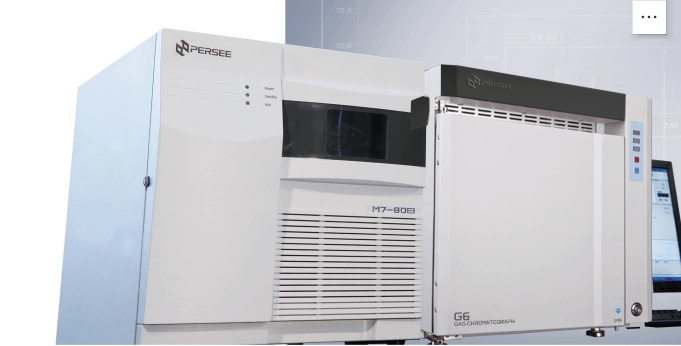
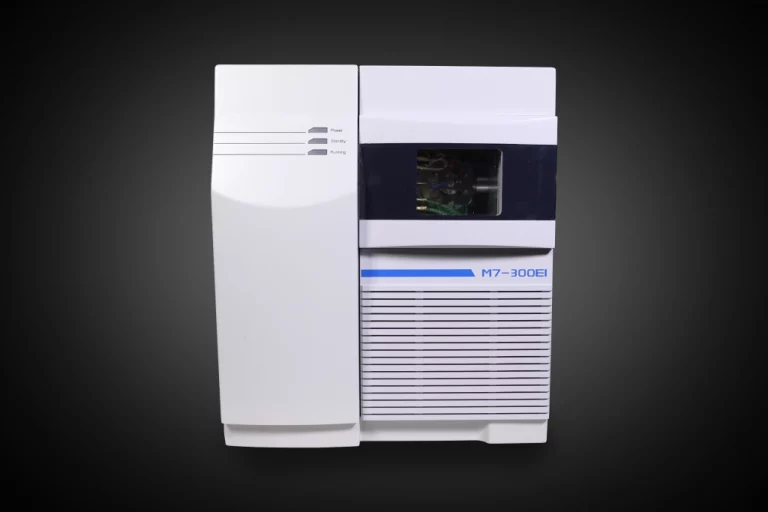
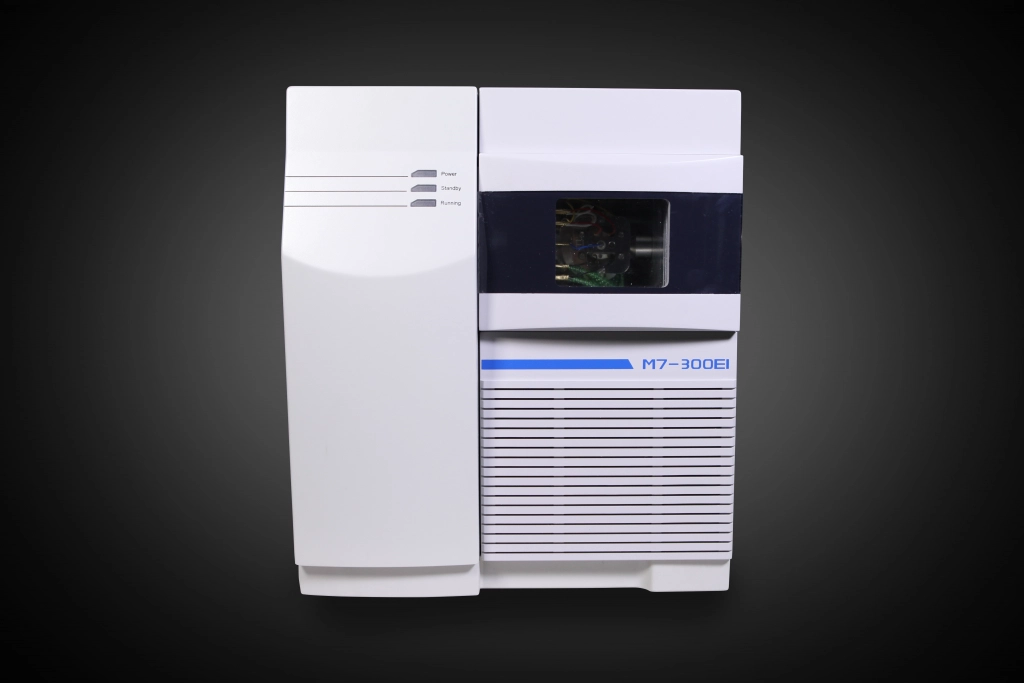
การใช้ระบบ GC-MS สี่ขั้วเดี่ยว PERSEE M7
ที่ m7 quadrupole gc-ms เดี่ยว ระบบรวมแหล่ง EI ที่มีประสิทธิภาพกับตัวกรองสี่ขั้วความละเอียดของหน่วยมวล เครื่องมือให้บริการด้านพิษทางการแพทย์กฎหมายและการจัดโปรไฟล์กลิ่นหอม และการทดสอบความปลอดภัยของอาหารและห้องปฏิบัติการวิจัยที่ต้องการทั้งการยืนยั
เครื่องตรวจจับ Photoionization สำหรับสารประกอบอินทรีย์ระเหย
เครื่องตรวจจับ Photoionization (PID) ให้การตรวจจับ VOC ทันทีผ่านการติดตามอากาศแวดล้อมและการใช้งานสุขอนามัยอุตสาหกรรมโดยไม่ต้องการการเผาไหม้ตัวอย่าง
อัลตราไวโอเลตจากไฮโดรคาร์บอนหอมไอออน
เครื่องมือ PID ใช้หลอด UV 10.6 eV เพื่ออิออนไนซ์สารที่มีพลังงานอิออนไนซ์ต่ำกว่าค่านี้ PID แสดงความไวสูงสุดสําหรับไฮโดรคาร์บอนอาหาร, คีโตน, และ aldehydes แต่ไม่สามารถตรวจจับสารประกอบที่ต้องการพลังงานไออนไนซ์สูงกว่าขอบของมัน
ความเหมาะสมในการตรวจสอบสุขอนามัยอุตสาหกรรมและอากาศแวดล้อม
เวลาตอบสนองที่รวดเร็วของ PID ทําให้เหมาะสำหรับการใช้ในระบบตรวจจับการรั่วไหลและการประเมินการสัมผัสในที่ทำงาน เครื่องมือให้การติดตาม VOC ที่อันตรายในเวลาจริงผ่านความสามารถในการตรวจจับที่มีประสิทธิภาพ แม้ว่าความคัดเลือกของมันยังคงถูกจํากัดโดยขอบพลังงาน
การใช้งานภายในสถาปัตยกรรมระบบ PERSEE G5 GC
G5 GC ทํางานด้วยโมดูล PID ที่ปฏิบัติตามแนวทาง OSHA สําหรับอากาศในงานงาน การประเมินคุณภาพเครื่องฉีดเส้นทางสั้นลดการสูญเสียตัวอย่างเพื่อเพิ่มความไวในระหว่างการดำเนินการตอบสนองอย่างรวดเร็ว
การตั้งค่าเครื่องตรวจจับหลาย เพื่อเพิ่มความยืดหยุ่นในการวิเคราะห์
ระบบตรวจจับหลายตัวทําให้สภาพแวดล้อมการวิเคราะห์ที่ซับซ้อน รวมถึงโรงกลั่นปิโตรเคมีและการตรวจสอบสิ่งแวดล้อมเพื่อให้บรรลุความสามารถ
ข้อดีของการตั้งค่าเครื่องตรวจจับคู่หรือสาม
โดยการรวม FID กับ TCD หรือ ECD กับเครื่องตรวจจับ MS นักวิจัยสามารถวัดประเภทสารประกอบหลายประเภทพร้อมกันในการวิเคราะห์เดียว ซึ่งลดเวลาการวิเคราะห์และให้ข้อมู วิธีการรวมช่วยลดระยะเวลาการวิเคราะห์ในขณะที่สร้างผลลัพธ์ที่ละเอียดมากขึ้น
การพิจารณาเมื่อออกแบบระบบตรวจจับหลาย
การออกแบบการแบ่งการไหลทําให้เครื่องตรวจจับสามารถรับตัวอย่างตัวแทนที่เท่ากันในขณะที่รักษาประสิทธิภาพของระบบ ระบบการซิงค์รอนซอฟต์แวร์ทําให้ความสัมพันธ์ข้อมูลที่แม่นยำระหว่างเครื่องตรวจจับทั้งหมด
การตั้งค่าที่กำหนดเองที่มีผ่านเครื่องมือ PERSEE
แพลตฟอร์ม G5 ของ PERSEE ช่วยให้ผู้ใช้เลือกโมดูลเครื่องตรวจจับตามความต้องการของการใช้งานเฉพาะของพวกเขา ระบบอนุญาตให้ผู้ใช้เลือกจากเครื่องตรวจจับ 1 ถึง 3 เครื่อง ซึ่งรวมถึงการรวม ECD / FID / TCD สําหรับความต้องการในการวิเคราะห์ของพวกเขา
คำถามที่พบบ่อย
Q1: ฉันควรเลือกเครื่องตรวจจับใดสำหรับการวิเคราะห์ไฮโดรคาร์บอน?
ตอบ: FID ให้ผลลัพธ์ที่ดีที่สุดเพราะมันจะตรวจจับพันธุ์ C-H ด้วยความไวสูงในขณะที่จัดการกับความเข้มข้นของสารประกอบที่กว้างขวาง
Q2: สามารถตรวจจับก๊าซถาวรได้หรือไม่
ตอบ: การตอบสนองที่ใช้การนําความร้อนทั่วไปของ TCD ทําให้มันเป็นทางเลือกที่เหมาะสมสําหรับการตรวจจับก๊าซถาวร
Q3: เครื่องตรวจจับที่ดีที่สุดสำหรับการวิเคราะห์สารฆ่าแมลงที่มีฮาโลเจนคืออะไร?
ตอบ: ECD ให้ความไวและความคัดเลือกที่พิเศษต่อสารประกอบฮาโลเจนอิเล็กทรอนิกส์เช่นยาฆ่าแมลงที่มีคลอรีน