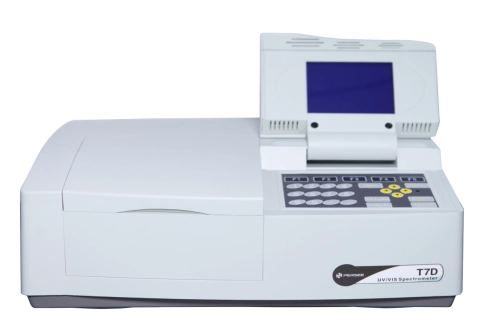
สเปคโฟโตเมตรีมีตำแหน่งสําคัญในการรักษาคุณภาพยา มันทำให้สามารถตรวจสอบสารประกอบได้อย่างรวดเร็ว ไม่เป็นอันตราย และแม่นยำมากในทุกขั้นตอนของกระบวนการยา วิธีการที่ใช้แสงนี้เป็นสิ่งสำคัญในห้องทดลองยา มันช่วยยืนยันวัตถุดิบ และรับประกันว่าผลิตภัณฑ์สุดท้ายยังคงสอดคล้อง มันยังตอบสนองกฎที่จําเป็นทั้งหมด
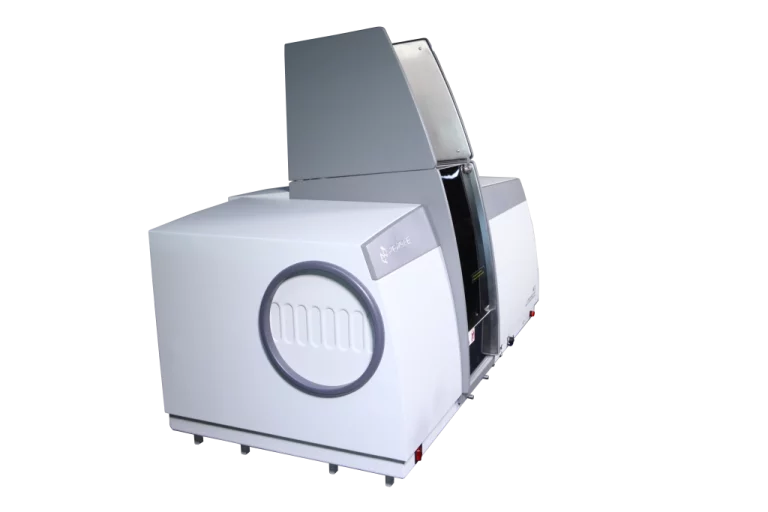
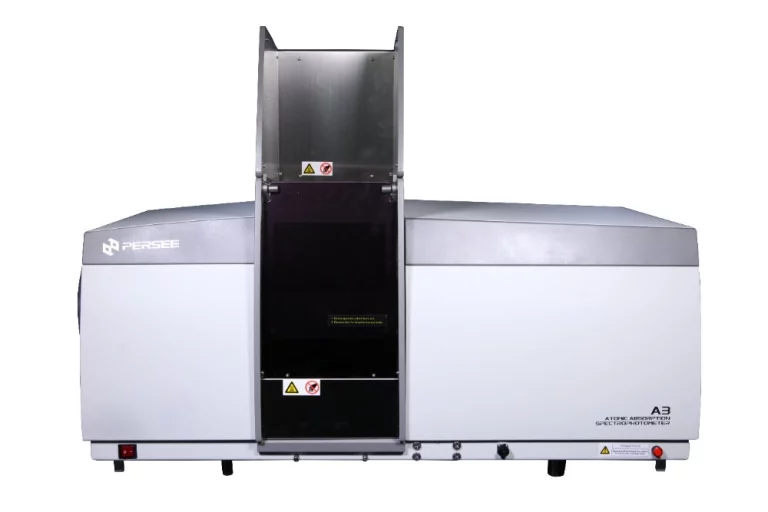
หนึ่งในบริษัทชั้นนำทั่วโลกที่จัดหาเครื่องมือที่แข็งแรงสําหรับ spectrophotometry ยาคือ เพอร์ส. บริษัทเริ่มต้นด้วยความก้าวหน้าทางวิทยาศาสตร์ในปี 1991 มีทักษะที่แข็งแกร่งในการพัฒนา และมุ่งเน้นคุณภาพอย่างแข็งแกร่ง PERSEE ให้เครื่องมือสําหรับการวิเคราะห์แสงที่เหมาะสมกับความต้องการที่ยายาก ช่วงของมันรวมถึง UV-VIS, FTIR, GC-MS และอื่น ๆ เหล่านี้ถูกสร้างขึ้นเพื่อให้ตรงกับกฎและกระบวนการทดลองทั่วโลก
Spectrophotometry ใช้ในการตรวจสอบวัตถุดิบได้อย่างไร?
การรักษาวัตถุดิบบริสุทธิ์เป็นสิ่งจำเป็นในการผลิตยาเสพติด การตรวจสอบสเปคโฟโตเมตรีให้วิธีการตรวจจับ API อย่างรวดเร็วและแม่นยำ มันทำสิ่งนี้ผ่านรูปแบบการดูดซึมแสงพิเศษ นอกจากนี้ ปริมาณของสารในของเหลวสามารถพบได้โดยดูว่ามันดูดซับหรือปล่อยให้ผ่านได้มากแค่ไหนที่ความยาวคลื่นที่แตกต่างกัน การตรวจสอบนี้หยุดการใช้รายการเริ่มต้นที่ผิดหรือคุณภาพต่ำ ผลที่ได้รับ มันจะหลีกเลี่ยงปัญหาในเส้น
UV-Vis spectrophotometry ทำงานได้ดีในการค้นหาบิตที่ไม่ต้องการหรือชิ้นส่วนที่แตกลงในช่วงต้น สิ่งนี้เกิดขึ้นในโซ่การจัดหา เครื่องวัดสเปคโฟโตมิเตอร์สามารถตรวจสอบแสงที่มองเห็นหรือแสงอัลตราไวโอเลตได้ พวกเขาลดลงไปประมาณ 190nm ในความยาวคลื่น การตรวจสอบอย่างรวดเร็วลดโอกาสที่จะเสียเงินในชุดที่ไม่ดี พวกเขายังให้แน่ใจว่ากฎถูกปฏิบัติตามตั้งแต่เริ่มต้นของการสร้างสิ่ง
Spectrophotometry มั่นใจได้อย่างไรว่าสูตรยาสม่ำเสมอ?
การให้ยาผสมเหมือนกันจากชุดหนึ่งไปยังชุดต่อไป เป็นสิ่งสำคัญมากเพื่อความปลอดภัย สเปคโตรโฟโตเมตรีช่วยที่นี่ มันทำเช่นนั้นโดยอนุญาตให้การทดสอบ API และสารเติมที่ใช้จํานวนที่แม่นยำ ดังนั้น นี่หมายถึงทุกยา แคปซูล หรือของเหลว ให้ปริมาณยาที่เหมาะสม มันสนับสนุนผลลัพธ์ที่คงที่ตลอดการผลิต
วิธีการที่ดูรูปแบบการดูดซึมแสงเต็ม เพิ่มความปลอดภัยมากขึ้น พวกเขาเปรียบเทียบเหล่านี้กับรูปแบบมาตรฐานที่พิสูจน์แล้ว เมื่อเชื่อมต่อกับเครื่องมือข้อมูล เครื่องวัดสเปคโตรโฟโตมิเตอร์ช่วยปฏิบัติตามกฎยาเสพติด พวกเขาทำเช่นนี้โดยติดตามว่ามาตรการถูกต้องแค่ไหนในเวลา ขั้นตอนดังกล่าวสร้างความไว้วางใจในกระบวนการ
Spectrophotometry สามารถคาดการณ์ความเสถียรภาพของยาได้หรือไม่?
การทดสอบยาที่ใช้ได้นานแค่ไหน หมายถึงการทําให้พวกเขาอยู่ภายใต้ความเครียด เช่น ความร้อน ความชื้น และแสง วิธีการ Spectrophotometric สามารถตรวจจับการเปลี่ยนแปลงเล็กน้อยในสารเคมีตามเวลาที่ผ่านมา ซึ่งจะช่วยตั้งค่าเมื่อผลิตภัณฑ์หมดอายุ โดยการตรวจสอบส่วนที่แตกต่างกันที่ความยาวคลื่นที่กําหนดไว้ ผู้เชี่ยวชาญสามารถสร้างรูปแบบของวิธีการแตกต่างของสิ่ง รูปแบบเหล่านี้ใช้ตัวเลข นี่ไม่เพียง แต่ช่วยเลือกอายุการเก็บรักษา แต่ยังเป็นแนวทางในการเลือกการบรรจุและการเก็บรักษา โดยรวมแล้ว มันทำให้ผลิตภัณฑ์มีอายุยาวนานและปลอดภัยกว่า
มันสนับสนุนการตรวจสอบการทำความสะอาดในการผลิตอย่างไร?
ในสถานที่ที่ปฏิบัติตามปฏิบัติการผลิตที่ดี การตรวจสอบการทำความสะอาดเป็นสิ่งสำคัญมาก สเปคโฟโตเมตรีช่วยให้พนักงานค้นหาชิ้นส่วนที่เหลือในเครื่องหลังจากทําความสะอาด บิตเหล่านี้อาจเป็นยา หรือของเหลวทําความสะอาด เช่นเดียวกับเครื่องมืออื่น ๆ พวกเขาต้องการการทดสอบและตรวจสอบประจํา วิธีนี้ไม่ใช้อันตรายต่อตัวอย่างและให้ผลได้อย่างรวดเร็ว ด้วยวิธีนี้ การตรวจสอบสามารถเกิดขึ้นได้บ่อยครั้งโดยไม่ต้องหยุดการทํางาน มันทำให้สิ่งต่างๆ สอดคล้องกับกฎจาก FDA และ EMA
เทคนิค Spectrophotometric ที่สำคัญที่ใช้ใน Pharma QC คืออะไร?

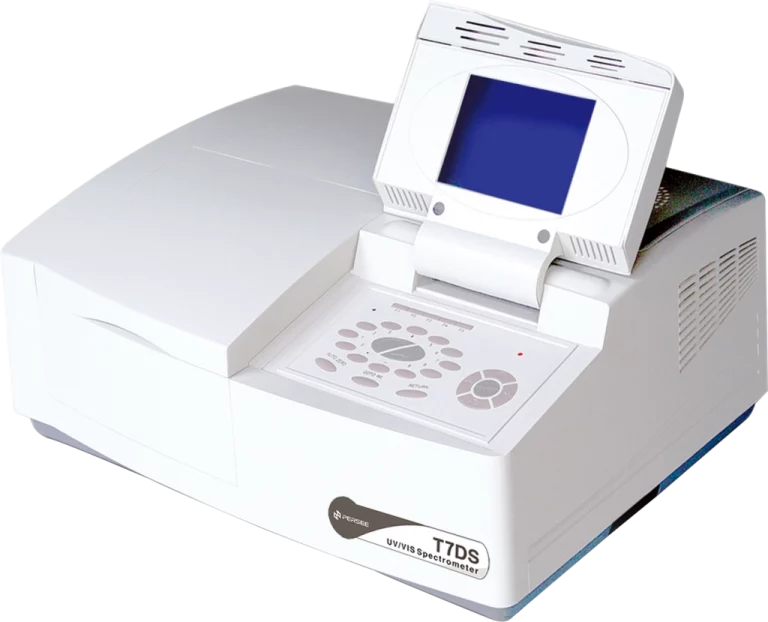
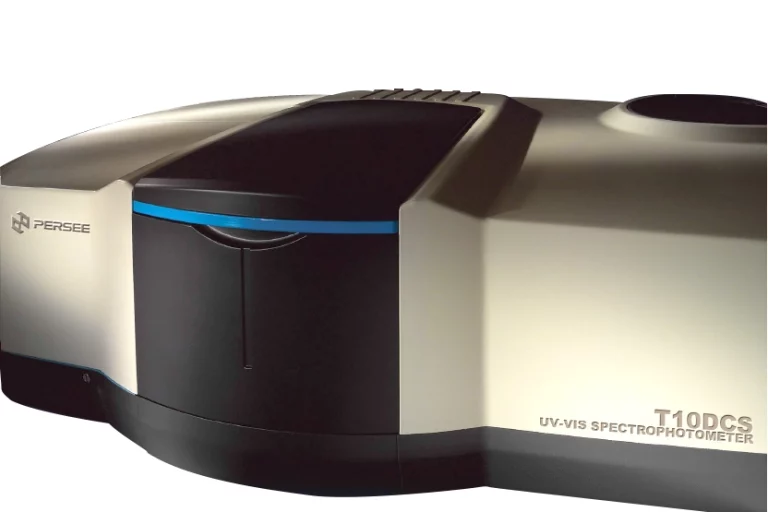
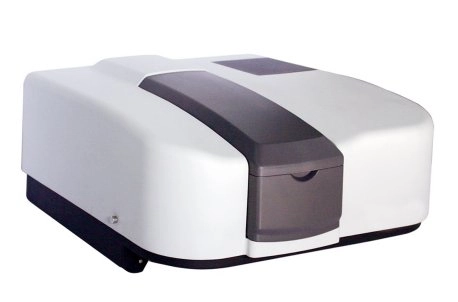
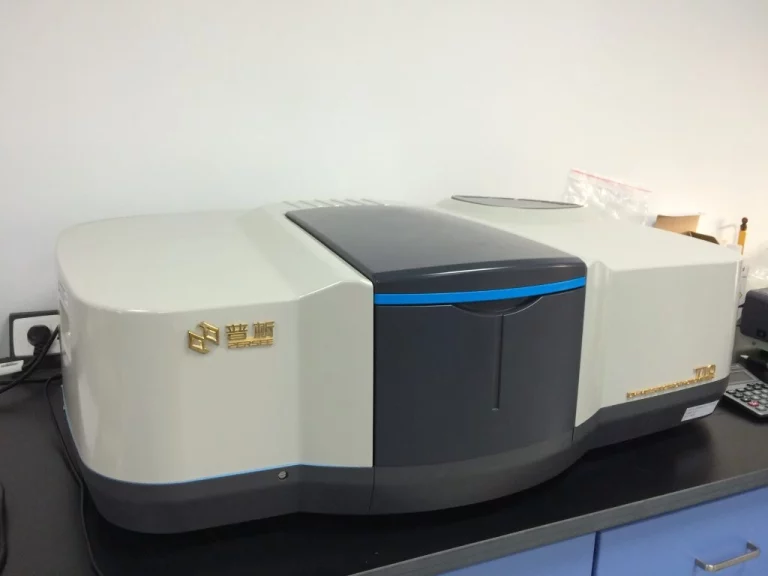
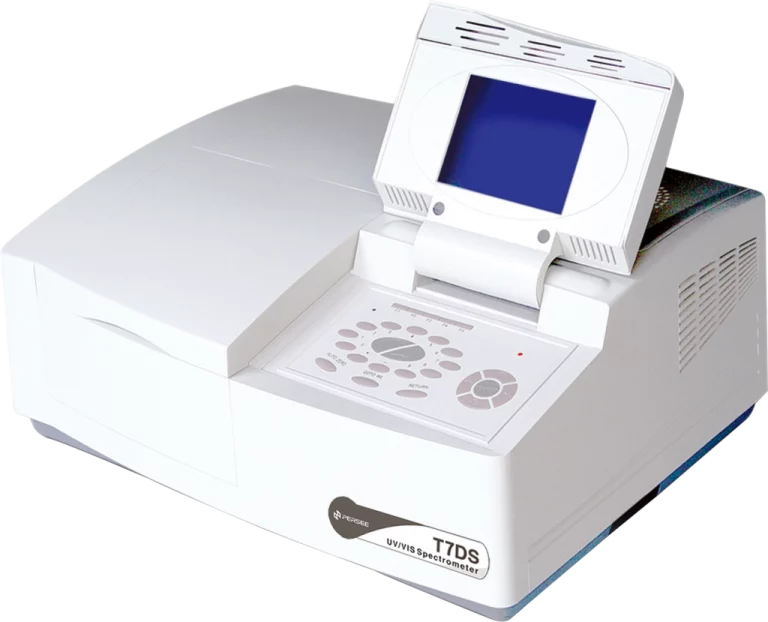
UV-Vis Spectrophotometry: คนใช้นี้มากสำหรับการตรวจสอบคุณภาพทุกวัน มันเร็วและง่ายต่อการจัดการ มันทำงานกับของเหลวและของแข็ง มันช่วยในการทดสอบที่ใช้ตัวเลขและให้ผลลัพธ์ที่คงที่หลายครั้ง เครื่องมือเช่น T7 UV-Vis spectrophotometer มีแสงที่ชัดเจนที่เหมาะสมกับการตั้งค่าที่ใช้กฎได้ดี
FTIR Spectroscopy: นี่เหมาะกับการจับฟังก์ชั่นกลุ่มและการตรวจสอบการตั้งค่าโมเลกุลที่ซับซ้อน มันให้สเปกตรัมรายละเอียดสําหรับผสมแข็ง การใช้งานรวมถึงการหายาในรูปแบบต่างๆ และการวัดระดับน้ำ เหล่านี้เป็นสำคัญสำหรับรูปร่างยาที่แข็ง ดังนั้น มันจะช่วยในการเข้าใจคุณสมบัติของวัสดุอย่างลึกซึ้ง
NIR Spectroscopy: นี้ช่วยให้ดูกระบวนการสด เช่นการกดยาหรือการผสม เนื่องจากมันไม่ทำให้ตัวอย่างเป็นอันตราย มันจะข้ามการทำงานเตรียมความพร้อมมากมาย มันเร่งการเลือกที่เหมาะสมบนพื้นทำงาน คนงานสามารถทํางานได้อย่างรวดเร็วโดยใช้ข้อมูลจริง
คุณสมบัติของเครื่องมืออะไรที่สำคัญที่สุดในการใช้งานยา?
การจับคู่ความยาวคลื่นขวาทําให้แน่ใจว่าการอ่านแสงเชื่อมโยงดีกับลักษณะโมเลกุล การปรับความยาวคลื่นที่ดีทําให้การตรวจสอบมั่นคงในการทดสอบ ความสามารถในการทำซ้ำผลลัพธ์เป็นกุญแจในการเปรียบเทียบชุด ความตรงของโฟโตเมตริกช่วยให้การนับที่แม่นยำในปริมาณที่แตกต่างกัน ความตรงที่แข็งแกร่งหมายถึงการนับถูกต้องในความแข็งแกร่งที่กว้างขวาง การจับชิ้นส่วนเล็ก ๆ หรือชิ้นส่วนที่แตกต้องการความรู้สึกสูงในการเปลี่ยนแปลง
การบล็อกแสงที่ไม่ต้องการจะเพิ่มความถูกต้องในระดับการดูดซึมเล็ก ๆ การตัดแสงที่เสียหายช่วยให้ความจริงของสเปกตรัมดีขึ้น เหนือสิ่งที่สุดเมื่อการดูดซึมต่ำ ราคาพื้นฐานที่คงที่จะทำให้แน่ใจว่าการศึกษาการเปลี่ยนแปลงที่ยาวนานถูกต้อง ตัวอย่างการเปลี่ยนแปลงการทำงานที่พร้อมตามประเภท ของเหลวมักจะใช้ตัวถือเล็ก ๆ ในขณะที่ของแข็งอาจต้องการสิ่งเพิ่มเติม เช่น หน่วยสัมผัสพื้นผิวหรือชิ้นส่วนเบาแพร่กระจาย คุณสมบัติเหล่านี้ทั้งหมดทํางานร่วมกันเพื่อให้เครื่องมือที่น่าเชื่อถือสําหรับการใช้งานประจําวันในห
Spectrophotometry ตอบสนองมาตรฐานกฎหมายอย่างไร?
หนังสือกฎยาขนาดใหญ่เช่น USP, EP และ JP ต้องการหลักฐานว่า spectrophotometers ทํางานได้ดี นี้ครอบคลุมความตรงความยาวคลื่นและการบล็อกแสงที่หลงทาง หนังสือกําหนดแต่ละหนังสือขอให้ผู้ใช้แสดงให้เห็นว่าเครื่องมือของพวกเขาทํางานอย่างถูกต้องในจุด เช่น ความตรง ความยาวคลื่น แบนด์วิดธ์ และ แผนการตรวจสอบต้องพิสูจน์ความถูกต้อง ความแม่นยำ ความสำคัญพิเศษ ความตรง ระยะทาง ระดับการตรวจจับที่ต่ําที่สุด และความแข็งแรงภายใต้การตั้งค่ การเชื่อมโยงกลับไปยังรายการมาตรฐานที่พิสูจน์แล้ว จะเพิ่มความไว้วางใจมากขึ้นในผลลัพธ์ ด้วยวิธีนี้ ห้องทดลองยังคงปลอดภัยและได้รับการอนุมัติทั่วโลก
การตรวจสอบสเปคโทรโฟโตเมตรีเข้ากับการผลิตยาหรือไม่?
วันนี้’ การผลิตยาเสพติดใช้ทั้งการตรวจสอบสว่าง (ในที่จุด) และการตรวจสอบแสงที่ใช้ในห้องปฏิบัติการ ระบบสดช่วยตรวจสอบว่าผสมสมบูรณ์หรือไม่ และเมื่อการทำเม็ดสิ้นสุด พวกเขาทำแบบนี้โดยไม่ต้องตัวอย่างมือ การตั้งค่าห้องปฏิบัติการเป็นเรื่องทั่วไปสําหรับการทดสอบชุดก่อนปล่อย ทั้งสองประเภทเข้ากับกระบวนการทำงานที่ราบรื่น ระบบสำหรับการจัดการข้อมูลตรงกับกฎเช่น 21 CFR Part 11 พวกเขาเก็บข้อมูลอย่างปลอดภัย ด้วยบันทึกเปลี่ยนแปลง การเชื่อมโยงกับระบบจัดการข้อมูลห้องปฏิบัติการช่วยในการเก็บบันทึกง่าย นี่ทำให้การตรวจสอบสำหรับผู้ดูกฎง่ายขึ้น
ทำไมการวิเคราะห์แบบสเปคโทรโฟโตเมตรีถึงดีกว่าเทคนิควิเคราะห์อื่น ๆ
เมื่อเปรียบเทียบกับวิธีเช่น HPLC หรือ GC-MS สเปคโตรโฟโตเมตรีจะเร็วขึ้นและใช้งานง่ายขึ้น นี่เป็นประโยชน์ในการผลิตยาในช่วงต้น หรือเมื่อทดสอบหลายรายการ มันใช้สารเคมีน้อยลง และรักษาตัวอย่างทั้งหมดเพื่อการทดสอบมากขึ้น นั่นคือสิ่งที่สำคัญเมื่อตัวอย่างมีการตรวจสอบเพียงไม่กี่หรือมาก ดังนั้น มันเหมาะกับวิธีการทดลองที่วุ่นวาย โดยไม่มีค่าใช้จ่ายหรือเสียสูง
ทำไมต้องเลือกเครื่องมือ PERSEE สําหรับการตรวจสอบสเปคโตรโฟโตเมตรีทางยา?
ห้องทดลองมองหาเครื่องมือที่มั่นคง ด้วยความคิดใหม่และการตรงกับกฎจะพบ PERSEE เป็นตัวเลือกที่แข็งแกร่ง บริษัท มีความรู้มากกว่า 30 ปี มีผลิตภัณฑ์หลากหลาย นี่รวมถึงแข็งแกร่ง m7 quadrupole gc-ms เดี่ยวPERSEE จัดการงานยาหลัก เหล่านี้ตั้งแต่การตรวจสอบการทำความสะอาดจนถึงการทดสอบสารละลายที่เหลือ M7 MS สามารถใช้กันอย่างแพร่หลายในด้านความปลอดภัยอาหาร การคุ้มครองสิ่งแวดล้อม อุตสาหกรรมวัสดุและเคมี วิทยาศาสตร์ชีวิต การวิจัยแพทย์ การสืบสวนอาช นอกจากนั้น เครื่องมือของมันมีออปติกที่ชัดเจน ซอฟต์แวร์ที่แข็งแกร่ง และตัวเลือกการแก้ไขที่ไกล เหล่านี้ช่วยในการตั้งค่าอย่างรวดเร็วและทำงานที่ดีในระยะยาวในสถานที่ที่ปฏิบัติตามการปฏิบัติที่ดี
คำถามที่พบบ่อย
Q1: UV-Vis spectrophotometry สามารถแทน HPLC ในการควบคุมคุณภาพยาได้หรือไม่?
A1: UV-Vis ให้ผลลัพธ์เร็วขึ้นด้วยตัวอย่างที่พร้อมง่ายกว่า HPLC อย่างไรก็ตาม มันไม่ได้แยกสารออกไป มันทำงานดีที่สุดสำหรับการทดสอบปกติ อย่างไรก็ตาม มันควรจับคู่กับวิธีการแบ่งเมื่อจัดการกับรายการผสม การรวมนี้ครอบคลุมพื้นที่ได้อย่างมีประสิทธิภาพมากขึ้น
Q2: เครื่องวัดสเปคโตรโฟโตมิเตอร์ที่ทันสมัยมีความไวแค่ไหนในการตรวจจับสิ่งสกปรก?
A2: เครื่องมือชั้นนำแสดงความรู้สึกที่ดีในการค้นหาชิ้นส่วนที่ไม่ต้องการขนาดเล็ก นี่ใช้ได้เมื่อกำหนดตามมาตรฐานที่พิสูจน์แล้ว รู้สึกเปลี่ยนแปลงขึ้นอยู่กับการตั้งค่าแสงและช่วงคลื่น ในทางปฏิบัติ พวกเขาจับปัญหาที่คนเก่าอาจพลาด ช่วยให้งานมีคุณภาพดีขึ้น
Q3: ควรปรับเครื่องวัดสเปคโตรโฟโตเมตรในสภาพแวดล้อม GMP บ่อยแค่ไหน?
A3: ผู้เชี่ยวชาญแนะนำให้ตรวจสอบอย่างรวดเร็วทุกวัน จากนั้น การตั้งค่าเต็มรูปแบบจะมาในเวลาที่กําหนดไว้ขึ้นอยู่กับเครื่องมือที่ใช้มากเท่าไหร่ นี่เป็นไปตามคำแนะนำของผู้ผลิตและกฎยาเช่น USP 857 ขั้นตอนดังกล่าวทําให้ทุกอย่างดําเนินการอย่างจริงและปลอดภัยในเวลา การดูแลเป็นประจําให้แน่ใจว่าไม่มีผลประหลาดใจ