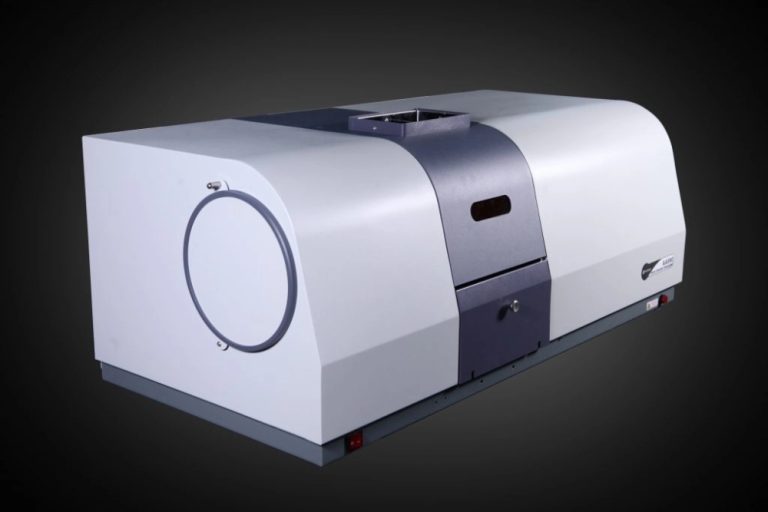
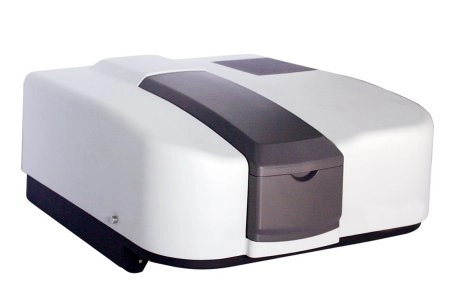
В то время как миниатюризация приводит лабораторию на поле, еще один технологический скачок расширяет саму природу данных, которые мы собираем. Переход от одноточечных измерений к богатому, пространственно разрешенному анализу - это то, где гиперспектральная визуализация входит в сцену.
Какие технологические прорывы делают спектрофотометры меньшими и умнее?
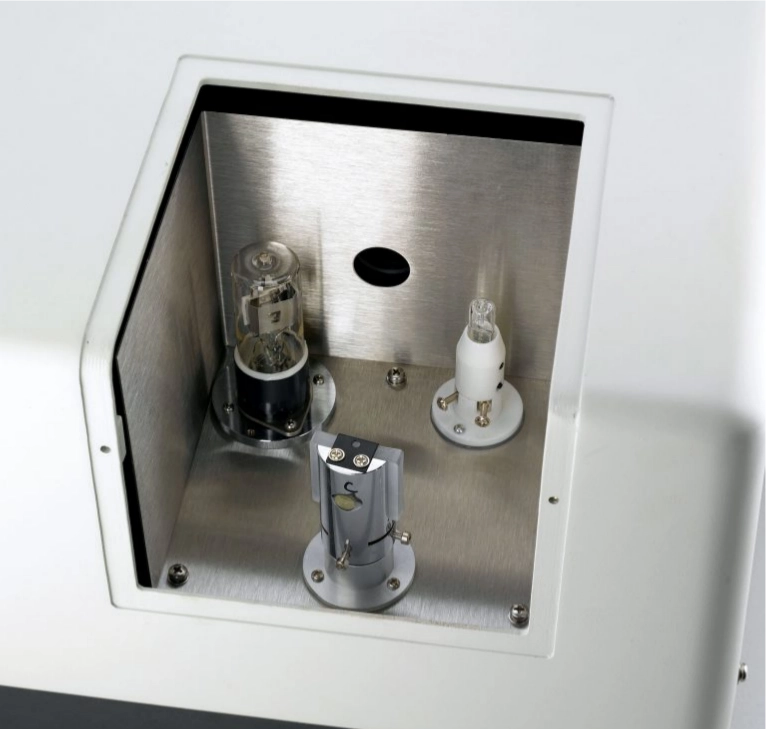
Миниатюризация является ключевой тенденцией в спектроскопии. Это обусловлено прогрессом в микрооптике, MEMS (Micro-Electro-Mechanical Systems) и небольших источниках света. Они предоставляют функции, которые когда-то ограничивались большими настройками стола. Спектрофотометры могут измерять видимый (белый) или ультрафиолетовый свет до длины волны около 190 нм. Теперь их меньший размер вообще не снижает производительность, что делает их идеальными для использования в распределенных настройках.
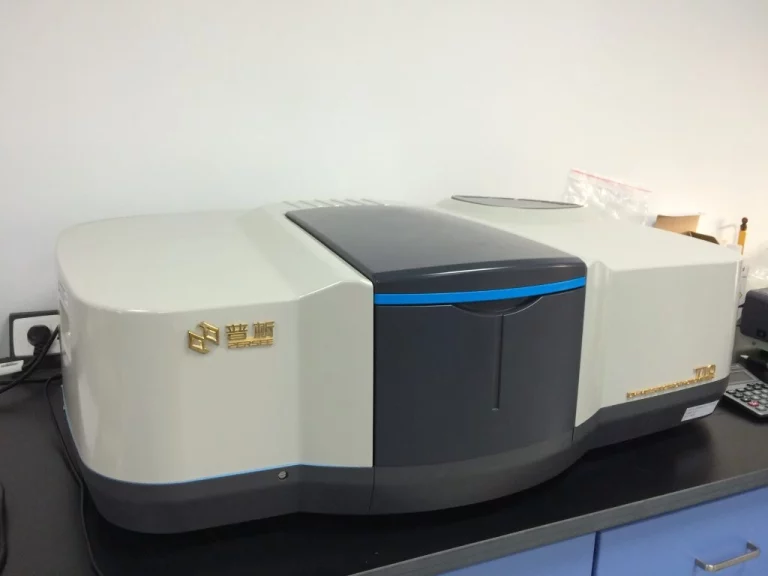
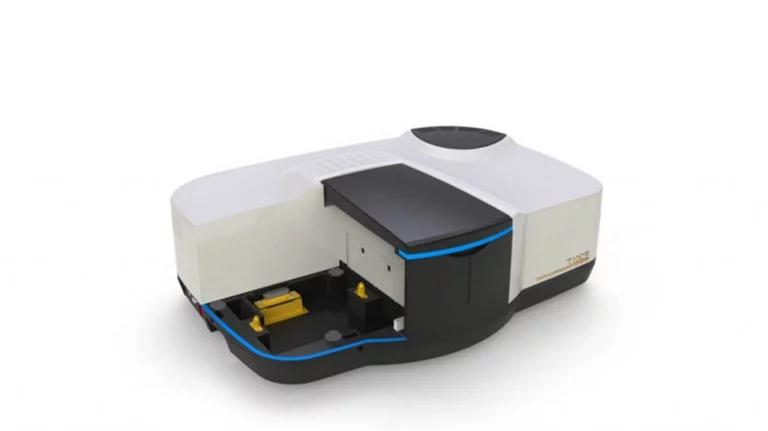
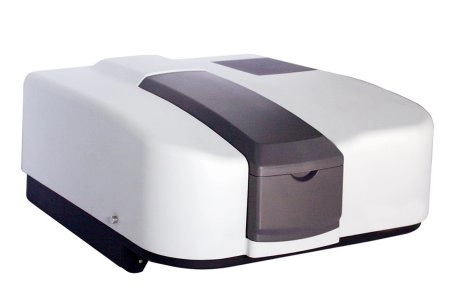
Полевое использование быстро растет в таких областях, как сельское хозяйство, мониторинг окружающей среды и безопасность пищевых продуктов. Портативные спектрометры позволяют принимать решения прямо на месте. Нет необходимости перемещать образцы, и это повышает эффективность операций. Например, в УФ-Вис спектрофотометры серии T7 обработка фотометрических измерений, спектрального сканирования и анализа ДНК/белков. Они также включают в себя дополнительные инструменты автоматизации, которые улучшают их использование в отдаленных местах.
Связывание этих устройств с мобильными настройками и беспроводными связями позволяет передавать данные в режиме реального времени, а также позволяет синхронизировать с облаком. В результате люди в удаленных или малоресурсных местах могут легче получить доступ к ним.
Почему гиперспектральное изображение приобретает популярность во всех отраслях?
Тем не менее, огромное количество подробных данных от гиперспектрального изображения приводит к своим проблемам. Здесь третье крупное изменение наступает как жизненно важное. Искусственный интеллект действует не только как помощник, но и как ключевой товарищ по команде. Он раскрывает модели и прогнозы в сложных спектральных данных, которые в противном случае остались бы вне зрения.
Как сотни спектральных диапазонов улучшают аналитические возможности?
Системы гиперспектрального изображения собирают данные во многих узких, соседних спектральных полосах для каждого пикселя, и эта подробная спектральная информация позволяет делать точные химические разрывы и пятнистые образцы. Традиционная спектроскопия просто не может соответствовать этому. Лучшая пространственная ясность помогает с большой точностью определить примеси, дефекты или ключевые компоненты лекарства. Быстрая обработка происходит сейчас благодаря встроенной быстрой электронике и методам ИИ.
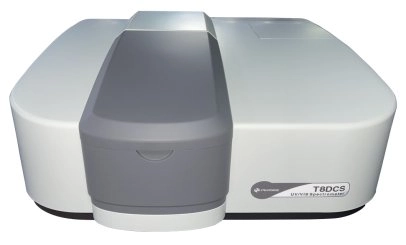
Изменение гиперспектральных настроек ясно проявляется в инструментах с регулируемой пропускной способностью, таких как T8DCS. Он обеспечивает пропускную способность, которую вы можете выбрать от 0,1 до 5 нм без остановки. Это подходит для фармацевтических проверок и исследований, где точность имеет наибольшее значение.
Может ли искусственный интеллект революционизировать спектральный анализ?
Сочетание меньшего аппаратного обеспечения, подробного сбора данных и умного программного обеспечения требует нового фундамента в сегодняшний день. Полная мощь этих шагов ожидает только тогда, когда инструменты беспрепятственно подключаются, что создает связанную цифровую настройку, сосредоточенную на легком доступе к данным и интеллектуальных рабочих процессах.
Как модели машинного обучения улучшают спектроскопическую интерпретацию?
ИИ стал основной частью современных систем спектроскопии. Методы машинного обучения могут сортировать спектральные знаки с высокой точностью. Они замечают странности и даже догадываются химические черты без человеческой помощи.
Эти модели учатся из огромных коллекций данных. Они становятся лучше, когда со временем поступает больше информации. Встроенный ИИ позволяет устройствам немедленно проводить анализ и создавать полезные результаты во время измерения. Они ловят поддельные лекарства, сопоставляя спектральные шаблоны, что держит партии равномерными. Сочетание спектроскопии с ИИ сокращает время для обзоров, а также уменьшает потребность в экспертных обзорах. Таким образом, он открывает передовый анализ для большего количества людей.
Как цифровая интеграция изменяет инфраструктуру спектрофотометрии?
Соединение создает еще более сильный способ работы, и это выходит за рамки просто соединения гаджетов. Будущее предполагает объединение различных спектроскопических методов в одну платформу. Это дает более полный и четкий обзор любой образцы.
Почему облачные платформы и рамки IoT необходимы для инструментов следующего поколения?
Цифровое изменение в спектрометрии выходит за рамки того, чтобы делать вещи мелкими, и оно сосредоточено на соединении. Облачные ссылки позволяют хранить данные в одном центральном месте. Пользователи могут добраться до него из любого места по всему миру, что помогает командам работать вместе. Это также помогает сохранять данные в долгосрочной перспективе.
Спектрометры, оснащенные IoT, выполняют текущие проверки в производственных районах. Устройства с дополнительными датчиками и сетевыми частями могут отправлять предупреждения. Они улучшают рабочие процессы и даже проверяют себя на наличие проблем. В L600 высокая производительность жидкости Хроматограф хорошо показывает этот цифровой ход, и он имеет гибкие настройки, которые соответствуют интеллектуальным лабораторным системам. Такой тип настройки очень важен для полей с жесткими правилами. Там отслеживание данных и их надежность нельзя пропустить.
Какую роль играют мультимодальные платформы в аналитической универсальности?
Эти технологические тенденции – это не просто идеи. Они предлагают реальные, надежные решения в ключевых глобальных областях. Let’ Посмотрите, как эти новые спектроскопические инструменты решают реальные проблемы защиты окружающей среды, обеспечения безопасности лекарств и обеспечения продовольственных поставок.
Как сочетание таких методов, как UV-VIS, IR и Раман, дает более всеобъемлющие представления?
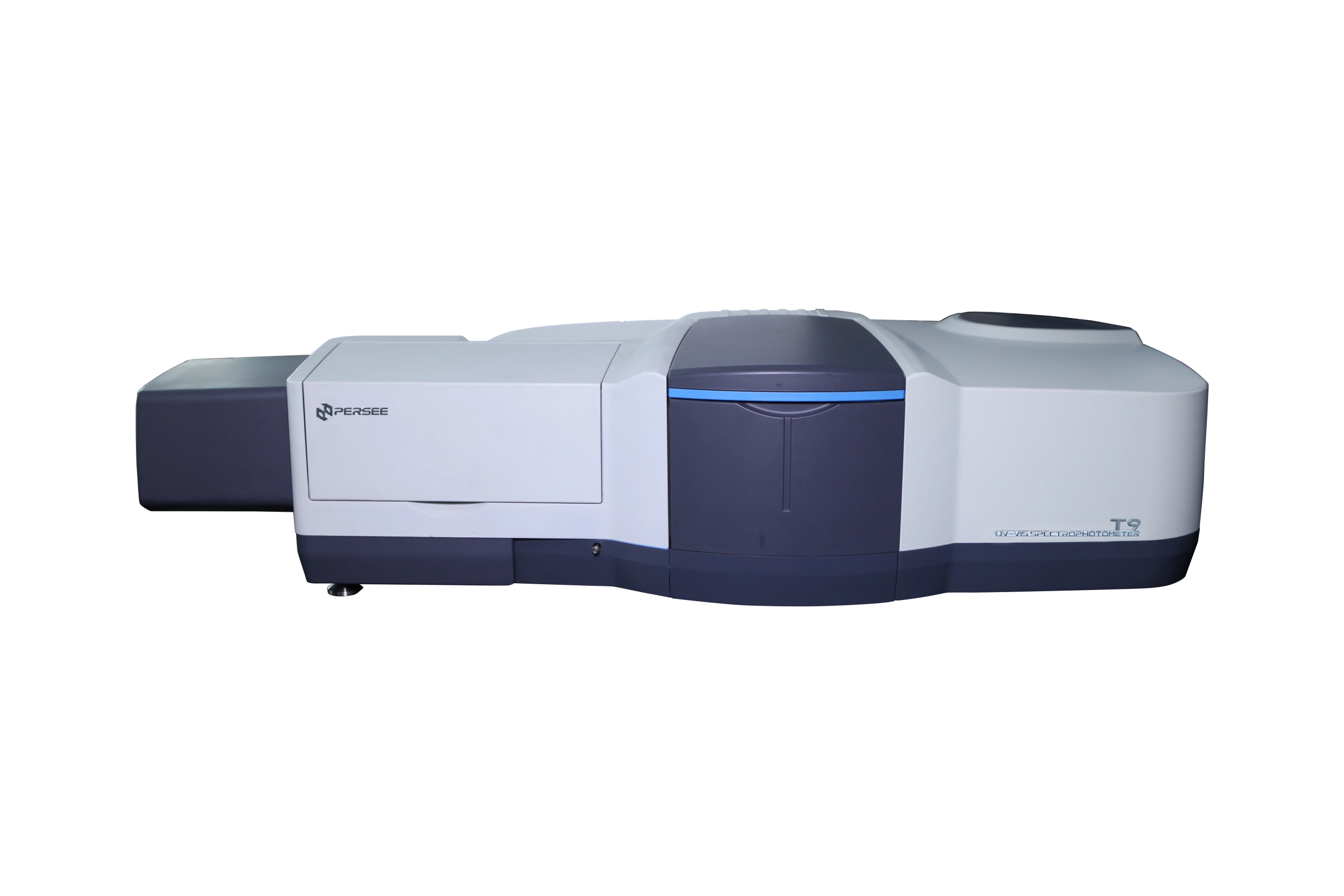
Смешанные системы анализа, объединяющие несколько спектроскопических методов, обеспечивают максимальную гибкость. Сочетание UV-Vis с инфракрасным (IR), Раманским или флуоресцентным пятном позволяет проверять множество факторов одновременно в твердых образцах. Как длину волны, так и силу света можно проверить с помощью монохроматоров и спектрографов. Это дает подробности о присутствующих атомных типах.
Этот метод повышает точность проверок посредством двойной проверки, а также приводит к более широкому пониманию настроек образцов. Конструкция, позволяющая пользователям добавлять или удалять детали, означает, что люди могут настраивать системы для своих точных потребностей на местах. Это может быть для проверки окружающей среды или контроля качества лекарств.
Где эти инновации применяются наиболее эффективно?
Портативные гиперспектральные системы меняют то, как мы находим загрязнители прямо там, где они находятся. Их навыки захвата спектральных знаков в реальном времени ускоряют реакции во время обзоров сайта. Спектроскопия со спутников ведет это дальше по всему миру и помогает моделировать изменения климата с помощью стабильных показаний воздуха. Группы, которые устанавливают правила, теперь используют эти инструменты для подтверждения того, соответствуют ли стандарты при проверке воздуха, воды и почвы.
Как спектроскопия позволяет безопаснее фармацевтическое производство?
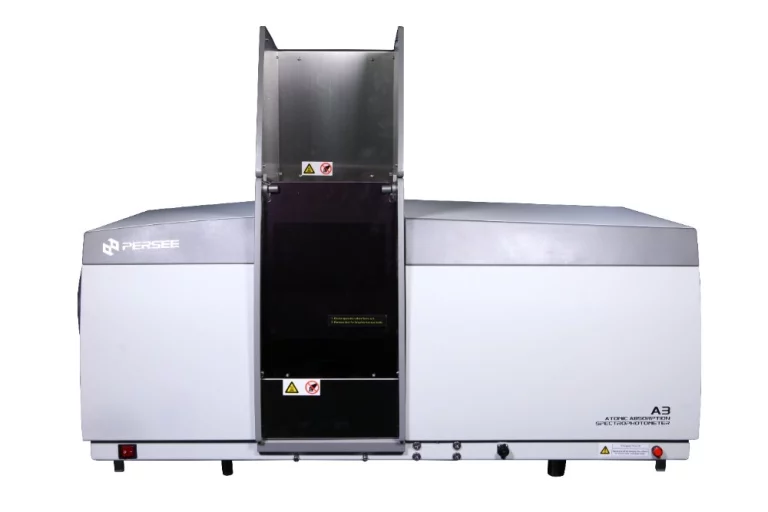
При изготовлении лекарств спектральные проверки в реальном времени гарантируют, что продукты остаются хорошими на всех линиях. Наблюдение в режиме инлайн соответствует настройкам технологии анализа процессов (PAT). Рано выявляют проблемы. Инструменты, такие как спектрофотометры атомной абсорбции, выполняют проверки элементов, необходимые для доказывания правильности лекарственных смесей. Устройство, используемое для измерения поглощения атомного пара через резонансное излучение измеряемого элемента, называется атомным поглощающим спектрофотометром. Гиперспектральная визуализация добавляет защиту от подделок. Он находит специальные химические знаки, уникальные для реальных продуктов.
Как полевой спектральный анализ поддерживает точное сельское хозяйство?
Сельское хозяйство получает огромную выгоду от портативных спектрометров, которые проверяют состояние почвы, количество воды и признаки стресса растений прямо там. Гиперспектральная визуализация рано обнаруживает заболевание. Работает даже на отдельных листьях. Это помогает производителям остановить потери, прежде чем они вырастут. Собранная информация поступает в модели, которые предсказывают вещи. Они направляют, когда водить, добавлять питательные вещества и оценивать урожай.
Какие ограничения препятствуют широкому усыновлению?
Гиперспектральные инструменты создают большие кучи многослойных данных. Без сильных методов сокращения и объяснения этого, это блокирует прогресс. Кроме того, отсутствие стандартного пути через системы затрудняет их совместную работу. Это большая проблема для совместных исследований или отчетов, основанных на правилах.
Какие нормативные соображения возникают из инструментов, управляемых ИИ?
Инструменты, управляемые ИИ, добавляют слои к тому, как мы доказываем их работу. Старые способы, основанные на фиксированных результатах, не соответствуют изменению настроек машинного обучения. Те, кто делает правила, хотят четких взглядов и следов того, как ИИ принимает решения. Это требует новых способов проверки и обзора.
Является ли стоимость барьером для некоторых пользователей?
Лучшие функции приносят большую ценность, но цена остается высокой для небольших лабораторий или использования на месте. Создание инструментов, которые масштабируются с помощью дополнительных вариантов, таких как ПерсиМожет снизить стартовые расходы. Это делается без потери контрольной силы.
Кто способствует этому технологическому сдвигу в спектроскопии?
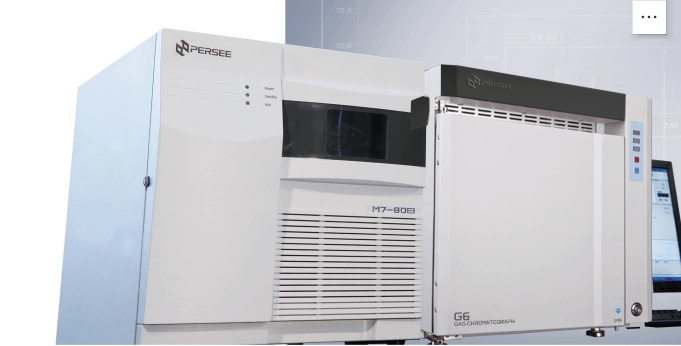
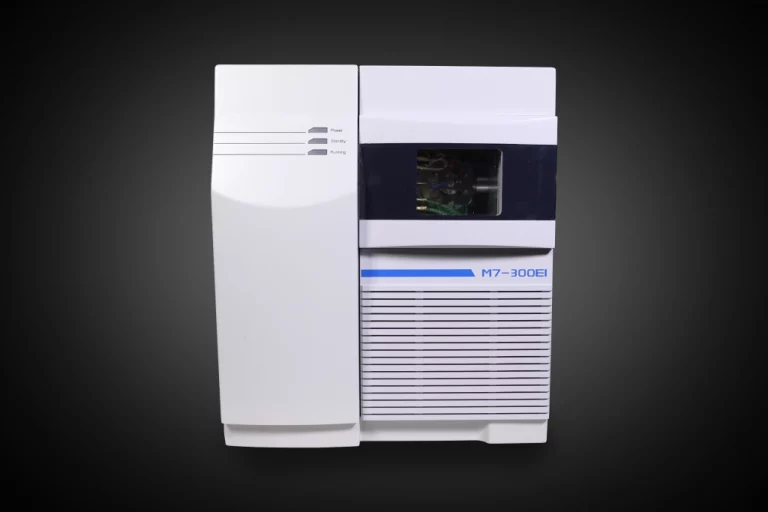
PERSEE лидирует в области аналитических инструментов, сочетая сильный оптический дизайн с интеллектуальными программными сетями. Они предлагают широкий ассортимент продукции. Это включает в себя спектрофотометры UV-VIS, такие как серия T7, блоки атомного поглощения, такие как AA990F, системы FTIR, такие как FTIR8000/8100, и хроматографические инструменты, включая M7 GC-MS.
С сертифицированными стандартами ISO и сетью, охватывающей весь мир, PERSEE предоставляет высококачественную оборудование. Они также оказывают поддержку и обучение поблизости. Их постоянные расходы на исследования и разработки соответствуют их цели. Это сделать передовые решения проверки открытыми для всех областей, от школ до производства наркотиков и экологических правил.
Часто задаваемые вопросы
Вопрос 1: Что отличает гиперспектральную визуализацию от традиционной спектроскопии?
A1: Гиперспектральное изображение захватывает спектральную информацию на сотни смежных длин волн на пиксель. Это позволяет подробную химическую характеристику, выходящую за рамки того, что могут достичь обычные односпектральные приборы.
Вопрос 2: Как искусственный интеллект улучшает спектроскопический анализ?
А2: ИИ облегчает быструю интерпретацию сложных спектров путем выявления шаблонов или аномалий, которые могут быть невидимы с помощью ручного анализа.
Вопрос 3: Почему портативность становится важной в современной спектроскопии?
A3: Портативные устройства позволяют проводить испытания на месте без необходимости перевозки образцов в центральную лабораторию. Это приводит к более быстрым результатам, снижению эксплуатационных затрат и более широкой доступности в удаленных или ограниченных ресурсами средах.