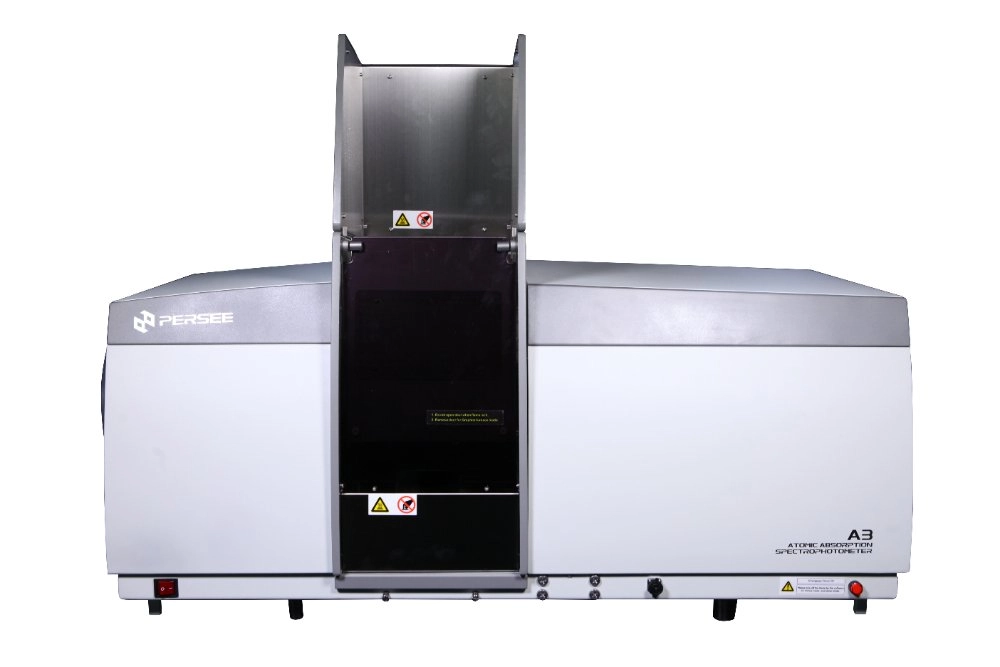
Spectroscopic analysis has long been a key part of modern analytical chemistry. It offers clear quantitative and qualitative details about molecular and atomic structures. You can find the concentration of an analyte in a solution by looking at the absorbance or transmission features of a material based on wavelength. Spectrophotometers measure either visible (white) light or ultraviolet light, reaching down to about 190 nm wavelength. This idea supports ultraviolet-visible (UV-Vis) spectroscopy. In this method, molecules take in light in the UV and visible areas because of electronic shifts between molecular orbitals.
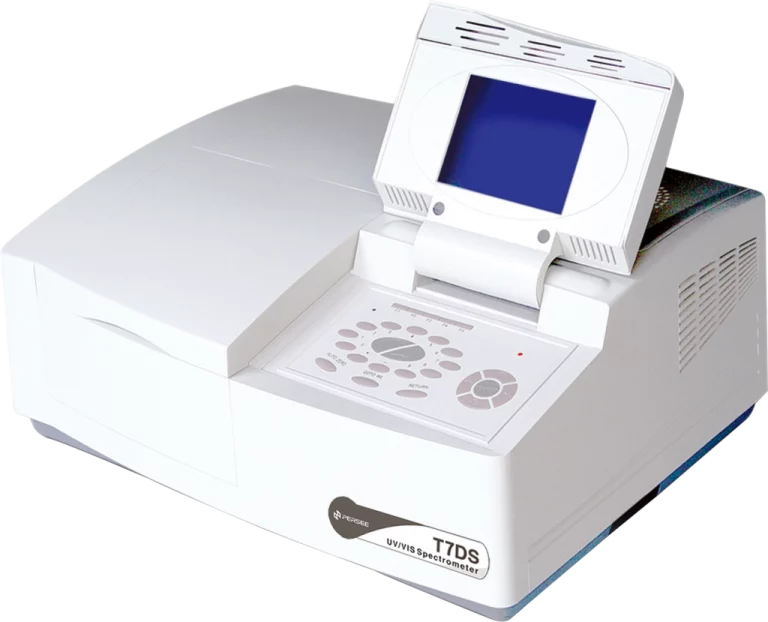
In real use, the key parts consist of a light source, a monochromator, a sample chamber, and a detector. The light from the source goes through an entrance slit in the monochromator, and this slit makes the beam a practical size. Then, it moves through a diffraction grating. There, it splits into narrow bands of single-color light. Next, the light passes through an exit slit, which lets only the chosen wavelength reach the sample. Some of that light gets absorbed. The light that passes through turns into electrical signals. These signals create spectra for study.
In lab settings, UV-Vis spectroscopy helps a lot in checking concentration levels in pharmaceutical formulations, environmental water samples, and biochemical assays. Its benefits cover simple handling, quick analysis time, and wide use for liquid and solid samples. Yet, issues come from overlapping absorption bands. Also, it shows less sensitivity than atomic spectroscopic methods.
Introduction to Atomic Absorption Spectroscopy (AAS)
Atomic Absorption Spectroscopy (AAS) works on a basic, different approach. It focuses on measuring elements, not molecular shifts. For over a hundred years, people have known that atoms of certain elements get excited when turned into vapor and put into a flame. As these atoms go back to their ground state, they give off radiation at specific wavelengths you can measure. In AAS, most atoms stay in their ground state. These calm atoms take in energy from a beam produced by a hollow-cathode lamp made just for the element under study.
This approach gives AAS great selectivity and very low detection limits for trace metals like lead, cadmium, zinc, and copper. Since the wavelength of the light beam matches only the metal you want to measure, the energy it absorbs in the flame shows the amount of that metal in the sample. AAS instruments often use burners or graphite furnaces as atomizers, based on the sensitivity you need.
Uses include testing water quality, studying soil contamination, and analyzing minerals in food for nutrition. The method stands out for its high accuracy in measuring one element at a time. However, it does not work well for checking many elements without setups that measure one after another.
Comparative Analysis: UV-Vis vs. AAS
Both techniques use absorbance measurements based on Beer–Lambert’s law. Yet, their main focuses vary a great deal. UV-Vis spectroscopy checks molecular absorbance over wide spectral bands, which makes it perfect for organic compounds. On the other hand, AAS picks out elemental absorption lines unique to single atoms. As a result, AAS reaches better sensitivity at parts-per-billion levels. UV-Vis usually handles parts-per-million detection range.
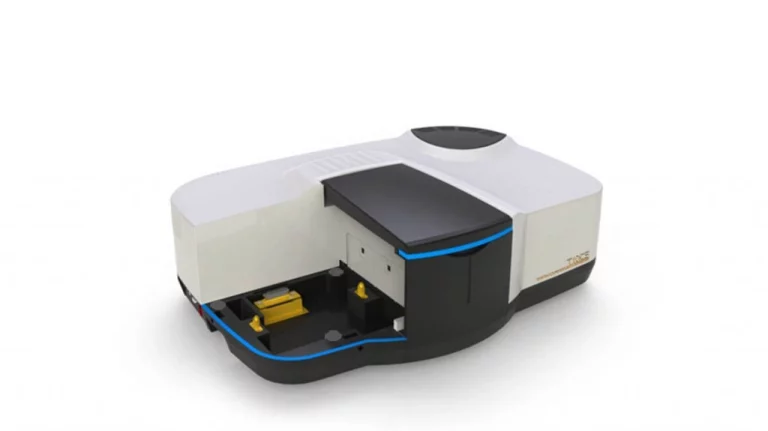
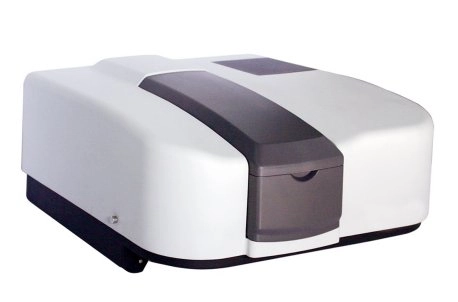
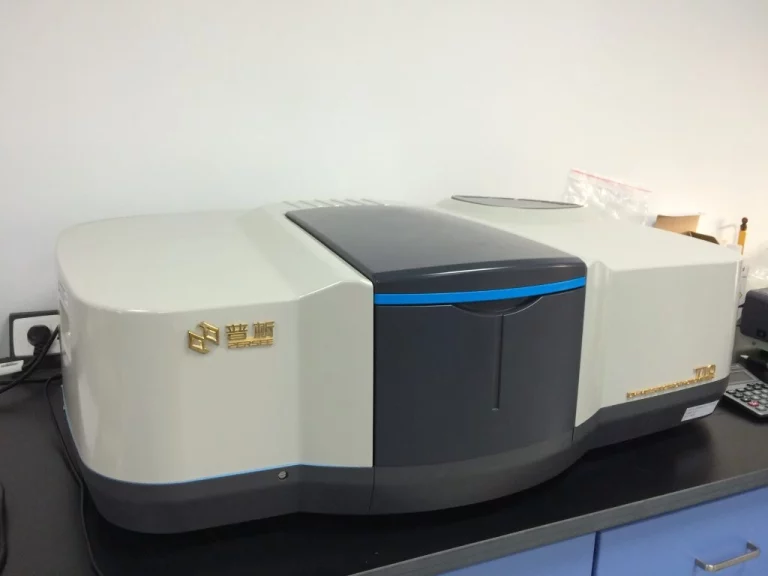
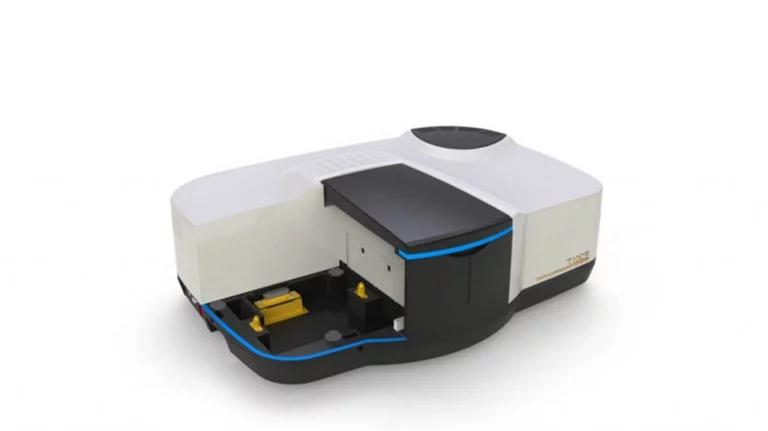
For example, our T8DCS UV-Vis Spectrometer has a photomultiplier tube detector. It provides strong sensitivity with options for spectral bandwidths from 0.1 to 5 nm. Its real double-beam optical system works with an effective control system. Together, they ensure good stability and low background noise. In contrast, AAS systems like our graphite furnace model reach trace-level measurement, and they do this by heating samples at high temperatures in controlled settings.
Instrumentation and Operational Considerations
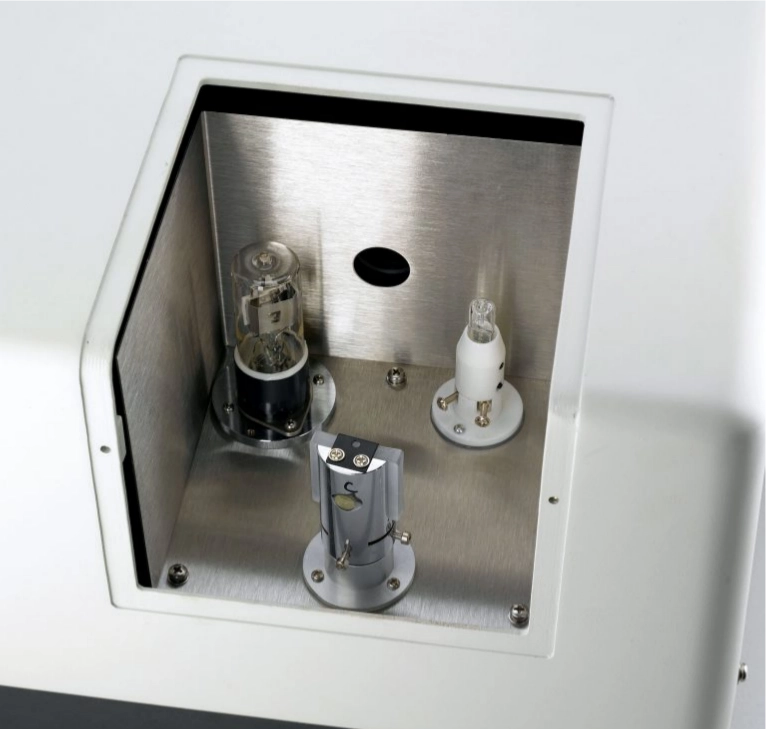
When it comes to instruments, UV-Vis spectrometers need steady broadband lamps, such as deuterium or tungsten types, and they also require monochromators for picking wavelengths and cuvettes to hold samples. Maintenance mostly means replacing lamps and calibrating with approved standards.
AAS systems prove more complicated because of the need for atomization, which involves fuel gases like acetylene or nitrous oxide. The optical setup around hollow-cathode lamps must stay exact for the right readings. Graphite furnace types need extra circuits for temperature control, but they avoid ongoing gas use during work. So, running costs differ. UV-Vis instruments usually face lower costs for supplies than flame AAS units. However, they provide less detail on elements.
Specific Applications in Various Industries
Both technologies fill vital roles in scientific fields, but they meet different analytical needs. In programs for monitoring the environment, AAS works best for finding heavy metals like lead or mercury in water. This meets rules outlined in U.S. Geological Survey protocols (This manual describes atomic-absorption-spectroscopy methods for determining calcium, copper, lithium, magnesium, and manganese in atmospheric precipitation, fresh waters, and brines.). At the same time, UV-Vis spectrometry leads in quality control for pharmaceuticals. It does this by quickly describing organic compounds.
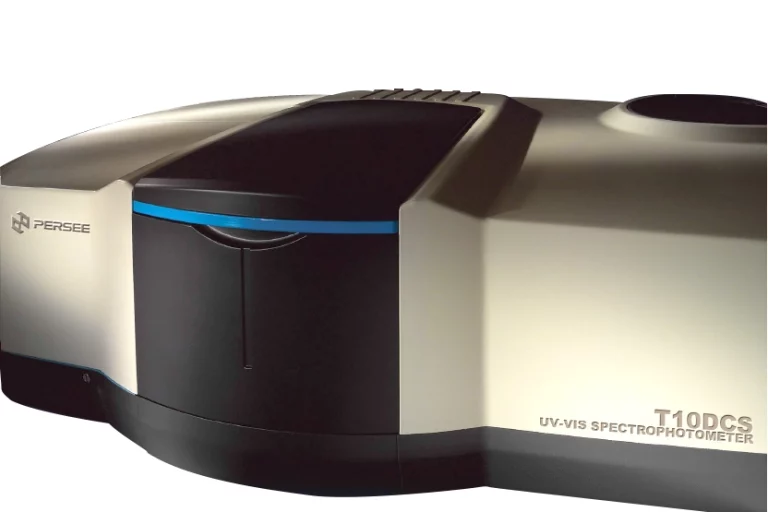
Наш сайт T9DCS UV-Vis Spectrometer shows this range well. It has very low stray light features (≤0.00004 %T NaI @220 nm), which allows precise readings even at deep ultraviolet wavelengths. You can achieve measurements at deep ultraviolet wavelengths with the use of nitrogen-purged optics. For elemental tests that need more accuracy, such as checking soil nutrients in agriculture, our atomic absorption models give dependable results in strict lab conditions.
Selecting the Right Spectrometer for Your Lab Needs
Deciding between UV-Vis and atomic absorption spectrophotometer systems relies mostly on the range of analysis and how you allocate resources. Labs that focus on identifying compounds or regular quantitative tests may see UV-Vis units as more affordable. They have a few gas needs and cover many uses in biochemistry or polymer research.
On the other hand, places that aim at detecting trace metals should choose AAS technology, which comes with safety locks and automatic controls, like those in our flame series instruments. These feature coded burners for complete protection (All three flame configurations offer coded burners for full safety protection.). You must also think about budget limits. Consider the need for extras like autosamplers or systems to correct background, and they boost speed without losing accuracy.
Future-Proofing Your Lab with Versatile Instruments
Labs that want to grow should look at modular designs, and these support various atomization ways or wider wavelength ranges up to 900 nm. You find such in advanced double-monochromator setups (True Double Beam Double Monochromator Optics 185–900 nm Wavelength range with a Nitrogen purge). The ability to connect with digital tools ensures future fit with laboratory information management systems (LIMS). This helps in sharing data well across teams.
For new research centers that balance describing molecules with checking elements, hybrid systems offer long-term options. They mix flame and graphite furnace modes, which cuts down on having extra instruments.
PERSEE: надежный производитель аналитических приборов
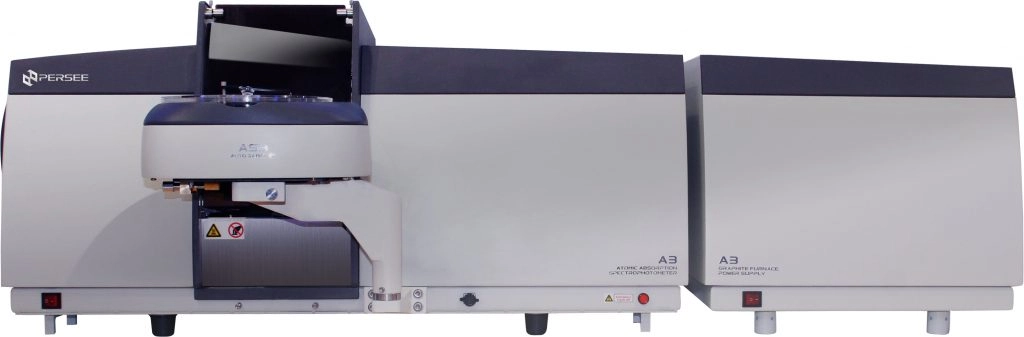
As part of our ongoing push for new ideas at Перси, we have built full solutions for molecular and atomic spectroscopy since 1991. Our products include strong UV-Vis models like T8DCS, T9DCS, and T10DCS, and we also offer advanced atomic absorption spectrophotometers such as A3F (flame mode), A3G (graphite furnace), and AAA3 dual-mode systems. These combine both atomizers smoothly in one setup (A3AFG). The instrument is equipped with both Flame Atomiser and Graphite Atomiser. Both configurations are installed into the instrument and can be changed over by a simple selection in the versatile AA-Win 3.0 software.
Each unit uses smart software interfaces, and they allow exact control over optical settings. At the same time, they ensure user safety with several levels of protection sensors against gas leaks or overheating.
Приверженность качеству и инновациям
Our dedication goes beyond top manufacturing to helping labs around the world. We do this through training programs approved under national testing personnel efforts (Beijing Purkinje General Instrument Co., Ltd) successfully acquired the National Analytical and Testing Personnel (NTC) Training and Assessment Base qualifications in 2010. By mixing solid engineering ways with quick customer help networks worldwide, we promise steady performance that matches global standards, including ISO9001 quality certification.
With years of spending on research, over 30% R&D staff involvement (More than 30% of employees are engaged in R&D), we keep improving optical technologies. These set new marks for precise measurement in fields from pharmaceuticals to petrochemicals.
Заключение
UV-Vis spectroscopy shines at quick molecular description. Atomic absorption spectroscopy gives an unmatched ability to detect trace elements. The choice between these two depends on analytical aims, whether a wide compound review or a focused element count, and resources for upkeep.
Matching instrument choice to work priorities brings the best value. It also keeps scientific standards in all analytical steps. For labs wanting expert advice on adding advanced spectroscopic tools to fit their changing research goals, we welcome you to reach us via our professional channels online through our company site.
Часто задаваемые вопросы
Q1: What are the main differences between UV-Vis spectroscopy and AAS?
A1: UV-Vis measures absorption across ultraviolet-visible wavelengths reflecting molecular transitions; atomic absorption spectrophotometer systems quantify specific wavelengths absorbed by free atoms corresponding directly to elemental concentrations.
Q2: How do I decide which spectrometer is best for my laboratory?
A2: Evaluate your sample types—organic molecules favor UV-Vis analysis, whereas inorganic trace metals require AAS—and balance this against budgetary limits plus anticipated future research directions when selecting instrumentation.
Q3: Are there any maintenance requirements unique to either technique?
A3: Both demand periodic calibration; however, flame-based AAS requires more frequent servicing due to burner cleaning or lamp replacement cycles compared with relatively low-maintenance double-beam UV-Vis units designed for continuous stability over extended operational periods.