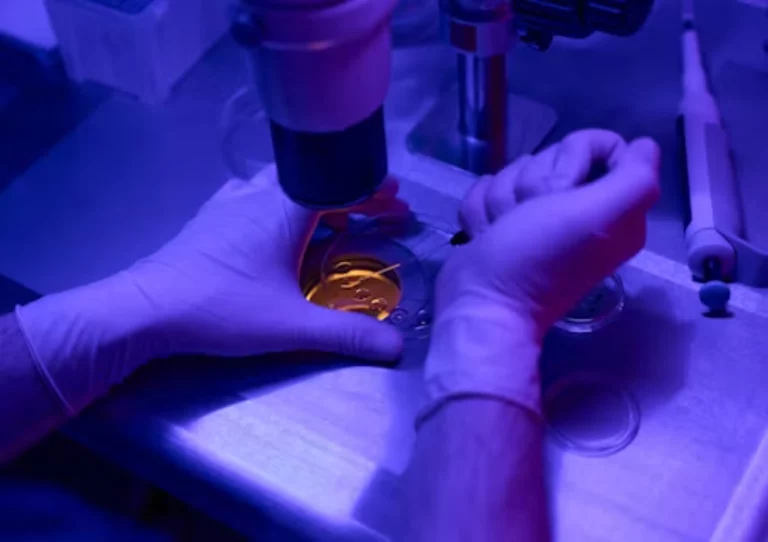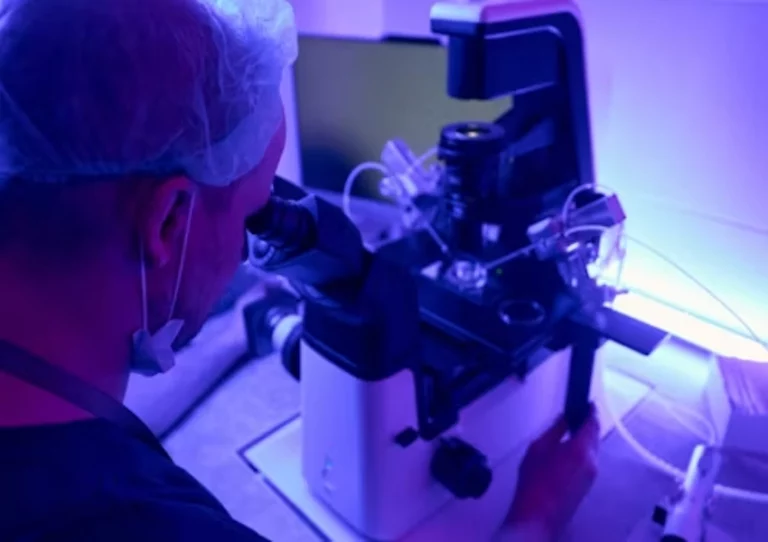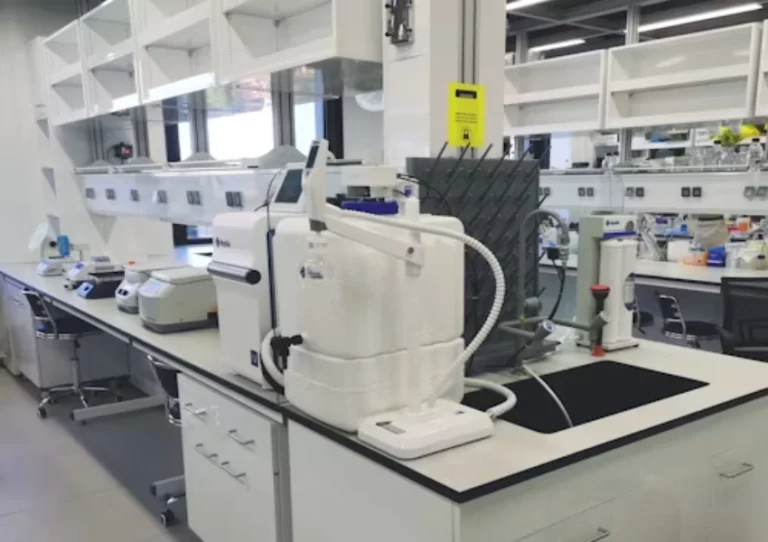

A headspace method can look simple on paper: heat a sealed vial, transfer the vapor, separate the solvents, and report the result. The difficult part begins when a pharma laboratory moves from a workable trial to a method that must survive repeated analysts, new batches, and a formal validation plan. Vial closure, equilibration, sample loading, inlet condition, column choice, and calibration design all affect what finally reaches the detector.
Before validation starts, headspace GC residual solvents work should be treated as a system question. The lab needs to confirm that the selected sample phase, headspace conditions, GC inlet, column, detector, and software produce stable evidence for the target list. A method can be suitable for selected volatile compounds without being a universal route for every product or solvent.
Start With the Sample and the Vial, Not the Instrument Brochure
Static headspace separates volatile components from nonvolatile material by allowing them to distribute between a condensed sample phase and the gas phase above it. That is useful for pharmaceutical matrices because the GC receives vapor rather than the full excipient load. It can reduce inlet and column contamination, but it does not remove the need to define how the sample behaves inside the vial.
Check Volatility, Solubility, and Matrix Load
List the target solvents, product matrix, diluent, sample mass, vial volume, expected concentration range, and any modifier before choosing conditions. Partitioning changes with temperature and matrix composition. A salt or another modifier may increase transfer of some polar compounds into the headspace, while a viscous or poorly dissolved product can create slow equilibration and poor repeatability. Those effects belong in development records, not in a last-minute troubleshooting note.
Treat Sealing as a Measurement Variable
A crimp, septum, vial, and sampling needle form one path. Small leaks can lower response, alter the solvent profile, or create a run-to-run pattern that resembles matrix effect. Inspect closure dimensions, crimp consistency, septum compatibility, and vial handling. A sealed blank, a standard, and a representative sample should be held for a practical time and checked for unexpected loss before the validation sequence is approved.
Make the Headspace Conditions Reproducible
Headspace chromatography depends on equilibrium, and equilibrium takes time. The useful variables are not only oven temperature and transfer volume. Vial heating time, agitation, phase ratio, pressurization, loop temperature, transfer-line temperature, and the delay between preparation and injection can all change the gas-phase concentration.
Set Equilibration With a Time Study
Run a small time study rather than selecting a convenient hold time. The response should reach a stable region for the analytes that matter, while the vial remains intact and the matrix does not visibly change. A long hold is not automatically better. It may increase throughput pressure, promote septum stress, or give late-eluting matrix components more opportunity to enter the transfer path.
Keep Phase Ratio and Loading Consistent
Headspace response is tied to the concentration in the gas phase and to the relationship between gas volume and sample volume. Changing the liquid fill, vial size, or sample mass between standards and unknowns can change that relationship even when the nominal concentration is the same. Weighing, dilution, and vial loading therefore need the same discipline as pipetting in a liquid injection method.
Build System Suitability Around the Transfer Risk
Validation planning should separate chromatographic performance from sample-preparation performance. A clean standard may prove that the column can separate the solvent list, but it does not prove that a sealed drug matrix gives the same recovery or precision. The pre-validation package should include blank behavior, calibration response, replicate preparation, carryover, and stability of prepared vials.

Use Blanks That Match the Real Workflow
Run diluent blanks, vial and septum blanks where relevant, matrix blanks when available, and a sequence blank after a high standard. If the matrix blank is unavailable, document the limitation and use an alternative that tests the most likely source of interference. A blank response that changes after repeated heating points to a different problem from a solvent peak that is already present before the vial is loaded.
Challenge Calibration and Precision
Use a range that matches the intended reportable concentrations and test the response with replicate preparations, not only replicate injections. Review regression behavior, individual analyte response, internal-standard consistency, repeatability, recovery, and carryover. The specific acceptance limits must come from the laboratory procedure and the applicable method, so no generic pass/fail number should be assumed.
Check the GC Configuration Before Method Transfer
A receiving site may have the same nominal GC model and still produce a different method result. Inlet geometry, liner type, split setting, column dimensions, carrier-gas control, oven temperature accuracy, detector configuration, and data processing rules need to be listed side by side with the sending site. The handoff should include the exact consumables and installation position, not just a method file.
Match Inlet and Column Capacity
A capillary split or splitless inlet may be appropriate for one solvent list, while a packed-column route or a different inlet is better for another workload. Persee‘s G5 GC supports optional packed-column and capillary split/splitless injectors, a large oven, and multiple detector choices. The relevance for a buyer is configuration flexibility, not a promise that every option belongs in the base quotation.
Confirm the Headspace Accessory as a Quoted Configuration
The GC-MS or GC itself does not prove that a headspace sampler is included. Ask for the sampler model, vial capacity, temperature range, agitation mode, loop and transfer-line temperatures, injection sequence, maintenance parts, and software control. For laboratories evaluating a complete chromatography system, the accessory list should be tied to the exact method and service package.
Plan Maintenance and Data Review Before Validation
Residual solvent testing often fails quietly. A dirty inlet, aging septum, unstable carrier gas, or a transfer-line restriction may first appear as a small response shift. The lab should define checks for leak tightness, flow, temperature, blank response, retention time, and internal-standard area before the validation run and during routine sequences.
Use a Service Path That Analysts Can Follow
PERSEE's GC1100 GC highlights packed and capillary split/splitless injection options, a large oven, rapid heating and cooling, and detector choices for food, health, quality inspection, and environmental work. Those details matter when a lab is comparing a GC-only platform with a mass-spectrometric confirmation route. The purchase discussion should also cover spare liners, septa, columns, leak checks, training, response time, and who is responsible for method troubleshooting.
Keep Validation Records Connected to the Hardware
Record the instrument serial number, inlet and column configuration, sampler settings, gas supply, software version, calibration preparation, blank results, deviations, and maintenance performed during the study. If a method is transferred later, those records make it possible to distinguish a true method difference from a changed consumable or instrument condition. That is a practical quality decision, not paperwork added after the fact.
FAQ
Q1: Is headspace GC suitable for every residual solvent method?
A1: No. It is well suited to volatile, GC-amenable targets and can reduce nonvolatile matrix entering the inlet. The laboratory still needs to confirm analyte chemistry, matrix behavior, separation, sensitivity, and the applicable method.
Q2: What should be checked first when a validation standard is stable but samples are not?
A2: Check sample dissolution, vial loading, closure integrity, equilibration time, matrix effect, carryover, and the internal-standard response. A clean standard does not test the full sample-preparation path.
Q3: What should a pharma lab request from a GC supplier before purchase?
A3: Request the exact inlet, column, headspace sampler, software, consumables, installation, training, maintenance, and method-support configuration. A supplier such as PERSEE should confirm which options are included and which require a separate quotation.