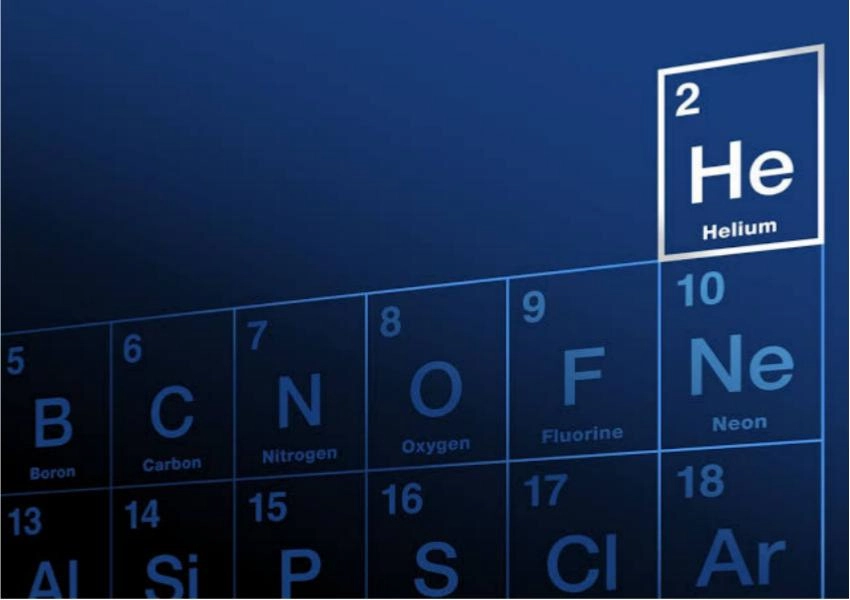
Tradicionalmente, o hélio tem sido o gás de arraste preferido em cromatografia gasosa (CG) devido à sua natureza inerte e ampla compatibilidade com detectores. O hélio é mais comumente usado por ser mais seguro que o hidrogênio, porém comparável em eficiência, por apresentar uma faixa maior de vazões e por ser compatível com muitos detectores. No entanto, a escassez global de hélio interrompeu as cadeias de suprimentos e aumentou os custos operacionais para laboratórios em todo o mundo. Com a diminuição das reservas de hélio e a flutuação dos preços, a redução do consumo de hélio em CG tornou-se uma necessidade estratégica para a gestão sustentável de laboratórios.
Implicações ambientais e econômicas do uso de hélio
A dependência excessiva do hélio não só aumenta os custos analíticos, como também contribui indiretamente para o impacto ambiental devido às emissões provenientes da extração e do transporte de recursos. Práticas sustentáveis em cromatografia gasosa (GC) — como o uso de gases de arraste alternativos ou a otimização dos parâmetros do sistema — ajudam a minimizar tanto os custos quanto a pegada de carbono. Laboratórios que adotam fluxos de trabalho cromatográficos mais ecológicos reforçam sua reputação de responsabilidade ambiental e, ao mesmo tempo, alcançam estabilidade financeira a longo prazo.
Alternativas de gás de arraste para cromatografia mais ecológica
Para manter o desempenho analítico e, ao mesmo tempo, reduzir a dependência do hélio, os laboratórios estão explorando cada vez mais o hidrogênio e o nitrogênio como gases de arraste alternativos.
Hidrogênio como alternativa viável de gás de arraste
O hidrogênio oferece vantagens significativas em termos de velocidade e eficiência. Possui baixa densidade e melhor condutividade térmica. Sua baixa viscosidade permite tempos de análise mais rápidos em comparação com o hélio, o que pode melhorar a produtividade em ambientes de teste de alto volume. Embora a inflamabilidade do hidrogênio exija medidas de segurança adicionais — como sistemas de detecção de vazamentos ou geradores no local — ele oferece independência de fornecedores externos de gás. Cilindros de gás comprimido ou geradores de gás fornecem o gás. Quando gerenciado adequadamente com sistemas de GC avançados que possuem controles de segurança integrados, o hidrogênio se torna uma alternativa eficiente e sustentável para reduzir o consumo de hélio em fluxos de trabalho de GC.
O nitrogênio como uma opção economicamente viável para aplicações em cromatografia gasosa.
O nitrogênio é outra opção economicamente viável. É um gás abundante e geralmente mais barato que o hélio. A sensibilidade de detecção costuma ser menor do que com hélio, mas geralmente não representa um problema para a maioria dos trabalhos de controle de qualidade de rotina típicos de aplicações de cromatografia gasosa. A baixa velocidade linear do nitrogênio através da coluna pode ser compensada pela seleção adequada do comprimento da coluna, do diâmetro interno e do programa. Os cromatogramas resultantes costumam ser tão bons quanto os obtidos com hélio. Aliás, a menor velocidade do nitrogênio pode até facilitar a obtenção dos resultados desejados em alguns casos.
Avaliação de abordagens com gases de arraste mistos ou híbridos
Para laboratórios que buscam implementar uma transição gradual para uma solução mais sustentável, o uso de sistemas híbridos de gases de arraste é uma opção a ser considerada. Esses sistemas podem ser configurados para operar com uma mistura de hélio e hidrogênio ou nitrogênio. Essa mistura pode ser usada para reduzir progressivamente a quantidade total de hélio utilizada, mantendo a consistência dos métodos. Os métodos precisarão ser formalmente revalidados para garantir que o desempenho das medições não seja comprometido durante as fases de substituição, mas isso permitirá que os pesquisadores continuem trabalhando para atingir suas metas de desempenho e sustentabilidade sem precisar implementar novos equipamentos para executar os métodos. Sistemas híbridos podem ser usados para implementar uma transição gradual para uma solução mais sustentável sem comprometer o desempenho nesse período.
Estratégias práticas para reduzir o consumo de hélio em sistemas de cromatografia gasosa
Otimizando os parâmetros do instrumento para taxas de fluxo de hélio mais baixas
Reduzir o fluxo de gás de arraste sem sacrificar a resolução envolve o ajuste fino das configurações de pressão, da geometria da coluna e dos programas de temperatura do forno. O cilindro/tanque de gás é equipado com um controlador de pressão para controlar a pressão do gás, um manômetro que indica a pressão, uma peneira molecular para transferir o gás seco filtrado e um regulador de fluxo para garantir uma vazão constante da fase móvel para a coluna. Os cromatógrafos gasosos modernos equipados com software inteligente permitem um controle preciso do fluxo, minimizando o desperdício e mantendo a reprodutibilidade. A manutenção de rotina também desempenha um papel essencial — a detecção precoce de vazamentos evita a perda desnecessária de hélio ao longo do tempo.
Implementando Tecnologias Avançadas de Controle de Fluxo
A tecnologia de controle pneumático eletrônico (EPC) garante taxas de fluxo reproduzíveis mesmo sob condições ambientais variáveis. Os modos de injeção sem divisão reduzem ainda mais a necessidade de gás de arraste por análise de amostra, otimizando a eficiência de introdução da amostra. A integração de sistemas de amostragem automatizados aumenta a consistência entre as análises, minimizando a intervenção manual que poderia levar ao consumo excessivo de gás.
Planejamento da transição para laboratórios que estão deixando de usar hélio
A transição do hélio para um gás alternativo, como hidrogênio ou nitrogênio, em laboratórios exige um plano de transição bem organizado para minimizar o tempo de inatividade e tornar a transição o mais tranquila possível. Para começar, os métodos que atualmente utilizam hélio devem ser revalidados para as condições em que o novo gás alternativo será usado. Em seguida, é oferecido treinamento sobre o gás alternativo e os métodos seguros de uso. Além disso, grande parte da implementação é feita em coordenação com o fabricante dos instrumentos analíticos e o suporte técnico fornecido por ele durante todo o processo de transição. O monitoramento contínuo garante que a precisão analítica permaneça inalterada durante essa transformação rumo a uma operação sustentável.
O papel dos instrumentos de GC modernos na obtenção de uma cromatografia mais ecológica.
Os cromatógrafos gasosos de nova geração incorporam designs de fluxo eficientes que requerem volumes menores de gás de arraste por ciclo de análise. Sistemas automatizados de detecção de vazamentos melhoram tanto a conformidade com as normas de segurança quanto a conservação de recursos, prevenindo perdas não detectadas.
Exemplos de instrumentos projetados para operação sustentável
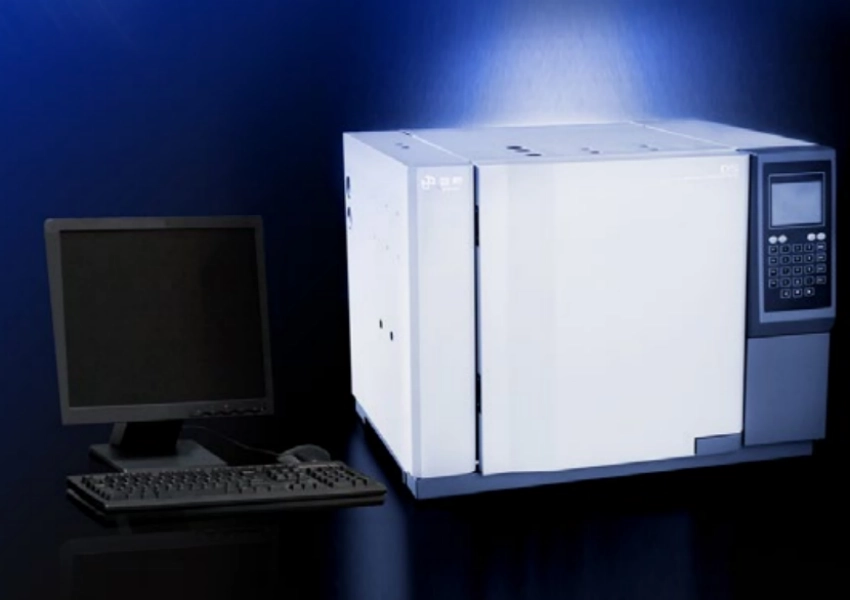
O G5 GC Exemplifica a flexibilidade através de sua configuração modular que suporta múltiplos gases de arraste, incluindo hidrogênio e nitrogênio. O controle estável do fluxo de gás e da temperatura, combinado com um detector de alta sensibilidade, proporciona resultados de análise qualitativa e quantitativa mais precisos. Seu sistema de controle elétrico inteligente permite a regulação precisa das taxas de fluxo, essencial para reduzir o consumo geral durante operações prolongadas.
Da mesma forma, o Série GC1100 Integra módulos EPC avançados que otimizam a precisão do fornecimento de gás de arraste em diversas aplicações — desde análises petroquímicas até testes de segurança alimentar — garantindo um desempenho consistente mesmo em configurações de fluxo mais baixas.
Para laboratórios que necessitam de soluções compactas e energeticamente eficientes, o M7 Quadrupolo Simples GC-MS Oferece capacidade analítica superior em um formato compacto, projetado para reduzir o consumo de energia e minimizar a demanda de recursos durante ciclos de operação contínua.
PERSEE: Um fabricante confiável de instrumentos analíticos para laboratórios sustentáveis.
Estamos comprometidos com o avanço de tecnologias analíticas sustentáveis por meio de investimentos contínuos em pesquisa e inovação de produtos, com foco na melhoria da eficiência em todas as plataformas cromatográficas. Nossos instrumentos combinam engenharia de precisão com princípios de design ambientalmente responsáveis, alinhados às metas de sustentabilidade dos laboratórios modernos.
Persee Os instrumentos de laboratório na área ambiental permitem a medição e análise precisas do ar, da água, do solo e de outros parâmetros. Em caso de qualquer problema técnico, é fornecido suporte internacional através do página de contato Em nosso site, você encontra informações sobre os instrumentos da PERSEE, utilizados em diversos setores industriais ao redor do mundo e reconhecidos por sua alta precisão e confiabilidade. Reduzir o consumo de hélio em cromatografia gasosa (GC) não é apenas benéfico para as operações do laboratório, mas também ético. Isso pode ser alcançado com o uso de gases de arraste alternativos, como hidrogênio ou nitrogênio, em combinação com instrumentos de cromatografia modernos, como a série G5 de instrumentos de alto desempenho, desenvolvida pela PERSEE.
FAQ
Q1: Quais são as principais vantagens de usar hidrogênio em vez de hélio como gás de arraste?
A1: O hidrogênio proporciona tempos de análise mais rápidos devido à sua baixa viscosidade e maior difusividade; além disso, reduz os custos operacionais, uma vez que pode ser gerado no local com segurança, utilizando sistemas de geração controlados, em vez de depender exclusivamente de cadeias de suprimento externas.
Q2: Como os laboratórios podem fazer a transição do hélio para gases de arraste alternativos com segurança?
A2: Uma transição segura requer a revalidação sistemática dos métodos em novas condições, a instalação de sensores de detecção de vazamentos para o uso de hidrogênio, programas abrangentes de treinamento da equipe sobre os procedimentos de manuseio e a cooperação com fornecedores de instrumentos que ofereçam suporte especializado durante as fases de conversão.
P3: Os cromatógrafos gasosos modernos são compatíveis com múltiplos gases de arraste?
A3: Sim, os modelos avançados, incluindo os das nossas séries G5 GC e GC1100, são projetados para serem compatíveis com vários gases, como hidrogênio, nitrogênio ou hélio, permitindo uma adaptação flexível a fluxos de trabalho de cromatografia mais ecológicos, mantendo ao mesmo tempo uma precisão analítica consistente em todas as aplicações.