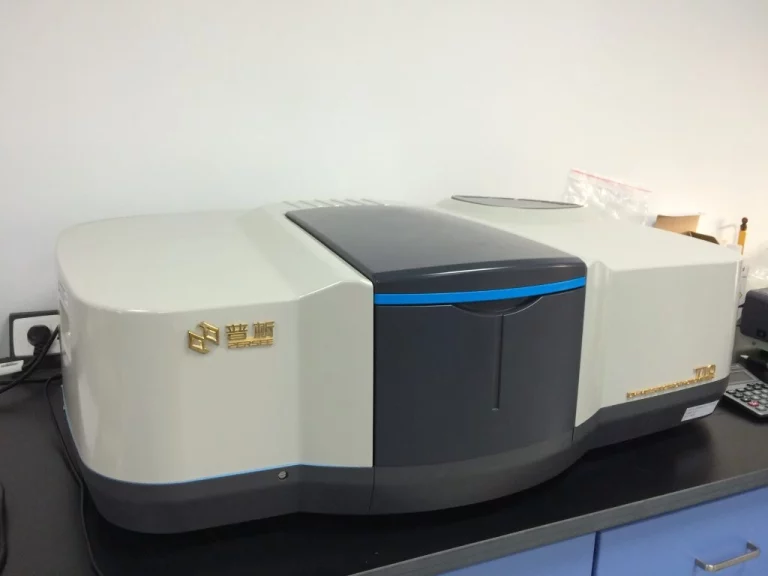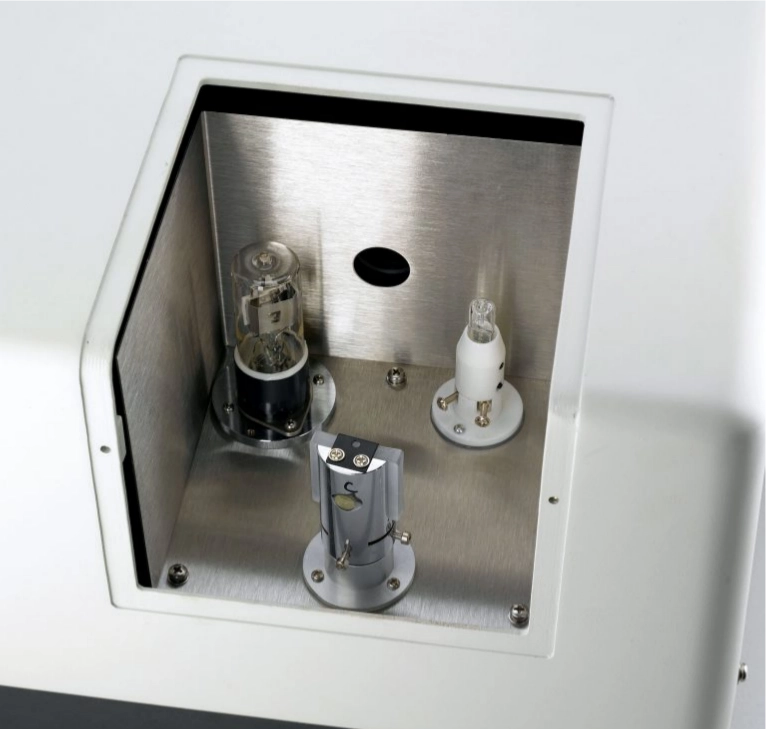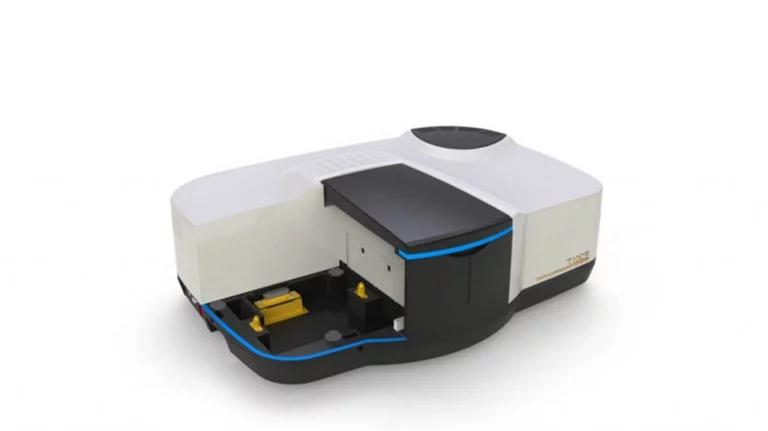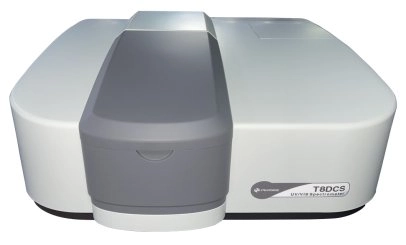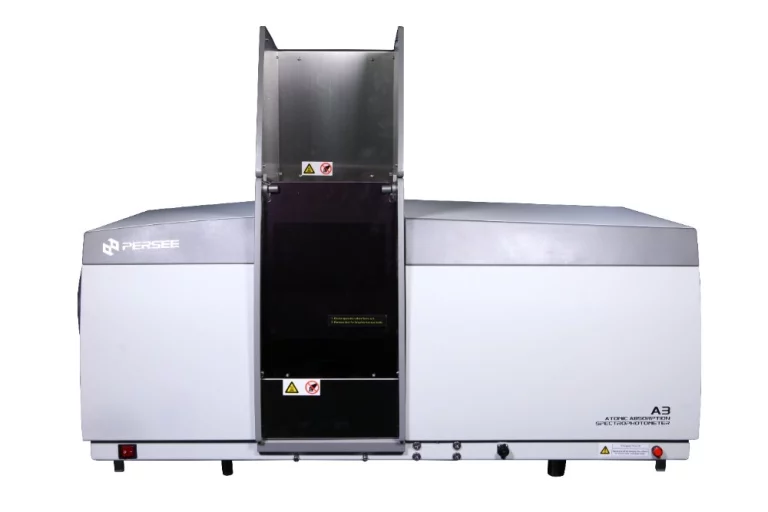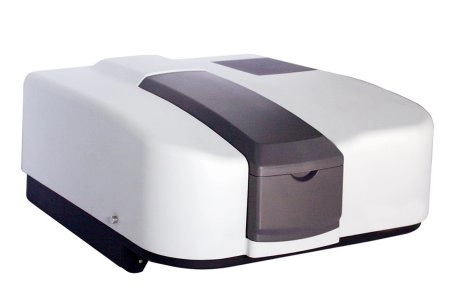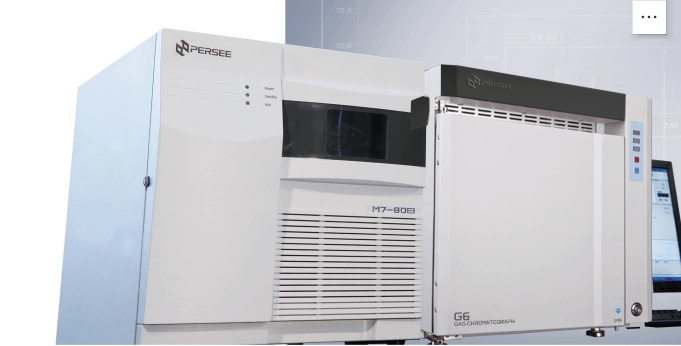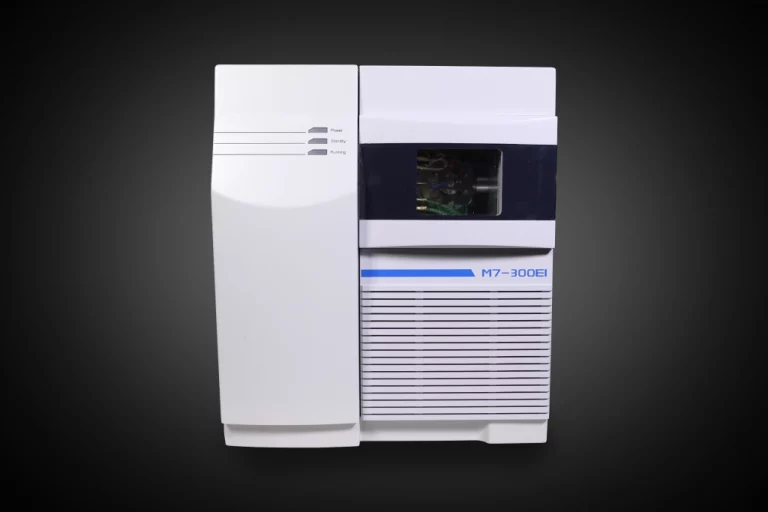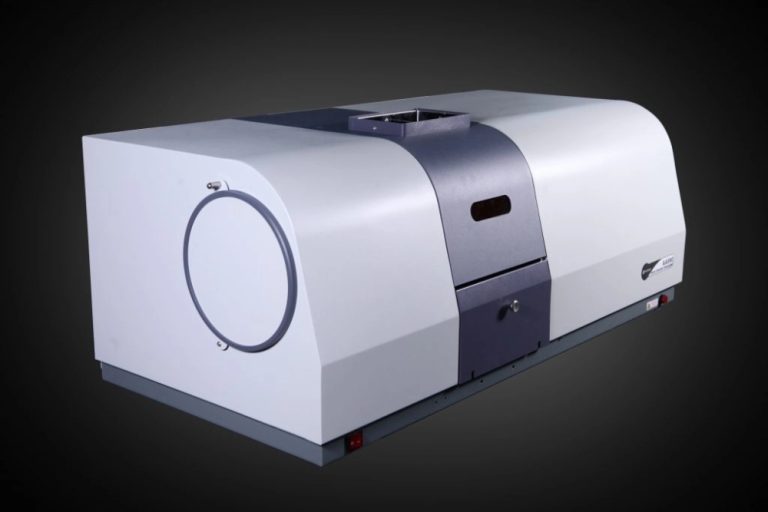
A espectrofotometria depende da ideia básica de que as substâncias químicas absorvem ou passam luz a certas comprimentos de onda. A quantidade de luz absorvida é diretamente proporcional à concentração da substância em uma solução. Essa conexão é expressa através da Lei Beer-Lambert em termos matemáticos. Como um dispositivo analítico, um espectrofotométro aparece em quase todos os tipos de laboratório químico, biológico ou científico da vida. Partes chave de um espectrofotométro consistem em uma fonte de luz, monocromator, contedor de amostras e detector. Esses elementos trabalham juntos para permitir medições exatas de absorção sobre intervalos UV, visíveis ou IR.
Os espectrofotométeros UV-visíveis geralmente funcionam na faixa de 190-1100 nm. Eles se encaixam bem para estudar mudanças eletrônicas em moléculas. Os espectrometros infravermelhos (IR) verificam vibrações moleculares na área média do IR, cerca de 4000-400 cm ⁻¹. Enquanto isso, os espectrometros de absorção atômica localizam elementos medindo a absorção de luz por átomos livres.
Quais espectrometros são comumente utilizados em aplicações industriais e de pesquisa?
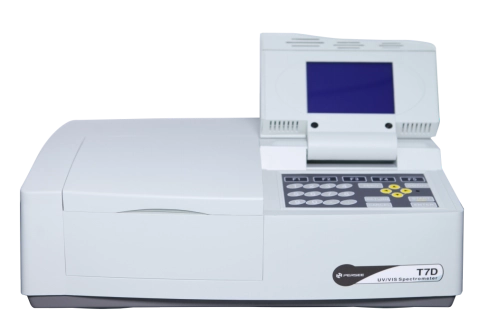
A espectroscopia abrange vários tipos projetados para objetivos específicos de análise. Os espectrofotométeros UV-Vis servem amplamente para verificações moleculares quantitativas. - Dispositivos como T7 UV-vis fornecem escaneamento de espectro e medição de DNA/proteínas com forte precisão, estabilidade e características automáticas. Ela encontra uso em rápido rastreamento de resíduos de pesticidas, salvaguarda ambiental, inspecção e quarentena, além de outras áreas.
Spectrometros FTIR como Ftir8000 provam-se essenciais para observar grupos funcionais em moléculas complicadas. A inclusão de um monocromator Cherno-Turner e tubo fotomultiplicador traz alta sensibilidade e problemas mínimos de luz perdida. Espectrometros de Absorção Atômica (AAS), como o AA990F, se encaixam melhor para os controles elementais.
Os métodos espectrométricos estão em conformidade com as Normas Regulatórias?
Sim. Cada farmacopoeia pede aos usuários que demonstrem que seu equipamento de espectrofotometria funciona corretamente em termos de Linearidade, Longitude de Wavelength, Bandwidth e Stray Light. Os espectrofotométeros em ambientes GMP têm que cumprir regras difíceis. Métodos como impressões digitais espectrais ajudam a manter a coerência de um lote para o outro. - Passos de validação incorporados também apoiam esforços para seguir regulamentações.
Que papel desempenham os espectrometros no monitoramento ambiental?
Assim como na proteção ambiental, assegurar que comida e bebidas permaneçam seguras e reais como um objetivo mundial. O campo de comida e bebidas depende muito da análise espectroscópica, e verifica o valor nutricional, localiza adulteração e cumpre regras de segurança estritas. Tudo isso ajuda a proteger os consumidores em todo o mundo.
A espectrofotometria UV-Vis seleciona nitratos, fosfatos e diferentes compostos orgânicos. Isso é baseado em seus padrões típicos de absorção. Essas abordagens ajudam em revisões ambientais em tempo real e esforços para a saúde pública. Absolutamente. [UNK]FTIRajuda a espectroscopia na descrição de material orgânico do solo e maquilhagem mineral. O mapeamento elemental com AAS ajuda a planejar uma agricultura sustentável, e faz isso através de deficiências nutricionais ou poluição do trabalho industrial.
Como é utilizada espectroscopia no controle da qualidade dos alimentos e bebidas?
De refeições em casa para combustível em tanques, análise cuidadosa permanece vital. Na área petroquímica, a espectroscopia prova-se chave para descrever misturas complexas de hidrocarbonetos, observar padrões de combustível e parar os danos ao equipamento. As ferramentas UV-Vis dão opções de teste não prejudiciais que economizam custos para os controles cotidianos.
É possível detectar adulto alimentar ou fraude?
Sim. A espectroscopia FTIR destaca-se em encontrar adulterantes, e funciona combinando amostras desconhecidas com coleções espectrais de produtos alimentares reais. Por exemplo, pode distinguir o óleo de oliva puro além de versões misturadas com óleos menos caros. Isso acontece através da verificação de padrões IR únicos.
Como a espectroscopia apoia a análise petroquímica?
A utilidade da espectroscopia na verificação dos hidrocarbonetos mostra sua maior força na descrição material. Seguir o rastro de produtos de degradação oxidativa ajuda a confirmar os padrões de combustível e a vida de armazenamento. Tecnicas de absorção atômica contam impurezas metálicas como vanádio ou níquel, e elas podem prejudicar o equipamento de refinação. Esses controles são vitais tanto para exploração precoce quanto para supervisão posterior da qualidade em processos.
O que Insight pode ganhar a Ciência Material da Spectroscopia?
A habilidade de examinar a construção de material e o papel se estende suavemente na biologia. Em estudos biomédicos e controles clínicos, a espectroscopia traz formas não invasivas de olhar para partes sanguíneas, descrever tecidos e crescer o conhecimento das doenças em escala molecular.
Como são avaliadas as propriedades ópticas dos materiais?
Os espectrofotométeros UV-Vis medim fatores como transmissão, reflexividade e absorbência em polímeros, revestimentos e nanomateriais. Essa informação guia a criação de produtos em campos, desde embalagem até eletrônica.
O FTIR pode revelar mudanças estruturais durante a síntese?
Sim. Os espectros infravermelhos mostram mudanças na estrutura molecular durante a produção ou quebra. Isso permite aos pesquisadores ajustar as configurações de reação ou verificar a estabilidade em diferentes ambientes.
Quais Aplicações Existem em Pesquisa Biomédica e Diagnóstico?
A precisão necessária nos controles médicos corresponde à necessidade de procurar justiça. A ciência forense usa o poder claro de identificação da espectroscopia. Ela analisa materiais desconhecidos, localiza pistas e conecta itens com crimes com ciência sólida.
A análise do sangue é possível usando UV-Vis?
Métodos espectrofotométricos medim os níveis de hemoglobina observando absorbência em comprimentos de onda definidos, muitas vezes perto de 540 nm. Isso ajuda a verificar rapidamente em laboratórios clínicos.
A espectroscopia infravermelha pode ser usada para caracterizar tecido?
FTIR dá bioquímico ‘ pegadas digitais de construção de tecidos. Ajuda a observar câncer ou construção de tecidos através de variações nos níveis de proteínas, lipídeos e ácidos nucleicos.
Que valor os espectrometros trazem para a Ciência Forense?
A necessidade de controles de nível de rastro e identificação firme leva a outro uso chave na produção tecnológica.
Como as substâncias desconhecidas são identificadas nas cenas do crime?
A espectroscopia IR oferece picos típicos de absorção para compostos como drogas, explosivos ou fibras feitas pelo homem. Esses padrões ajudam os grupos forenses a confirmar o tipo de material rapidamente.
Podem ser detectados em evidência?
Sim. A espectrometria de absorção atômica encontra vestígios de metal em armas ou roupas. Isso pode conectar suspeitos a crimes através de ligações de evidência.
Como as técnicas espectroscópicas são usadas na fabricação de semicondutores?
Desde construção industrial avançada a descobertas científicas básicas, espectroscopia’ o caminho completou um ciclo. Em escolas e universidades, essas ferramentas são importantes para ensinar futuros cientistas e permitir pesquisas corajosas em química, biologia, física e engenharia.
Como a espessura do filme fino é medida não destrutivamente?
A espectrofotometria UV-Vis descobre espessura de projetos de interferência feitos pela luz saltando em filmes finos. Assim mantém o controle exato das camadas na construção de microchips.
Podem os contaminantes da superfície ser detectados em ondas?
A espectroscopia FTIR localiza resíduos orgânicos que podem prejudicar a força dos circuitos. As instalações da sala de limpeza contam muito com este método para lidar com a contaminação.
Por que os espectrofotométeros são essenciais na pesquisa acadêmica?
Nesta ampla gama de usos – de farmacêuticos a forense, e de laboratórios escolares a pisos fábricos – a necessidade compartilhada é de equipamentos confiáveis, precisos e frescos. Escolhar o fornecedor certo para essas ferramentas importa tanto quanto escolher o método.
Como esses instrumentos melhoram a educação?
Os espectrofotométeros dão aos alunos trabalho prático com métodos analíticos reais. Esse tempo de mão-de-obra os prepara para empregos em farmacêuticos, ciência de materiais ou ciência ambiental.
São úteis através das disciplinas científicas?
Sim. Elas usam sondas de campo misto de volta em química, biologia, física e engenharia. Elas fazem isso permitindo medição e explicação estrutural de uma configuração.
Quem oferece soluções confiáveis para necessidades espectroscópicas diversas?
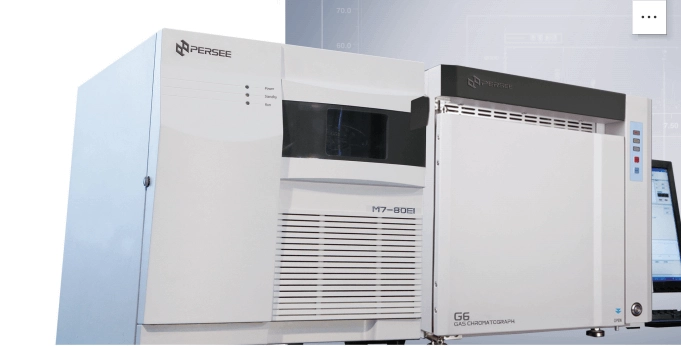
Se você procurar um parceiro de negócios focado na precisão e novas ideias em ferramentas analíticas -- de UV-VIS a AAS a FTIR --Persee aparece como um fabricante de confiança mundial. Seu alinhamento de ferramentas inclui configurações como M7 GC-MSEste é adequado à segurança alimentar, proteção ambiental, química material, pesquisa em medicina e usos forenses. O M7 é um sistema exato, confiável e preciso. Ela funciona bem para análise de rotina em massa e tarefas de pesquisa detalhadas também. PERSEE mistura software inteligente com bases sólidas de hardware para garantir resultados repetíveis em campos. Com um alcance mundial de serviços e anos de R&D D habilidade, eles continuam apoiando cientistas globalmente com ferramentas máximas.
FAQ
Q1: Quais fatores devem ser considerados ao selecionar um espectrofotométro para uso industrial?
A1: Pensem em intervalo de comprimento de onda, por exemplo, UV-Vis versus IR. Além disso, olhem para as necessidades de resolução, o quão bem ela corresponde aos tipos de amostra como líquido, sólido ou gás, velocidade de manipulação de dados, opções de software como a conformidade 21 CFR Parte 11, chances de automatização e serviços de suporte para dependência contínua.
Q2: Como o FTIR difere da espectroscopia UV-Vis?
A2: FTIR olha para vibrações moleculares na zona infravermelha média, aproximadamente 4000-400 cm ⁻ ¹, para localizar grupos funcionais descritivamente. Por outro lado, o UV-Vis verifica mudanças eletrônicas de 190-1100 nm para o trabalho de concentração numérica baseado na for ça de absorção.
Q3: Serão instrumentos PERSEE adequados para ambientes regulados como farmacêuticos?
A3: Sim. Ferramentas como o UV-Vis T7 vêm com configurações de software favoráveis ao GLP/GMP, funcionalidades de manutenção de registros, ferramentas de controle de métodos e dados seguros que possuem escolhas feitas para campos que seguem regras estritas.