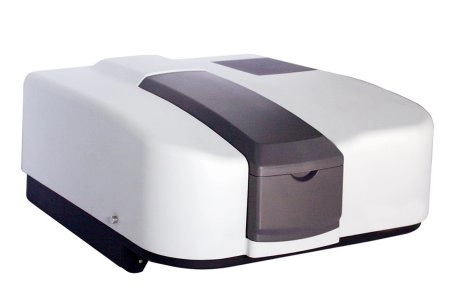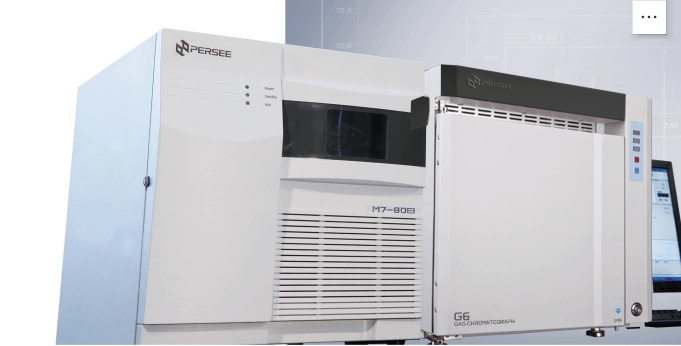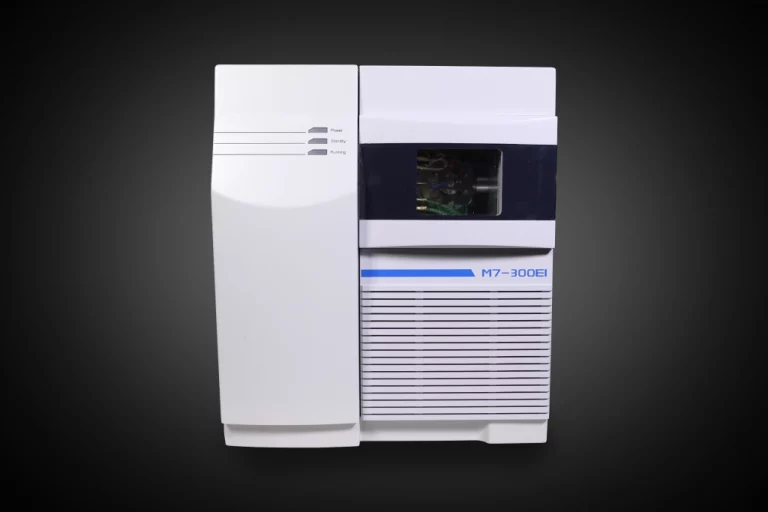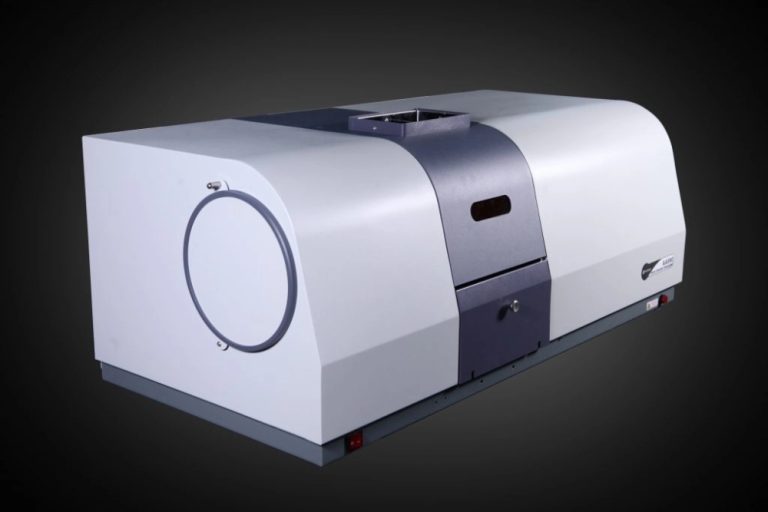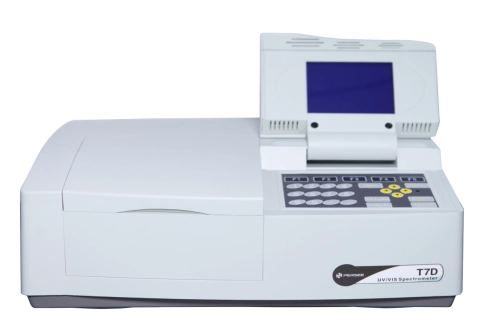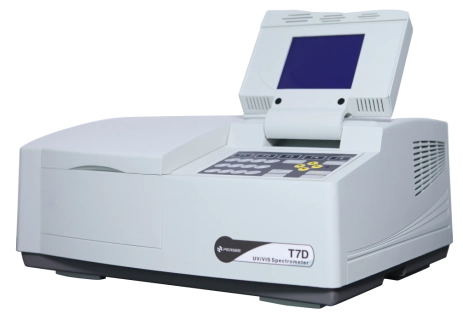
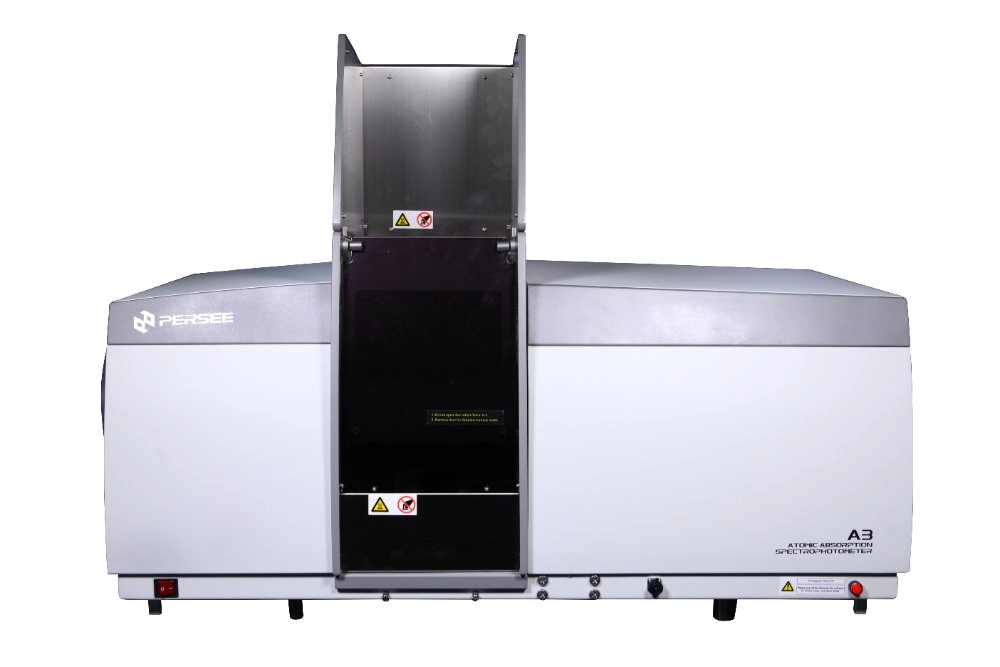
Spectrophotometers serve as vital instruments in both lab and on-site testing. They measure the absorbance or transmittance of materials over various wavelengths. A spectrophotometer acts as a key analytical device, which appears in nearly all chemical, biological, or life science labs. These roles cover environmental monitoring, pharmaceutical testing, food safety checks, and chemical research.
These devices hold importance for both qualitative and quantitative work, and their adaptability allows uses from spotting small traces in drugs to regular quality tests in drink manufacturing. Such broad applications show their value in many fields. Picking between portable and benchtop spectrophotometers affects analysis results a lot. Portable types stress movement and fast answers. Benchtop ones give exactness and better functions, and these matter in strict settings or tough samples.
How Do Portable and Benchtop Spectrophotometers Differ Technically?
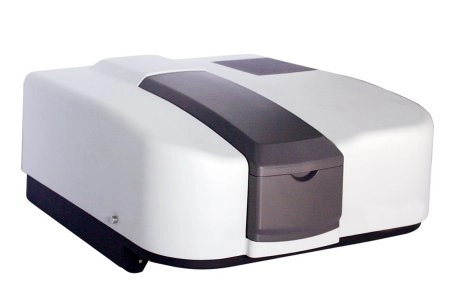
Benchtop spectrophotometers usually have double-beam optics, which improves accuracy by checking a blank and a sample beam together. The T8DCS is a strong double-beam spectrophotometer, which has a spectral bandwidth you can pick from 0.1–5nm without stops. Tools like the T8DCS UV-VIS y T9DCS UV-VIS give great optical sharpness, and they use holographic gratings and photomultiplier detectors for this.
Portable units often use single-beam setups instead, which keeps the inside simple. It lets you take quicker readings in the field, but this ease can cut down on sharpness and make it prone to slow changes. The wavelength span marks another big difference. Benchtop types often go from deep UV at 185 nm to near-infrared at 900 nm. Portable ones might handle less range because of their small size and power limits.
How Is Data Managed and Transmitted Across Platforms?
Benchtop systems link with PCs for full data work through smart software sets. For example, ones with UV-Win software allow 3D spectrum views, rate studies, and data storage that fit GLP rules. Portable spectrophotometers use built-in memory or links like Bluetooth or Wi-Fi to move data. Some have app interfaces for easy field reports. Yet they might miss the strong tracking needed for strict tests.
What Are the Strengths of Portable Spectrophotometers?
Being easy to carry means quick setup in spots outside labs, like factory areas or nature sites. Running on batteries removes the need for wall power, which lets you test in far-off or rough places. The A3afg is a good case, which is a small device for finding trace metals in farming, nature checks, or food safety. It has both a flame atomizer and a graphite atomizer. You switch them simply with software, which gives options without losing simple handling.
How Do User Interfaces Enhance Accessibility?
Field tools have clear user interfaces. These include touch screens or basic buttons, which makes them open to people without special skills. They need little setup adjustment, which speeds prep time. It also lowers training needs for short-term workers or students.
What Limitations Should Be Considered for Portable Models?
Single-beam optics in portable models can cause shifts over time. For analysts to trust the spectrophotometer’s work and exact readings, they need to be sure that the main functions run well. These are Linearity, Wavelength, Bandwidth, and Stray Light. Lower spectral sharpness makes it hard to tell apart close absorbance peaks. This is a problem for tough samples like water from the environment.
How Do Environmental Factors Affect Performance?
Portable devices deal with dust, wetness, and changing heat. All these can harm the optical setup or sensor work. You often recalibrate to keep accuracy, and this is hard in far places without standard checks.
Why Choose Benchtop Spectrophotometers for Advanced Analysis?
Benchtop tools give top sensitivity, which comes from dual monochromators, low stray light build, and wide dynamic range. The T10DCS has very low stray light (≤0.00004%T @220nm) and a wide photometric range (-8.0~8.0 Abs), which fits deep UV uses well. This is key for finding small impurities in drugs or pollutants at ppb levels.
How Do They Integrate Into Laboratory Information Systems?
These systems join LIMS platforms smoothly. They allow auto methods, audit tracks, batch work, and long storage. All this meets GMP/GLP rules.
Where Do Benchtop Models Fall Short?
Their large size and need for steady conditions like heat control and shake protection make them unfit outside labs, which limits them to fixed spots.
What About Cost Considerations?
Better features cost more at first, and this can be much higher than portable ones. Also, service deals and regular calibration add to running costs over the tool’s life.
When Should You Use Each Type of Spectrophotometer?
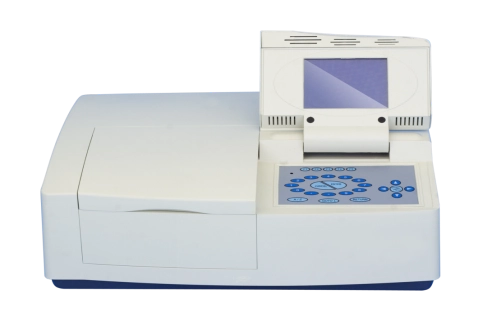
- On-site manufacturing quality control: Fast choices in making cut down on expensive fixes.
- Environmental field assessments: Live tests of soil or water lead to quick fixes.
- Educational settings: Simple units aid direct learning without hard lab setups.
Where Do Benchtop Models Excel?
- High-throughput testing labs: Auto sample changers help steady work flows.
- Regulated pharmaceutical analysis: They match USP/EP rules and are ready for checks.
- Advanced research: They handle rate tests or full scans for new compound making.
What Criteria Should Guide Instrument Selection?
Sample hardness sets the needed spectral sharpness and wavelength cover. For example, trace finding in bio tests needs high S/N ratios and little stray light. These traits are only in double-beam systems.
What Environmental Conditions Will the Instrument Face?
You must think about power access, space limits, move times, and risk from surroundings. Labs with steady conditions should use benchtop steadiness. At the same time, changing field spots gain from tough portable types.
How Do You Evaluate Budget Over Time?
Look past the buy price. Add calibration items, software fees, upkeep deals, and used parts to the total own cost math. A low-cost choice may bring higher life costs if it often needs fixes or misses key parts.
Why Is PERSEE a Trusted Source for Analytical Instrumentation?
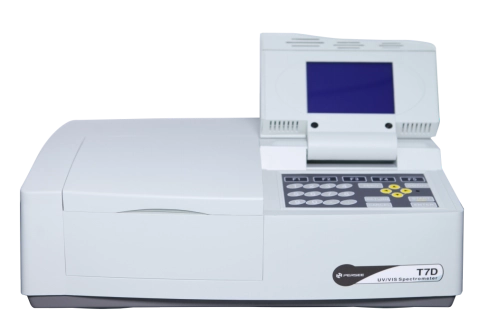
With more than thirty years of R&D skills, Perseguir leads in making scientific tools worldwide. As a new high-tech firm started in 1991, it has ISO9001 for quality systems, which works to grow science while keeping people safe. PERSEE’s wide product range has low-cost picks like the T7D UV-Vis for school labs, and it also has high-research tools like T10DCS for very fine measures. Their local service setup gives quick tech help around the world. If your work is in schools or strict business spots, PERSEE gives fitting answers backed by world trust.
Preguntas frecuentes
Q1: Can portable spectrophotometers be used for pharmaceutical applications?
A1: Portable models may suffice for preliminary checks, but regulated pharmaceutical environments typically require benchtop units that meet GLP/GMP requirements due to their validated performance metrics.
Q2: What is the recommended calibration interval for spectrophotometers?
A2: Calibration frequency depends on usage intensity; however, weekly or monthly calibrations are standard in laboratory settings. Instruments used in harsh environments may need more frequent validation.
Q3: How does T7 differ from T10DCS in application scope?
A3: The T7 series serves routine tasks with single-beam optics suitable for education or QA/QC labs; T10DCS offers true double-beam optics with ultra-low stray light ideal for advanced research needing high analytical precision.