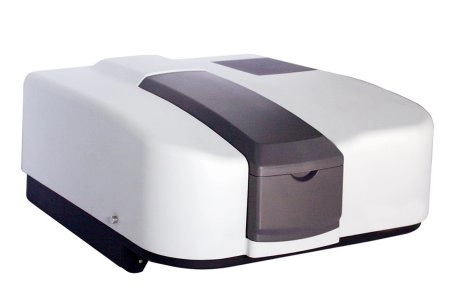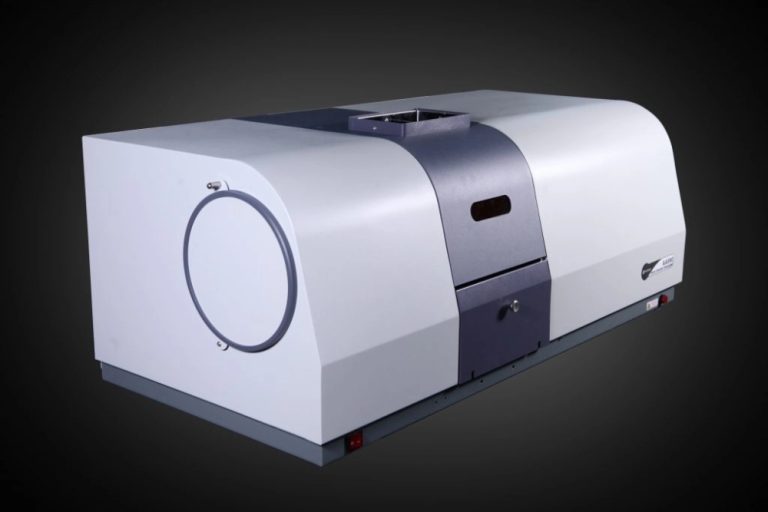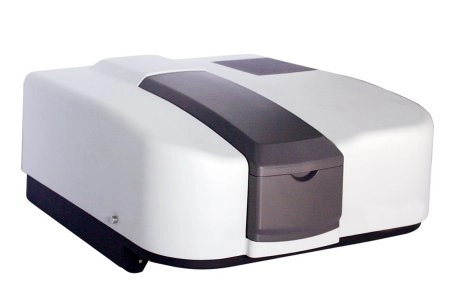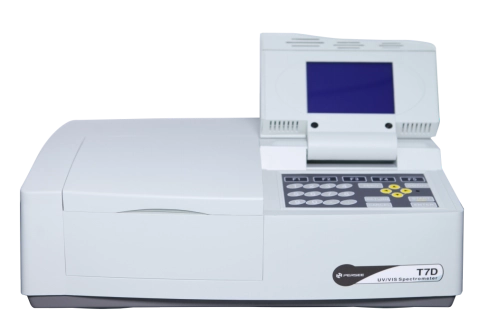
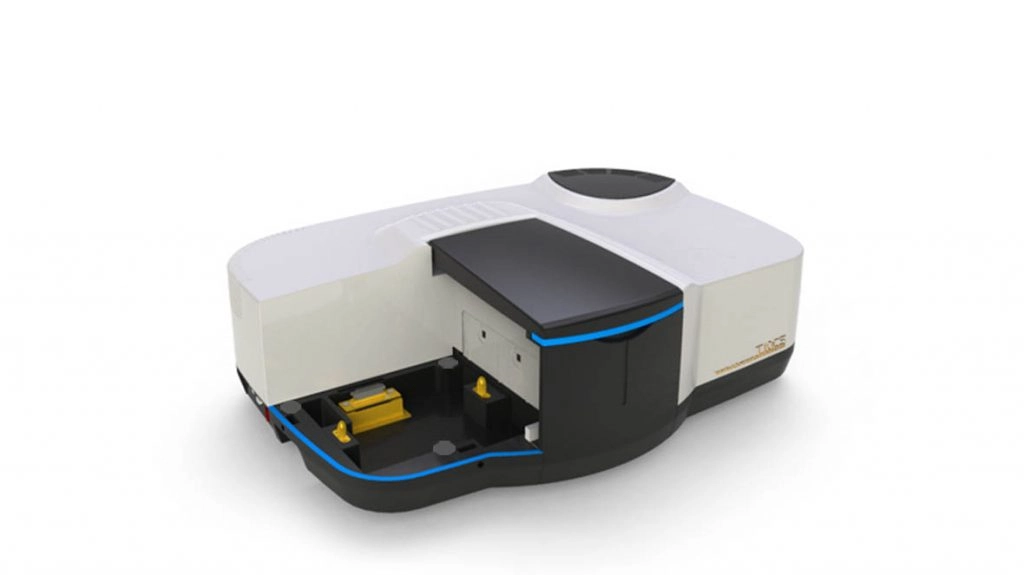
Spectrophotometry holds a key position in analytical chemistry, biology, and material sciences. In these fields, precise measurement of light absorption proves vital. A spectrophotometer serves as a basic analytical device in nearly all kinds of chemical, biological, or life science labs. This tool can vary in design from a basic single-beam type to double-beam versions or even intricate, often fully automated setups. Proper calibration helps this exact device keep its reliability and steadiness in every use it sees.
Steady calibration cuts down on steady errors stemming from things like optical shifts, lamp wear over time, or changes in detector sensitivity. Moreover, it makes sure that the recorded absorbance figures match exactly with established concentrations. As a result, this leads to trustworthy data. Just like any other equipment, these devices need ongoing inspections and checks, depending on the level required. Such steps meet legal standards and boost trust in results from areas like pharmaceuticals, environmental checks, and food testing.
What Standards Are Used for Spectrophotometer Calibration?
Calibration standards form the core of spectrophotometric checks. For spectrophotometers, the key aspects examined include photometric accuracy, which covers absorbance linearity, along with wavelength accuracy, bandwidth, and stray light. Experts verify these aspects through various kinds of standards.
Primary standards consist of pure materials with clearly defined optical traits. They act as the top benchmarks for setting up traceability links. Secondary standards, which frequently come as certified reference materials (CRMs), offer practical options for daily reviews. At the same time, they keep connections back to those primary benchmarks. Wavelength standards—like holmium oxide filters—help confirm wavelength accuracy throughout the UV-Vis range in a targeted way.
These standards ought to come from top-grade chemicals. Such chemicals must be thoroughly detailed and adhere to metrological rules that apply to all standards. This includes aspects like traceability, measurement uncertainty, accuracy, detailed specs, stability, precision, and safety. Thanks to these features, calibration outcomes stay reliable in labs around the globe.
How to Select the Right Standards for Your Application
Choosing suitable calibration standards relies on the spectral scope of your work and the specific spectrophotometer model in play. Take labs dealing with environmental samples, for instance. They might need checks in the UV area starting from 190 nm. On the other hand, industrial color work centers on visible light bands. Therefore, it becomes important to check if the standard’s optical features fit well with the device’s bandwidth setup.
All calibration items must include traceability papers to follow rules like ISO/IEC 17025 or those in pharmacopeias such as USP 857 or Ph. Eur 2.2.25. Various pharmacopeias call on users to show that their spectrophotometry tools function correctly regarding those main operational aspects: Linearity, Wavelength, Bandwidth, and Stray Light.
What Are the Steps Involved in Calibrating a Spectrophotometer?
Before starting the calibration process, one must prepare the instrument in a careful manner. For optical parts—such as cuvettes and holders for samples—thorough cleaning is necessary. Use soft wipes without lint and rinse with solvents that suit glass or quartz for optics. Furthermore, give the spectrophotometer enough time to warm up, usually around 30 minutes. This helps steady the light source’s strength and the detector’s reaction before any readings begin.
Performing Wavelength Calibration Accurately
In wavelength calibration, the goal is to confirm that every chosen wavelength line up exactly with the anticipated peaks in spectra from reference items like holmium oxide or didymium filters. If shifts appear in this step, they point to possible issues like misalignment or damage to the grating in the monochromator unit.
To prepare standards for spectrophotometers, follow a gravimetric method based on weight-to-weight ratios. In this, both the solute and the solvent are weighed using a balanced, calibrated scale. Consequently, this approach guarantees repeatable results when making solutions for wavelength checks, such as those with potassium dichromate or nicotinic acid, following guidelines from pharmacopeias.
Conducting Absorbance Calibration for Linearity
For absorbance calibration, evaluate linearity over several levels of concentration by employing certified liquids that have a set absorbance at given wavelengths, for example, from 235 nm to 350 nm. If differences go beyond the allowed bounds set by oversight groups, then make necessary tweaks. The quantity of light a sample takes in at a certain wavelength is directly tied to that sample’s concentration level. This link adheres to Beer-Lambert’s law. Thus, checking absorbance linearity ensures correct numerical assessments across different concentration spans.
How Often Should You Calibrate a Spectrophotometer?
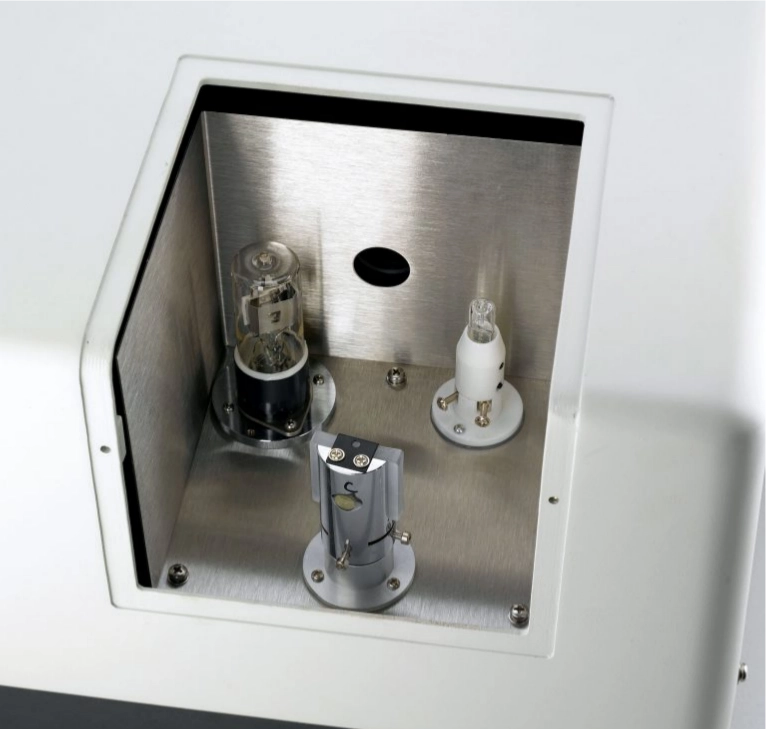
The rate of calibration mainly hinges on the level of use the instrument gets and the surrounding conditions in which it works. Heavy operation in busy labs speeds up wear on lamps and shifts in detectors. Likewise, temperature changes might impact the setup of optical parts.
These inspection and validation methods build assurance in every aspect of operation and performance. In addition, many accrediting and regulatory groups require them in numerous situations. So, labs under tight rules like GMP or GLP usually do daily checks on performance, and they pair these with full calibrations at set intervals.
Recommended Intervals for Routine Verification
Most manufacturers suggest checks on wavelengths each month and full photometric calibrations every quarter during typical operations. Yet, in vital uses—for instance, testing releases in pharmaceuticals—one may need to verify before analyzing each batch. Also, base changes on past patterns of performance noted in upkeep records. Whenever drift passes set limits, prompt recalibration becomes essential.
Why Choose PERSEE Instruments for Reliable Spectrophotometry?
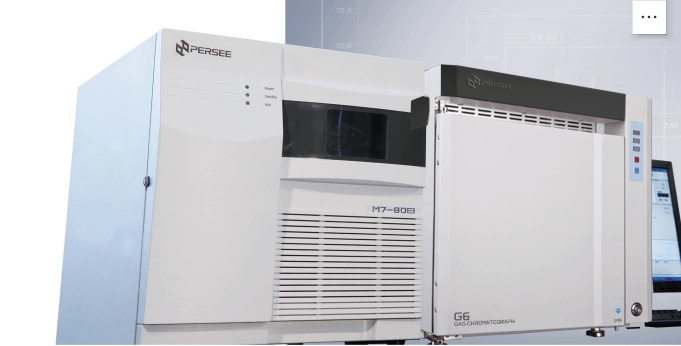
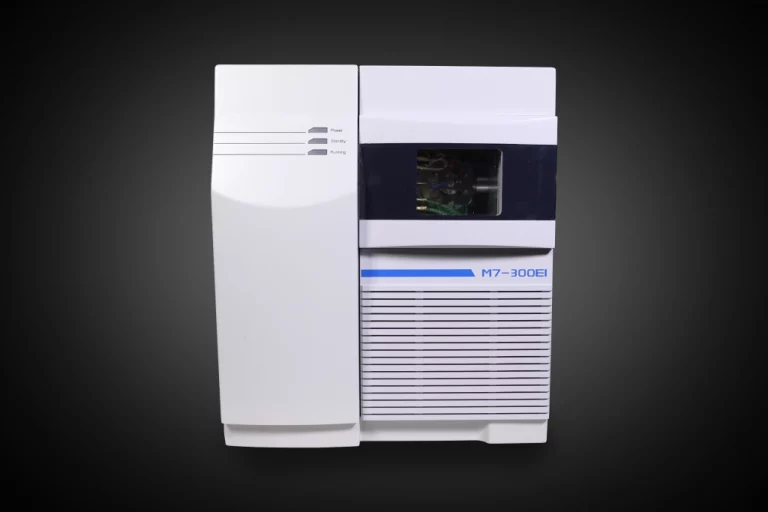
Perseguir stands as a globally known manufacturer focused on advanced analytical tools since 1991. This firm blends strong research skills with current production methods to create sturdy lab aids. These cover molecular spectroscopy, atomic absorption spectroscopy, chromatography setups, X-ray gear, and others.
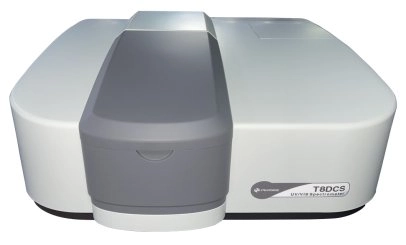
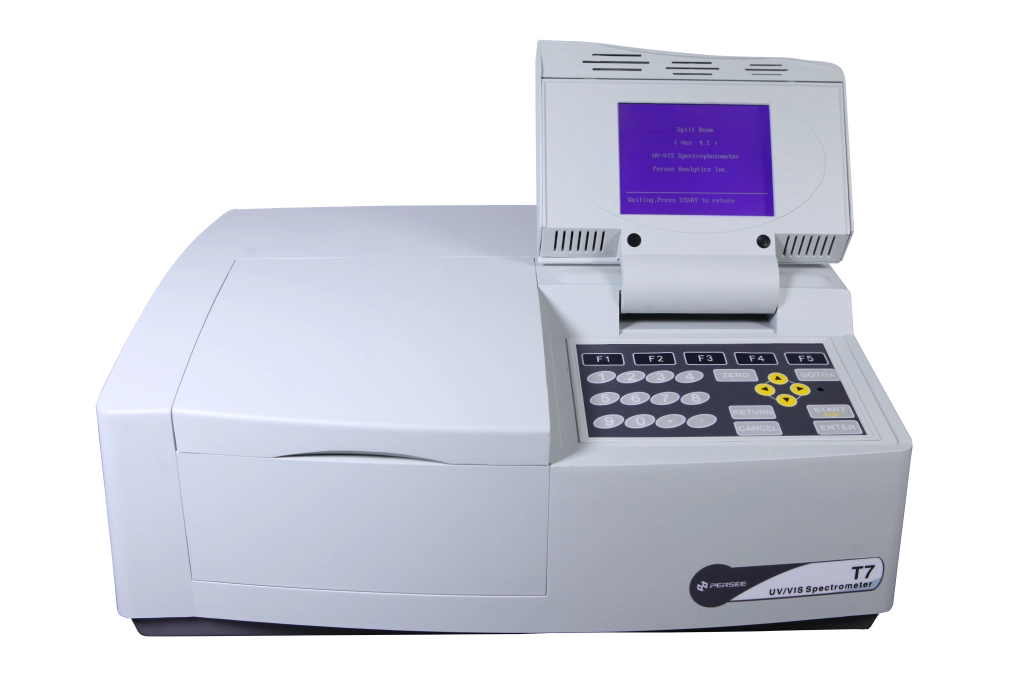
The lineup of products features strong UV-Vis spectrophotometers like the T7 UV-VIS. It uses split-beam optics that boost steadiness and holographic gratings to cut down on stray light issues. As such, it delivers exact spectral readings even when transmittance stays low. The T7 handles photometric measurements, spectrum scans, quantitative determinations, and DNA/Protein analysis. On top of that, PERSEE provides full support after-sales via worldwide centers. These offer IQ/OQ/PQ kits that match GMP rules. This shows the company’s dedication to upholding scientific standards.
Benefits of Partnering With PERSEE Instruments
When labs pick PERSEE systems like the Tu600 uv-vis, they get hold of modern optical builds linked with user-friendly software setups meant for simple handling. As a current high-tech business that combines R & D, manufacturing, and sales of scientific instruments, PERSEE makes certain each item hits strict global quality marks, including ISO9001 and CE certifications.
The firm’s ongoing push for new ideas supports long-lasting work in instruments. At the same time, it lowers overall costs of owning through designs that allow easy module swaps, which ease upkeep tasks. This turns into a key plus for research places focused on long-term lab work.
Conclusión
Ongoing calibration of spectrophotometers protects the truth of measurements by keeping photometric accuracy and wavelength exactness as time goes on. Picking fitting traceable standards, together with planned upkeep times, guarantees meeting of regulatory hopes while aiding repeatable science results. Indeed, calibration stays vital not just as a step in procedures but as a core element in quality assurance for analysis across fields that seek solid numerical findings.
Preguntas frecuentes
Q1: What is the purpose of calibrating a spectrophotometer?
A1: Calibration lines up device readings with proven reference figures. In this way, absorbance checks truly show sample concentrations based on Beer-Lambert’s law.
Q2: How often should I calibrate my spectrophotometer?
A2: The pace relies on how much work it handles. Usually, do it once a month in normal setups or before key tests in controlled spots like pharmaceutical QC labs.
Q3: Can I use any standard material for calibration?
A3: No. Stick to certified, traceable standards checked against the main references. Other options harm both precision and rule-following needs.