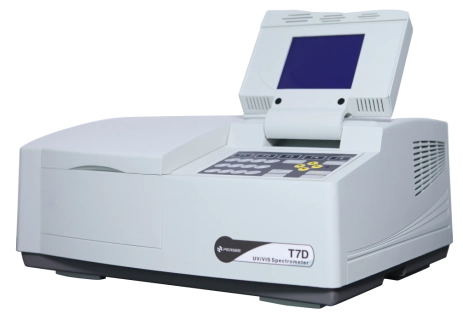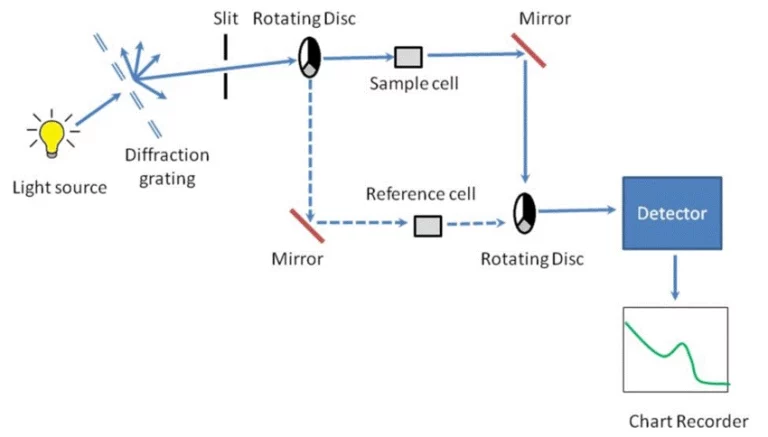
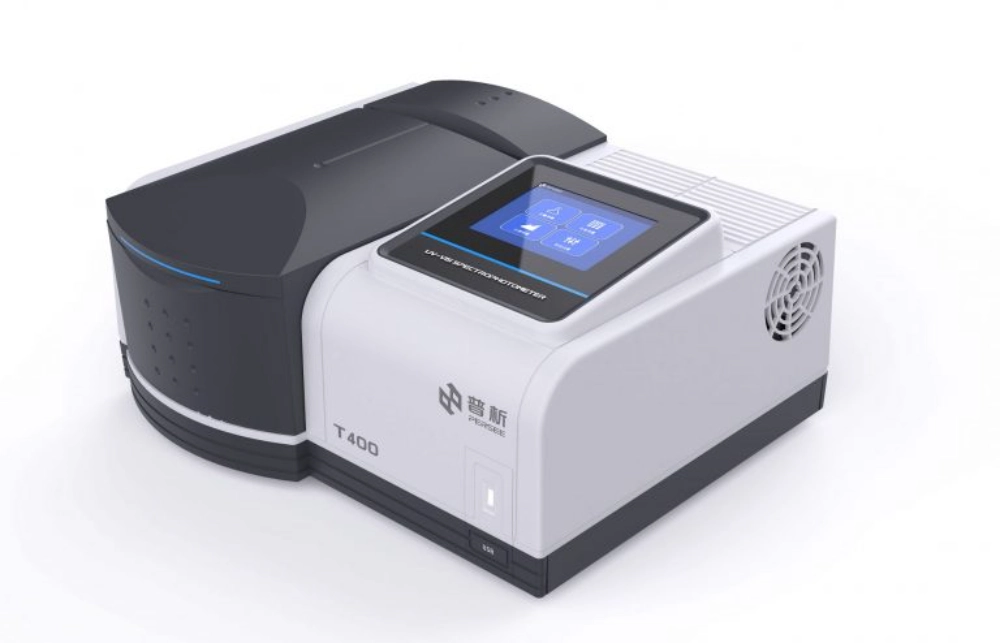
Kızılötesi (IR) spektroskopi, analitik kimyada önemli bir araç olarak hizmet eder. Kızılötesi ışığın malzemelerle nasıl etkileştiğine göre moleküler yapıları tanımlamaya ve ölçmeye yardımcı olur. Bu yöntem zarar vermez. Uzmanlar bunu çalışmalarda ve fabrikalarda çok kullanırlar çünkü iyi çalışır ve molekül seviyesinde açık görüşler verir.
Kızılötesi Spektroskopinin Temel İlkeleri
Bir organik maddenin spektrumu parmak izi gibi hareket eder. Teoride, iki farklı madde aynı emim spektrumunu vermez. Bu özellik, IR spektrumlarının özel moleküler parmak izleri olarak çalışmasını sağlar. Sonuç olarak, IR spektrofotometri ile hem kalitatif hem de niceliksel kontroller yapabilirsiniz. Açık yapı belirlemesine yardımcı olur.
Spektral Bölgeler ve Analitik İlgileri
Kızılötesi spektroskopi üç ana spektral alanı kapsar. Yakın kızılötesi (NIR): 0.78-2.5 µm. Orta kızılötesi (MIR): 2.5-25 µm. Uzak kızılötesi (FIR): 25-1000 µm. Her alanın analizde kendi kullanımları vardır. . NIR spektroskopisi petrol rafinerisinde kullanım bulur. Petrokimyasal ve polimerlere uygundur. Bununla birlikte, orta kızılötesi bölgesi organik bileşiklerin kontrol edilmesi için en önemlidir. C = O, N-H ve O-H gibi bağların temel titreşim modlarını içerir. Spektral pencerenin seçimi örnek özelliklerine dayanır. Bunlar matris karmaşıklığı, fiziksel durum ve moleküler makyaj içerir. Böylece sağlam yorumlama için iyi bir veri toplamasını sağlar.
Kızılötesi Spektrometrenin Bileşenleri ve Fonksiyonalitesi
Mevcut bir kızılötesi spektrometri optik, elektronik ve yazılım sistemlerini akıllı bir şekilde birleştirir. Tam spektral okumalar oluşturmayı amaçlamaktadır.
Çekirdek Enstrümantasyon Elemanları
Kızılötesi KaynaklarGenel kaynaklar Globar (silikon karbür) ve Nernst parlak (nadir toprak oksitleri). Geniş IR alanlarında sabit radyasyon sunarlar.
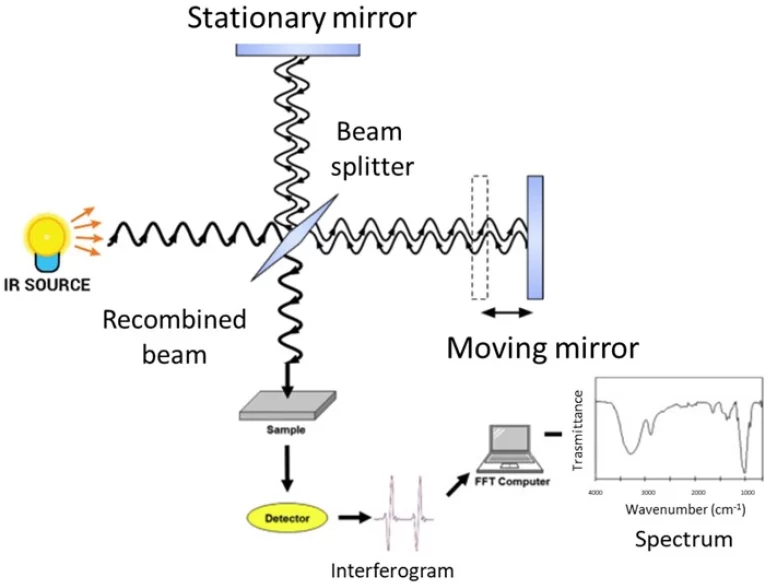
Kiriş Bölümcüleri ve İnterferometrelerFourier dönüşümü kızılötesi (FTIR) spektrometlerinde, bir Michelson interferometresi ışınları bölüp birleştirir. Bir interferogram yapıyor. Bu tüm spektral detayları tutan değişmiş bir sinyaldir.
Dedektörlerİki ortak detektör DTGS (Deuterated Triglycine Sulfate) dir. Oda sıcaklığında çalışır ve istikrarlı kalır. Diğer MCT (Mercury Cadmium Telluride). Güçlü hassasiyete ve hızlı tepkiye sahiptir. Ama soğutmaya ihtiyacı var.
IR Spektroskopide Örnek İşlemi Teknikleri
Sağ örnek ayarı, IR ışığının analite iyi dokunduğundan emin olur.
İletim Modu Örnekleme
Bu eski yöntem, IR radyasyonunu doğrudan ince bir film veya basılmış örnek üzerinden gönderir. Katı maddeler için, potasyum bromür (KBr) peletleri sık sık çalışır. IR ışığının açıkça geçmesine izin verirler. Sıvılar için, sodyum klorür veya kalsiyum florür pencereleri olan hücreler yaygındır.
Azaltılmış Toplam Yansıtma (ATR) Tekniği
ATR örneklemeyi kolaylaştırır. Zor hazırlık adımlarını atlar. ATR, incelemeden veya basmadan doğrudan ölçümün gerçekleşmesine izin vererek örnek hazırlamasını kolaylaştırır. Bu yöntem kalın sıvılar veya katı maddeler için parlar. Yüzeye odaklanır.
Difuz Yansıtma (DRIFTS) ve Spekular Yansıtma
Bu yöntemler IR kontrollerini tozlara veya kaba örneklere genişletir. DRIFTS ince tozlardan dağılmış ışığı yakalar. Spekular yansıtma parlak yüzeyleri kontrol eder. Her ikisi de örnek şekilleri için seçenekler ekler.
Veri Alınımı ve Spektral Yorum

Ham interferogramları açık spektrumlara dönüştürmek güçlü matematik işleme gerektirir. Ayrıca spektral desenleri iyi bilmek gerekir.
Sinyal İşleme ve Fourier Dönüşüm Algoritmaları
FTIR spektrometleri, interferogramları normal spektrumlara değiştirmek için Fourier dönüşümünü kullanır. Anahtar işleme adımları şunlardır. Apodizasyon: Spektral yan lobları kesmek için interferogramı pürüzsüzleştirir. Sıfır doldurma: Veri noktaları ekleyerek dijital çözünürlüğü artırır. Faz Düzeltmesi: Spektral zirveleri sağa hizalamıştır. Bu tür adımlar çözünürlüğü, en yüksek keskinliği ve veri kalitesini artırır. Zirve Atama ve Fonksiyonel Grup Tanımlaması
Her emim bantı kimyasal bağlara bağlı belirli titreşim kaymalarına bağlanır.
Örneğin:
| Fonksiyonel Grup | Tipik IR Emme Aralığı |
|---|---|
| O-H (alkoller) | 3200-3550 cm arasında ⁻¹ |
| C = O (karbonil) | 1650-1750 cm arasında ⁻¹ |
| N-H (aminler) | 3300-3500 cm arasında ⁻¹ |
Spektral kütüphaneler bileşik izleme için bilinen öğelere karşı eşleştirmeye yardımcı olur. Benzersiz IR maddeler spektrumu ile, IR spektrofotometri yoluyla kalitatif ve niceliksel kontroller yapabilirsiniz.
FTIR Teknolojisi ile Moleküler Karakterizasyon Doğruluğunu Artırmak
Bugün’ FTIR aletleri optik, elektronik ve yazılımdaki yeni fikirler sayesinde yüksek doğruluk sağlar.
Çözünürlük, Hassasiyet ve Sinyal-Gürültü Optimizasyonu
Optik çözünürlük, zirveleri birbirine yakın gördüğünüzü şekillendirir. Karışık örnekler veya küçük yapı değişiklikleri için yüksek çözünürlük önemlidir. Birkaç taramayı ortalamalamak veya soğutulmuş dedektörler kullanmak gibi yöntemler gürültüyü azaltır. Böylece sinyalleri daha açık hale getirirler.
FTIR Sistemlerinin Niyatsal Analiz Yetenekleri
FTIR sadece şeyleri tespit etmenin ötesine gider. Bira-Lambert yasasından kalibrasyon modellerini veya Kısmen En Küçük Kare Regresyonu (PLS) gibi istatistik yöntemlerini kullanarak, tam miktarlı kontroller alırsınız. Bu karışık kurulumlarda bile çalışır. - Evet. - Evet. Bira-Lambert yasasına veya PLS regresyonu gibi çok değişken yöntemlere dayanan kalibrasyon modelleri ile kızılötesi spektrometrler karışımlarda belirli bileşiklerin konsantrasyonlarını doğru ölçebilir.
Çeşitli Bilimsel Alanlarda Uygulamalar
Kızılötesi spektrometrlerin esnekliği onları birçok bilim alanında hayati önem taşıdı.
Organik ve Inorganik Bileşik Analizi
IR spektroskopisi, insan yapımı polimerlerde, ilaçlarda, tarım kimyasallarında ve diğerlerinde fonksiyonel grupları tespit etmeye yardımcı olur. Ayrıca yapı kontrolleri için inorganik ayarlarda metal-ligand titreşimlerini bulur. Spektroskopi, organik bileşiklerin yapısının belirlenmesinde kullanılan özel bir analitik tekniktir.
Endüstriyel Süreçlerde Gerçek Zamanlı İzleme
Fabrikalarda, IR aletleri kalite kontrolleri için Süreç Analitik Teknolojisi (PAT) ayarlarına uygundur. Petrol şirketleri çevrimiçi ürün kalitesi kontrolü için IR spektrofotometrisi ve Raman spektrofotometrisi kullanırlar. Çevrimiçi FTIR sensörleri, yapım sırasında gerçek zamanlı makyaj kontrollerine izin verir.
Çevre ve Adli Araştırmalar
Kızılötesi spektrometri çevre güvenliği ve adli tıp çalışmalarında çok yardımcı olur. Kızılötesi spektrofotometri adli tıp bilimlerinin birkaç alanında kullanılmıştır. Havada, suda veya toprakta kirleticileri bulur. Ayrıca küçük örnekleme araçları ile lifler, yapışkanlar veya mürekkepler gibi iz kanıtlarını da kontrol eder.
PERSEE: Kızılötesi Spektrometrelerin Güvenilir Bir Üreticisi
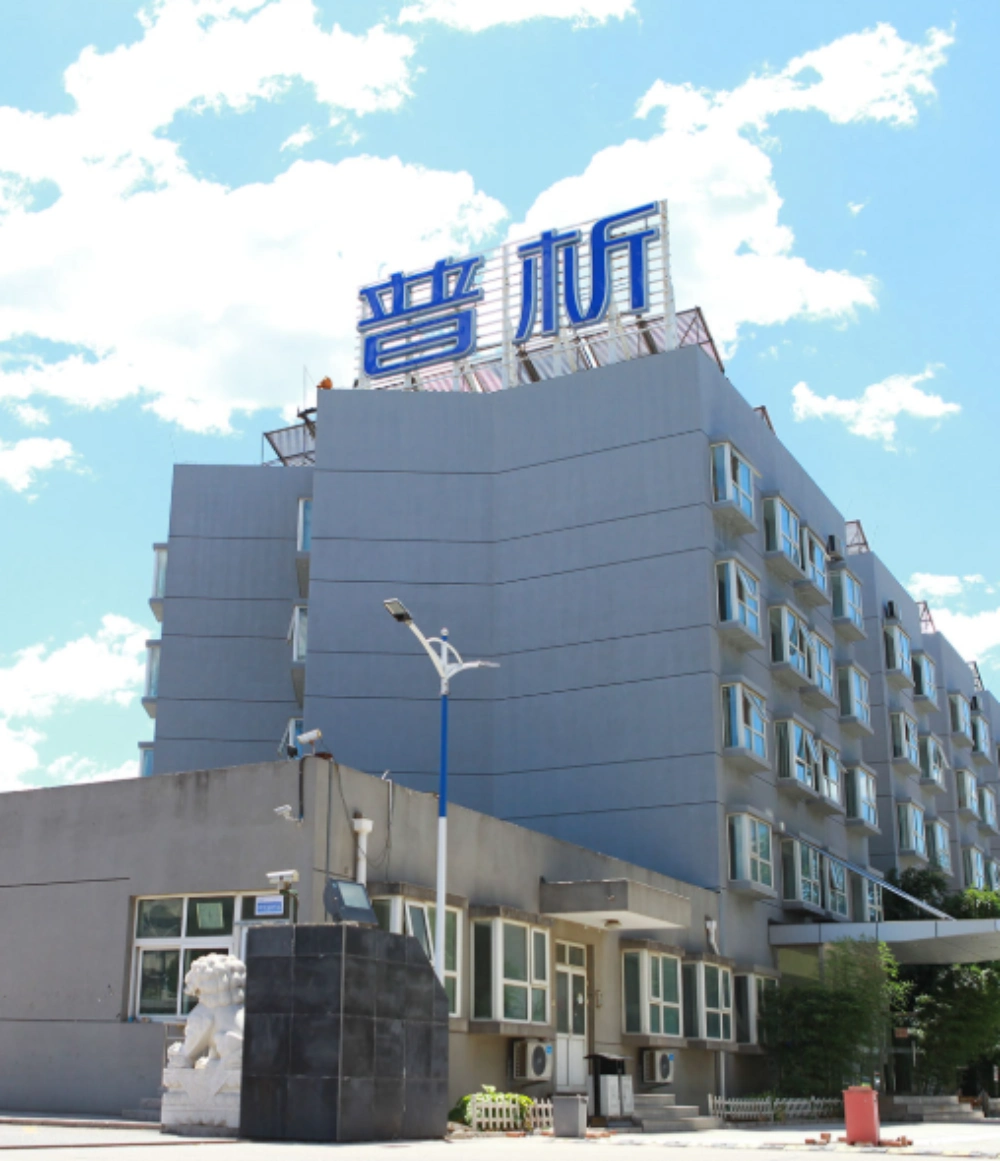
Bilim ilerlemesi için sağlam araçlar anahtardır. Pansiyon Gelişmiş analitik cihazlar üretiminde dünya çapında en iyi isim haline geldi.
PERSEE'nin Teknolojik Uzmanlığına Genel Bakış
Persee taze bir yüksek teknoloji firması 1991 yılında başladı. R& D, ISO9001 ve CE sertifikaları gibi sıkı kalite kuralları altında üretim ve satış. Çalışanlarının 'undan fazlası Ar& D. Yani, PERSEE eğitim, uyuşturucu çalışmaları, tarım, petrol-kimyasal kontroller ve çevre izleme gibi alanlarda yeni cevaplar getiriyor.
Kızılötesi Spektroskopi Portföyündeki Anahtar Ürünler
FTIR8000 Serisi Özellikleri ve Faydaları
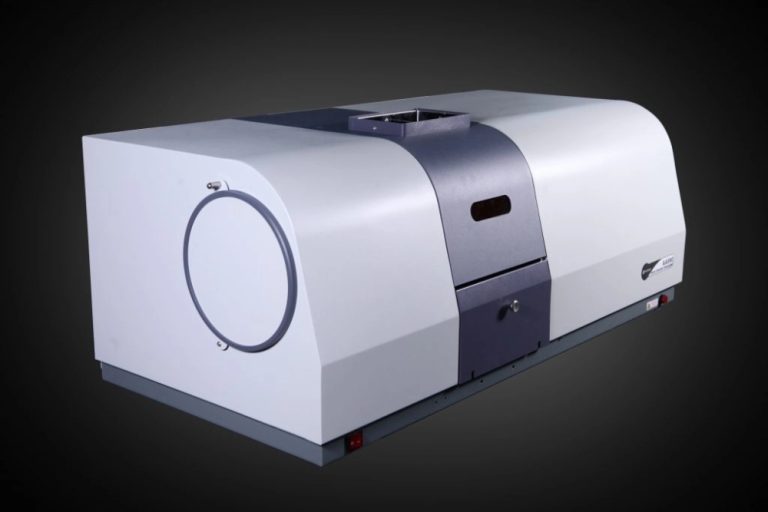
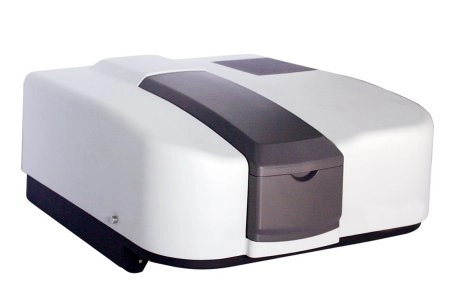
FTIR8000 seri araçları geniş bir spektral aralığında güçlü çözünürlük sunar. Bu masaüstü üniteleri, tam molekül kontrollerinin gerektiği günlük laboratuvar çalışmalarına uygundur.
M7 Taşınabilir FTIR Sistemi Özellikleri
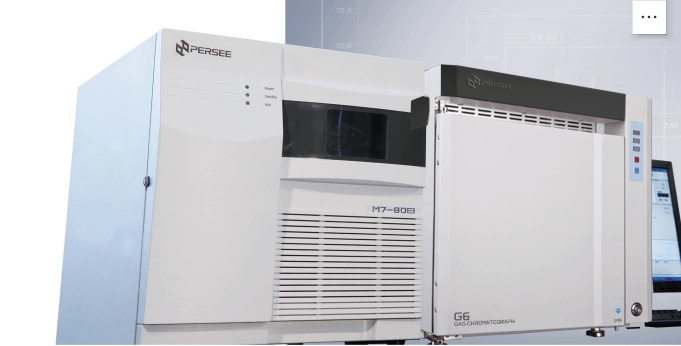
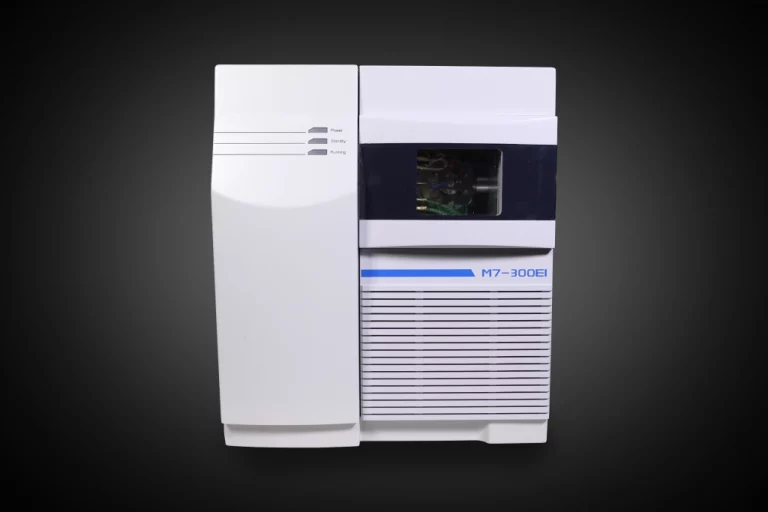
M7 tek dörtlü GC-MS Yalnızca fikri mülkiyet haklarına sahip olan Persee tarafından tasarlanan yeni nesil yüksek performanslı kütle spektrometridir. Küçük yapısı güçlü analiz gücünü korur. Bu, saha çalışmaları ve sıkı araştırmalar için iyi hale getirir. M7 MS, gıda güvenliği, çevre koruması, malzeme kimya endüstrisi, yaşam bilimleri, tıp araştırması, ceza soruşturması ve diğer birçok alanda yaygın olarak kullanılabilir. Çift filamentli EI kaynakları ve Almanya'dan yüksek verimli turbo moleküler pompalar gibi özel parçalara sahiptir. Katı çalışma için Pfeiffer Vakum.
Kızılötesi Spektrometrelerin Moleküler Analizdeki Rolü
Kızılötesi spektrometler, derin molekül anlayışları isteyen bilim adamları için gerekli araçlar olarak kalır. Interferometreler ve MCT veya DTGS kristalleri gibi keskin dedektörler gibi akıllı optik parçalar aracılığıyla. Ayrıca, ATR ve DRIFTS dahil çeşitli örnekleme yolları. Modern IR araçları tam niteliksel izleme ve güçlü niceliksel kontrollere izin verir. FTIR teknolojisi, zor kurumlarda çözünürlüğü ve güveni artırır.
Sık Sorulan Sorular
S1. Dispersif IR spektroskopisi ve FTIR arasındaki fark nedir?
A1: Dispersif IR, bireysel dalga boyunlarını ardıcıl olarak taramak için bir monokromatör kullanırken, FTIR, bir interferometre kullanarak tüm dalga boyunlarını aynı anda toplar. FTIR, daha hızlı veri alımı, daha yüksek sinyal-gürültü oranı ve daha iyi spektral çözünürlük sunar.
Q2. Kızılötesi spektrometler niceliksel analiz için kullanılabilir mi?
A2: Evet. Bira-Lambert yasasına dayanan kalibrasyon modelleri veya PLS regresyonu gibi çok değişken yöntemler kullanarak, kızılötesi spektrometrler karışımlarda belirli bileşiklerin konsantrasyonlarını doğru bir şekilde ölçebilir.
Q3. ATR örnekleme kızılötesi spektroskopisinde kullanılabilirliği nasıl geliştirir?
A3: ATR, seyreltme veya pellet oluşumu olmadan doğrudan ölçüme izin vererek örnek hazırlamasını basitleştirir. Özellikle örnek yüzeyine minimum nüfuz derinliği nedeniyle katı maddeler veya viskoz sıvılar için yararlıdır.