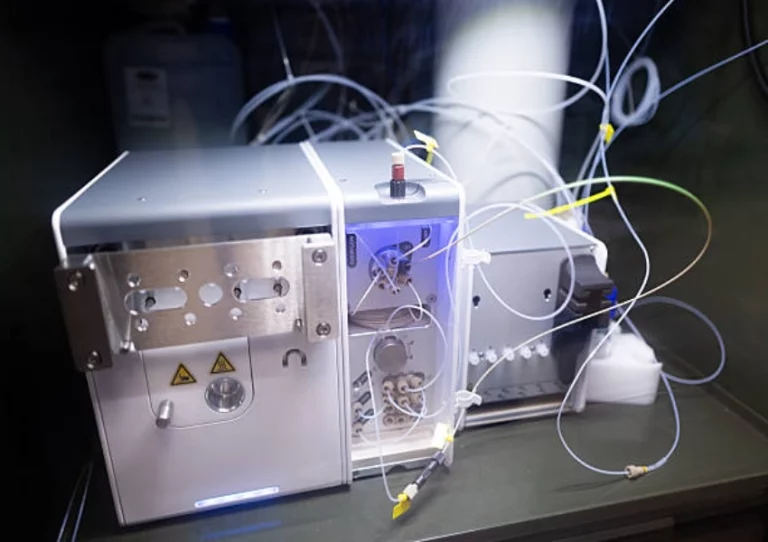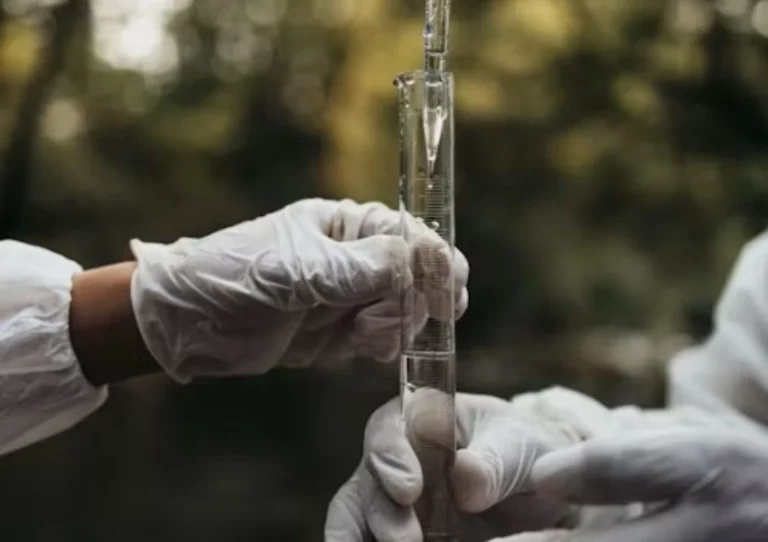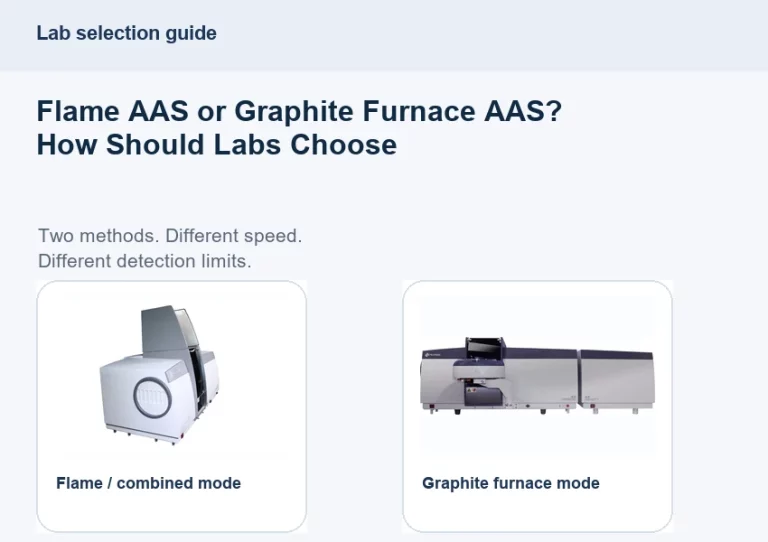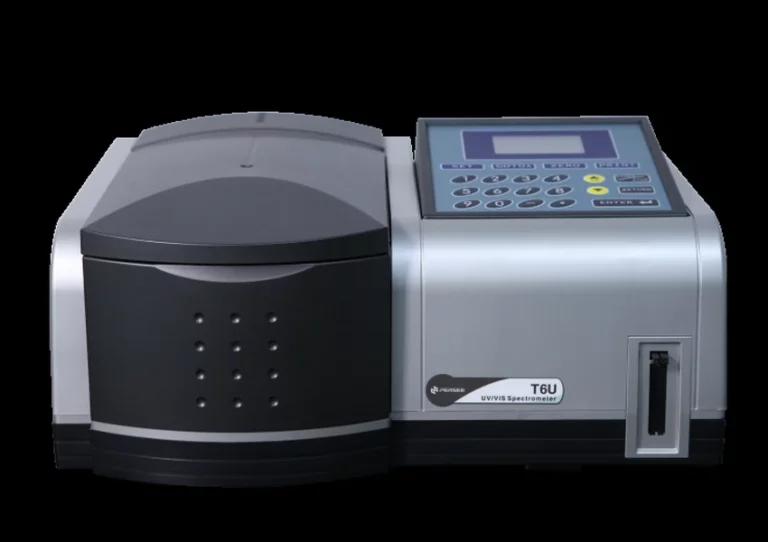
Spectrophotometry serves as a key analytical method that measures how much light a material absorbs at certain wavelengths. As an analytical device, a spectrophotometer appears in nearly every kind of chemical, biological, or life science lab. It works based on the Beer–Lambert law, which links absorbance to concentration. This allows scientists to figure out molecular levels and check reaction speeds with great accuracy. Every chemical substance takes in, passes through, or bounces back light (electromagnetic radiation) across a particular span of wavelengths. The trustworthiness of numerical outcomes in UV‑Vis spectrophotometry relies a lot on the optical setup and arrangement of the device—elements that impact baseline steadiness, stray light control, and wavelength correctness.
Core Components and Optical Principles
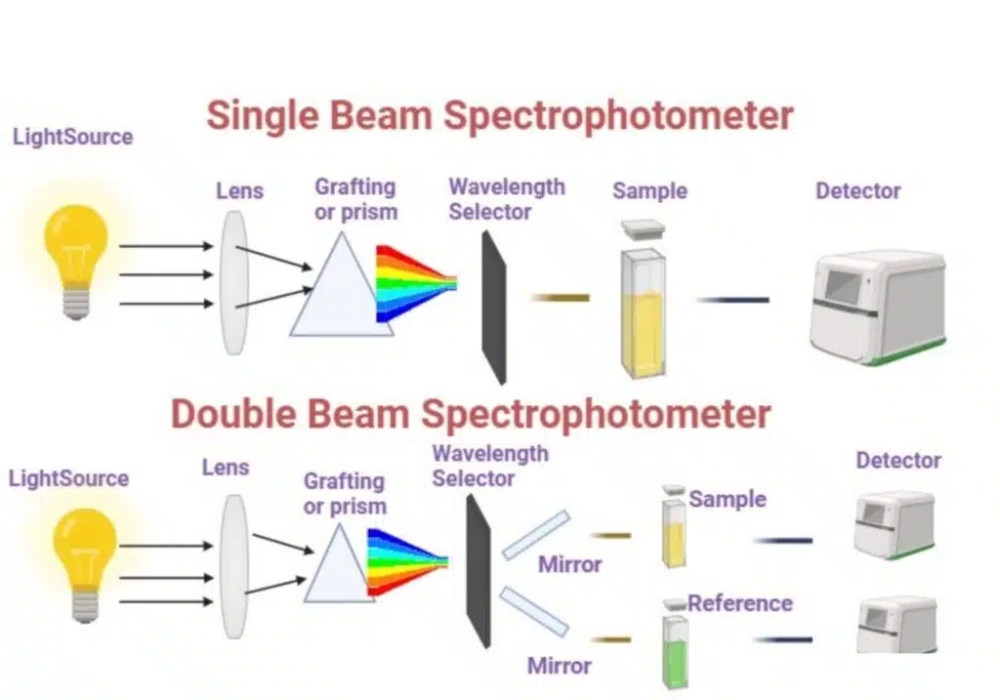
A standard spectrophotometer includes a light source, monochromator, sample area, detector, and signal handler. Light from the source goes through an entry slit in the monochromator, which narrows the beam to a workable width. Then it moves through a diffraction grating, where it breaks into strips of single-color light. The optical route setup decides measurement repeatability and firmness; therefore, the device’s structure directly shapes photometric straightness and noise amounts. In more advanced setups, dual-beam optics or split-beam setups boost baseline fixes by offsetting lamp strength changes during long runs.
Single‑Beam UV‑Vis Spectrophotometers
In single-beam spectrophotometers, all incoming light moves one after another through either the blank or the sample holder. Baseline readings need to be noted apart before each test to adjust for solvent or cuvette absorption. This basic layout cuts down optical complication and expense while keeping solid function for common checks or school uses.
シングルビームシステムの利点
Single-beam devices give strong optical flow since they have fewer mirrors or beam dividers in the light path. Their small size cuts down space needs on the bench and makes upkeep easier. In terms of cost, they make a good starting choice for labs doing regular tests or teaching students basic spectroscopy ideas.
One clear example is our T7D UV-VIS, a capable single-beam UV‑Vis spectrophotometer built for daily lab work. It handles photometric checks and spectral sweeps well while keeping the mechanical ease that promises lasting dependability in schools and factory sites.
Limitations in Analytical Performance
Even with their strong points, single-beam setups need regular recalibration because of possible shifts in lamp power over periods. Changes in the surroundings, like temperature shifts, can influence measurement firmness since there is no ongoing reference fix. When dealing with many samples in a row, workers must measure blanks again and again—an action that can take a lot of time in fast-paced routines.
Double-Beam UV‑Vis Spectrophotometers
Double-beam devices split the incoming beam into two distinct routes: one aimed at the sample holder and the other at a reference holder with just solvent. The energy or light beam from the source is split by a turning chopper into a reference beam and a sample beam. Ongoing ratioing between these two beams auto-adjusts for lamp changes or detector shifts, providing better baseline firmness even in long tests. This paired detection method boosts measurement correctness over wide wavelength areas and changing lab settings.
Performance Benefits in Precision Analysis
Double-beam layouts offer better signal-to-noise balances, which are vital for small-amount counting jobs like drug checks or biochemical studies. They hold wavelength exactness even in shifting lab conditions and remove repeated blank readings by always checking both beams at the same time. This setup aids kinetic work where steady watching over time is needed without hand recalibration breaks.
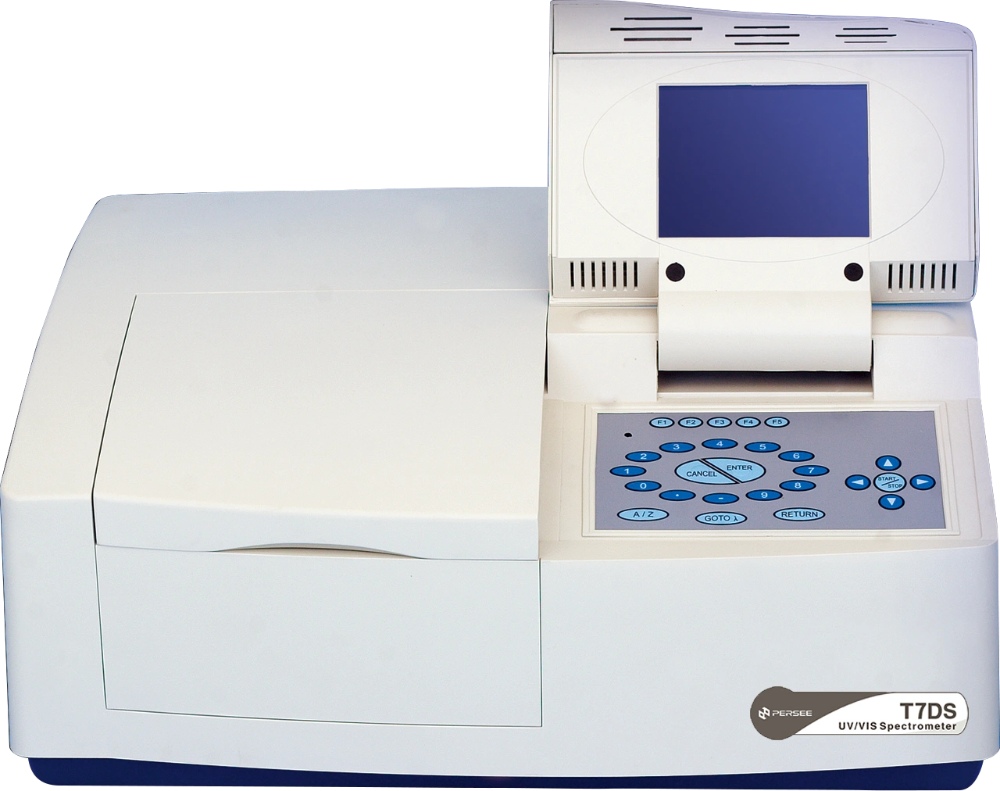
私たちの T7DS UV-VIS shows this idea with dual-beam optics that ensure fine baseline steadiness and holographic gratings that greatly lower stray light issues—key for taking low-absorbance measurements across ultraviolet and visible ranges. Its auto features let users do standard tests with a few button presses, while strong software supports 3D spectrum views and GLP-approved data handling.
Technical Considerations and Maintenance Aspects
While double-beam systems give top analytical exactness, their optical alignment is more involved than in single-beam devices, so they call for routine calibration reviews to keep accuracy rules set by groups like USP or ASTM. A bit higher upkeep costs come from the two light paths; yet, modular electric plans make part swaps simpler, and advanced circuits ensure steady long-term performance.
Comparative Evaluation: Single-Beam vs Double-Beam Systems
From an analytical view, double-beam devices supply stronger baseline fixes thanks to side-by-side reference balancing that cuts drift impacts during long use times. On the other hand, single-beam types might show more changes but stay very responsive when used for simple counting tests where the surrounding control stays steady.
Operational Efficiency and Workflow Optimization
Double-beam structures boost workflow speed by skipping repeated blank readings—this saves key worker time when managing big sample groups or running kinetic watch tests. In comparison, single-beam types are simpler to run but less effective for nonstop testing spots that need automation.

Cost-Benefit Assessment in Laboratory Settings
Labs have to weigh starting costs against daily needs: double-beam units earn their greater price through better trustworthiness for study-heavy tasks; at the same time, teaching spots often pick low-cost single-beam types fit for basic training drills.
Application Scenarios Across Industries
UV‑Vis spectrophotometers act as the main tools for reaction speed studies, molecule structure checks, and tracking synthesis steps in school research areas where repeatability marks test success.
Pharmaceutical Quality Control and Biochemical Analysis
In controlled fields like pharmaceuticals or biotechnology, double-beam spectroscopy ensures the exact counting of active parts or biomolecules that match world quality rules—backing approval steps needed by GMP-fit labs.
Environmental Testing and Industrial Applications
Spectrophotometric methods hold important parts in water quality checks, finding dye levels in making steps, and material proof tasks across factory works, looking for small-scale detection.
PERSEE: 分析機器の信頼性の高いメーカー
忍耐, started in 1991, stands as a current high-tech firm focused on scientific tool research and development, making, and selling. We have gained approvals like ISO9001 quality system credit, ISO14001 environment handling approval, OHSAS18001 work safety approval, and CE marking in the European Union setup, making sure all goods meet world lab rules for safety and correctness.
Our goal mixes tech advances with public help; over 30% of our staff works right on R&D tasks aimed at pushing forward analytical tool techs that protect public health while aiding green factory growth. We feel proud to rank among China’s leading spectroscopy tool brands—a standing won through years of building skill backed by postdoctoral research plans set on steady gains across product ranges on our official website. If you would like to learn more, please contact us immediately!
結論
Both single- and double-beam spectrophotometers have clear strong suits fit for varied analytical goals: single-beam types stress ease and low price, whereas double-beam setups bring better firmness needed for exact-driven tasks with long-term watching or small-level counting jobs.
FAQについて
Q1: What factors should be prioritized when selecting between single- and double-beam spectrophotometers?
A1: Test frequency, wanted exactness degree, budget split, auto needs, and surrounding control should steer choice calls based on whether flow speed or price gain comes first.
Q2: How does a double-beam design improve measurement reliability?
A2: By always matching signals from both sample and reference beams, it fixes real-time shifts from lamp power drift, making sure there are steady absorbance readings throughout long tests.
Q3: Where can technical support or detailed specifications be obtained?
A3: Full product papers plus expert help are ready through our pro service lines noted on our contact page.