Dalam spektrometri massa resolusi tinggi (HRMS), resolusi berarti perangkat’ Keterampilan dalam membedakan ion dengan nilai massa-untuk-muatan (m / z) yang hampir sama. Keterampilan ini sangat penting untuk menemukan senyawa dengan benar, terutama dalam campuran yang rumit. Dalam istilah matematika, resolusi ditunjukkan sebagai R = m / Δm. Di sini, “ m” singkatan dari m/z pada puncak utama, dan “ Δm” artinya puncak’ Lebar s pada lebar penuh pada setengah maksimum (FWHM). Cara mendefinisikannya ini memberikan cara standar untuk memeriksa seberapa baik perangkat yang berbeda berkinerja.
Orang menghitung resolusi dengan melihat bagaimana dua puncak berpisah berdasarkan lebar rata-rata mereka di dasar (tR2 > tR1). Resolusi yang kuat memungkinkan pemeriksaan massa yang tepat, yang membantu menyortir senyawa dengan massa nominal yang sangat dekat. Jadi, tanpa resolusi yang baik, Anda dapat mencampurnya dengan mudah.
Apa Metrik Berbeda yang Digunakan untuk Mengkuantifikasi Resolusi dalam HRMS?
Para ahli mengukur resolusi dalam beberapa cara. Metode FWHM adalah yang paling banyak digunakan orang. Ini menjaga keadaan tetap saat memeriksa bagaimana perangkat bekerja. Pendekatan lain, metode lembah 10%, memeriksa pemisahan puncak pada titik di mana intensitas lebih rendah. Plus, perangkat lunak setelah fakta dapat mengubah nomor resolusi. Alat untuk pembersihan puncak dan memperbaiki garis dasar mempengaruhi angka-angka ini. Hal ini sering terjadi dengan puncak yang tumpang tindih atau ketika sinyal lemah dibandingkan dengan kebisingan. Akibatnya, laporan akhir mungkin bervariasi berdasarkan pemrosesan.
Faktor-faktor yang Mempengaruhi Resolusi Spektrometrik Massa
Cara analisis massa dibangun sangat penting. Sebagian besar unit TOFMS, seperti dari JEOL, memberikan detail massa yang solid dan pembacaan massa yang tepat. Karena ini, mereka membantu mengetahui makeup unsur melalui pemeriksaan massa yang hati-hati. Selain itu, jalur ion dan bagaimana ion bergerak membentuk fokus sebelum mereka menabrak detektor. Bagian-bagian yang mendeteksi dan meningkatkan sinyal, seperti elektronik untuk amplifikasi dan seberapa sering mereka sampel, juga memainkan peran. Mereka menjaga informasi ion jelas, yang mendukung resolusi keseluruhan yang lebih baik.
Bagaimana Kondisi Operasional Mengubah Resolusi Instrumen?
Pengaturan dalam sumber ion, termasuk panas, kekuatan elektron, dan tekanan udara, mengubah seberapa baik ion terbentuk dan menyebar. Suhu yang lebih hangat dan tegangan yang disetel halus membuat ionisasi lebih merata. Namun, Anda perlu mengawasinya dengan dekat untuk mencegah istirahat yang tidak diinginkan dalam molekul atau sinyal yang lebih lemah.
Poin utama lainnya adalah seberapa cepat perangkat memindai. Pemindaian cepat mengurangi waktu untuk mengambil rincian sinyal, yang dapat menurunkan resolusi. Pada saat yang sama, hal-hal dalam sampel, seperti matriks, mungkin memblokir ion. Hal ini menyebabkan puncak yang lebih luas atau melengkung, memotong perangkat’ Memisahkan kekuatan. Oleh karena itu, penyesuaian yang hati-hati membantu mempertahankan kinerja yang kuat.
Perbandingan Antara Spektrometri Massa Resolusi Tinggi dan Resolusi Rendah
Perangkat dengan resolusi tinggi membawa manfaat besar dalam memilih target dan membangun kepercayaan pada hasil. Mereka dapat membagi massa bahkan untuk ion yang berbagi jumlah massa dasar yang sama. Plus, mereka memungkinkan Anda untuk mengerjakan makeup elemen. Hal ini terbukti sangat berguna dalam sampel yang penuh dengan penampilan mirip atau ketika mencari tanpa daftar senyawa yang ditetapkan. Selain itu, sistem ini memberikan presisi massa yang lebih baik. Itu meningkatkan kepastian dalam menghubungkan rumus molekuler. Fitur-fitur tersebut sangat penting dalam bidang seperti mengawasi lingkungan atau memeriksa kualitas obat. Singkatnya, resolusi tinggi meningkatkan permainan untuk analisis yang sulit.
Apa Batasan Menggunakan MS Resolusi Tinggi?
Bahkan dengan kekuatan mereka, pengaturan resolusi tinggi lebih mahal dan membutuhkan lebih banyak upaya untuk berjalan daripada yang dasar. Mereka membutuhkan langkah-langkah tuning khusus untuk terus bekerja dengan baik. Juga, mereka bergantung pada perangkat lunak cerdas untuk memahami data. Unit seperti Orbitraps atau FT-ICR membutuhkan kontrol ketat dari lingkungan dan pemeliharaan yang stabil. Apa’ Selain itu, sejumlah besar data dari berjalan ini membutuhkan komputer yang kuat untuk menangani semuanya. Jadi, meskipun kuat, mereka menuntut lebih banyak sumber daya secara keseluruhan.
Aplikasi yang Membutuhkan Spektrometri Massa Resolusi Tinggi
Dalam pengaturan yang sulit seperti sampel lingkungan atau kehidupan dengan banyak senyawa yang dicampur, HRMS menonjol untuk menemukan yang tidak diketahui tanpa hanya cocok dengan daftar. Sebuah TOFMS rinci dapat menemukan item yang tidak diketahui sendiri, tanpa bantuan perpustakaan. Cocok untuk pencarian yang luas. Potongan massa yang tepat dan tanda-tanda isotop menambah untuk mengetahui struktur. Pendekatan ini bersinar karena menangani kompleksitas secara langsung. Misalnya, dalam sampel yang ramai, itu menarik terpisah rincian yang dilewatkan alat yang lebih sederhana. Dengan demikian, itu mendukung wawasan yang lebih dalam tentang apa’ hadir.
Bagaimana HRMS Meningkatkan Aliran Kerja Kuantitatif?
Untuk menghitung tugas di bidang seperti metabolomika atau proteomika, HRMS membantu dengan kekuatan pemilihan kelas atas. Ini memungkinkan pekerja memilih tujuan di tengah struktur yang sama atau kekacauan latar belakang. SRM memungkinkan penghitungan sensitif dan stabil, bahkan dalam sampel yang dimuat dengan ekstra di mana target m / z cocok dengan pengganggu. Dengan demikian, HRMS berfungsi dengan baik dalam tes untuk jejak-jejak kecil dari barang-barang yang tidak diinginkan atau sisa-sisa. Ini memastikan angka yang dapat diandalkan dalam pekerjaan yang diatur.
Teknik untuk mengoptimalkan atau meningkatkan kinerja resolusi MS
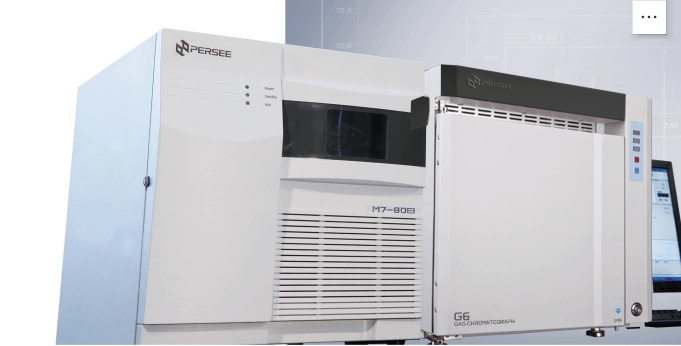
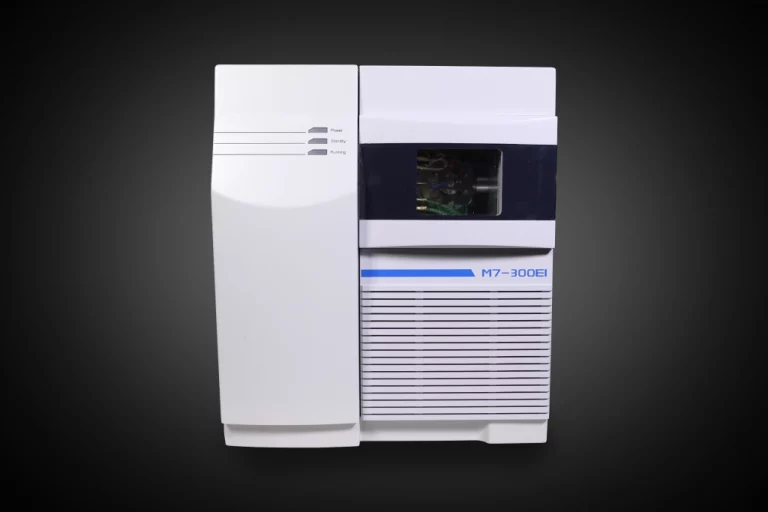
Menyesuaikan jalur ion, dengan kontrol tegangan yang tepat pada lensa yang mengarahkan ion, mengurangi penyebaran dan mempertajam fokus. Juga, pengaturan dalam analyzer, seperti jalur yang lebih panjang di TOF-MS atau bidang yang lebih kuat di FT-ICR, mengangkat resolusi secara signifikan. Analis quadrupole dengan bagian filter depan dapat mengurangi penumpukan kotoran. Ini meningkatkan berjalan stabil dan lebih sedikit waktu berhenti. Fitur tersebut muncul dalam alat seperti M7 quadrupole single gc-ms. Ini memiliki saringan pra-quadrupole yang dapat ditarik keluar yang menjaga bagian utama bersih dan melewati pembersihan rutin.
Bagaimana Alat Perangkat Lunak Bisa Meningkatkan Resolusi Pasca-Akuisisi?
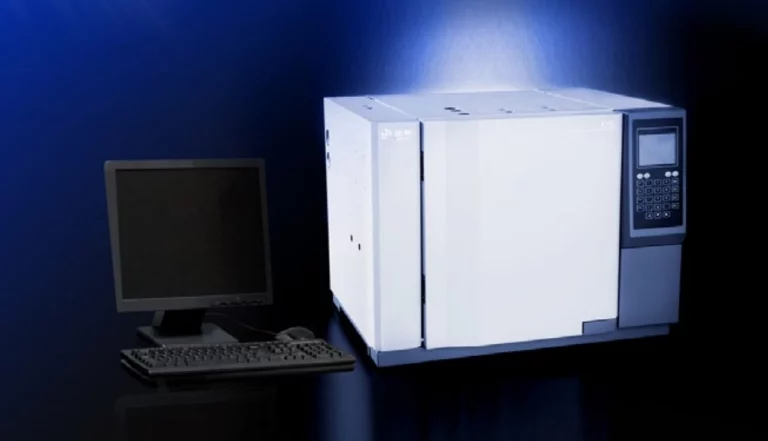
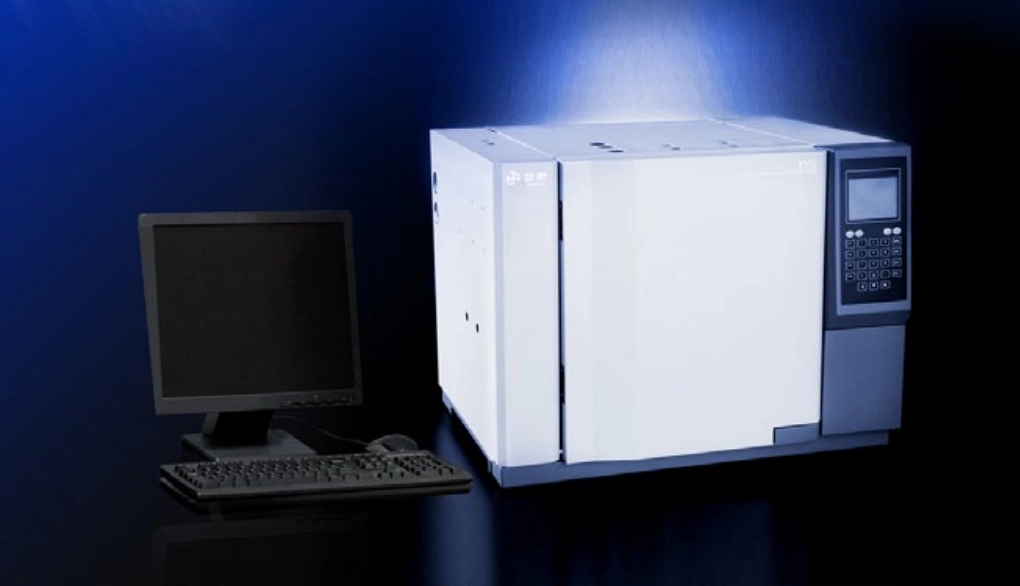
Pemecah puncak berbasis matematika mengerjakan puncak campuran dengan menggunakan bentuk dan penyebaran isotop yang diharapkan dalam data. Metode untuk mengurangi kebisingan, seperti memperhalus secara digital dan menghilangkan drift garis dasar, juga membersihkan sinyal. Mereka meningkatkan kejelasan secara tidak langsung, membantu resolusi. Seringkali, alat-alat ini duduk di dalam suite perangkat lunak lengkap untuk pengawasan langsung. Misalnya, yang G5 GC dilengkapi dengan perangkat lunak cerdas melawan masalah dalam kendali. Ini menangani rencana suhu, jam tangan aliran, dan dukungan untuk beberapa detektor. Pengaturan ini membuat pemrosesan lebih lancar dan lebih efektif.
PERSEE: Mitra Terandal dalam Solusi Instrumen Analisis
Persee Tahun 1991 dimulai sebagai a perusahaan teknologi tinggi segarIni menggabungkan penelitian, pembangunan, dan penjualan alat ilmu pengetahuan. Dengan pengetahuan bertahun-tahun di bidang seperti spektrometri molekuler, kromatografi, spektroskopi atom, dan seterusnya, ia menyediakan jawaban lengkap untuk bidang seperti farmasi, pemeriksaan lingkungan, petrokimia, pertanian, dan pengajaran.
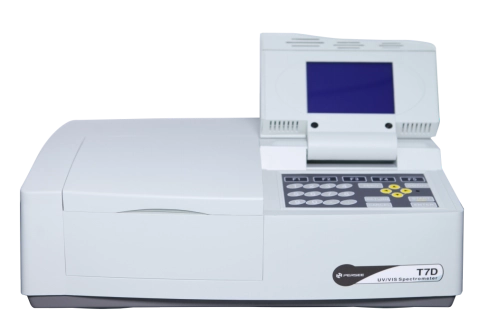
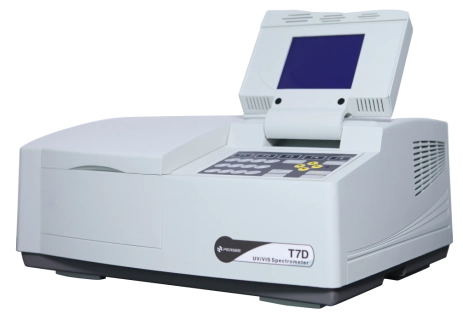
Apa yang membuat PERSEE istimewa adalah fokus pada pembuatan alat yang tepat dengan bantuan di seluruh dunia. Ide-ide barunya, dari spektrofotometer UV-Vis hingga kromatograf gas rinci, menunjukkan pandangan cerdas. Mereka mengatasi masalah saat ini dalam analisis dan merencanakan apa’ Selanjutnya. Orang-orang di seluruh dunia mengandalkan produk PERSEE untuk hasil yang tepat, bangunan yang kuat, dan mudah digunakan.
Ringkasan Catatan tentang Definisi dan Penerapan Resolusi HRMS
Resolusi membentuk jantung teknologi HRMS. Ini membawa akurasi kelas atas untuk melihat dan menghitung tugas. Bagian-bagian perangkat, seperti gaya analyzer, pengaturan jalur ion, dan penangkap sinyal, membangun dasar untuk seberapa baik penyelesaiannya. Pengaturan selama berjalan, seperti kecepatan pemindaian dan kondisi sumber, perlu cocok untuk mendapatkan manfaatnya. Pada akhirnya, resolusi teratas berasal dari pencampuran perawatan perangkat keras dengan langkah perangkat lunak cerdas. Campuran ini memperluas apa yang dapat dilakukan spektrometri massa di daerah yang membutuhkan hasil yang pasti pada tingkat rendah.
FAQ (Pertanyaan umum)
Q1: Apa yang dianggap nilai resolusi tinggi dalam spektrometri massa?
A1: Biasanya, daya pemecahan lebih besar dari 10.000 (m / Δm pada FWHM) dianggap resolusi tinggi; Beberapa instrumen melebihi 100.000 tergantung pada jenis analiser.
Q2: Bisakah spektrometri massa resolusi tinggi digunakan untuk analisis kuantitatif rutin?
A2: Ya, HRMS menawarkan selektivitas yang sangat baik yang meningkatkan akurasi kuantitasi bahkan dalam matriks kompleks; Namun, pengembangan metode harus memperhitungkan parameter khusus instrumen.
Q3: Seberapa sering instrumen resolusi tinggi harus dikalibrasi?
A3: Frekuensi kalibrasi tergantung pada intensitas penggunaan tetapi umumnya harus dilakukan setiap hari atau sebelum setiap batch analitis untuk memastikan penugasan massa yang akurat dan kinerja yang konsisten.