2026 EPA standartları, kurşun, arsenik ve cıva gibi eser miktardaki kirleticiler için daha katı izin verilen limitler belirleyerek içme suyu testlerine yeni bir hassasiyet düzeyi getiriyor. Bu değişiklikler, laboratuvarların EPA Metod 200 serisini ve benzer analitik yaklaşımları izleyen kanıtlanmış test prosedürlerini kullanmasını gerektiriyor. Belediye veya endüstriyel su sistemlerini denetleyen profesyoneller için bu kurallara uymak, hem dikkatli teknik çalışma hem de kirleticileri milyarda bir düzeyinde tanımlayabilen güvenilir ekipman gerektiriyor.
2026 İçin Önemli Düzenleyici Güncellemeler
Yakında yürürlüğe girecek olan EPA çerçevesi, su kalitesi testlerinin her aşamasında daha yüksek doğruluk ve şeffaflığı vurguluyor. Laboratuvarların, atomik absorpsiyon spektrofotometrelerinin kadmiyum veya bakır gibi metallerin eser miktarda ölçümünü destekleyecek hassasiyet seviyelerine ulaşmasını sağlamaları gerekiyor. Atomik absorpsiyon çok düşük tespit limitlerine izin verdiği için, analistler verilen prosedürlerle yağış sularını kolayca inceleyebilirler. Bu özellik, kirleticiler çok küçük miktarlarda bile ortaya çıktığında uyumluluğun korunmasına yardımcı olur.
Belediye ve Endüstriyel Su Sistemleri İçin Çıkarımlar
Belediyelerin su şebekelerine erişiminde, kurallara uyum sağlamak için sürekli örnekleme ve otomatik raporlamayı destekleyen gelişmiş izleme sistemlerine ihtiyaç duyulacaktır. Aynı şekilde, atık sularını kamu şebekelerine bırakan endüstriyel tesislerde metal seviyeleri daha yakından kontrol edilecektir. Yüksek hassasiyetli cihazlarla yapılan sürekli içme suyu analizleri, yasal sınırların aşılmasından önce sorunların erken tespit edilmesine yardımcı olur.
İz Miktardaki Kirleticilerin Tespiti için Temel Analitik Yöntemler
İz miktardaki kirleticilerin ölçümü, hassasiyeti ve tutarlı sonuçları bir araya getiren modern spektroskopik tekniklere bağlıdır. Bu yaklaşımlar arasında, atomik absorpsiyon spektrofotometrisi, içme suyu analizinde metal tespiti için ana yöntem olmaya devam etmektedir.
Su Testlerinde Atomik Absorpsiyon Spektrofotometresi (AAS)
Bilim insanları, belirli elementlerin atomlarının buhara dönüştürülüp aleve maruz bırakıldıklarında uyarıldığını yüz yıldan fazla bir süredir biliyorlar. Bu atomlar normal hallerine dönerken, her elemente özgü belirli dalga boylarında radyasyon yayarlar veya alırlar. Bu fikir, AAS'nin temelini oluşturmaktadır. Yöntemin belirli elementleri seçebilme özelliği, mikrogram/litre konsantrasyonlarında bile metalleri hassas bir şekilde ölçmeyi mümkün kılar.
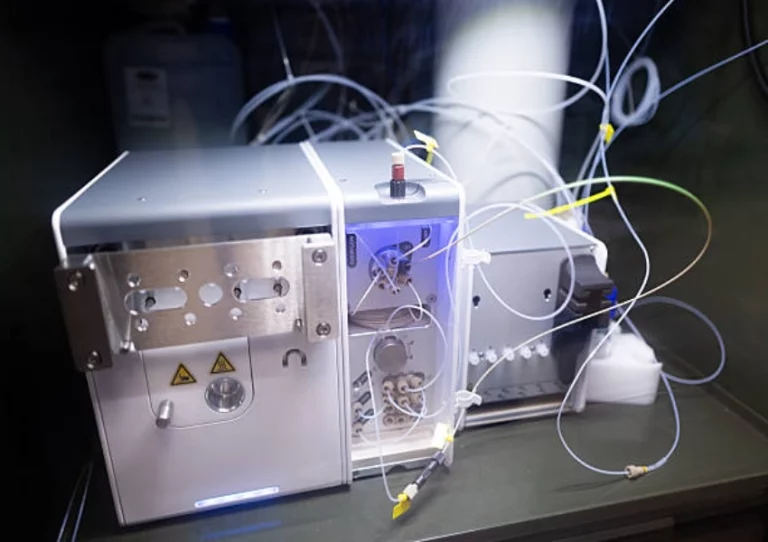
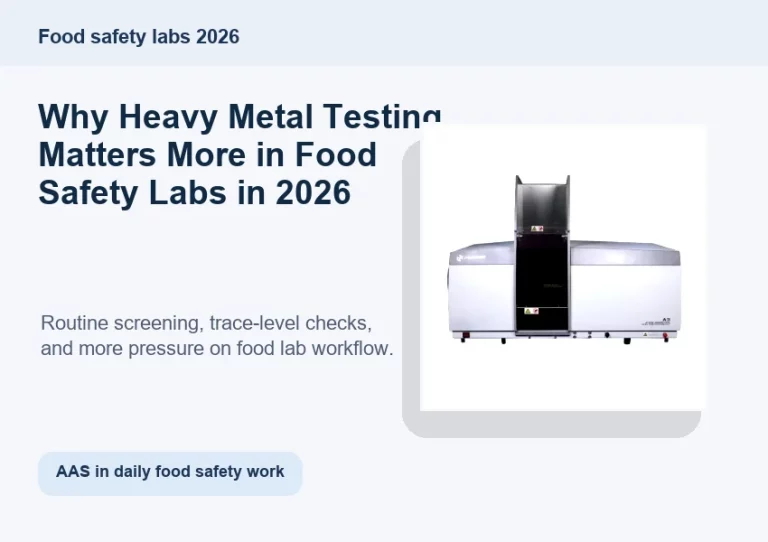
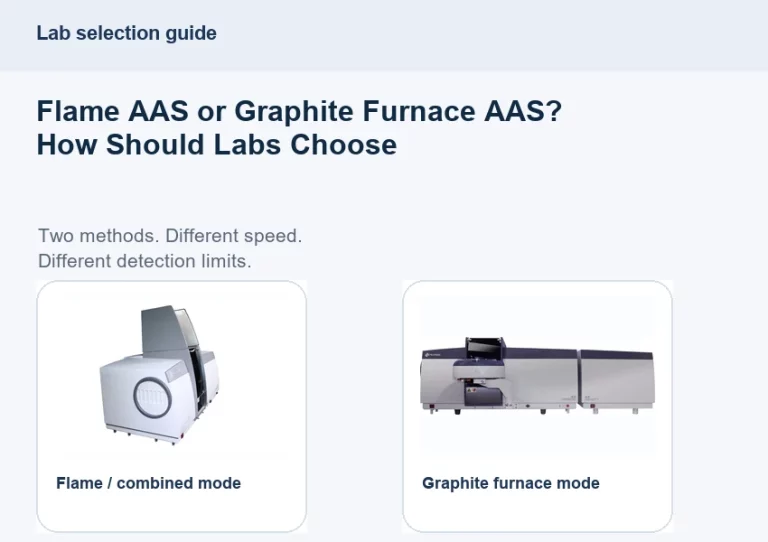
Bizim A3F atomik absorpsiyon spektrofotometresi Bu teknoloji, AA-Win yazılımı tarafından yönetilen ve üç alev seçeneği sunan bir alev püskürtücü ile iyi bir şekilde sergileniyor. Çoğu element için standart kurulum olarak hava/asetilen, refrakter metaller için N₂O/asetilen ve alkali metal tayini için hava/LPG kullanılıyor. Bu sistem, basınç izleme, brülör tanımlama, gaz kaçağı tespiti ve otomatik alev kontrolü içeriyor. Bu özellikler, sürekli su kalitesi testleri sırasında analitik çalışmaların güvenli bir şekilde yürütülmesine yardımcı oluyor.
Daha fazla esnekliğe ihtiyaç duyan laboratuvarlar için, A3G atomik absorpsiyon spektrofotometresi Grafit fırın atomizasyonu kullanır. Pirolitik olarak kaplanmış grafit tüplerin içindeki hassas sıcaklık geri besleme kontrolü sayesinde cıva veya kadmiyum gibi ultra-iz metalleri bulabilir.

İçme Suyu Analizinde Tamamlayıcı Teknikler
AAS'ye ek olarak, diğer teknikler karmaşık örnek tiplerinde verilerin güvenilirliğini artırır. İndüktif Olarak Eşleştirilmiş Plazma Optik Emisyon Spektroskopisi (ICP-OES), elementlerin kapsamını sadece metallerin ötesine genişletirken, iyon kromatografisi nitrat veya florür gibi metalik olmayan iyonları ölçer. Bu parametreler, eksiksiz su kalitesi kontrolleri için de önemlidir. Laboratuvarlar, Laboratuvar Bilgi Yönetim Sistemleri (LIMS) tarafından desteklenen tek bir süreçte çeşitli analitik yöntemleri bir araya getirdiklerinde, EPA'nın birden fazla analit için gereksinimlerini karşılayan eksiksiz iz kirletici profilleri elde ederler.
2026 EPA Standartları için Uyumluluk Çerçevesi Oluşturma
Tam uyumluluk, risk değerlendirmesi, örnekleme sıklığı optimizasyonu, düzeltici eylem protokolleri ve ayrıntılı veri yönetimi de dahil olmak üzere dikkatli bir planlama gerektirir.
Risk Değerlendirmesine Dayalı Bir İzleme Planı Geliştirme
Risk tabanlı bir yöntem, dağıtım ağları içindeki kirlenme olasılığının en yüksek olduğu zayıf noktaları bulur. Bu noktalar arasında eski boru hatları veya endüstriyel deşarj alanları yer alabilir. Daha sonra bu noktalara daha sık örnekleme yapılması için öncelik verilir. Düzenli zaman aralıkları, EPA'nın belirttiği sıklıkla eşleşmelidir. Aynı zamanda, içme suyu analizinden elde edilen test sonuçlarında herhangi bir aşım tespit edilirse, düzeltici adımlar derhal başlatılmalıdır.
Veri Yönetimi ve Kalite Güvence Protokolleri
Merkezi dijital yönetim, numune alımından nihai raporlamaya kadar her adımın izlenebilmesini sağlar. LIMS platformları, atomik absorpsiyon spektrofotometreleri gibi cihazlardan elde edilen sonuçları bir araya getirir. Ayrıca denetim hazırlığı için gerekli olan kalibrasyon kayıtlarını ve reaktif geçmişlerini de tutarlar. Dahili kalite kontrol çizelgeleri, zaman içinde analitik hassasiyeti izlemeye ve sürekli uyumluluğu desteklemeye yardımcı olur.
İz Miktardaki Kirleticilerin Doğru Analizi İçin Gerekli Cihazlar
Ölçüm cihazları, yönetmeliklere uyulmasının temel dayanağıdır. Bu nedenle, hassasiyeti istikrarlı performansla birleştiren sistemlerin seçilmesi çok önemlidir.
Uygunluk Testi İçin Atomik Absorpsiyon Spektrofotometresi Seçimi
Laboratuvarlar, EPA uyumlu test programlarına uygun bir cihaz ararken, hem alevli hem de grafit fırın işlemlerini gerçekleştirebilen modelleri göz önünde bulundurmalıdır. Bu, farklı kirletici türleriyle verimli bir şekilde başa çıkmalarını sağlar. A3AFG atomik absorpsiyon spektrofotometresi İki atomizasyon modunu tek bir ünitede birleştirir. AA-Win yazılımı aracılığıyla sorunsuz geçişlere olanak tanır ve belediye laboratuvarlarının çeşitli numune türleriyle çalışırken ihtiyaç duyduğu çok elementli analizler için oldukça uygundur.
Atomizör-brülördeki yakıt ve hava miktarlarının değiştirilmesiyle, oksitleyici (hava bakımından zengin) veya indirgeyici (yakıt bakımından zengin) bir alev oluşur. Bu esneklik, matris ne kadar karmaşık olursa olsun en iyi atomizasyon koşullarını garanti eder. Ayrıca uzun çalışma süreleri boyunca doğruluğu sabit tutar.
Analitik İş Akışlarına Otomasyon ve Dijital Bağlantının Entegrasyonu
Otomasyon, özellikle büyük içme suyu analiz programlarında sıkça karşılaşılan tekrarlanan örnekleme görevlerinde, insan kaynaklı farklılıkları azaltır. Otomatik örnekleme özelliğine sahip cihazlar, tutarlılığı kaybetmeden işlenen örnek sayısını artırır. Bu özellik, tüm A3 serisi modellerimizde mevcuttur. Bulut tabanlı bağlantı, uyumluluk görevlileri tarafından gerçek zamanlı kontroller yapılmasını sağlar. Olağandışı sonuçlar ortaya çıktığında düzeltmeler konusunda hızlı kararlar alınmasını destekler.
Dijital entegrasyon, düzenleyici veri tabanlarıyla uyumlu standart elektronik formatlar kullanarak başvuru sürecini de kolaylaştırır. Bu durum, kurumların 2026 yılına kadar tamamen dijital denetim sistemlerine geçmesiyle birlikte açık bir avantaj haline gelir.
PERSEE: Analitik Enstrümantasyon Çözümlerinde Güvenilir Bir Ortak
Vaadimiz sadece cihaz satmaktan ibaret değil. Dünyanın dört bir yanındaki laboratuvarların, özel iş akışlarına uygun eğitim, kalibrasyon tavsiyesi ve teknik danışmanlık sunarak kalıcı uyumluluk başarısı elde etmelerine yardımcı olmaya odaklanıyoruz.

PERSEE'nin Atomik Absorpsiyon Spektrofotometri Teknolojisindeki Uzmanlığı
Analitik cihazlara odaklanmış modern bir yüksek teknoloji şirketi olarak, Pansiyon Laboratuvarların bu zorlu talepleri karşılamasına yardımcı olan gelişmiş araçlar sunuyoruz. Beijing Purkinje General Instrument Co., Ltd., 1991 yılında modern bir yüksek teknoloji kuruluşu olarak kuruldu. Bilimsel enstrüman araştırma ve geliştirme, üretim ve satışına odaklanmaktadır. Çevre izleme ve içme suyu analizi için güvenilir enstrümanlar sağlamak amacıyla araştırma ve geliştirme, üretim ve dünya çapında hizmeti birleştiriyoruz. Amacımız, değişen çevre kurallarına uygun doğru ölçüm teknolojileriyle halk sağlığını korumaktır.
Aşağıdakileri içeren çeşitli ürünler tedarik ediyoruz: AA990F atomik absorpsiyon spektrofotometresiÇevresel test tesislerinde sıklıkla karşılaşılan sürekli çalışma koşullarında yüksek optik kararlılık sağlayan bir Czerny-Turner monokromatörü etrafında inşa edilmiştir. Otomatik alev kontrol sistemi, gaz akış oranlarını ayarlayarak, uzun süreli izleme kampanyalarında bile absorbans ölçümlerinin tutarlı kalmasını sağlar.
PERSEE'nin laboratuvar cihazları, hava, su, toprak ve diğer çevresel parametrelerin hassas ölçümlerini ve analizlerini sağlayarak çevre sektöründe hayati bir rol oynamaktadır. Tasarım iyileştirmeleri ile düzenleyici gereksinimler arasındaki bu yakın uyum, bizi güvenilir bir ortak olarak konumlandırıyor. Dünya çapındaki laboratuvarları uyumluluk çalışmalarının her aşamasında destekliyoruz.
Kaliteye ve Mevzuat Desteğine Bağlılık
Beijing Purkinje General Instrument Co., Ltd., ISO9001 kalite sistem sertifikası da dahil olmak üzere birçok sertifika almıştır. Uluslararası standartlara bağlılığımız, sağladığımız her sistemin ABD, AB ve küresel çevre kuralları tarafından belirlenen katı performans gereksinimlerini karşılamasını sağlar. Kullanıcıların tüm operasyonlarında tam denetim şeffaflığını korurken, eser miktardaki kirleticileri doğru ve hızlı bir şekilde ölçmelerini sağlayan analitik çözümler geliştirmeye devam ediyoruz.
Sonuç: Gelişmiş Analitik Uygulamalar Aracılığıyla Uyumluluğun Güçlendirilmesi
Yaklaşan 2026 EPA standartlarını karşılamak, atomik absorpsiyon spektrofotometrisi gibi kanıtlanmış yöntemler ile net veri işlemeyi destekleyen güçlü dijital sistemler arasında yakın bir bağlantı gerektirir. A3F veya AA990F gibi yüksek performanslı sistemler, laboratuvarların eser metalleri doğru bir şekilde ölçmesine olanak tanır. Aynı zamanda, otomasyon manuel hataları azaltır ve büyük veri kümelerinde tutarlılığı artırır. Devam eden ortaklık yaklaşımımız aracılığıyla bize ulaşabilirsiniz. Hakkımızda Bu sayfada, profesyonellere dünya çapında kalıcı çevre koruma çabaları için ihtiyaç duydukları araçları sağlamaya olan bağlılığımızı sürdürüyoruz.
Özel enstrümantasyon paketleri veya tesisinizin düzenleyici hedeflerine yönelik tasarlanmış teknik yardım hakkında daha fazla bilgi için lütfen web sitemizi ziyaret edin. Bize Ulaşın Sayfaya gidin. Orada, profesyonel ekibimiz size doğrudan yardımcı olabilir.
Sık Sorulan Sorular
S1: Atomik absorpsiyon spektrofotometresi, 2026 EPA standartlarının karşılanmasında ne gibi bir rol oynar?
A1: Bu, yeni limitlerin gerektirdiği milyarda bir düzeyinde kurşun veya arsenik gibi eser metallerin tespitini mümkün kılar. Bunu, atomik buhar soğurma prensiplerine dayanan ve doğru içme suyu analiz sonuçları veren son derece hassas optik sistemlerle yapar.
S2: Güncellenmiş EPA çerçevesi kapsamında içme suyu analizleri ne sıklıkla yapılmalıdır?
A2: Örnekleme sıklığı sistem ölçeğine bağlıdır, ancak genellikle aylık veya üç aylık aralıklarla gerçekleştirilir ve otomatik analitik iş akışlarına entegre edilmiş sürekli izleme teknolojileriyle desteklenerek, düzenleyici uyumluluğun kesintisiz bir şekilde sağlanması amaçlanır.
S3: Su kalitesi test uygulamaları için neden PERSEE cihazlarını tercih etmelisiniz?
A3: Cihazlarımız analitik hassasiyeti dayanıklılıkla birleştirerek, uzman teknik desteğiyle desteklenen ve eser miktardaki kirleticilerin tespiti için optimize edilmiş konfigürasyonlar sunar; bu da dünya çapındaki su kalitesi test programlarının tüm aşamalarında uzun vadeli güvenilirliği garanti eder.