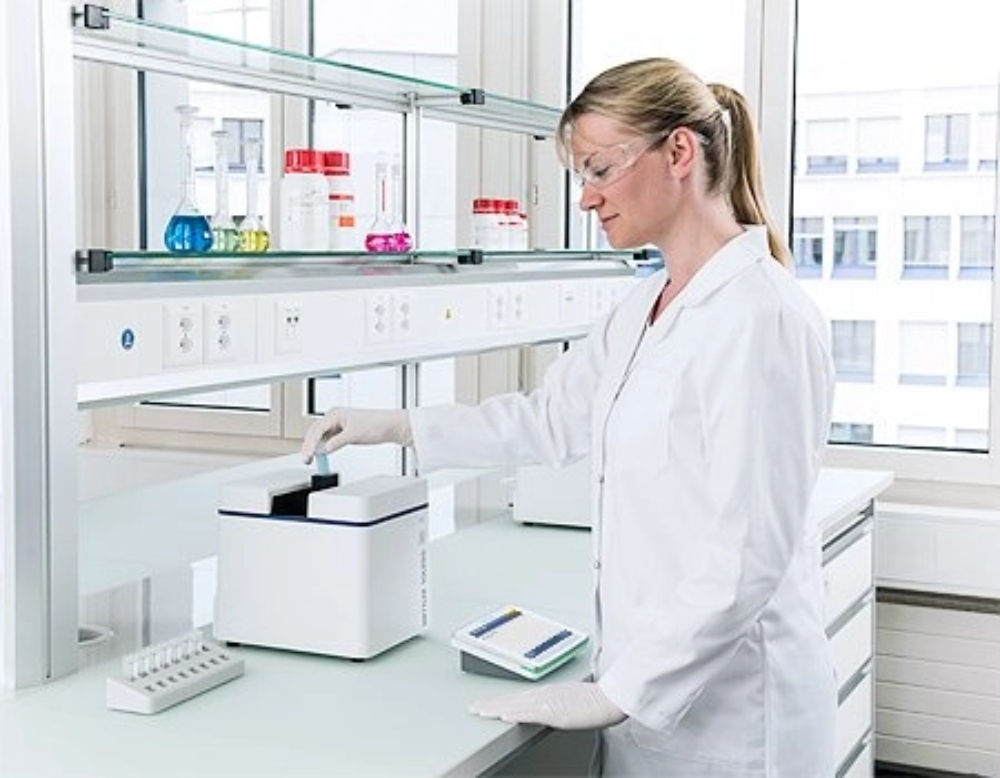
เพื่อให้ได้การวัดค่าการดูดกลืนแสงที่แม่นยำและเชื่อถือได้ การบำรุงรักษาเครื่องสเปกโตรโฟโตมิเตอร์ UV-Vis อย่างสม่ำเสมอจึงเป็นสิ่งที่ขาดไม่ได้ คู่มือนี้จะสำรวจแนวทางการบำรุงรักษาที่สำคัญ ซึ่งรวมถึงการสอบเทียบที่ถูกต้อง การทำความสะอาดเลนส์ การเปลี่ยนหลอดไฟ และการควบคุมสภาพแวดล้อม เพื่อช่วยให้ห้องปฏิบัติการสามารถยืดอายุการใช้งานของเครื่องมือ รักษามาตรฐาน และรับประกันความแม่นยำในการวิเคราะห์ได้อย่างไม่เปลี่ยนแปลง
ความสำคัญของการบำรุงรักษาเครื่องสเปกโทรโฟโตมิเตอร์ UV-Vis อย่างสม่ำเสมอ
บทบาทของการบำรุงรักษาในการรับรองความแม่นยำในการวิเคราะห์
การบำรุงรักษาเครื่องสเปกโตรโฟโตมิเตอร์ UV-Vis อย่างสม่ำเสมอมีบทบาทสำคัญในการรักษาความแม่นยำในการวิเคราะห์ให้คงที่ เพื่อให้การวัดค่าการดูดกลืนแสงมีความน่าเชื่อถือและถูกต้องตลอดเวลา เครื่องสเปกโตรโฟโตมิเตอร์เป็นเครื่องมือสำคัญในห้องปฏิบัติการเคมี ชีววิทยา หรือวิทยาศาสตร์ชีวภาพเกือบทุกแห่ง เช่นเดียวกับอุปกรณ์อื่นๆ มันต้องการการตรวจสอบและการตรวจสอบความถูกต้องอย่างต่อเนื่องในระดับหนึ่ง การบำรุงรักษาอย่างสม่ำเสมอช่วยลดการเปลี่ยนแปลงของการวัดและสัญญาณรบกวนพื้นฐาน ซึ่งทั้งสองอย่างนี้สามารถทำลายความสามารถในการทำซ้ำของผลลัพธ์ได้ ห้องปฏิบัติการสามารถหลีกเลี่ยงการปนเปื้อนและการจัดเรียงแสงที่ไม่ถูกต้องได้ด้วยวิธีนี้ ซึ่งจะช่วยปกป้องคุณภาพของข้อมูลการดูดกลืนแสงและลดข้อผิดพลาดที่เป็นระบบที่อาจทำให้ผลลัพธ์อ่อนลง นอกจากนี้ การบำรุงรักษา UV-Vis เป็นประจำยังช่วยเพิ่มความน่าเชื่อถือของการสอบเทียบเครื่องสเปกโตรโฟโตมิเตอร์ ทำให้มั่นใจได้ว่าความแม่นยำของความยาวคลื่นและความเป็นเส้นตรงทางโฟโตเมตริกของอุปกรณ์จะอยู่ในขอบเขตที่ยอมรับได้เป็นระยะเวลานานขึ้น
ปัญหาทั่วไปที่เกิดจากการบำรุงรักษาที่ไม่ดี
การละเลยการบำรุงรักษาโดยทั่วไปจะทำให้ประสิทธิภาพลดลง ฝุ่นที่สะสมบนชิ้นส่วนทางแสงทำให้สัญญาณไม่เสถียร และการสึกหรอของหลอดไฟจะทำให้ความแม่นยำของความยาวคลื่นเปลี่ยนไปพร้อมกับความสม่ำเสมอของความเข้มแสง การทำความสะอาดที่ไม่ดีอาจทำให้เกิดการปนเปื้อนของตัวอย่างและสเปกตรัมที่บิดเบี้ยว ซึ่งข้อผิดพลาดเหล่านี้จะลุกลามไปยังงานเชิงปริมาณ เพื่อให้นักวิเคราะห์เชื่อมั่นในประสิทธิภาพและความแม่นยำในการวัดของเครื่องสเปกโทรโฟโตมิเตอร์ พวกเขาจำเป็นต้องมั่นใจว่าฟังก์ชันหลักๆ เช่น ความเป็นเส้นตรง ความยาวคลื่น แบนด์วิดท์ และแสงรบกวน ทำงานได้อย่างดีที่สุด หากไม่ได้รับการดูแลอย่างดี การตั้งค่าหลักเหล่านี้จะเบี่ยงเบนจากระดับปกติ ส่งผลให้เส้นโค้งการสอบเทียบไม่เสถียรและไม่เป็นไปตามข้อกำหนด
รักษาขั้นตอนการสอบเทียบที่ถูกต้อง
ก่อนที่จะก้าวไปสู่วิธีการบำรุงรักษาที่ซับซ้อนมากขึ้น การสอบเทียบถือเป็นพื้นฐานสำคัญของการทำงาน UV-Vis ที่แม่นยำ เพราะจะทำให้มั่นใจได้ว่าค่าที่อ่านได้แต่ละค่าตรงกับระดับของสารวิเคราะห์จริงอย่างแม่นยำ
ความถี่และวิธีการสอบเทียบเครื่องสเปกโทรโฟโตมิเตอร์
กำหนดเวลาสอบเทียบให้สอดคล้องกับความถี่ในการใช้งานเครื่องมือ ซึ่งมักจะเป็นเดือนละครั้ง หรือหลังจากเปลี่ยนชิ้นส่วนสำคัญ เช่น หลอดไฟใหม่ การใช้มาตรฐานอ้างอิงที่ได้รับการรับรองเป็นสิ่งสำคัญในการตรวจสอบทั้งความยาวคลื่นและความแม่นยำทางโฟโตเมตริก มาตรฐานความยาวคลื่นประกอบด้วยสารเคมีผสมที่สร้างการสแกนสเปกตรัมที่มีจุดสูงสุดที่ชัดเจนซึ่งเชื่อมโยงกับความยาวคลื่นเฉพาะบนอุปกรณ์ ห้องปฏิบัติการควรเก็บรักษาบันทึกการสอบเทียบอย่างละเอียดเพื่อติดตามรูปแบบการทำงานเมื่อเวลาผ่านไป บันทึกดังกล่าวช่วยในการตรวจสอบย้อนกลับและสอดคล้องกับหลักปฏิบัติที่ดีของห้องปฏิบัติการ
ผลกระทบของการสอบเทียบต่อความสามารถในการทำซ้ำของข้อมูล
การสอบเทียบเครื่องสเปกโทรโฟโตมิเตอร์ที่แม่นยำช่วยให้ได้ข้อมูลที่ทำซ้ำได้โดยการลดการเปลี่ยนแปลงอย่างเป็นระบบในการทดสอบต่างๆ รับประกันค่าการดูดกลืนแสงที่คงที่แม้สภาพแวดล้อมจะเปลี่ยนแปลงไป ตำราเภสัชกรรมทุกเล่มกำหนดให้ผู้ใช้แสดงให้เห็นว่าเครื่องมือสเปกโทรโฟโตมิเตอร์ทำงานได้อย่างถูกต้องในแง่ของความเป็นเส้นตรง ความยาวคลื่น แบนด์วิดท์ และแสงรบกวน การสอบเทียบที่ถูกต้องยังสอดคล้องกับกฎคุณภาพระดับโลก เช่น USP857 หรือ Ph.Eur. ซึ่งสร้างความเชื่อมั่นในผลการวิเคราะห์
รักษาอุปกรณ์ทางแสงให้สะอาดและจัดเรียงให้ถูกต้อง
เลนส์ที่สะอาดมีผลอย่างมากต่อประสิทธิภาพการส่งผ่านแสง เศษผงเล็กๆ ที่หลงเหลืออยู่สามารถกระจายแสงหรือทำให้สเปกตรัมมีข้อบกพร่องได้
แนวทางปฏิบัติที่ดีที่สุดในการทำความสะอาดเครื่องมือ UV-Vis
ระหว่างการบำรุงรักษาเครื่อง UV-Vis ให้ใช้ผ้าเช็ดทำความสะอาดที่ไม่เป็นขุยชุบด้วยตัวทำละลายที่เหมาะสมเช็ดทำความสะอาดหน้าต่างคิวเวตต์ กระจก หรือเลนส์ หลีกเลี่ยงการสัมผัสพื้นผิวทางแสงโดยตรงเพื่อป้องกันการสะสมของน้ำมัน ทำความสะอาดบริเวณตัวอย่างบ่อยๆ เพื่อกำจัดความเสี่ยงจากตัวอย่างหรือสารเคมีที่ตกค้าง การกระทำเหล่านี้จะช่วยให้ได้ค่าพื้นฐานที่มั่นคงและระดับสัญญาณต่อสัญญาณรบกวนที่ดีในการวิเคราะห์ด้วยสเปกโทรสโกปี
ความสำคัญของการจัดแนวแสงในการบำรุงรักษา UV-Vis
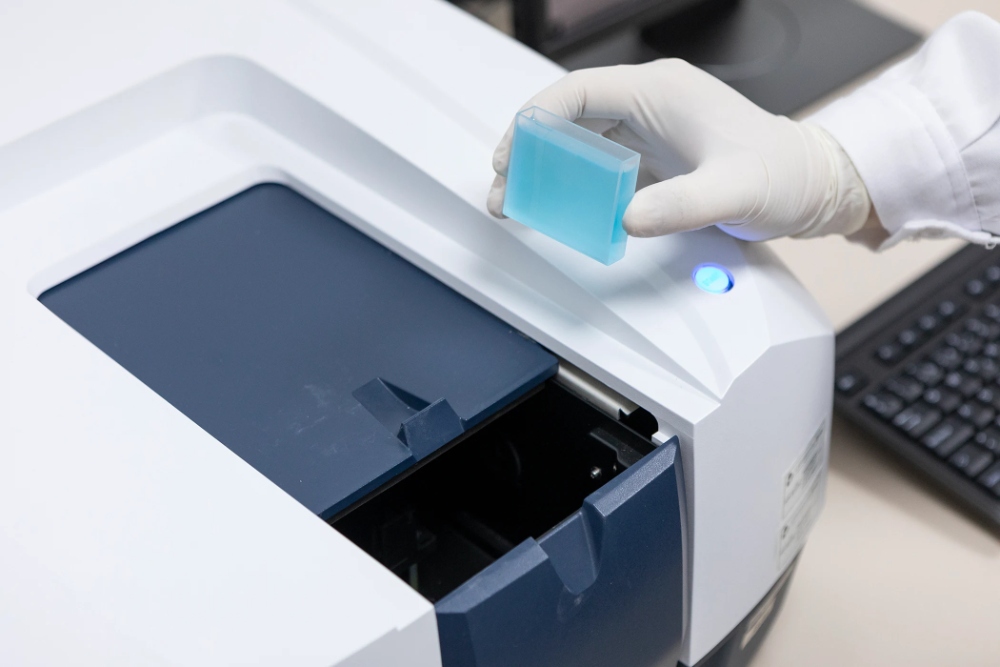
เลนส์ที่ไม่สมดุลจะลดปริมาณแสงที่ส่องผ่านและทำลายความคมชัดของสเปกตรัมโดยการบิดเบี้ยวรูปร่างของลำแสง การตรวจสอบอย่างสม่ำเสมอจะช่วยให้มั่นใจได้ว่าเส้นทางของลำแสงอยู่ในแนวเดียวกันระหว่างช่องรับแสงของโมโนโครมาเตอร์และตัวตรวจจับ แสงจากแหล่งกำเนิดแสงจะผ่านช่องรับแสงในโมโนโครมาเตอร์ ซึ่งจะทำให้ลำแสงแคบลงจนมีขนาดที่ใช้งานได้ แสงใดๆ ที่ผ่านตัวอย่างจะไปถึงตัวตรวจจับ การรักษาระบบนี้ให้คงสภาพเดิมจะช่วยรักษาการตอบสนองของตัวตรวจจับและลดปัญหาแสงรบกวน ซึ่งเป็นองค์ประกอบหลักสำหรับการทำงานที่ต้องการความแม่นยำสูง
ตรวจสอบประสิทธิภาพการทำงานของหลอดไฟและกำหนดการเปลี่ยนหลอดไฟ
ความสม่ำเสมอของแหล่งกำเนิดแสงเป็นตัวกำหนดความน่าเชื่อถือโดยรวมของการวัด ดังนั้น การตรวจสอบกำลังส่องสว่างของหลอดไฟจึงมีความสำคัญอย่างมากต่อความแม่นยำที่ยั่งยืน
การสังเกตสัญญาณการเสื่อมสภาพของหลอดไฟ
กำลังสัญญาณที่ลดลงหรือเส้นฐานที่ไม่มั่นคง มักบ่งชี้ว่าหลอดไฟเสื่อมสภาพหรือวางตำแหน่งไม่เหมาะสม การต้องทำการปรับเทียบใหม่บ่อยๆ อาจบ่งบอกถึงกำลังส่องสว่างของหลอดไฟที่ลดลงเนื่องจากไส้หลอดสึกหรอหรือขั้วไฟฟ้าชำรุด
แนวทางปฏิบัติที่แนะนำสำหรับการเปลี่ยนหลอดไฟ
ปฏิบัติตามคำแนะนำของผู้ผลิตเกี่ยวกับระยะเวลาการเปลี่ยนหลอดไฟโดยพิจารณาจากชั่วโมงการใช้งานทั้งหมด เมื่อใส่หลอดไฟใหม่แล้ว ให้ทำการปรับเทียบใหม่ทันทีด้วยมาตรฐานที่ได้รับการรับรองเพื่อคืนค่าความแม่นยำของความยาวคลื่น อุปกรณ์ต่างๆ เช่น T8DCS UV-Vis นำเสนอการตั้งค่าที่เรียบง่ายสำหรับการสลับแหล่งกำเนิดแสงในการบำรุงรักษา UV-Vis ในชีวิตประจำวัน พร้อมทั้งรักษาเสถียรภาพที่แข็งแกร่งด้วยระบบออปติคอลแบบลำแสงคู่
ควบคุมสภาพแวดล้อมโดยรอบเครื่องสเปกโทรโฟโตมิเตอร์
การจัดการสภาพแวดล้อมโดยรอบช่วยเสริมการดูแลทางกายภาพ โดยการทำให้ชุดอุปกรณ์ทางแสงและปฏิกิริยาของตัวตรวจจับมีความเสถียรมากขึ้นเมื่อเวลาผ่านไป
การจัดการอุณหภูมิ ความชื้น และการสั่นสะเทือน
รักษาอุณหภูมิห้องให้คงที่ตามแนวทางปฏิบัติของห้องปฏิบัติการ การเปลี่ยนแปลงอุณหภูมิจะทำให้ตัวยึดเลนส์บวมเนื่องจากความร้อน ส่งผลให้การจัดแนวคลาดเคลื่อน ควบคุมความชื้นเพื่อป้องกันความชื้นบนชิ้นส่วนเลนส์ที่บอบบาง เช่น กระจกหรือตะแกรงที่อาจทำให้ลำแสงกระเจิง หลีกเลี่ยงอุปกรณ์ที่ก่อให้เกิดการสั่นสะเทือน เช่น เครื่องเหวี่ยงหรือเครื่องอัดอากาศ เนื่องจากแม้แต่การสั่นสะเทือนเล็กน้อยก็สามารถเปลี่ยนเส้นทางลำแสงในการวัดที่แม่นยำได้
ข้อควรพิจารณาในการจัดตั้งห้องปฏิบัติการสำหรับการบำรุงรักษาเครื่อง UV-Vis
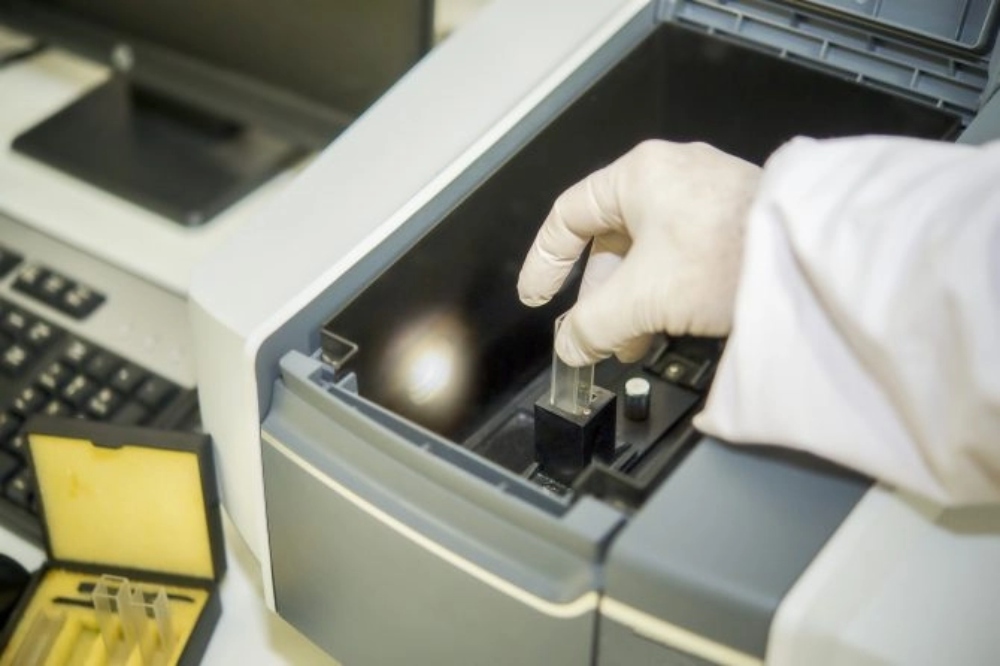
วางเครื่องมือให้ห่างจากแสงแดดโดยตรงหรือกระแสลมที่ทำให้เกิดความแตกต่างของอุณหภูมิในชิ้นส่วนทางแสง สำหรับงานที่ต้องการการตรวจจับแสงรบกวนต่ำมาก (≤0.00004%TNaI@220nm) ควรใช้หน่วยต่างๆ เช่น T9DCSUV‑Vis จัดหาอุปกรณ์เลนส์โมโนโครมาเตอร์คู่แบบปิดสนิทสำหรับการใช้งานในสภาพแวดล้อมที่มีการควบคุม
ดำเนินการอัปเดตซอฟต์แวร์และเฟิร์มแวร์เป็นประจำ
การพัฒนาด้านดิจิทัลเป็นส่วนสำคัญของแผนการบำรุงรักษา UV-Vis ในปัจจุบัน โดยช่วยเพิ่มความแม่นยำในการคำนวณ
ประโยชน์ของการอัปเดตซอฟต์แวร์เครื่องมือในการสอบเทียบเครื่องสเปกโทรโฟโตมิเตอร์
การอัปเกรดซอฟต์แวร์มักจะช่วยปรับปรุงวิธีการแก้ไขค่าพื้นฐานและเพิ่มประสิทธิภาพการเชื่อมต่อกับระบบจัดการข้อมูลห้องปฏิบัติการ (LIMS) การปรับปรุงเฟิร์มแวร์ช่วยให้ควบคุมความเร็วในการสแกน ตัวเลือกความละเอียด และกระบวนการแก้ไขความยาวคลื่นอัตโนมัติโดยใช้หลอดไฟอ้างอิงในตัวได้ดียิ่งขึ้น ซึ่งเป็นคุณสมบัติที่แสดงไว้ใน T10DCS UV-Visซึ่งใช้การแก้ไขการเลื่อนสเปกตรัมอัตโนมัติผ่านหลอดไฟปล่อยแสงปรอทเพื่อให้ได้ความเสถียรในการสอบเทียบที่แม่นยำ
ความสมบูรณ์และความสามารถในการตรวจสอบย้อนกลับของข้อมูลผ่านบันทึกการบำรุงรักษาแบบดิจิทัล
ไฟล์บำรุงรักษาดิจิทัลช่วยเสริมความสอดคล้องกับกฎ GLP/GMP โดยการนำเสนอประวัติการสอบเทียบ การแก้ไข และการเปลี่ยนแปลงซอฟต์แวร์ที่ตรวจสอบได้ บันทึกออนไลน์เหล่านี้ช่วยแก้ไขปัญหาเมื่อพบความแตกต่างระหว่างค่าการดูดกลืนแสงที่คาดการณ์ไว้ในชุดข้อมูล
PERSEE: ผู้ผลิตเครื่องมือวิเคราะห์ที่น่าเชื่อถือ
เราที่ เพอร์ส เรามุ่งเน้นการพัฒนาความแม่นยำในการวิเคราะห์ให้ก้าวหน้ายิ่งขึ้นด้วยแนวคิดใหม่ๆ ในด้านเครื่องมือทางวิทยาศาสตร์ ในฐานะบริษัทเทคโนโลยีขั้นสูงที่ก่อตั้งขึ้นในปี 1991 ซึ่งดำเนินงานด้านการวิจัย การผลิต และการจำหน่ายอุปกรณ์ห้องปฏิบัติการ เราได้รับการรับรองมาตรฐานการควบคุมคุณภาพ ISO9001 และการอนุมัติด้านสิ่งแวดล้อม ISO14001 ซึ่งแสดงให้เห็นถึงความมุ่งมั่นของเราในคุณภาพสูงสุดในทุกขั้นตอนการผลิต ผลิตภัณฑ์ของเราครอบคลุมเครื่องมือ UV-Vis ที่มีประสิทธิภาพสูง เช่น T8DCS, T9DCS และ T10DCS รวมถึงชุดอุปกรณ์ดูดกลืนอะตอม เช่น... A3AFGแต่ละยูนิตผสานแนวคิดการสร้างที่แข็งแกร่งซึ่งเน้นระบบการสอบเทียบสเปกโทรโฟโตมิเตอร์ที่แม่นยำ พร้อมด้วยเครือข่ายบริการทั่วโลกอย่างเต็มรูปแบบตามที่ระบุไว้ในเว็บไซต์ของเรา หน้าติดต่อเป้าหมายของเราไม่ได้เป็นเพียงแค่การจัดหาอุปกรณ์เท่านั้น แต่เรามุ่งมั่นที่จะมอบคำตอบที่เชื่อถือได้แก่ห้องปฏิบัติการทั่วโลก เพื่อสนับสนุนความจริงทางวิทยาศาสตร์และเพิ่มประสิทธิภาพการทำงาน
บทสรุป
การบำรุงรักษาเครื่อง UV-Vis ที่ดีจะช่วยสนับสนุนผลการวิเคราะห์ที่ถูกต้องแม่นยำ โดยการรักษาสภาพของระบบออปติก ความคมชัดของตัวตรวจจับ และความถูกต้องของการสอบเทียบตลอดอายุการใช้งานของเครื่องมือ การวางแผนการบำรุงรักษาอย่างเป็นระบบ เช่น การตรวจสอบการสอบเทียบ การเช็ดทำความสะอาดชิ้นส่วน การจัดการหลอดไฟ การปรับสมดุลโดยรอบ และการอัปเกรดระบบดิจิทัล จะช่วยให้ได้ผลลัพธ์ที่สม่ำเสมอในการอ่านค่าทั้งหมด พร้อมทั้งลดค่าใช้จ่ายด้านเวลาที่สูญเสียไปสำหรับห้องปฏิบัติการที่มุ่งหวังที่จะได้คะแนนสูงสุดตามมาตรฐานที่กำหนด
คำถามที่พบบ่อย
คำถามที่ 1: ควรทำการสอบเทียบเครื่องสเปกโทรโฟโตมิเตอร์ UV-Vis บ่อยแค่ไหน?
A1: ควรทำการสอบเทียบทุกเดือนหรือหลังจากการเปลี่ยนชิ้นส่วนสำคัญใดๆ เช่น การติดตั้งหลอดไฟ เพื่อรักษาความแม่นยำของความยาวคลื่นและค่าการดูดกลืนแสงที่คงที่ ซึ่งสอดคล้องกับมาตรฐานอ้างอิงที่ได้รับการตรวจสอบแล้ว
คำถามที่ 2: สัญญาณทั่วไปที่บ่งบอกว่าเครื่องสเปกโทรโฟโตมิเตอร์ต้องการการบำรุงรักษาคืออะไรบ้าง?
A2: ค่าพื้นฐานที่ผันผวน ค่าการดูดกลืนแสงที่ไม่สม่ำเสมอระหว่างตัวอย่างซ้ำ และความเข้มของสัญญาณที่อ่อนแอ แม้ว่าจะเตรียมตัวอย่างอย่างถูกต้องแล้ว ล้วนบ่งชี้ถึงความจำเป็นในการบำรุงรักษาเครื่อง UV-Vis ซึ่งอาจรวมถึงการทำความสะอาดเลนส์หรือการเปลี่ยนหลอดไฟ
คำถามที่ 3: เหตุใดจึงควรเลือกใช้เครื่องมือ PERSEE สำหรับการใช้งานด้านการวิเคราะห์?
A3: เครื่องมือของเราผสานรวมระบบเลนส์โมโนโครมาเตอร์คู่ขั้นสูงเข้ากับระบบแก้ไขความยาวคลื่นอัตโนมัติ ทำให้ได้ความเสถียรของค่าการวัดแสงที่ยอดเยี่ยมในสภาพแวดล้อมการวิจัยที่หลากหลาย พร้อมการสนับสนุนจากทีมงานด้านเทคนิคที่พร้อมให้ความช่วยเหลือทั่วโลกผ่านทางพอร์ทัลติดต่อออนไลน์ของเรา เพื่อให้มั่นใจได้ถึงความน่าเชื่อถืออย่างต่อเนื่องตลอดกระบวนการวิเคราะห์ของคุณ