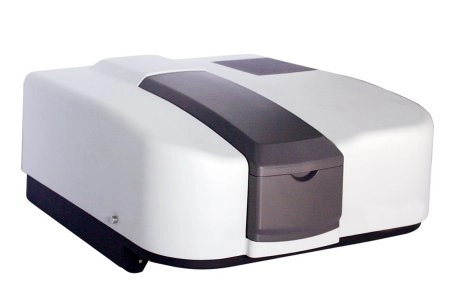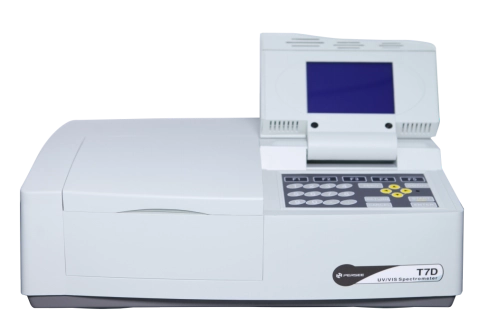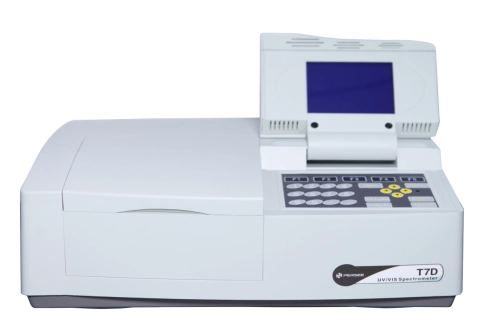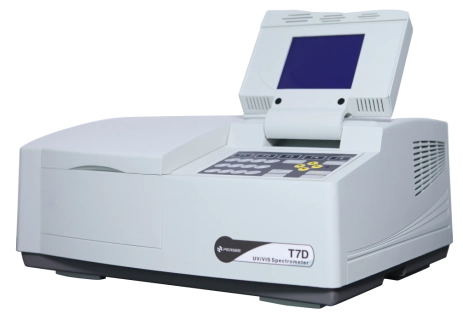
Il campo della tossicologia forense richiede strumenti che forniscano risultati precisi a velocità elevate, pur essendo in grado di regolare i loro metodi. La crescente gamma di test tossicologici richiede strumenti analitici affidabili per svolgere efficacemente i loro compiti. La combinazione di velocità, precisione e versatilità rende gli spettrofotometri UV-Vis essenziali per l'analisi tossicologica. Il T10DCS UV-Vis Persee funge da soluzione avanzata che soddisfa le esigenze dei laboratori forensi operanti in tutto il mondo.
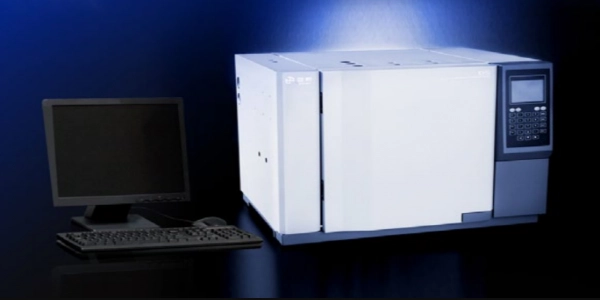
Crescente domanda di spettrofotometri UV-Vis in tossicologia forense
Sensibilità e specificità migliorate per lo screening tossicologico
L'analisi di campioni biologici complessi in laboratori forensi richiede strumenti che consentano sia elevati livelli di specificità che di sensibilità. Gli spettrofotometri UV-Vis consentono la rilevazione precisa di molteplici sostanze tossiche che esistono nei campioni biologici, tra cui farmaci e veleni.
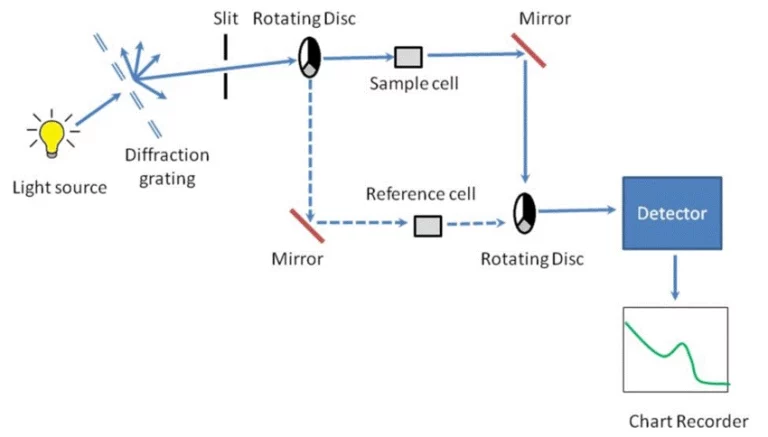
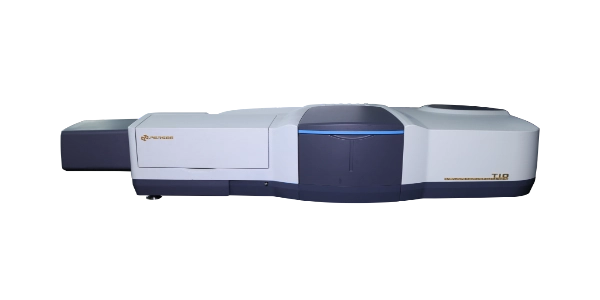
Il T10DCS UV-Vis dispone di un design genuino doppio monocromatore a doppio fascio che fornisce eccezionali prestazioni di luce straga di ≤0,00004%T a 220 nm per produrre segnali puliti e ridurre al minimo le interferenze di fondo. La lampada integrata per le emissioni di mercurio fornisce la correzione automatica della deviazione spettrale per mantenere una precisione esatta della lunghezza d'onda. La configurazione a doppio fascio mantiene linee di base stabili confrontando i fasci di campione e di riferimento, che aiuta a minimizzare gli errori derivanti dalle fluttuazioni della fonte luminosa o dalla contaminazione del percorso ottico, garantendo risultati più accurati e riproducibili nell'analisi tossicologica forense.
Capacità analitiche rapide ed economiche
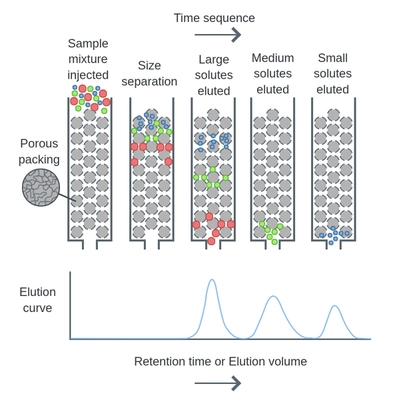
Il tempo di analisi per la spettrofotometria UV-Vis rimane più breve della cromatografia perché questo metodo richiede meno risorse per funzionare. Il sistema T10DCS consente agli utenti di eseguire test ad alto volume mantenendo risultati analitici esatti. Il sistema richiede una preparazione del campione minima che riduce i tempi di analisi e riduce le spese quando si lavorano con numerosi campioni forensi durante situazioni urgenti.
Ampia applicazione in tutte le classi e matrici di droga
Lo spettrofotometro T10DCS con capacità UV-Vis consente ai ricercatori di rilevare sostanze illecite e composti terapeutici in campioni di sangue e campioni di urina e tessuti. Lo spettrofotometro T10DCS dispone di impostazioni regolabili della lunghezza d'onda che gli consentono di rilevare in modo efficace vari tipi di composti. Il sistema PERSEE fornisce supporto allo sviluppo di metodi per matrici forensi complesse che lo rendono idoneo per varie applicazioni tossicologiche.
Integrazione di UV-Vis con altri strumenti analitici
Utilizzo complementare con tecniche di spettrometria di massa
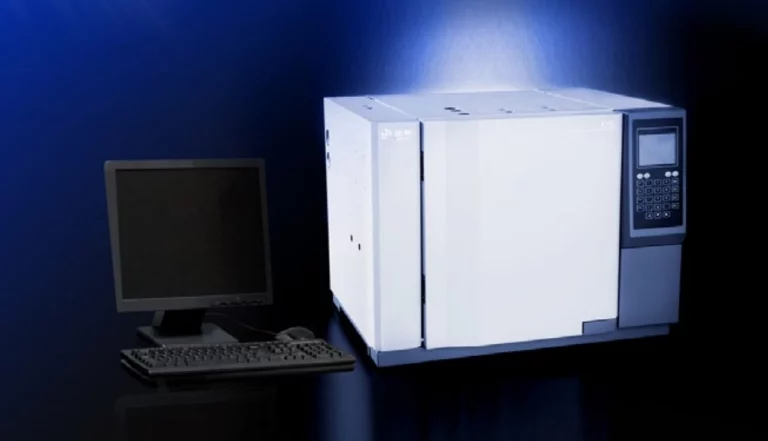
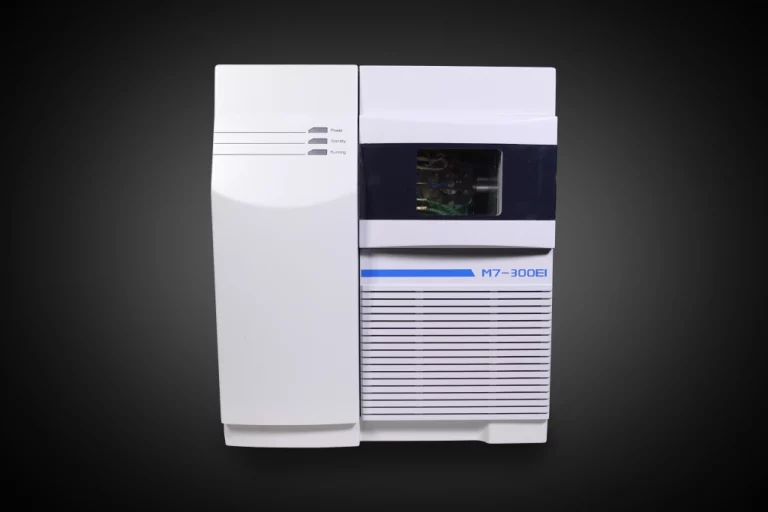
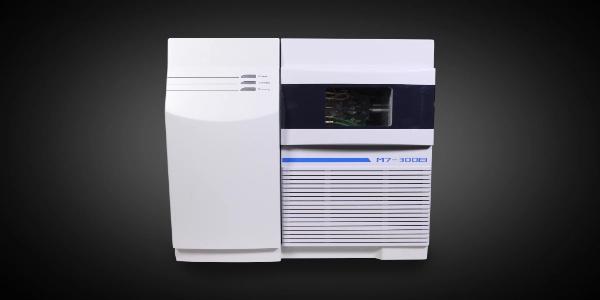
Il processo di screening iniziale dipende da UV-Vis perché fornisce risultati rapidi a costi accessibili, ma la cromatografia, come HPLC o GC, serve per l'identificazione finale di miscele o sostanze più complesse che non hanno una significativa assorbinza UV. Il M7 Quadrupolo singolo GC-MS funge da strumento preferito per questa specifica applicazione. Il M7 MS opera in diversi settori tra cui la sicurezza alimentare e la protezione dell'ambiente e l'industria chimica dei materiali e la ricerca in scienze della vita e medicina e indagini penali e molti altri. La combinazione dei dati UV-Vis con l'analisi di spettrometria di massa migliora sia i risultati tossicologici qualitativi che quantitativi verificando i risultati iniziali.
Sincronizzazione dei dati in flussi di lavoro multi-strumento
I laboratori forensi moderni hanno bisogno che i loro strumenti funzionino perfettamente insieme perché questa configurazione fornisce sia la tracciabilità che riduce al minimo gli errori umani. La suite di strumenti PERSEE funziona con formati di dati standardizzati che consentono risultati tossicologici rapidi. L'uso di piattaforme software coordinate consente ai ricercatori di gestire i dati contemporaneamente, riducendo il numero di errori che si verificano durante l'interpretazione dei risultati.
Supporto per le strategie di test a livelli nei laboratori di tossicologia
Il laboratorio raggiunge il massimo utilizzo delle risorse attraverso test a livelli che iniziano con procedure di screening rapide seguite da metodi di conferma avanzati. Il T10DCS funziona ad alta velocità pur rimanendo semplice da usare, il che lo rende adatto per applicazioni di test iniziali. Il metodo aumenta la capacità del laboratorio mantenendo risultati analitici precisi.
Vantaggi tecnici dello spettrofotometro UV-Vis T10DCS
Alta risoluzione ottica con design a doppio fascio
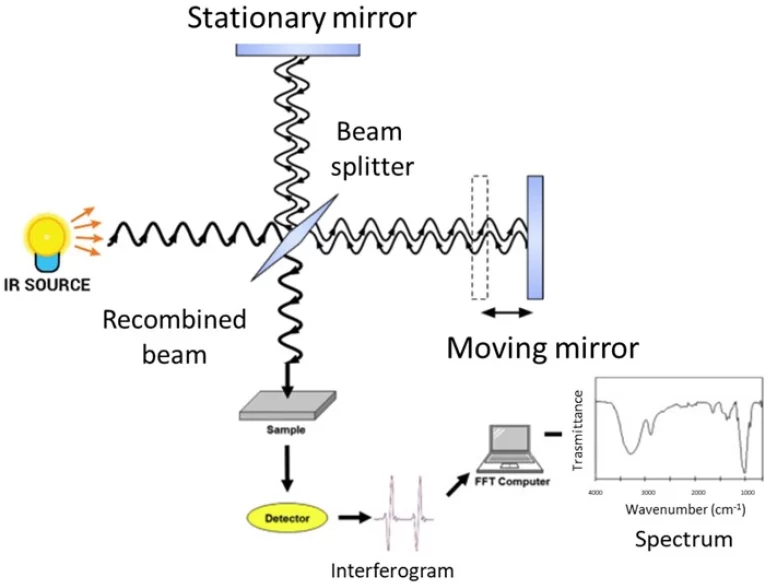
L'ottica a doppio fascio mantiene prestazioni costanti durante le operazioni analitiche estese. Lo strumento fornisce una precisione esatta della lunghezza d'onda attraverso i suoi percorsi ottici completamente sigillati e il suo rating di luce straga ultrabasso che è vitale per la quantificazione forense. La quantità di assorbimento di luce da parte di un campione a una lunghezza d'onda specifica mostra direttamente il livello di concentrazione del campione.
Ampia gamma di lunghezze d'onda adatta per analiti diversi
Il sistema funziona in un intervallo standard di 185-900 nm, con la capacità di estendersi fino a 1100 nm quando viene utilizzata la depurazione di azoto, consentendo il rilevamento di alcune tossine organiche e inorganiche. Il sistema funziona a lunghezze d'onda da 190nm a 1100nm per rilevare tossine organiche e inorganiche. Il sistema consente opzioni di scansione flessibili che consentono agli analisti di selezionare cromoforo particolari per l'analisi simultanea multi-componente in scenari del mondo reale.
Integrazione software robusta per la gestione dei dati
Il sistema software di questo strumento consente agli utenti di creare metodi personalizzati mantenendo il tracciamento sicuro dei percorsi di audit per la documentazione della catena di custodia. Lo strumento include librerie spettrali integrate che aiutano gli utenti a identificare i tossici attraverso i loro profili di assorbinza. Lo strumento richiede agli utenti di eseguire prove di calibrazione e controllo di qualità e di convalida e qualificazione del metodo perché queste procedure seguono sia gli standard di buone pratiche di laboratorio che i requisiti normativi.
Guadagni di efficienza operativa nei flussi di lavoro forensi
Procedure semplificate di preparazione dei campioni
Il metodo di spettrofotometria UV-Vis elimina la necessità di procedure di pulizia complesse. Il sistema T10DCS consente agli utenti di effettuare analisi controllate di campioni biologici diluiti senza esporli alla contaminazione durante la lavorazione.
Tempo di fermo minimo dello strumento attraverso ingegneria affidabile
Lo strumento funziona ad elevati volumi grazie ai suoi componenti di lunga durata che riducono al minimo i tempi di fermo per la manutenzione. Lo strumento include strumenti diagnostici integrati che consentono agli utenti di eseguire controlli rapidi del sistema attraverso analisi in loco o assistenza tecnica a distanza.
Requisiti di formazione semplificati per il personale di laboratorio
Lo strumento dispone di un'interfaccia facile da usare che consente ai nuovi utenti di eseguire operazioni senza la necessità di una formazione approfondita. PERSEE fornisce agli utenti l'accesso a programmi di formazione in loco e a distanza attraverso la sua rete di supporto tecnico.
Applicazione rilevanza per i casi di tossicologia post mortem e clinica
Rilevamento di farmaci comuni coinvolti nei casi di sovradosaggio
Il metodo degli spettri di assorbimento UV consente l'identificazione rapida di oppioidi e benzodiazepine e stimolanti in campioni di fluidi post mortem. Il T10DCS esegue una scansione semi-mirata per rilevare picchi legati al farmaco che appaiono a concentrazioni che corrispondono ai livelli di esposizione cronica al farmaco.
Differenziazione tra uso terapeutico ed esposizione tossica
Il sistema determina il superamento del livello del farmaco delle soglie terapeutiche attraverso le sue capacità di misurazione quantitativa. Il sistema’ Le curve di calibrazione lineari permettono un'analisi dose-risposta essenziale che supporta le conclusioni mediche legali.
Applicazione in ambienti clinici di emergenza
Il T10DCS richiede un'azione immediata durante le situazioni di emergenza tossicologica. La configurazione portatile T10DCS consente lo screening rapido in ambienti clinici di emergenza, ma per analisi tossicologiche più accurate e dettagliate, tecniche come LC-MS o GC-MS sono generalmente preferite a causa della loro maggiore sensibilità e specificità.
Vantaggi strategici della partnership con PERSEE Instruments
Portfolio completo di prodotti a sostegno dei laboratori di tossicologia
Il laboratorio PERSEE utilizza spettrofotometri UV-Vis insieme A3afg sistemi di assorbimento atomico che consentano la rilevazione dei metalli pesanti per la valutazione degli elementi tossici, inclusa l'esposizione al piombo e al mercurio.
Infrastruttura di supporto globale per garantire la continuità operativa
La continuità operativa dei laboratori dipende da PERSEE perché mantiene centri di servizio in diverse regioni e fornisce ampie strutture di formazione. Il PGENERAL Centro Notizie fornisce accesso online ai materiali di supporto che includono manuali e note di applicazione.
Innovazione continua in linea con le esigenze forensi
PERSEE dedica i suoi sforzi di ricerca e sviluppo per mantenere la conformità degli strumenti con i nuovi standard utilizzando il feedback del laboratorio forense per creare prodotti migliorati. Il Portale Applicazioni PGENERAL presenta la loro gamma di soluzioni per specifiche applicazioni.
Domande frequenti
Q1: Come si confronta la spettrofotometria UV-Vis con le tecniche cromatografiche in tossicologia forense?
R: Il processo di screening iniziale utilizza UV-Vis perché fornisce risultati rapidi a costi accessibili, ma la cromatografia serve per scopi di identificazione finale. La combinazione di questi metodi crea un processo di test efficiente.
Q2: Cosa rende gli spettrofotometri a doppio raggio più adatti per i laboratori forensi?
R: I sistemi a doppio fascio consentono linee di base stabili e una riproducibilità migliorata che sono essenziali per eseguire analisi quantitative con risultati coerenti tra diversi campioni.
Q3: UV-Vis può rilevare metalli pesanti?
R: Lo strumento A3AFG funge da strumento di rilevamento dei metalli pesanti perché la spettroscopia UV-Vis viene utilizzata principalmente per identificare sostanze organiche, ma può rilevare ioni metallici quando formano complessi con ligandi organici che assorbono nella gamma UV-Vis. Per la rilevazione precisa di metalli pesanti come il piombo e il mercurio, la spettroscopia di assorbimento atomico (AAS) è il metodo preferito.
Q4: Come posso integrare i risultati UV-Vis nell'infrastruttura digitale del mio laboratorio?
R: Lo strumento T10DCS consente alle organizzazioni di utilizzare formati di dati standardizzati che i sistemi digitali di gestione dei casi possono accettare per una migliore efficienza di reporting.
Q5: Dove posso trovare supporto o formazione specifica per l'applicazione?
R: Puoi accedere alle risorse di formazione e ai manuali e al supporto tecnico per il tuo campo attraverso il sito ufficiale PERSEE.