L'effetto di Mössbauer implica l'emissione e l'assorbimento senza rimbalzo dei raggi gamma da nuclei atomici fissati in un solido. Di conseguenza, il rimbalzo diventa molto piccolo. Questa situazione crea linee di assorbimento di risonanza molto strette. Tali linee sono essenziali per la spettroscopia nucleare dettagliata ad alta risoluzione.
Per vedere chiaramente l'effetto di Mössbauer, devono essere soddisfatte alcune condizioni importanti. In primo luogo, i nuclei che emettono e assorbono devono essere in materiali solidi. In secondo luogo, la temperatura dovrebbe essere abbastanza bassa. Ciò aiuta a limitare le vibrazioni del reticolo che altrimenti potrebbero portare al rimbalzo. In terzo luogo, l'isotopo scelto deve mostrare una corretta transizione nucleare. Per questo motivo, ^57Fe si distingue come la scelta più frequente. Le sue proprietà lo rendono particolarmente adatto.
Quali sono i componenti chiave di un impianto di spettrometro Mössbauer?
Un spettrometro di Mössbauer comprende una fonte radioattiva, che è tipicamente ^57Co collocato in una matrice di rodio, insieme ad un assorbitore di campione e un rilevatore. Inoltre, la sorgente si muove in relazione all'assorbitore attraverso un trasduttore di velocità. Questo movimento aggiunge spostamenti Doppler. Questi cambiamenti aiutano a scansionare attraverso varie energie di risonanza in modo sistematico. Il controllo esatto della velocità svolge un ruolo cruciale nel raggiungere una buona risoluzione spettrale. Spesso, i criostati entrano in gioco per raffreddare entrambi i campioni e ridurre le vibrazioni termiche indesiderate. Inoltre, potrebbero essere aggiunti campi magnetici esterni. Consentono ai ricercatori di esplorare interazioni magnetiche iperfine in più profondità.
Come viene eseguita l'analisi della forma della linea in spettroscopia Mössbauer?
La forma naturale della linea di una risonanza di Mössbauer segue una forma Lorentziana, che dipende dalla larghezza naturale della linea e dall'eventuale allargamento dello strumento stesso. Specificamente, appare come: L(v) = (Γ/2)^2 / [(v – v ₀)^2 (Γ/2)^2]. Qui v rappresenta velocità, v ₀ indica la velocità centrale, e Γ rappresenta la larghezza completa a metà massima. Tali profili Lorentziani funzionano bene sotto l'assunzione di un allargamento uniforme. Sono validi soprattutto quando lo strumento’ risoluzione supera altre fonti di allargamento. In pratica, questo li rende affidabili per molte analisi.
Cosa causa le deviazioni dalle forme Lorentziane ideali?
Vari fattori possono alterare le forme di linea perfette in modi inaspettati. In primo luogo, se lo spessore del campione è troppo grande, si verificano effetti di saturazione. Questo porta all’allargamento della linea. Inoltre, la consistenza o gli orientamenti favoriti nei campioni policristallini possono produrre modelli di assorbimento irregolari. Inoltre, eventi di dispersione multipli o scarsa risoluzione del rilevatore aggiungono anche a queste distorsioni. A causa di tutto questo, i ricercatori devono affrontare con attenzione questi problemi. Solo allora potranno estrarre precisi parametri iperfini dai dati.
Quali tecniche vengono utilizzate per il montaggio e la decomposizione della forma della linea?
Oggi, l'adattamento degli spettri di Mössbauer si basa su approcci non lineari dei minimi quadrati che sono abbastanza efficaci. Quando si verificano insieme un allargamento uniforme a causa della larghezza di linea naturale e un allargamento irregolare, ad esempio a causa della deformazione, i profili Voigt diventano l'opzione preferita. Questi profili risultano dalla combinazione di un gaussiano e un Lorentziano attraverso la convoluzione.
Software utili come MossWinn o Recoil aiutano a rompere spettri complicati. Le separa in sottospettri distinti. Questo processo si basa su parametri iperfini chiave, tra cui lo spostamento degli isomeri, la divisione quadrupolare e la forza del campo magnetico, per guidare la decomposizione.
Come vengono interpretate le interazioni iperfine?
Lo spostamento degli isomeri, a volte noto come spostamento chimico, deriva dalle differenze nella densità degli elettroni s proprio al nucleo. Questa differenza esiste tra la fonte e l'assorbitore. Di conseguenza, funge da marcatore unico per gli stati di ossidazione e le configurazioni elettroniche. Per dare un esempio, Fe(III) mostra valori di spostamento isomerico più grandi rispetto a Fe(II). La ragione sta nella bassa densità di s-elettroni al nucleo per Fe(III). Di solito, gli spostamenti isomerici vengono misurati contro standard come la foglia α-Fe. Questa pratica garantisce risultati costanti in diversi esperimenti e configurazioni.
Come rivela la scissione quadrupolare la simmetria?
La divisione quadrupolare deriva dall'interazione tra il momento quadrupolare nucleare e un gradiente di campo elettrico irregolare (EFG). Tuttavia, quando gli ambienti diventano distorti o quando la simmetria scende a livelli come quadrato piano o tetraedrico, la chiara divisione appare in modo evidente. Grazie a questo, gli scienziati possono capire la geometria di coordinamento in aree come i complessi di ferro organometallico e biologico con fiducia.
Cosa può dire la divisione magnetica iperfina?
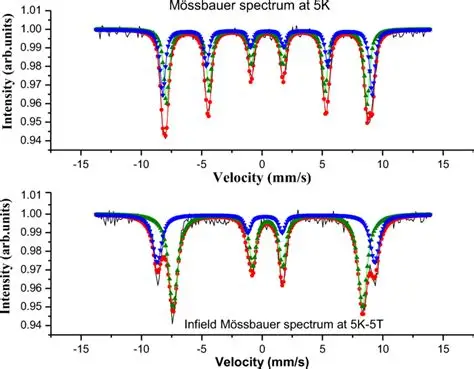
La scissione magnetica iperfina avviene attraverso la connessione tra il momento magnetico nucleare e i campi magnetici interni o esterni. Per ^57Fe specificamente, questo porta a spettri a sei linee in sistemi che mostrano ordine magnetico, come ematite o magnetite. Da questi modelli emergono dettagli preziosi sulle temperature di ordine magnetico, gli stati di spin e la forza dei campi magnetici interni all'interno di vari materiali.
Quali considerazioni pratiche garantiscono spettri di alta qualità?
Il modo in cui i campioni vengono preparati ha un grande impatto sulla qualità generale degli spettri ottenuti. Per i migliori risultati, lo spessore dell'assorbitore dovrebbe raggiungere un livello ottimale. Questo livello consente un assorbimento sufficiente dei raggi gamma evitando gli effetti di saturazione che potrebbero turbare i dati. Inoltre, la diffusione uniforme delle particelle aiuta ad evitare gli orientamenti preferiti. Tali orientamenti potrebbero altrimenti tordere ingiustamente le intensità degli spettri. Inoltre, la cristallinità del materiale conta molto. I materiali che mancano di una struttura cristallina chiara, come quelli amorfi, spesso mostrano linee più larghe. Questo allargamento si verifica a causa di disturbi a livello locale all'interno del campione.
Quali parametri di acquisizione dati devono essere regolati?
Quando si imposta la raccolta dei dati, gli intervalli di velocità meritano una selezione attenta. Dovrebbero corrispondere alle interazioni iperfine previste coinvolte. Ad esempio, intervalli di ±5 mm/s funzionano bene per esaminare i spostamenti chimici e la divisione quadrupolare. Al contrario, gli intervalli fino a ±12 mm/s si adattano meglio alle interazioni magnetiche più forti. Allo stesso tempo, i tassi di conteggio devono essere regolati per colpire un punto dolce. Ciò garantisce una solida accuratezza statistica senza travolgere il rilevatore o causare problemi di accumulo che distorcono le letture. Per migliorare ancora di più la qualità dei dati, il raffreddamento criogenico si rivela utile. L'abbinamento con le durate di misurazione adeguate consente risultati più chiari e affidabili alla fine.
Come viene effettuata la calibrazione per un'interpretazione affidabile?
La calibrazione inizia con la misurazione di uno standard affidabile, come la foglia α-Fe come assorbente. Questo passaggio imposta con precisione il punto di velocità zero. Fornisce anche valori standard per gli spostamenti isomerici da servire come linea di base. Nel tempo, regolari correzioni di base mantengono le cose coerenti. Essi supportano la riproducibilità non solo all'interno di un esperimento, ma anche in più sessioni e strumenti.
Dove trova applicazione la spettroscopia Mössbauer?
Gli effetti dei campi ligandi cambiano gli EFG che circondano i centri metallici in modi significativi. Questi cambiamenti si presentano poi come variazioni nelle suddivisioni quadrupoli. Attraverso la spettroscopia di Mössbauer, è possibile identificare efficacemente i numeri di coordinazione e gli stati di spin.
Quali informazioni possono essere raccolte dai nanomateriali?
Quando si tratta di ossidi di ferro a nanoscala, il rilassamento superparamagnetico provoca che le strutture magnetiche iperfine collassano o si allargano notevolmente. Decomponendo attentamente questi spettri, i ricercatori scoprono dettagli sulle strutture del nucleo o sulle variazioni delle dimensioni delle particelle. In questo modo, la spettroscopia Mössbauer contribuisce in modo significativo alla caratterizzazione di materiali funzionali all'avanguardia utilizzati nella tecnologia e nell'industria.
Perché scegliere PERSEE per Mössbauer Instrumentation?
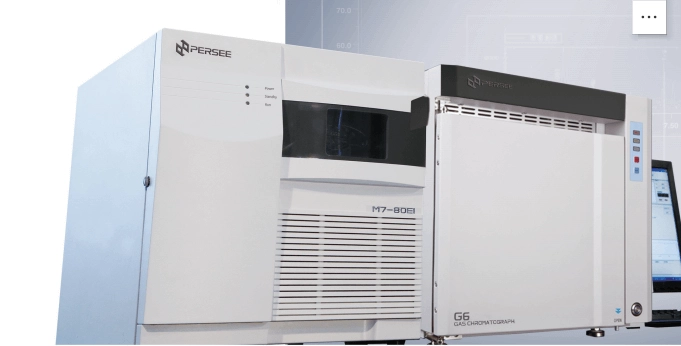
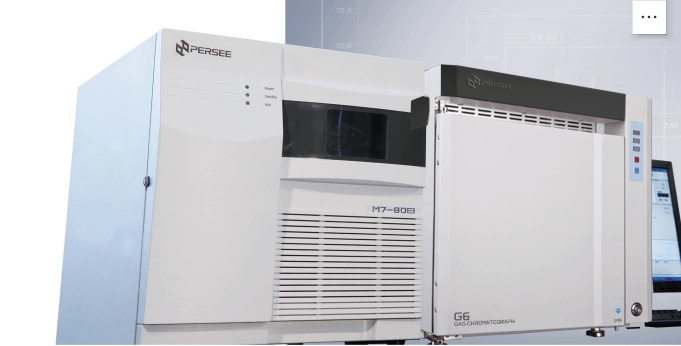
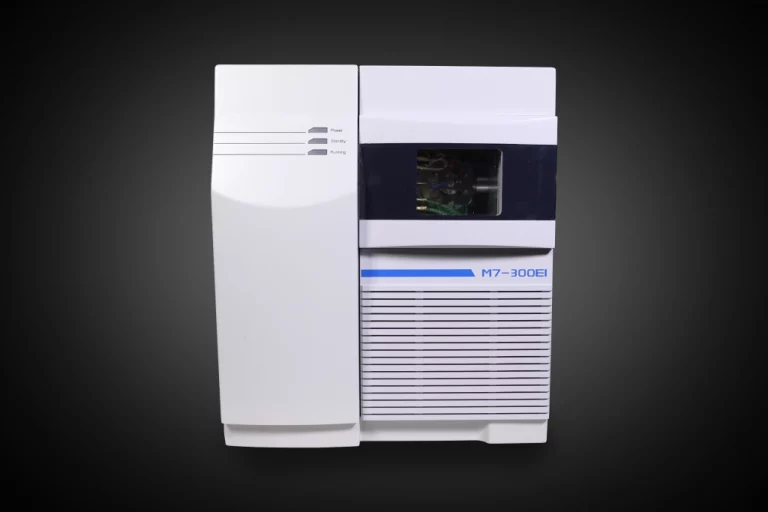
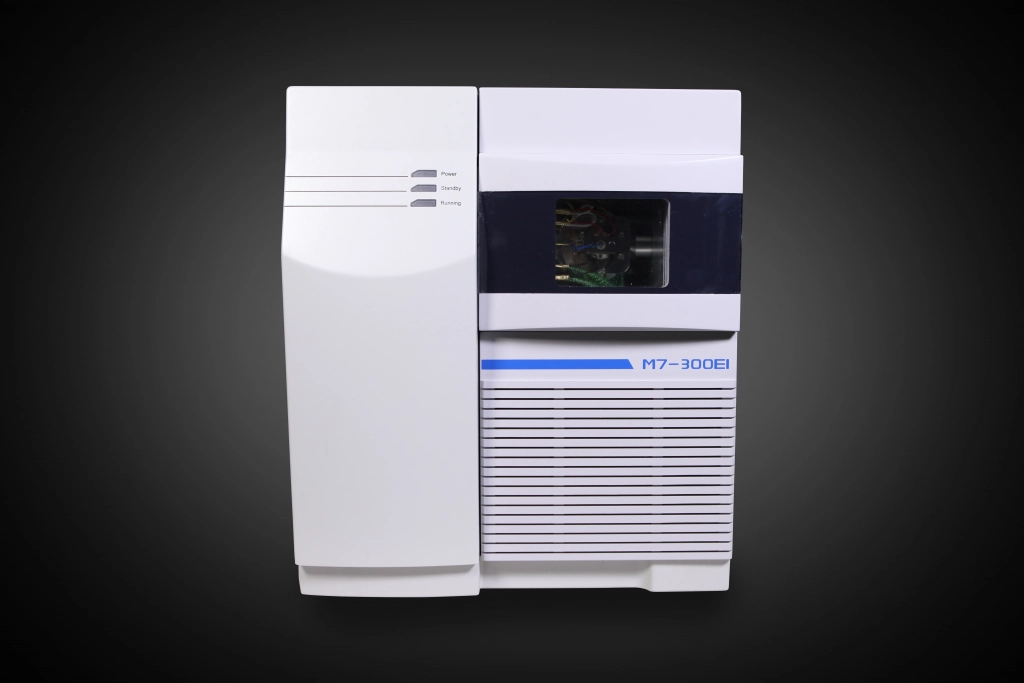
Il M7 Single Quadrupole GC-MS rappresenta l'ultima gamma di spettrometria di massa ad alte prestazioni Persee. Questa azienda possiede esclusivamente tutti i diritti di proprietà intellettuale. Unisce una forte efficienza di ionizzazione con elettronica all'avanguardia. Inoltre, dispone di una sorgente EI a doppio filamento, un sistema di vuoto veloce alimentato da pompe turbomolecolari PFEIFFER e analizzatori quadrupoli in molibdeno. Questi forniscono una risoluzione di massa unitaria in modo affidabile.
La facile da usare workstation GC-MS include opzioni per il telecomando. Questo risulta particolarmente utile per supporto tecnico nei laboratori distribuiti in diversi fusi orari. Di conseguenza, le operazioni sono più fluide senza assistenza costante in loco. Inoltre, l'elettrocircuito EPC e digitale stabiliscono nuovi standard per la precisione RTL. Di conseguenza, elevano il M7’ affidabilità a nuove altezze impressionanti, ben oltre i modelli precedenti. Il M7 Quadrupolo singolo GC-MS gestisce una vasta gamma di applicazioni. Questi includono sforzi di monitoraggio ambientale, progetti di ricerca farmaceutica, indagini forensi e valutazioni della sicurezza alimentare. Nel frattempo, la rete di supporto mondiale di PERSEE fornisce un servizio rapido ed efficace ogni volta che è necessario.
Come gli esperti interpretano i dati di Mössbauer in modo olistico?
Guardare solo la forma della linea o i parametri iperfini in isolamento può creare conclusioni poco chiare o sbagliate. Invece, combinarli porta a interpretazioni più forti e affidabili. Questo approccio brilla particolarmente in sistemi complicati o multifase. Permette sia una chiara identificazione di fase che una visione quantitativa dettagliata delle strutture elettroniche, delle geometrie di coordinazione e dei modelli di ordinamento magnetico. In ultima analisi, questa visione combinata delle forme fisiche e delle caratteristiche spettrali evidenzia la vera forza della spettroscopia Mössbauer. Sostiene il suo ampio utilizzo in vari campi scientifici e tecnici.
Perché la calibrazione degli strumenti e l'elaborazione dei dati sono così importanti?
Metodi sofisticati, come l'adattamento non lineare dei minimi quadrati, riducono i pregiudizi personali durante l'analisi spettrale. Quando eseguita correttamente, la taratura garantisce risultati che si ripetono in modo affidabile su diversi strumenti e per periodi prolungati. Questa coerenza è molto importante nella ricerca seria o quando si rispettano gli standard industriali. Anche gli strumenti ad alta risoluzione svolgono un ruolo chiave.
Domande frequenti
Q1: Quali tipi di materiali sono più adatti per l'analisi con un Mössbauer Spettrometro?
A1: I materiali contenenti isotopi attivi di Mössbauer come Fe, Sn o Eu sono ideali. Composti contenenti ferro come ossidi, leghe, minerali o complessi di coordinamento sono comunemente studiati.
Q2: Come lo spessore del campione influenza l'accuratezza dell'interpretazione spettrale?
A2: L'eccessivo spessore può causare l'allargamento della linea a causa della saturazione o della dispersione multipla. L'ottimizzazione dello spessore dell'assorbitore garantisce una migliore risoluzione senza distorsione dei parametri iperfini.
Q3: Qual è il vantaggio di utilizzare lo spettrometro M7 Mössbauer di PERSEE?
A3: L'M7 offre rilevamento ad alta sensibilità, controllo preciso della velocità, integrazione software robusta per l'analisi spettrale e prestazioni affidabili a lungo termine supportate da PERSEE’ S supporto tecnico.