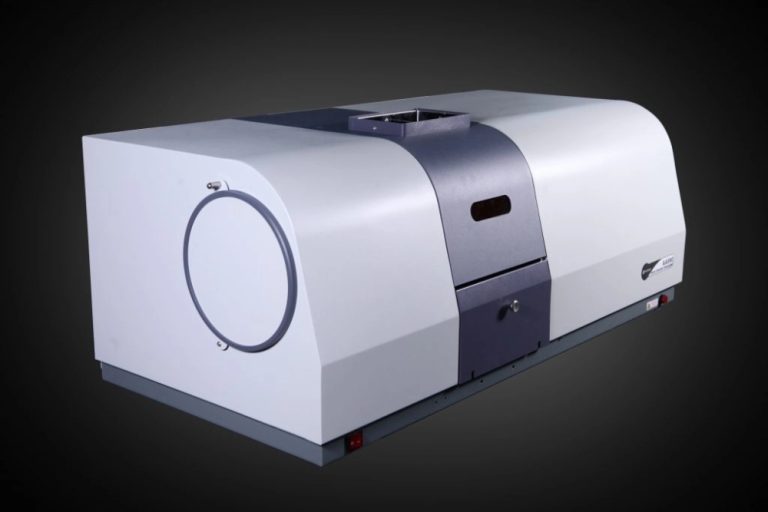
 Spectrophotometry plays a vital role in environmental labs, especially when checking water quality. This technique allows for the exact measurement of pollutants and nutrients. As a result, it helps keep natural habitats and drinking water sources secure. All chemical substances absorb, transmit, or reflect light, which is a form of electromagnetic radiation, across certain wavelength ranges. Spectrophotometry works by sending a light beam through a solution containing the material under study. Then, it gauges the intensity of the light that comes out. This basic idea supports current environmental checks. Analysts can find the amounts of nitrates, phosphates, and organic materials with great accuracy.
Importance of Spectrophotometry for Water Quality Analysis
Proper water quality checks depend on tools that spot tiny amounts of pollutants. You can figure out the level of a substance in a liquid by looking at how it absorbs or passes light at different wavelengths. This clear link makes spectrophotometry perfect for detecting small levels of harmful items like nitrates and phosphates. These cause eutrophication in water bodies. Spectrophotometers provide reliable absorbance readings. Therefore, they help meet environmental rules and legal demands.
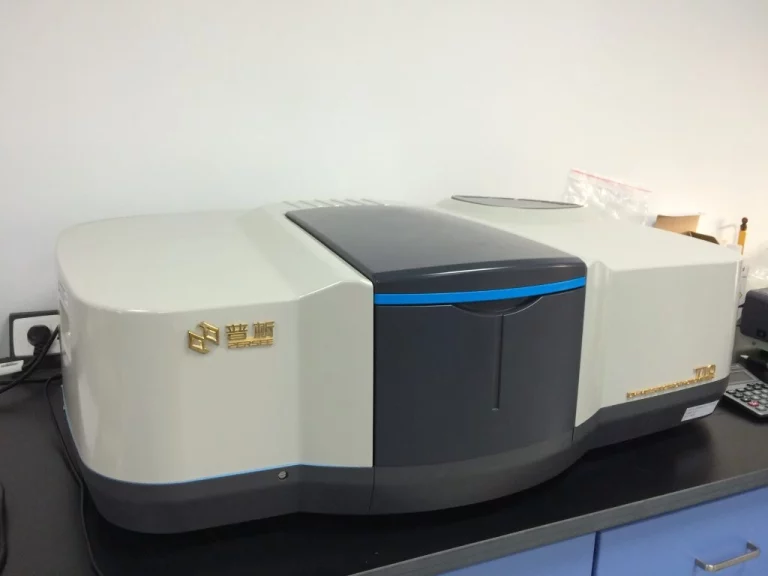
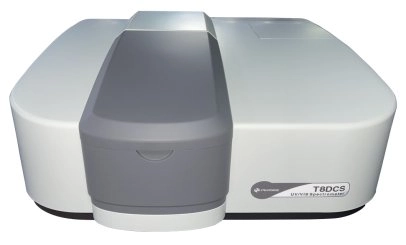
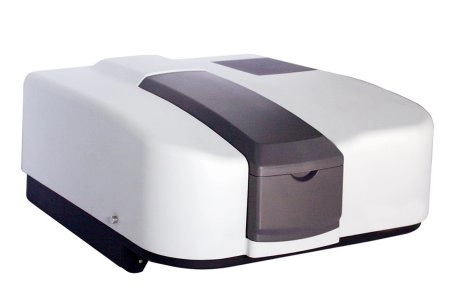
In our efforts at PERSEE, we create modern UV-Vis spectrophotometers such as the T7D UV-Vis. These tools offer strong photometric precision and steady wavelengths. Many environmental monitoring and testing labs use them. Accurate measurement is key to managing resources in a lasting way.
Advantages Over Other Analytical Techniques
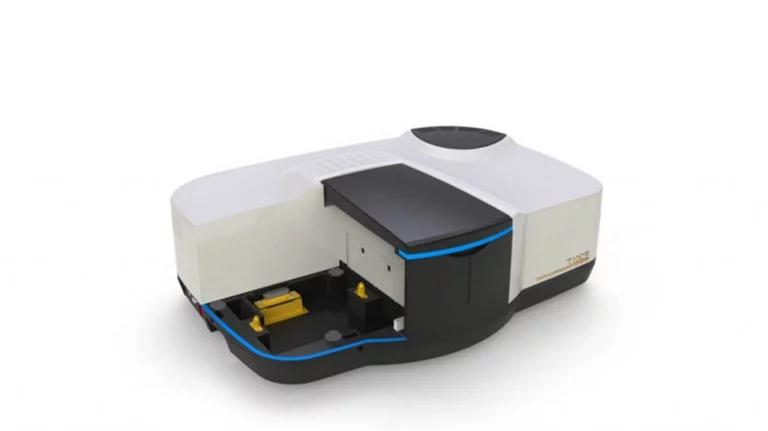
Spectrophotometry has many benefits compared to other testing methods. It does not harm the sample, needs little preparation, and handles several samples quickly. The T7 stands out as a strong split-beam scanning spectrophotometer, and it comes with an adjustable spectral bandwidth. This feature brings fresh ideas to how the instrument works, along with its mechanical and optical setup. Such a design allows for fast processing while keeping dependability in various sample types, and these range from wastewater outputs to runoff from farms. Plus, its reasonable price fits well for regular checks by government offices and private labs alike.
Analyzing Nitrates in Water Using Spectrophotometry
Keeping track of nitrate amounts is essential since too much nitrogen can upset water ecosystems. Spectrophotometric methods offer a quick way to measure these particles through their clear light absorption in the UV area.
Principles of Nitrate Detection
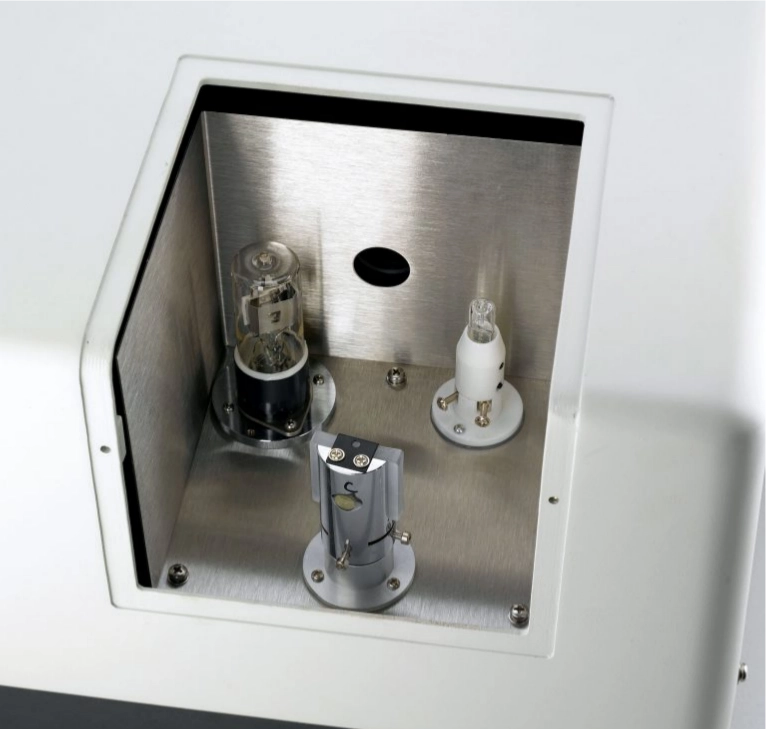
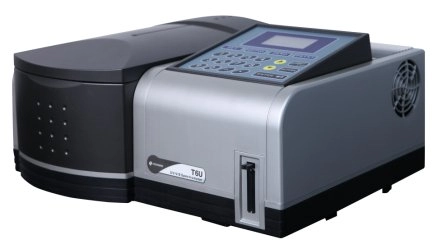
Nitrates take in light strongly near 220 nm. For this reason, UV-Vis spectrophotometers help measure their levels using Beer–Lambert’s law. These devices handle visible light or ultraviolet light, reaching down to about 190 nm. To set up calibration curves, people use known solutions. This builds straight-line links between absorbance and concentration. Tools like our T6U UV-Vis rely on deuterium and tungsten lamps. These provide excellent steadiness over this light range. Thus, they give steady outcomes even when concentrations are very low.
Environmental Impact of Nitrates
High nitrate levels speed up eutrophication. This process boosts algal growth that uses up oxygen in water systems, and it also brings health dangers to people if drinking water exceeds safe limits. Ongoing checks with trusted spectrophotometric setups let experts spot issues early. In turn, they can act to prevent harm to nature before it worsens.
Phosphate Analysis via Spectrophotometry
Phosphates act as another important nutrient that affects water quality. Measuring them with color-based methods boosts sensitivity. At the same time, it keeps the process straightforward.
Methods for Phosphate Detection
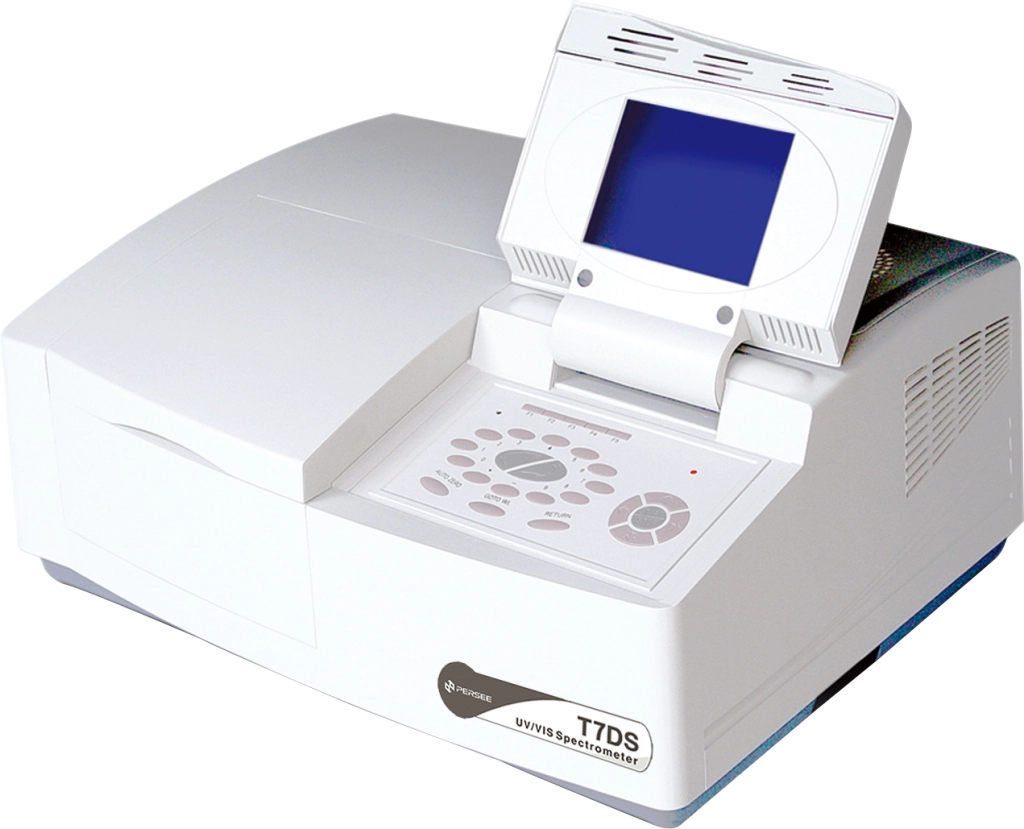
Color tests using the molybdenum blue approach are still the common choice. This reaction creates a blue compound that you can measure at visible light wavelengths. Dual-beam spectrophotometers, such as the T7DS UV-Vis, handle this well. The core part of the spectrophotometer performs photometric checks, quantity assessments, spectrum scans, DNA/Protein analysis, and data printing. Its holographic grating setup cuts down on unwanted light scatter, which leads to precise readings of color strength, even at tiny levels like micrograms per liter. Such accuracy matters greatly for checking treated wastewater or farm runoff.
Significance of Monitoring Phosphates
Too much phosphorus sparks bad algal blooms, and these blooms reduce oxygen in water and release poisons into streams. Routine phosphate tests aid in handling nutrients in farm areas and city sewage systems. Our instruments include built-in auto-calibration features. Because of this, they deliver steady performance that matches global environmental guidelines.
Chemical Oxygen Demand (COD) Measurement with Spectrophotometry
Aside from nutrients, organic waste poses a big issue for water quality reviews. COD acts as a sign of organic content levels. It shows the risk of oxygen loss as microbes break down materials.
Understanding COD as an Indicator of Water Quality
COD measures the oxygen needed to break down organic pollutants in water through chemical means. Elevated COD points to pollution from factory waste or home sewage. Dependable testing helps judge how well wastewater treatment works. It also ensures the following rules for releasing water.
Spectrophotometric Techniques for COD Analysis
In the past, COD came from titration with dichromate chemicals. Now, it has shifted to fast spectrophotometric ways. These checks absorbance shifts after oxidation steps. Long ago, spectrophotometry started with studies of visible light spread by wavelength using a glass prism. Today’s double-beam models allow reference checks at the same time, which cuts mistakes from cloudy reagents or background hues. As a result, you get quicker answers without losing reliability.
Introduction to PERSEE as a Reliable Manufacturer
Al Persee, we have spent over thirty years improving analytical tools. Our focus lies in new ideas for optical setups and exact engineering. Started in 1991 as Beijing Purkinje General Instrument Co., Ltd., we stand as a current high-tech company. We specialize in researching, building, making, and selling scientific devices. Our approvals cover ISO9001 for quality control and ISO14001 for environmental systems. These make sure each item follows strict global rules.
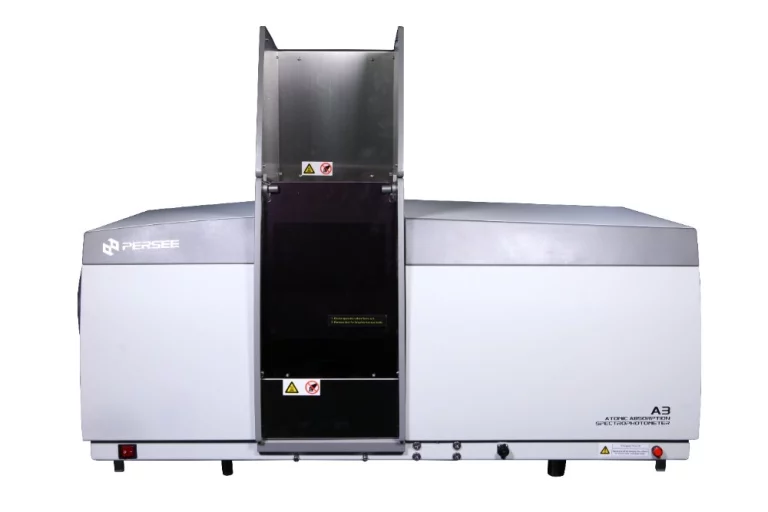
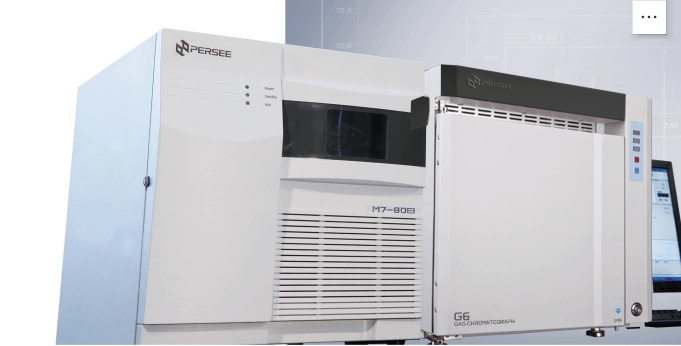
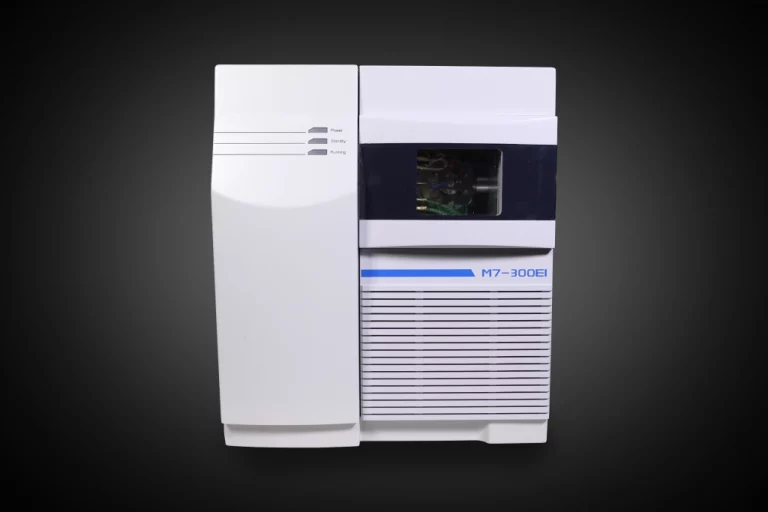
We provide a broad selection of tools, including molecular spectrometers like the TU series UV-Vis models (TU500–TU700). There are also atomic absorption units, such as the AA990F series, for spotting trace metals. Our lineup includes chromatographic devices like the M7 Quadrupolo singolo GC-MS. Plus, we have FTIR analyzers for full chemical reviews. These serve fields from environmental care to drug making and teaching around the world.
Our goal goes further than just building products. We seek to equip labs with solid instruments that boost scientific findings. At the same time, we back lasting growth aims through accurate checks on the environment.
Conclusione
Spectrophotometry remains one of the strongest testing methods for spotting environmental pollutants. Its strengths include precision, flexibility, and low cost. From measuring nitrates to following phosphates and assessing COD, it forms the base of almost every current water quality program. A spectrophotometer serves as a complex lab tool with uses in many scientific areas. Through ongoing new developments in our products—from small desk units to advanced double-beam types—we keep helping create safer water supplies worldwide. This effort builds on years of work to refine techniques that matter for both nature and people. For full details on features or advice on tailored testing options for your lab, reach out to us via the support section on our main website.
Domande frequenti
Q1: What are the main applications of spectrophotometry in environmental testing?
A1: Spectrophotometry mainly detects nitrates, phosphates, heavy metals (through atomic absorption), and organic compounds that add to COD in water samples. It proves useful in these tasks because of its speed and detail.
Q2: How does spectrophotometry compare to other analytical methods?
A2: It gives fast outcomes with basic sample prep, while holding high accuracy. In contrast to chromatography, which needs elaborate arrangements, spectrophotometry suits affordable daily checks for ongoing programs. This makes it a practical choice for many settings.
Q3: Why is it important to monitor nitrates and phosphates in water bodies?
A3: These nutrients push eutrophication, causing algal blooms that damage aquatic life. Such monitoring allows timely steps to guard both wildlife variety and human well-being. Without it, problems can grow unchecked, affecting larger areas over time.