As we approach 2026, spectroscopy undergoes a swift change fueled by shifting analytical needs in materials science, pharmaceuticals, and life sciences. Labs now prioritize accuracy, automation, and eco-friendliness to handle increasing research challenges. A spectrophotometer serves as a key analytical device in nearly every chemical, biological, or life science lab. This tool varies from a basic single-beam model to dual-beam versions or even advanced, highly automated systems. Its core importance has grown with digital links and smart algorithms that support reliable measurements and smooth data handling.
Our company views this change as a chance to reshape lab productivity via cutting-edge spectrophotometric tools that blend automation with strong optical capabilities. We concentrate on creating devices that satisfy regulatory checks and fit with green lab practices.
The Role of Technological Innovation in Future-Proofing the Lab
Ongoing progress stays vital for keeping labs adaptable in changing research settings. Digital shifts allow instant data exchange, distant device control, and better tracking. Automation cuts down on human mistakes and boosts output, which is relevant greatly for labs dealing with many samples. For analysts to trust the operation and accuracy of a spectrophotometer, they need assurance that essential functions like linearity, wavelength, bandwidth, and stray light perform at their best. These factors set current quality standards that labs will depend on into 2026.
Trend 1: AI-Powered Data Processing and Predictive Analytics
Artificial intelligence alters the way labs process spectral information. Machine learning methods spot irregularities in tricky spectra quicker than hand-done approaches, and they boost calibration reliability across various instruments. Predictive analytics built into newer spectrophotometers foresee upkeep demands before issues arise. When paired with cloud databases, these features help labs achieve steady results over worldwide setups.
Benefits for Laboratory Efficiency and Accuracy
Tools boosted by AI cut back on hands-on work, so researchers can emphasize experiment planning instead of routine data checks. Automatic sorting speeds up reviews without losing exactness. Better pattern spotting aids multi-part breakdowns, which is key for drug tests where absorption overlaps, demanding skilled separation methods.
Trend 2: Miniaturization and Portable Spectrophotometers
Shrinking device sizes keep transforming on-site spectroscopy. New developments in optical parts let compact units match the output of larger benchtop ones. Wireless links enable quick field data collection with cloud storage ties for prompt team teamwork. Handheld spectrophotometers grow more essential in environmental checks, food quality tests, and drug control. They support direct analysis with little sample prep, which shortens wait times and shipping expenses while upholding test reliability.
Trend 3: Multi-Technique Integration for Comprehensive Analysis
Future labs will use combined systems that merge UV-Vis, atomic absorption, and fluorescence spectroscopy into single setups. Atomic absorption and emission spectrophotometers typically detect elements and gauge their amounts. This merging lets researchers link molecular makeup with element details without hassle. Multi-mode devices widen analysis scope while cutting extra gear needs. Validation across methods builds trust in handling tough samples like body fluids or mixed materials, which improves both savings and test strength.
Trend 4: Sustainable Design and Green Analytical Chemistry
Eco-friendliness shapes choices in lab buying. Power-saving builds lower running emissions, and safe solvents cut chemical waste. Manufacturers now use reusable parts in device casings without harming optical sharpness or building toughness. Global eco rules push labs toward green gear that matches chemistry principles. Following them boosts a lab’s image and unlocks funds for green projects, a big plus for schools updating setups for zero-waste aims.
Trend 5: Cloud-Based Data Management and Remote Collaboration
Cloud networks form the core of team research links. Central storage offers safe entry rules while allowing joint analysis from multiple spots. Distant oversight lets staff handle devices from afar, which eases upkeep plans and calibration watches. Autosaves protect ongoing work from loss, and blockchain tracking confirms the truth of results in spread-out efforts. Such digital bases build open science teamwork through 2026.
PERSEE: Advancing Analytical Precision Through Innovation
As a worldwide leader in scientific tools since 1991, Persan merges tech skills with real-world advances in spectroscopy options. We focus on building dependable, sharp instruments for experts in the pharmaceuticals, environmental sciences, food safety, agriculture, and petrochemical fields. Our research-led method has gained several global approvals, including ISO9001 for quality control and CE marks for safety.
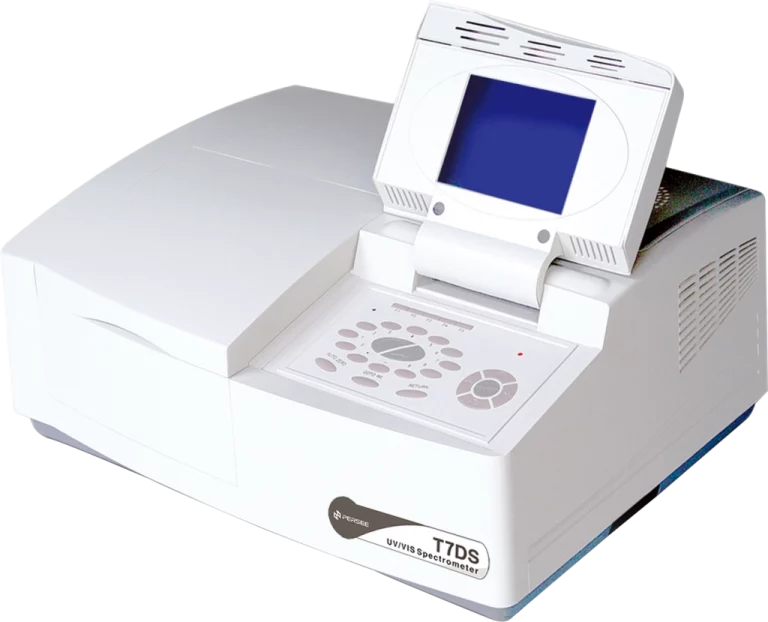
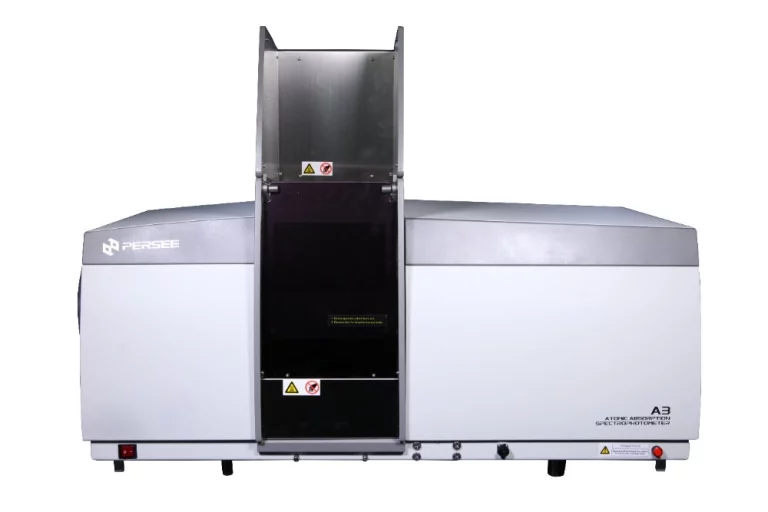
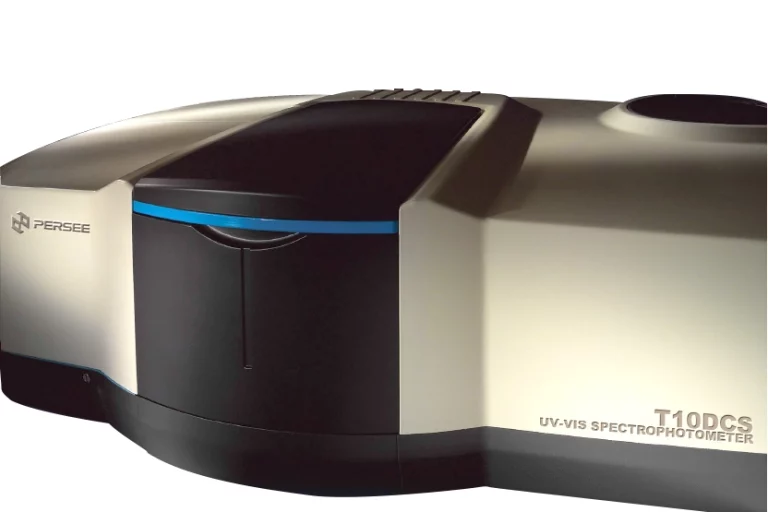
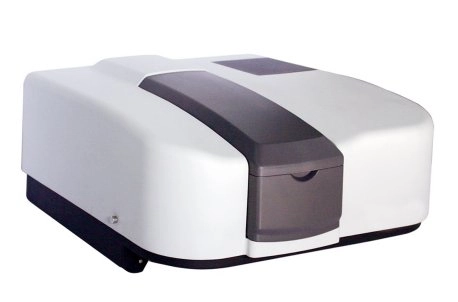
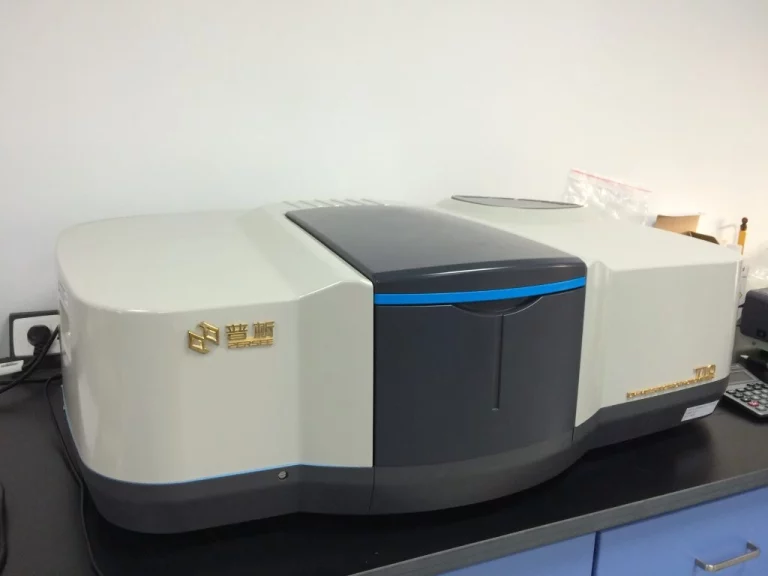
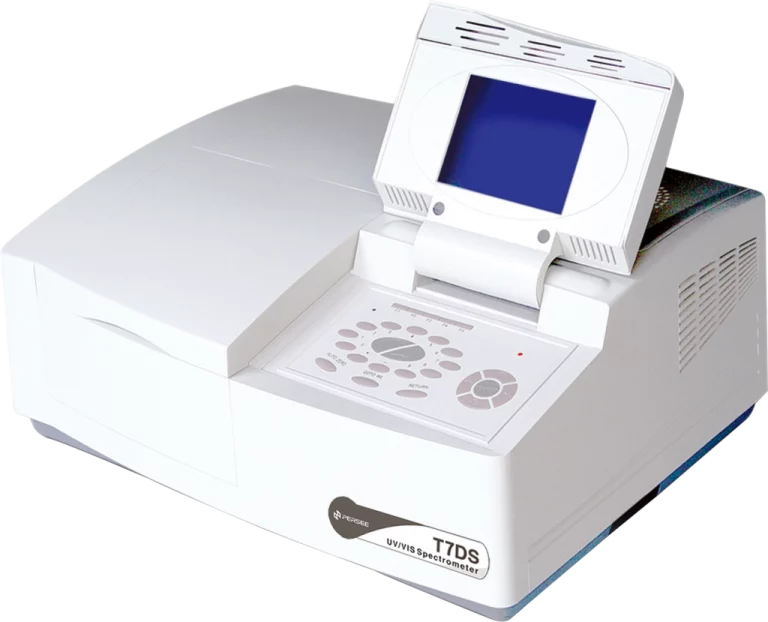
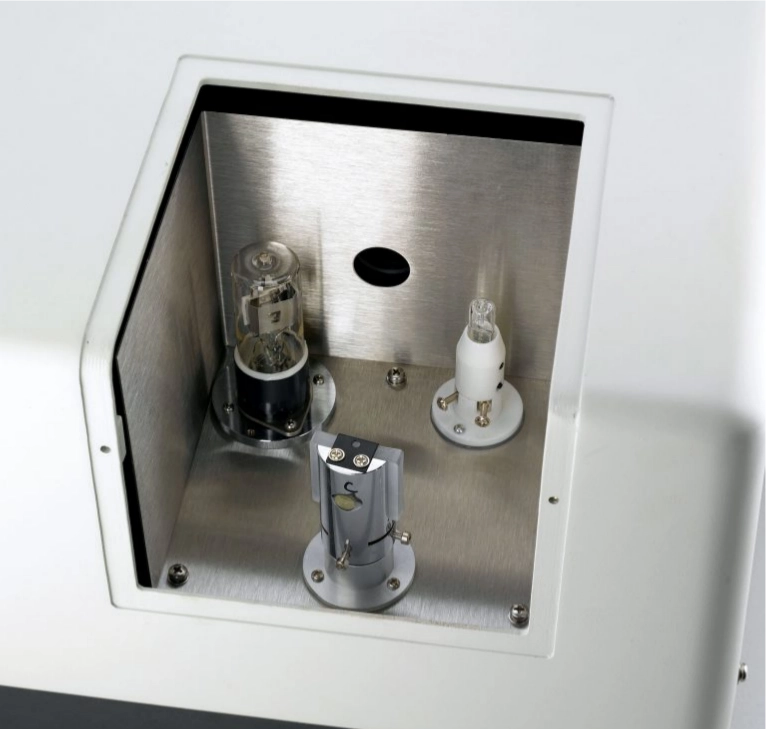
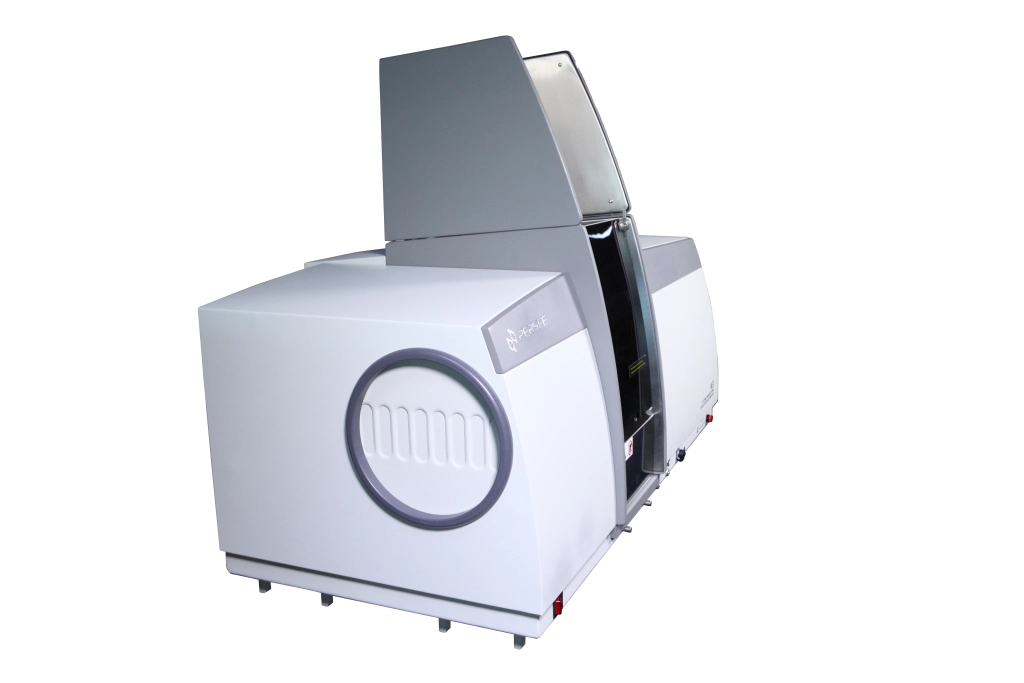
Our lineup features strong types like the T8DCS UV-VIS spectrophotometer, which has a real double-beam optical setup with a photomultiplier detector for top sensitivity over bandwidths from 0.1 to 5 nm; the T9dcs uv-vis spectrophotometer, built with very low stray light (≤0.00004% T NaI at 220 nm) for a wide light measure range; the T10DCS UV-Vis system with nitrogen-purged optics for deep UV uses; and the A3F atomic absorption spectrometer with flexible flame setups improved by AA-Win software for exact element counts in environmental or drug samples.
Every type includes user-friendly software that supports remote control via Wi-Fi while meeting GMP setup rules (IQ/OQ/PQ). Via our site’s global support web, labs get tech help for steady top performance no matter their location.
Conclusion
Spectroscopy steps into a changing time marked by artificial intelligence ties, size reductions, green efforts, mixed analysis platforms, and cloud teamwork systems. Labs that take up these advances will gain better productivity, finer accuracy, and lasting flexibility as we head into 2026’s lively science world.
FAQ (questions fréquentes)
Q1: How will AI integration improve the performance of spectrophotometers?
A1: AI boosts performance by automating spectral reads, keeping calibrations steady across tools, predicting upkeep before breaks, and reducing hand errors in large analyses.
Q2: What advantages do portable spectrophotometers offer compared to traditional benchtop models?
A2: Portable models give freedom for field tasks like eco reviews or food checks by allowing fast on-spot reads without much sample movement or prep.
Q3: Why should laboratories consider PERSEE instruments for future-proofing their spectroscopy capabilities?
A3: Our instruments mix exact builds with digital smarts, offering dependability, growth potential, and rule-following backed by full global aid reachable through our site’s contact spot, inviting pros to connect via the “Contact Us” page.