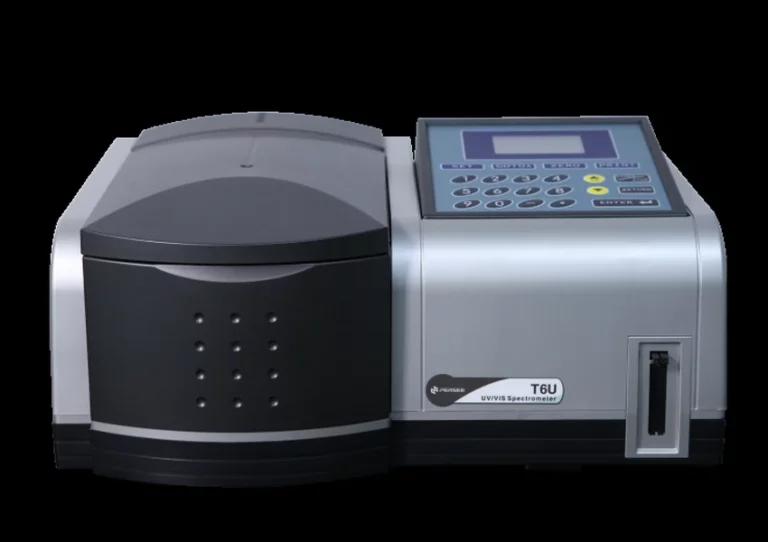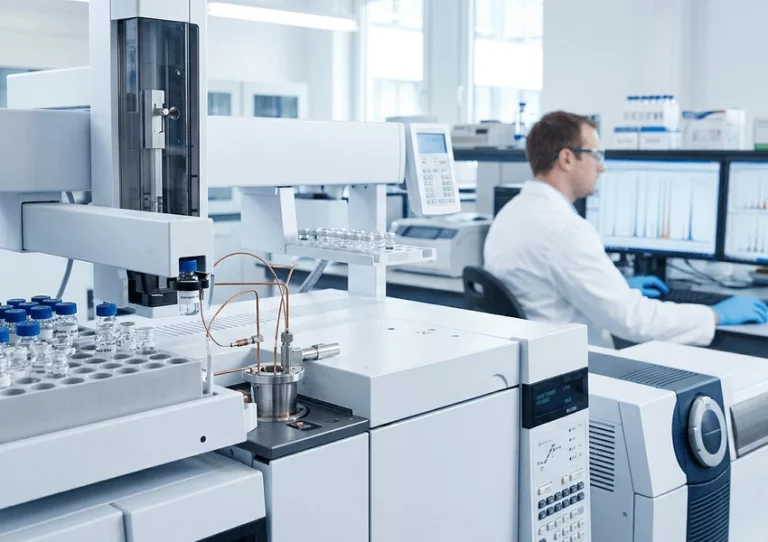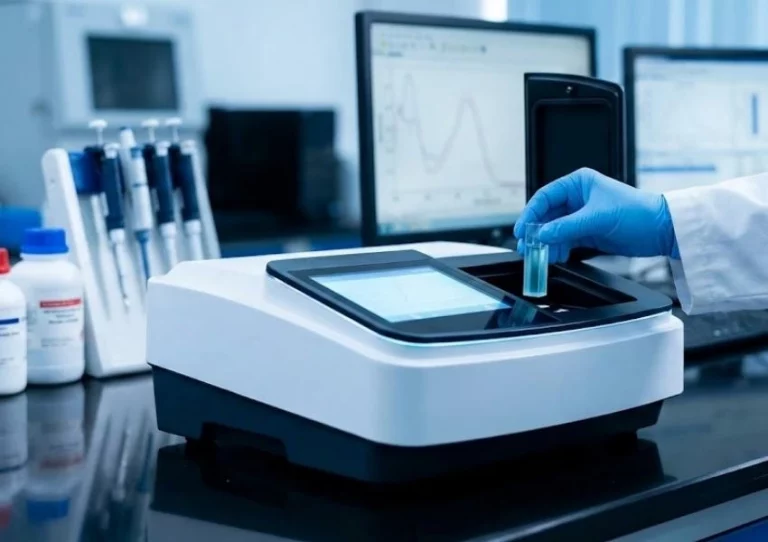
يُعدّ اختبار المواد بالغ الأهمية لتحسين أداء الألواح الشمسية، إذ تتحكم نقاوة أشباه الموصلات وخصائصها الضوئية بشكل مباشر في كفاءة الخلايا الكهروضوئية. يكشف التحليل الطيفي عن العناصر غير المرغوب فيها، والعيوب، ومسارات الانهيار، التي قد تعيق حركة الشحنات أو امتصاص الضوء. ويُعدّ جهاز قياس الطيف الضوئي أداة تحليلية أساسية، وهو متوفر في معظم مختبرات الكيمياء، والأحياء، وعلوم الحياة. قد يكون هذا الجهاز بسيطًا أحادي الشعاع، أو ثنائي الشعاع، أو حتى جهازًا عالي الأتمتة. وينطبق هذا المبدأ الأساسي أيضًا على فحص مواد الألواح الشمسية، حيث يضمن الفحص البصري الدقيق تجانس دفعات الإنتاج المختلفة، كما يُثبت مطابقة نماذج البحث مع وحدات المصانع الكبيرة.
التحديات في أساليب اختبار المواد الشمسية التقليدية
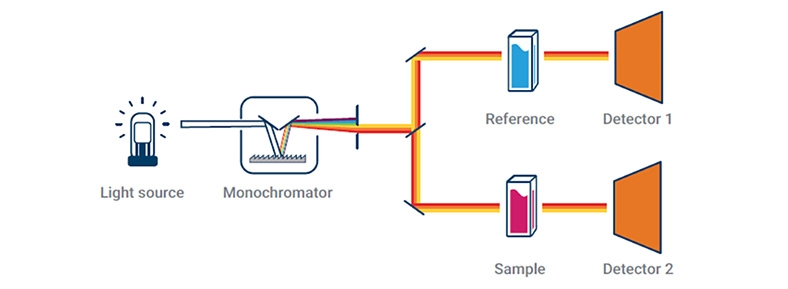
غالبًا ما تواجه أنظمة الحزمة المفردة القديمة قيودًا تؤثر سلبًا على الدقة. يتكون جهاز قياس الطيف الضوئي، في أبسط صوره، من أجزاء رئيسية قليلة، تشمل مصدر الضوء، وموحد اللون، وحجرة العينة، وكاشف التحليل. تحتوي الحجرة على العينة المراد فحصها. مع ذلك، غالبًا ما تعاني هذه الأجهزة الأساسية من انحراف خط الأساس، نتيجة لتغير سطوع المصباح أو حساسية الكاشف بمرور الوقت. يؤدي إجراء المعايرة اليدوية إلى أخطاء تعتمد على المستخدم. كما أن انخفاض الدقة الطيفية قد يخفي اختلافات طفيفة بين المواد ذات الخصائص البصرية المتشابهة. تتفاقم هذه المشاكل عند فحص أشباه الموصلات الرقيقة أو طبقات البيروفسكايت، حيث تؤثر حتى التغيرات الطفيفة بشكل كبير على الكفاءة النهائية.
وظائف ومزايا أجهزة قياس الطيف الضوئي للأشعة فوق البنفسجية والمرئية ذات الحزمة المزدوجة
للتغلب على هذه المشاكل، أصبحت أجهزة قياس الطيف الضوئي للأشعة فوق البنفسجية والمرئية ذات الحزمة المزدوجة أدوات أساسية لاختبار المواد الشمسية. فهي تقيس كلاً من حزمة المرجع وحزمة العينة في الوقت نفسه تمامًا. يتيح هذا الإجراء إجراء تصحيحات دقيقة للغاية لأي انحراف في الجهاز، كما يعزز بشكل كبير استقراره أثناء عمليات الاختبار الطويلة.
المبادئ الأساسية لتحليل الطيف الضوئي للأشعة فوق البنفسجية والمرئية باستخدام حزمة مزدوجة
يقسم نظام الحزمة المزدوجة الضوء من مصدر واحد إلى مسارين منفصلين. يمر أحدهما عبر العينة، بينما يمر الآخر عبر خلية مرجعية. يتيح هذا التصميم الذكي ضبط نسب مستويات الضوء المار في الوقت الفعلي. يقوم مقطّع دوّار بتقسيم طاقة أو حزمة الضوء من المصدر، محولاً إياها إلى حزمة مرجعية وحزمة عينة. يقارن النظام باستمرار بين هاتين الإشارتين، مما يُمكّنه من التعويض بسهولة عن أي تغييرات في قدرة المصباح أو استجابة الكاشف. ونتيجة لذلك، تظل قراءات الامتصاص مستقرة للغاية، حتى خلال جلسات المراقبة الطويلة. تُعد هذه ميزة كبيرة عند فحص المواد تحت ضوء الشمس المُحاكى.
المزايا الرئيسية لتحليل المواد الشمسية
توفر أنظمة الأشعة فوق البنفسجية والمرئية ثنائية الحزمة فوائد كبيرة في مهام البحث المتعلقة بالخلايا الكهروضوئية. فدقة الطول الموجي المحسّنة تساعد في فحص فجوة النطاق العميقة. كما أن نسبة الإشارة إلى الضوضاء الأفضل تسهل رصد التحولات الإلكترونية الضعيفة. علاوة على ذلك، تضمن عمليات تثبيت خط الأساس الثابتة إمكانية تكرار النتائج خلال الاختبارات الطويلة. مطياف الأشعة فوق البنفسجية والمرئية T8DCS يُبرز هذا الجهاز أداءه المتميز على أكمل وجه. فهو يستخدم نظامًا بصريًا ثنائي الحزمة حقيقيًا، مقترنًا بنظام تحكم إلكتروني ذكي لضمان استقرار عالٍ وضوضاء خلفية منخفضة للغاية. يُعدّ T8DCS مطيافًا ضوئيًا ثنائي الحزمة عالي الأداء، يتميز بنطاق طيفي قابل للتحديد باستمرار يتراوح من 0.1 إلى 5 نانومتر. تتيح هذه المرونة للباحثين ضبط النطاقات الطيفية بدقة متناهية لمختلف مواد أشباه الموصلات.
تطبيقات أجهزة قياس الطيف الضوئي للأشعة فوق البنفسجية والمرئية في اختبار الألواح الشمسية
توفر مطيافية الأشعة فوق البنفسجية والمرئية تفاصيل واضحة ومعتمدة على الأرقام حول كيفية تفاعل المواد الشمسية مع الضوء. وتُعد هذه المعلومات أساسية لتعزيز كفاءة التحويل.
تقييم خصائص الامتصاص والنفاذية الضوئية
يُظهر القياس الدقيق لأطياف الامتصاص مدى كفاءة المواد في التقاط الفوتونات، ويشمل ذلك نطاقًا واسعًا من الأشعة فوق البنفسجية إلى الضوء المرئي. تُساعد هذه البيانات في تحديد سُمك الطبقة الأمثل لالتقاط أكبر قدر من الطاقة، كما تُساهم في تقليل فقدان الانعكاس. يُمكنك بسهولة تحديد تركيز المادة المراد تحليلها في المحلول، وذلك باستخدام خصائص الامتصاص أو النفاذية للمادة بناءً على طول موجتها. في تطبيقات الطاقة الشمسية، يعني هذا فحص الطلاءات المضادة للانعكاس، بالإضافة إلى اختبار أكاسيد موصلة شفافة تُستخدم في تصميم الخلايا الشمسية.
تحديد طاقة فجوة النطاق باستخدام أنظمة الأشعة فوق البنفسجية والمرئية ذات الحزمة المزدوجة
يُعدّ تحديد طاقة فجوة النطاق أمرًا أساسيًا وضروريًا لاختيار أزواج أشباه الموصلات المناسبة. يجب أن تتناسب هذه الأزواج مع تركيبات محددة مثل الخلايا الترادفية أو وحدات الأغشية الرقيقة. يمكن للباحثين دراسة حافة الامتصاص بدقة باستخدام أجهزة ذات دقة طيفية عالية. ومن الأمثلة الجيدة على ذلك... مطياف الأشعة فوق البنفسجية والمرئية T9DCSباستخدام هذه الأداة، يمكنهم تحديد قيم فجوة النطاق بدقة. تساعد هذه القيم في مطابقة نتائج الاختبارات الفعلية مع النماذج النظرية. يوفر التصميم البصري لـ T9DCS خصائص إضاءة متشتتة منخفضة للغاية (≤0.00004%TNaI220nm). وهذا يسمح بنطاق قياس ضوئي واسع جدًا (-8.0 إلى 8.0Abs). تُعد هذه الميزة بالغة الأهمية عند التمييز بين المواد الماصة ذات فجوة النطاق الضيقة. وتُعد هذه المواد الماصة شائعة في تصميمات البيروفسكايت-السيليكون الهجينة الجديدة.
مراقبة التدهور والتقادم في المواد الشمسية
تُعدّ أجهزة قياس الطيف الضوئي للأشعة فوق البنفسجية والمرئية أدوات تشخيصية مفيدة، إذ تراقب كيفية تدهور المواد في ظل ظروف التقادم السريع. ويمكن للمستخدمين تتبع تغيرات أطياف الامتصاص بمرور الوقت، ما يُتيح لهم رصد العلامات المبكرة للصدأ أو التلف الناتج عن الضوء، والكشف عن هذه المشكلات قبل حدوث التلف المادي الفعلي بفترة طويلة. وتُسهم هذه البيانات الرقمية الواضحة في توجيه تحسينات التركيبات، بهدف إطالة عمر الألواح الشمسية، وهو عامل رئيسي يؤثر على التكلفة المُعدّلة للكهرباء.
دمج تقنية الأشعة فوق البنفسجية والمرئية ذات الحزمة المزدوجة في عمليات مراقبة الجودة
في قطاع تصنيع الطاقة الشمسية اليوم، يُعدّ دمج الأنظمة التحليلية في عمليات التشغيل الآلية خطوة ذكية. فهي تضمن الحصول على نتائج متطابقة عبر مختلف خطوط الإنتاج، كما تُسهم في تقليل ساعات العمل الضائعة.
تحسين إمكانية التكرار في بيئات الاختبار الصناعية
تتضمن الأجهزة المتطورة خطوات معايرة آلية مدمجة، مما يقلل من الأخطاء البشرية ويضمن اتساق النتائج بين العديد من الوحدات العاملة في المصنع في الوقت نفسه. وكجميع الأجهزة، تحتاج هذه الأجهزة إلى فحص وتحقق دوريين. وتتيح ميزات مشاركة البيانات ربطًا سلسًا مع أنظمة إدارة معلومات المختبرات (LIMS)، مما يُسهّل تتبع الخطوات وحفظ سجلات الامتثال، وهي عناصر أساسية عند اعتماد وحدات الخلايا الكهروضوئية وفقًا للمعايير العالمية.
دعم البحث والتطوير من خلال التحليل البصري المتقدم
بالإضافة إلى مراقبة الجودة الأساسية، تعمل أنظمة الشعاع المزدوج على تسريع أعمال البحث والتطوير. فهي تتيح إجراء فحوصات سريعة للخلطات الجديدة خلال الاختبارات الأولية. مطياف الأشعة فوق البنفسجية والمرئية T10DCS يأتي هذا الجهاز مزودًا بنظام بصري ثنائي الحزمة وموحد اللون. يوفر هذا النظام إضاءة متشتتة منخفضة للغاية (0.00004%T عند 220 نانومتر). ويغطي نطاقًا واسعًا من الأطوال الموجية يتراوح بين 185 و900 نانومتر. كما يتميز بإمكانية التطهير بالنيتروجين، مما يجعله مثاليًا لدراسة التغيرات في نطاق الأشعة فوق البنفسجية العميقة. وتُعد هذه التغيرات بالغة الأهمية للمواد الجديدة ذات فجوة النطاق الواسعة، مثل أغشية نتريد الغاليوم (GaN) أو أكسيد الزنك (ZnO) المستخدمة في الأجهزة عالية الكفاءة.
بيرسي: شركة مصنعة موثوقة للأجهزة التحليلية لأبحاث الطاقة الشمسية
عند برسيهدفنا الرئيسي هو الارتقاء بدقة التحليل إلى مستويات جديدة. نحقق ذلك من خلال أفكار مبتكرة في تكنولوجيا التحليل الطيفي. نحن شركة حديثة ذات تقنية عالية، نجمع بين البحث والتطوير والتصنيع وبيع الأجهزة العلمية. كل جهاز نصنعه مصمم لضمان الاستقرار، بدءًا من أجهزة قياس الطيف الجزيئي وصولًا إلى أنظمة الكروماتوغرافيا. تتكامل أجهزتنا بسهولة مع سير العمل المختبري في جميع أنحاء العالم. توفر شبكتنا العالمية دعمًا فنيًا سريعًا وبرامج تدريبية فعّالة. كما نقدم خدمة سريعة مصممة خصيصًا لمجموعات البحث وعملاء المصانع على حد سواء، والذين يسعون جميعًا إلى تحقيق نمو متميز في مجال الطاقة الشمسية.
قد يرغب الباحثون في الحصول على نصائح حول إضافة أدوات التحليل الطيفي المتقدمة إلى مشاريعهم. ندعوهم للتواصل معنا عبر منصتنا. صفحة الاتصالهناك، يقدم فريق الخبراء لدينا نصائح قيّمة. فهم يساعدون المستخدمين على اختيار أفضل الإعدادات بناءً على احتياجاتهم الاختبارية الدقيقة.
خاتمة
تُشكل أجهزة قياس الطيف الضوئي بالأشعة فوق البنفسجية والمرئية ذات الحزمة المزدوجة أساسًا تحليليًا متينًا، مما يُعزز الدقة والتكرارية والموثوقية في جميع مراحل اختبار الألواح الشمسية. تستطيع هذه الأدوات رصد أدق التغيرات البصرية، مما يُتيح للعلماء تحسين المواد الكهروضوئية بشكل ملحوظ، ويُسهم هذا التقدم في رفع كفاءة هذه المواد، فضلًا عن إطالة عمرها في عالم الطاقة المتجددة سريع التطور.
أسئلة متكررة
س1: كيف يحسن مطياف الأشعة فوق البنفسجية والمرئية ذو الحزمة المزدوجة الدقة مقارنة بالأنظمة ذات الحزمة الواحدة؟
أ1: يقوم نظام الحزمة المزدوجة بفحص العينة والمرجع في آن واحد. هذا الإجراء يوازن أي تغييرات في سطوع المصباح أو حساسية الكاشف. ونتيجة لذلك، تحصل على قراءات امتصاص أكثر ثباتًا مع مرور الوقت.
س2: لماذا يعتبر التحليل الطيفي للأشعة فوق البنفسجية والمرئية ضروريًا في اختبار الألواح الشمسية؟
ج٢: يقدم هذا التقرير تفاصيل بالغة الأهمية حول عادات الامتصاص وكفاءة النقل، كما يوضح خصائص فجوة النطاق. وتؤثر جميع هذه العوامل بشكل مباشر على كفاءة تحويل الطاقة الكهروضوئية.
س3: ما الذي يجعل هذه الأجهزة مناسبة لتحليل المواد الشمسية؟
ج٣: تجمع هذه الأجهزة بين دقة طيفية عالية وميزات تصميم قوية، تشمل تصحيحًا تلقائيًا للطول الموجي ومستويات منخفضة للغاية من الضوء الشارد. يضمن هذا المزيج الحصول على القياسات الدقيقة اللازمة لأبحاث الطاقة الشمسية الحالية، وفي الوقت نفسه، يحافظ على تشغيل الأجهزة بكفاءة عالية خلال دورات استخدام طويلة جدًا.