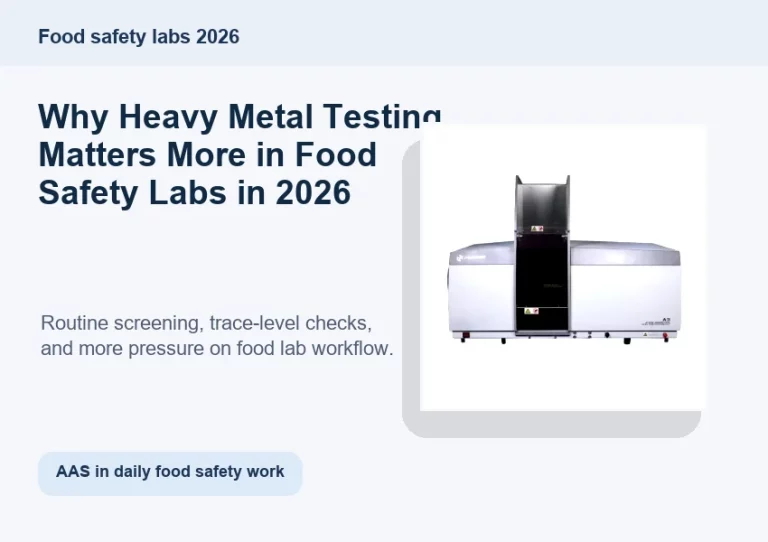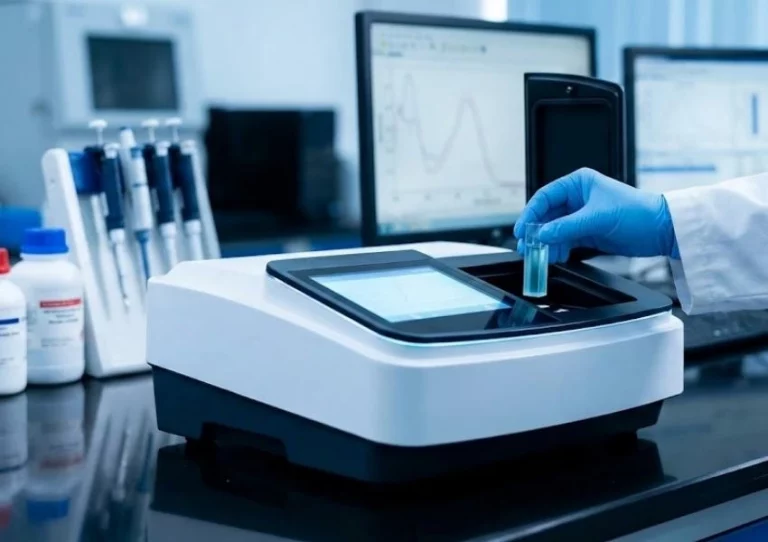
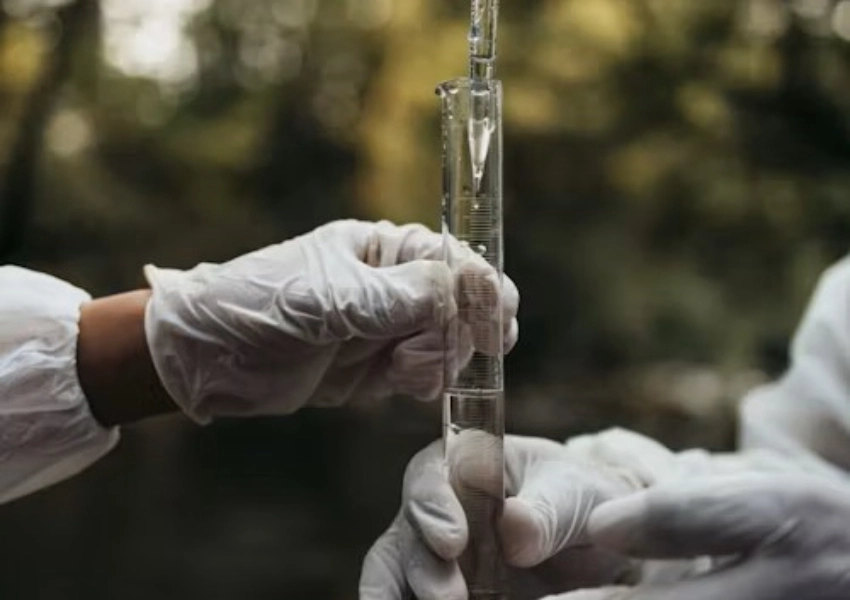
A water lab does not get much room for vague results. One sample may come from a drinking water network, another from a river after heavy rain, and a third from wastewater leaving an industrial site. The matrix changes. The reporting pressure does not. For metals such as lead, cadmium, copper, manganese, sodium, potassium, calcium, and magnesium, an atomic absorption spectrophotometer remains a practical workhorse because it measures elements directly, with a method path many analysts already know.
The appeal is fairly simple. Atomic absorption spectroscopy water analysis can be tuned for routine mineral work, trace metal analysis, and follow-up checks when a water sample looks suspicious. It is not the only elemental technique in a modern lab, and it is not meant to be. Its strength is a clear fit between method, sample, and daily workload.
Why AAS Still Has a Place in Water Labs
Water quality testing often starts with a small set of practical questions. Which metals need to be measured? Are they present at normal mineral levels or near a tight reporting limit? Does the lab mainly handle clean drinking water, or does it also see surface water, storm runoff, brine, and wastewater? The answers decide whether a flame, graphite furnace, or a combined system makes sense.
AAS works by atomizing the element and measuring the absorption of characteristic radiation from a hollow cathode lamp. In a suitable concentration range, absorbance rises with element concentration. That direct relationship is one reason the technique has stayed useful in routine labs. It gives analysts a familiar calibration workflow without forcing every water sample into a heavier, more expensive platform.
Flame Work For Mineral And Higher-Level Checks
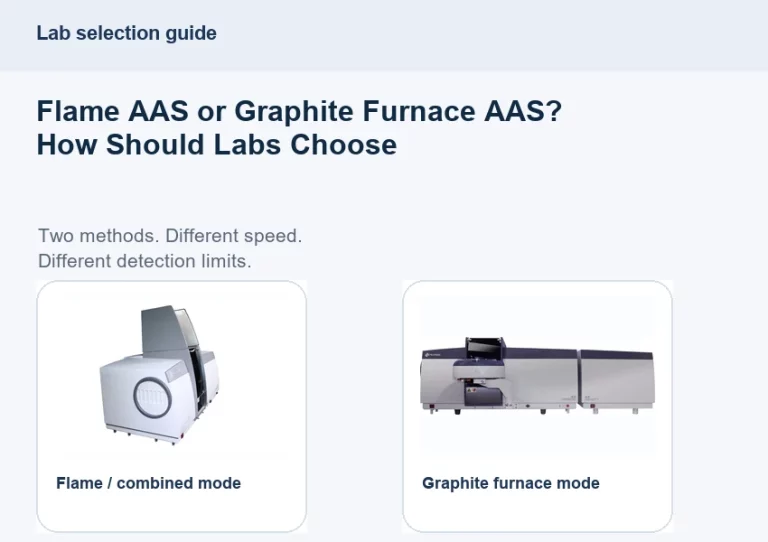
Flame atomic absorption suits many higher-level measurements. Calcium and magnesium hardness checks, sodium and potassium monitoring, copper in some process waters, and other routine mineral tests often fit a flame workflow. Air-acetylene flame is the standard setting for many elements. N₂O-acetylene may be needed for elements that are harder to atomize, while air-propane or LPG can help with alkali metals in emission mode when acetylene supply is difficult.
Graphite Furnace Work For Trace Metals
Graphite furnace AAS is the more natural choice when heavy metals in water are near low reporting limits. Lead and cadmium are the usual examples. Instead of feeding a continuous aerosol into a flame, the sample is introduced into a graphite tube, dried, ashed, and atomized by a controlled heating program. That slower rhythm is often worth it when trace-level sensitivity matters more than speed.
Sample Type Changes The Instrument Choice
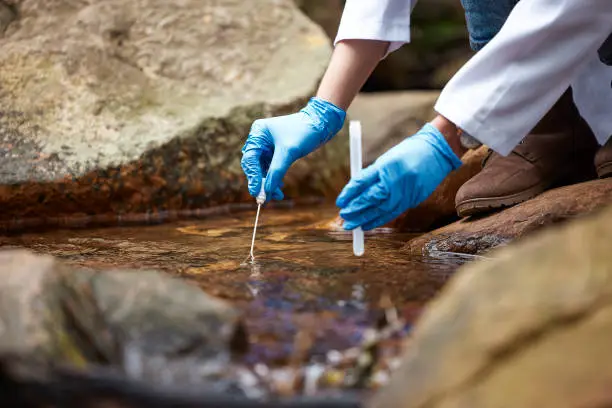
Water looks simple in the bottle, but it rarely behaves as a single matrix. Drinking water may be clean enough for a well-controlled trace metals method. Surface water can bring dissolved organic matter, suspended solids, and seasonal variation. Wastewater may carry salts, acids, detergents, or industrial residues. Brines and high-salt samples ask for even more care because matrix effects can distort the measurement if the method is not built around them.
That is why sample preparation sits next to instrument selection, not behind it. For dissolved metals, filtration and acid preservation may be part of the lab routine. For total recoverable metals, digestion becomes more important. Lead in drinking water and lead or cadmium in surface water are handled by graphite furnace AAS after appropriate pretreatment, with hollow cathode lamps matched to the target element. Those details are not glamorous, but they are the kind that decide whether a method runs smoothly day after day.
Clean Water Does Not Always Mean Easy Water
A clear water sample can still contain trace lead or cadmium at levels that require careful background correction and clean lab practice. Collection bottles, acids, pipette tips, and dilution steps all become part of the result. A good atomic absorption spectrophotometer helps, but the lab still has to control contamination and matrix behavior with the same discipline it applies to calibration.
What Buyers Should Check Before Ordering
Procurement should begin with the lab’s actual sample list, not a generic specification sheet. A municipal lab doing drinking water testing may need graphite furnace capability for low-level lead and cadmium, plus enough automation to reduce operator variation. A teaching lab or small industrial lab may care more about flame AAS, easy method control, burner safety, and straightforward maintenance. An environmental lab with mixed samples may need both.
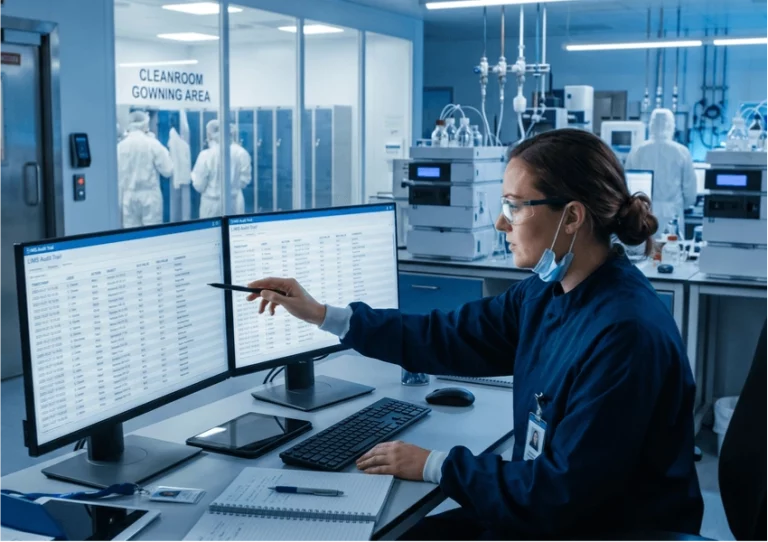
Several checks help separate a workable purchase from a frustrating one. First, confirm the target elements and reporting limits. Second, map each element to the likely atomization mode. Third, ask what accessories are needed, such as an autosampler, cooling water system, argon supply, flame gases, or hollow cathode lamps. Fourth, consider software control, data storage, audit trails, and user permissions if the lab works under a formal quality system.
For labs comparing platforms, برسي gives a useful product spread across molecular, atomic, chromatography, X-ray, and lab instrument lines, so a buyer can keep the elemental workflow tied to a wider laboratory plan rather than treating AAS as an isolated bench purchase.
Automation Matters When Samples Repeat
Repeat work exposes small annoyances quickly. Lamp warm-up, burner positioning, blank correction, tube life, and sample introduction all become cost factors when the lab runs the same panel every week. PERSEE A3 series instruments use AAWin software for method control, data acquisition, storage, and interpretation. The A3 line also includes an automatic eight-lamp turret, D2 lamp background correction, self-reversal background correction, and autosampler options. Those features matter most when the lab is trying to reduce day-to-day variation, not when it is chasing brochure language.
Matching PERSEE AAS Models To Water Testing Work
A practical model choice usually falls into three paths. A routine flame lab can stay with a flame platform. A trace-heavy lab should look hard at graphite furnace capability. A lab with both workloads may be better served by a combined instrument, even if the upfront discussion takes longer.
إن A3G is built around graphite furnace atomization. Its transversely heated graphite tube uses precision feedback temperature control, and the standard graphite tube options include pyrolytically coated and platform tubes. For trace lead and cadmium testing in surface or drinking water, that kind of furnace control is often central to method stability.
For labs that need both flame and furnace work, A3AFG combines both atomizers in one instrument, with flame options and graphite furnace safeguards in the same platform. That can fit an environmental laboratory where routine minerals, low-level heavy metals, and occasional difficult elements arrive in the same weekly schedule.
A more entry-level flame route can still be valid. AA990F is positioned for general laboratory requirements with computer-controlled air-acetylene flame operation. Where water quality testing is mostly higher-level elemental work, a flame system can keep the bench moving without adding furnace complexity.
Qualification also deserves attention. The AAS IQ/OQ/PQ kit is relevant when a lab needs documented installation, operation, and performance qualification as part of routine quality management. It will not replace method validation, but it helps keep the instrument side of the workflow properly controlled.
Where AAS Fits Beside Other Elemental Methods
AAS is not always the final answer. If a laboratory needs simultaneous multi-element screening at very low limits, ICP-based methods may be more suitable. If the lab is measuring anions, nutrients, or organic pollutants, a different technique may be required. The point is to put atomic absorption where it is strongest: targeted elemental testing, routine quality control, and trace metal analysis where the method panel is known.
For many water laboratories, that is still a large part of the job. A flame method can cover routine minerals. A graphite furnace method can support low-level lead and cadmium. A combined platform can give mixed labs breathing room when the sample queue changes. The best atomic absorption spectrophotometer is the one that matches the water, the target elements, the people running the method, and the reporting pressure behind every result.
أسئلة متكررة
Q1: Can AAS be used for drinking water testing?
A1: Yes. AAS is widely used for targeted metal testing in water. Graphite furnace AAS is especially useful for low-level lead and cadmium checks.
Q2: When should a lab choose a graphite furnace instead of flame AAS?
A2: Choose a graphite furnace when trace-level sensitivity, small sample volume, or low reporting limits matter more than sample speed.
Q3: Which PERSEE AAS setup fits mixed water samples?
A3: A combined flame and graphite furnace platform such as A3AFG fits labs that handle routine minerals and trace heavy metals in one workflow.