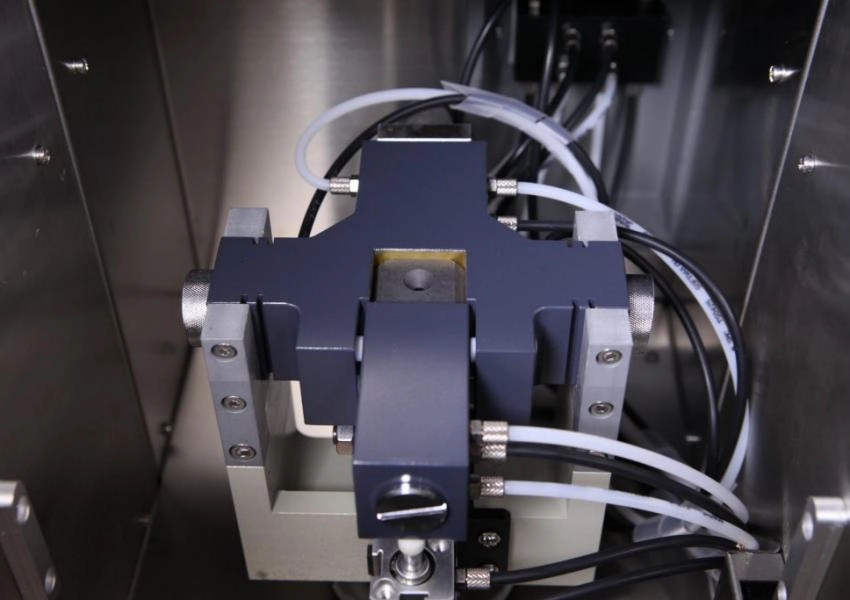
A weak atomic absorption signal is often blamed on the hollow cathode lamp first. Sometimes that is correct. A lamp has lost useful output, its line profile is no longer clean enough for the method, or its ignition has become unreliable. Just as often, the lamp is still serviceable, and the real fault sits in warm-up practice, wavelength selection, burner conditions, graphite furnace timing, sample introduction, or a difficult matrix. Replacing lamps by calendar alone is expensive; keeping a tired lamp in service can be worse.
A practical AAS troubleshooting routine separates source performance from everything downstream. Start with the element, the current method, the lamp history, and the instrument’s energy or signal check. Then compare a clean standard with the affected samples. That short sequence gives a laboratory a defensible answer to a simple question: replace the lamp now, investigate another part of the method, or do both.
What the Hollow Cathode Lamp Actually Contributes
An atomic absorption measurement depends on characteristic radiation from the source matching the analyte line. The atomizer creates ground-state atoms, but the detector cannot report a useful absorbance unless the optical source is stable and correctly selected. That is why an atomic absorption lamp should be treated as a controlled consumable, not a generic spare part shared casually between methods.
Use the Correct Element Lamp and Method Record
Confirm the lamp identity before diagnosing a failure. The PERSEE application material identifies element-specific lamps in methods for lead, cadmium, calcium, potassium, and other targets. A correct label is not enough: record installation date, operating hours where available, element, supplier lot, current setting, warm-up behavior, and the method in which the issue appeared. This turns a vague complaint into a history that the next analyst can use.
Warm-Up Drift Is Not the Same as Lamp Failure
A signal that moves during the first part of a run may simply be a source reaching a stable condition. On the A3G, AAWin is documented to manage an automatic eight-lamp turret and to set operating and warm-up lamp currents independently to reduce drift associated with warming. That feature supports a repeatable start-up sequence, but it does not remove the need to define warm-up acceptance in the laboratory method. A lamp should not be condemned because a sequence began before the documented stabilization check passed.
Signs That Point Toward Replacement
A replacement decision should rest on repeatable observations, not a single low result. The useful question is whether the lamp can still support the selected analytical line under a known-good setup. Check a fresh standard, a method blank, and the instrument’s usual performance verification approach before changing hardware.
Persistent Low Energy After a Clean Setup
Low source energy that remains after the correct lamp has been selected, seated, warmed, and checked against a clean standard is a strong replacement signal. It is more convincing when another lamp for a different element behaves normally in the same instrument. Compare the observation with the lab’s previous acceptance data rather than inventing a universal energy threshold. The acceptable level depends on the instrument, line, method, and local qualification record.
Unstable Output or Difficult Ignition
A lamp that repeatedly fails to ignite, needs unusual operator intervention, or gives unstable baseline behavior after the normal warm-up should be removed from routine work until checked. Do not compensate by raising the current outside the lamp supplier’s recommendation. Excess current can create a short-lived apparent improvement while making line quality, noise, or lamp life worse. Replace the lamp when controlled checks confirm that normal settings no longer produce stable performance.
Poor Sensitivity Only on One Element
If several elements perform normally but one element suddenly loses response in a clean standard, the lamp or its selected analytical line deserves close attention. Compare a second qualified lamp if one is available, then confirm wavelength, slit setting, current, and the correct method file. The AA990F is documented with automatic lamp positioning, lamp-current management, monochromator positioning, and photomultiplier settings, which helps keep those checks inside a controlled instrument workflow.
Problems That Look Like a Bad Lamp
The most costly AAS troubleshooting mistake is replacing a working source while the actual fault remains. Source, atomizer, optics, standards, and sample preparation interact. A disciplined check keeps a lamp issue from masking a method issue.
Background Correction and Optical Checks
A poor background-corrected result does not prove that the AAS lamp is weak. The documented A3 configurations include D2 background correction and self-reversal correction, with the latter using the installed hollow cathode lamp. Background, alignment, or correction settings need to fit the sample and the analytical line. Review the blank and standard response before deciding that a complex sample response is a lamp defect.
Flame, Furnace, and Sample Introduction Faults
Blocked nebulizers, unstable gas delivery, burner deposits, poor drainage, an unsuitable flame, contaminated graphite tubes, and incorrect furnace programs can all reduce sensitivity. In graphite furnace work, carryover, modifier choice, and drying or ashing behavior can matter more than the source. A clean standard measured under the same setup is the fastest way to separate a source problem from an atomization problem.
Standards and Matrix Effects
A lamp cannot correct chemical suppression or a poor digest. When a standard passes but samples read low, check the preparation blank, spike recovery, dilution behavior, and matrix match. Food, water, oil, and mineral samples can reach the atomizer with very different acid, salt, or organic loads. Treat that difference as a method investigation before placing a replacement order.
Build Lamp Management into the Purchase and Maintenance Plan
Lamp management works best when it is planned with the AAS configuration, expected elements, throughput, and service model. A small laboratory can keep a controlled set of critical-element spares. A broader trace-metal lab may need a staged replacement list, a common log format, and a vendor plan for lamp lead time.
Ask for a Demonstration That Includes the Source
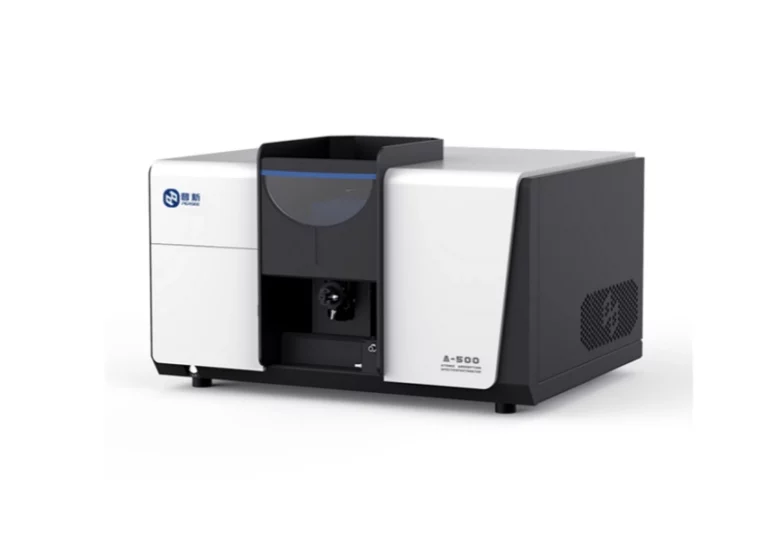
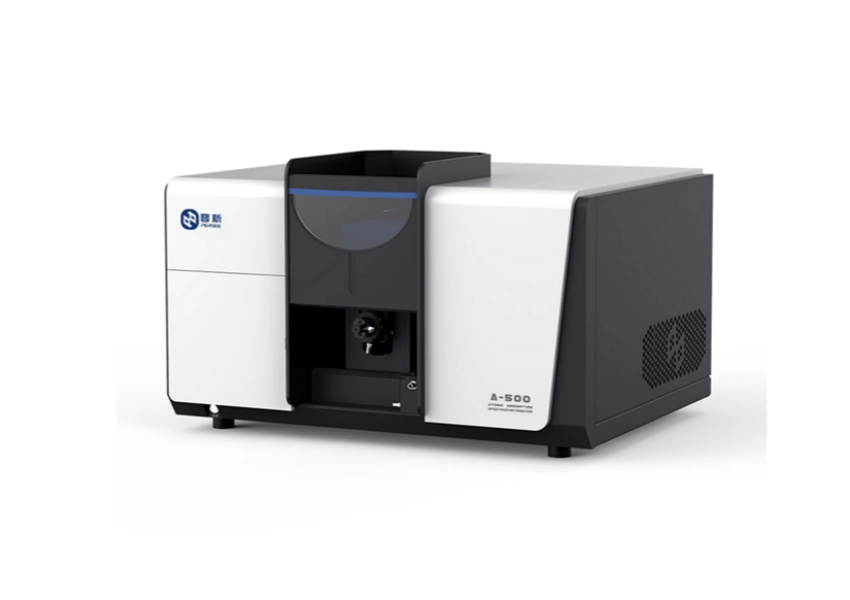
During purchase evaluation, ask to see lamp installation, automatic positioning, current setup, warm-up status, method storage, and an element-specific standard run. The A500 platform supports flame and graphite furnace atomization with Zeeman background correction, so buyers considering mixed-matrix work should also ask how source checks are recorded across both modes. A useful demonstration makes the daily lamp workflow visible rather than treating it as an after-sales detail.
Keep Spares Traceable and Separate
Store lamps as the supplier specifies, label them clearly, and avoid mixing retired, trial, and routine lamps in the same drawer. Record why each lamp left service: low energy, unstable output, ignition failure, physical damage, or a confirmed method-related issue. The atomik spektrometre provides a useful starting point when aligning lamp needs with flame, graphite furnace, and background-correction requirements. Pansiyon can also help teams locate current platform information before a supplier discussion.
Sık Sorulan Sorular
Q1: How often should a hollow cathode lamp be replaced?
A1: Replace it when documented performance checks show persistent low energy, unstable output, ignition difficulty, or poor response with clean standards under a known-good setup. A calendar date alone is not enough.
Q2: Can a higher lamp current restore a weak AAS signal?
A2: It should not be used as a shortcut. Follow the lamp supplier’s limits and check warm-up, wavelength, standards, background, and atomization first. Excess current can create a new problem.
Q3: Why does one element read poorly while others are normal?
A3: The element-specific lamp, selected line, current, or method setup may be at fault. Compare a clean standard and, where available, a second qualified lamp before changing the sample procedure.