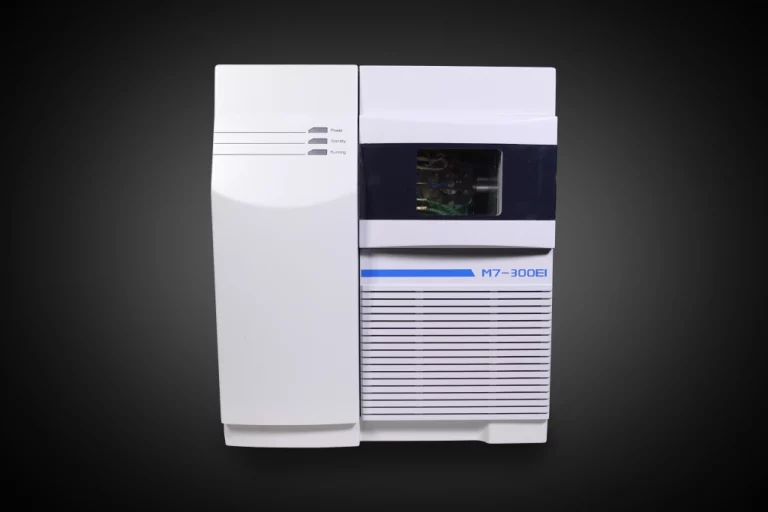
 어떻게 살펴보세요 페리‘s 정적 및 동적 헤드스페이스 GC 작동.정확한 가연성 화합물 분석을 위한 기본 원칙, 성능 특성 및 응용 프로그램을 이해하십시오.
Headspace GC의 기본 원칙은 무엇입니까?
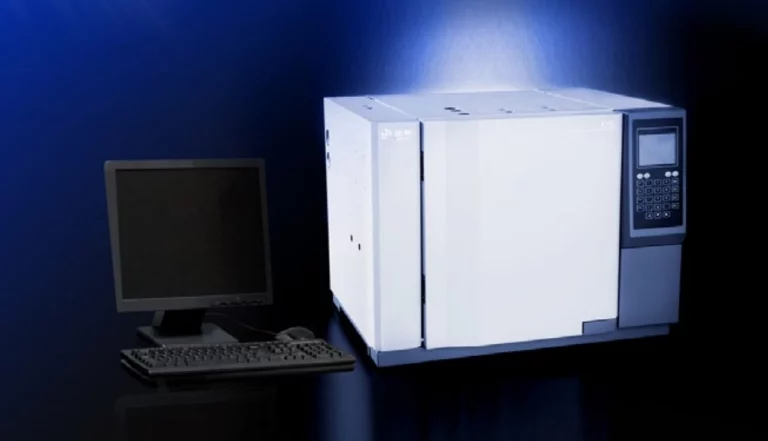
헤드스페이스 가스 크로마토그래피 (GC는) 직접 샘플 주입 없이 가연성 유기 화합물을 분석하기 위해 맞춤형 기술입니다.대신, 그 그 대신 그 그 그 대신 그 그 대신, 그 그 그 대신 그 그 대신, 그 그 그 대신 그 그 그 대신 그 그 그 대신, 그 그 그 그 대신, 그 그 그 그 대신이 증발된 부분 - 헤드 스페이스라고 불리는 - 는 그 다음 샘플링되고 가스 크로마토그래프에 도입됩니다.
헤드스페이스 가스 크로마토그래피는 액체 가스 크로마토그래피로 알려져 있습니다.그것은 더 빠른 분석 속도, 유기 용매로 추출 할 필요가 없음, 쉬운 작동, 분석가와 환경에 대한 손해가 적은 특성을 가지고 있습니다.
헤드스페이스 GC의 중심에는 균형의 개념이 있습니다. 샘플이 가열되면 매트릭스의 분석제 농도와 가스 단계 사이의 균형이 달성됩니다.분포는 변동성과 분할 계수에 의해 지배됩니다.The distribution is governed by volatility and partition coefficients.왜냐하면 당신은’가스 단계만 재 샘플링, you’매트릭스 방해를 피하고 감지를 단순화합니다.
이것은 직접 주입이 열을 손상시킬 수 있거나 비이이이발성 화합물 또는 샘플의 이이이미지 수준을 처리할 때 헤드스페이스 GC를 특히 효과적으로 만듭니다.
정적 및 동적 헤드스페이스 기술은 어떻게 비교합니까?
두 가지 주요 헤드스페이스 샘플링 방법 - 정적 및 동적 - 은 주로 가연성이 추출되고 GC에 도입되는 방법에서 다릅니다.
정적 헤드스페이스 (SHS)는 정정병에 샘플을 밀정정정하고 균형에 도달하도록 가열하고 헤드스페이스 가스의 일부를 추출하는 것을 포함합니다.헤드-스페이스 가스 크로마토그래프 분석은 액체 샘플 (또는 고체 샘플)의 가연성 가스 샘플을 직접 취하고 분리하기 위해 공기-단계 크로마토그래프로 보냅니다.그것은 일상적인 분석과 규제 준수를 위해 널리 사용되기 때문에’자동화가 쉽고 재생할 수 있습니다.
Dynamic headspace (DHS)는 종종 purge-and-trap이라고 불리며, 비활성 가스를 사용하여 샘플 매트릭스에서 가연성 물질을 지속적으로 청소합니다. 이러한 화합물은 흡수성 트램프에 포착되고 나중에 GC로 열적으로 탈흡됩니다.이 기술은 감도가 뛰어나고 복잡한 또는 이 복잡한 매트릭스에 이상적입니다.
SHS는 단순성과 일관성을 우선순위로 하지만, DHS는 분석제 사전 농도를 통해 우수한 탐지 한계를 제공합니다.
정적 헤드스페이스 GC는 PERSEE 시스템에서 어떻게 작동합니까?
PERSEE 계기는 자동화, 정밀성 및 사용 편의성을 우선순위로 하는 정적 헤드스페이스 워크플로우에 대한 견고한 구성 옵션을 제공합니다.이 과정은 이 이 이 이 이 프로세스는 이 이 프로세스는 이 이 이 이 이 이 프로세스를 이 이 이 이 이 이 이 프로세스가 시작됩니다.그 다음 시스템은 균형이 달라질 때까지 엄격히 제어되는 온도 조건에서 이 병을 열조절합니다.
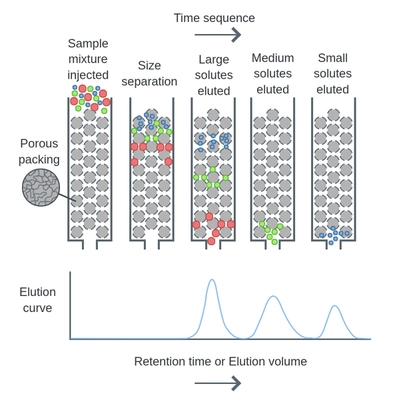
압력화 메커니즘은 헤드스페이스 가스를 크로마토그래픽 열으로 효율적으로 전송할 수 있습니다.압력 균형 잡은 루프 시스템은 일관된 주입 양과 실행 전체 재생성을 보장합니다.그림 1.압력 균형 정적 헤드스페이스 시스템의 다이어그램1.
전송 라인은 일반적으로 전전전환 또는 흡수 손실을 방지하기 위해 가열되고 비활성화됩니다, 특히 반 전전전송 분석물의 경우.
Static Headspace GC에서 어떤 성능 특성을 기대해야 합니까?
제약품이나 환경 샘플의 挥发性溶剂를 분석할 때 정적 헤드스페이스는 신뢰할 수 있는 반복성을 제공합니다.5개의 유기 가연성 불순물(벤55벤55개의 유기 가연성 불순물(벤5555개의 유기 가연성 불순물(벤55555개의 유기 가연성 불순물)의 한계는 정적 머리 공간 분석에 의해 결정되는 USP41-NF36에 명시되어 있습니다.그것은’자동화 호환성으로 인해 고처리량 연구소에 특히 효과적입니다.
그러나 매트릭스 효과를 처리할 때 문제가 발생합니다. 점성 또는 고고성 샘플은 균형 효율성을 방해할 수 있습니다.균형 시간과 온도의 정확한 제어가 중요합니다.규제 정렬이 중요한 경우 일상적인 용매 잔류물 테스트를 위해 PERSEE의 정적 헤드스페이스 모듈은 글로벌 약학 표준을 충족합니다.
Dynamic Headspace GC는 PERSEE 장비에서 어떻게 작동합니까?
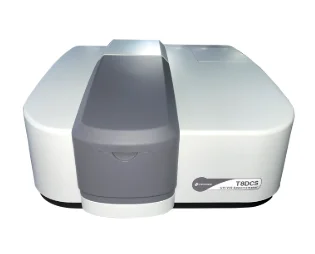
PERSEE 플랫폼에서 동적 헤드스페이스 샘플링은 초트레이스 탐지를 위해 설계된 purge-and-trap 기술을 사용합니다.비활성 캐리어 가스 (일반적으로 비비비비비활성 캐리어 가스 (일반적으로 비비비비활성 캐리어 가스)는 샘플 매트릭스에서 비비비비활성 성분을 청소합니다. 이러한 화합물은 비활성 캐리어 가스(일반적으로 비활성 캐리어 가스, 비활성 캐
왜 동적 헤드스페이스가 더 민감합니까?
분석물은 분석 전에 사전 집중되기 때문에 동적 헤드스페이스는 정적 방법이 일치할 수 없는 탐지 한계를 달성합니다.이것은 가연성 물질이 거의 분포되는 생물학적 액체 또는 중합체와 같은 복잡한 매트릭스에 적합합니다.
가스 추출물은 가스 크로마토그래피로 분석에 이상적으로 적합하며, 이 조합은 "라고 불립니다.헤드 스페이스 가스 크로마토 그래피"-HS-GC.또한 소흡 중에 더 높은 분석제 입력으로 인해 더 나은 신호-소음 비율에서 혜택을 누릴 수 있습니다.
그러나 장비 복잡성과 유지 보수 요구가 증가함으로써 트래프를 정기적으로 교체해야합니다.정적 설정에 비해 더 많은 매개 변수 조정이 포함됩니다.
더 나은 성능: 정적 또는 동적 헤드스페이스 GC PERSEE 시스템?
연구소가 제약품의 잔류 용매나 알코올과 같은 높은 가연성 화합물에 집중한다면 정적 헤드스페이스는 효율적으로 요구 사항을 충족시킬 것입니다.그것은 수락 가능한 감지 한계, 쉬운 방법 검증 및 빠른 처리량을 제공합니다.
공기에 있는 오염물이나 식품에 있는 미적 맛과 같은 낮은 유연성 화합물의 초미적 분석을 위해 동적 헤드스페이스는 전집중 이점 덕분에 비교할 수 없는 민감성을 제공합니다.
샘플 처리 시간은 다릅니다: 정적 시스템은 균형 설정에 따라 병당 10-30 분이 필요할 수 있습니다.동적 방법은 다단계 다다다다단계 다다단계 동동동적 방법은 다단계 다다단계 다다단계 다다다단계 동동적 방법은 다단계 다다단계 동적 동적 동적 방법은 다단계
PERSEE 플랫폼은 병 처리기 및 소프트웨어 제어 온도 프로그래밍을 포함한 완전한 자동화 기능으로 두 가지 기술을 지원합니다.
기술 선택에 어떤 영향을 미칠까요?
샘플 매트릭스 복잡성은 종종 방법 선택을 결정합니다.간단한 매트릭스를 가진 수성 솔루션은 정적 헤드스페이스 샘플링에 이상적입니다.헤드 스페이스 샘플링 기술을 사용하면 지루하고 지루한 샘플 준비 과정을 제거하고, 분석에 유기 용매의 방해를 피하고, 열과 입구의 오염을 줄입니다.혈액, 중합체 또는 환경 추출물과 같은 더 복잡한 샘플의 경우, 동적 방법은 더 나은 추출 효율성을 제공합니다.
비용 고려도 역할을 합니다.정적 설정은 사전 투자가 적습니다.동적 시스템은 함정, 고급 캐리어 가스 및 더 자주 유지 보수를 포함합니다.
규제 준수가 필수적인 경우 - 예를 들어 USP <467>또는 EPA VOC 지침 - 두 가지 기술은 유효하지만 정적 샘플링은 PERSEE의 소프트웨어 생태계에서 제공하는 단순성과 광범위한 방법 검증 옵션으로 인해 지배하는 경향이 있습니다.
동적 헤드스페이스 샘플링 모듈의 전체 기술 사양을 방문하여 탐색하십시오. PERSEE Dynamic Headspace 기술.
PERSEE의 통합 기술로 Headspace GC가 어디로 향하고 있습니까?
자동화는 헤드스페이스 GC 워크플로우에서 점점 더 중요해지고 있습니다.PERSEE는 인간의 오류를 최소화하고 실험실 생산성을 높이는 로봇 자동 샘플러와 모듈 통합을 계속 발전시키고 있습니다.
크로마토그래픽 소프트웨어에 인공 지능 통합은 복잡한 샘플 유형에 걸쳐 양적 정확성을 향상시키는 혼잡한 스복트복트럼에서조차도 자동 피크 인식과 분열을 가능하게 합니다.
지속가능성은 또 다른 운전자입니다.머리 공간 분석 방법은 직접 분석하지 않지만 샘플과 균형에서 가스 단계를 분석하여 사전 처리 방법의 단점을 피합니다.
결론적으로, PERSEE는 정적 방법론과 동적 방법론 사이의 격차를 전문적으로 결결합함으로써 헤드스페이스 GC 기술의 최전선에 서 있습니다. 회사는견고하고 자동화된 시스템은 연구소에 다양한 분석 요구에 맞게 맞춤형 다양하고 정확하고 준수 솔루션을 제공합니다. 일상적이고 고처리량 용매 테스트에서 초추적 환경 및 맛 분석까지.고급 자동화, 지능형 소프트웨어 및 지속 가능하고 용매가 없는 워크플로우를 통합함으로써 PERSEE는 실험실 생산성과 데이터 무결성을 향상시킬 뿐만 아니라 변화하는 규제 및 기술 요구에 대해 미래에 대한 분석 기능을 제공합니다.PERSEE를 선택하는 것은 신뢰성, 민감성 및 혁신을 제공하는 플랫폼에 투자하는 것을 의미하며, 실험실이 유연한 화합물 분석의 최고의 단계를 유지합니다.
FAQ는
Q: 매우 낮은 분석물 농도를 가진 샘플에 정적 헤드스페이스 GC를 사용할 수 있습니까?
A: 정적 헤드스페이스는 중간 A A A A A: 정적 헤드스페이스는 적당한 A A A A: 정적 헤드스페이스가 적당한 감도를 제공하지만, 초트레이스 분석에 적합하지 않을 수 있습니다.청소 및 트래프 기술을 가진 동적 헤드 스페이스는 낮은 풍부성 anaA에 대한 더 나은 전농도를 제공합니다. 트래프 수명은 샘플 로드 및 사용 주파수에 달려 있지만 일반적으로 수백 개의 실행 후 교체가 필요합니다.정기적인 유지보수는 일관된 분석물 복구 속도를 보장합니다.
Q: PERSEE의 소프트웨어는 규제 문서 요구 사항과 호환되나요?
A: 예.PERSEE 시스템은 완전한 추적 가능성, 데이터 무결성 및 USP와 같은 약학 표준 준수를 지원하는 소프트웨어 스위트를 제공합니다.
라이트.
Q: 트래프와 같은 동적 시스템의 구성 요소를 얼마나 자주 교체해야 합니까?
A: 예.PERSEE 시스템은 완전한 추적 가능성, 데이터 무결성 및 USP와 같은 약학 표준 준수를 지원하는 소프트웨어 스위트를 제공합니다.