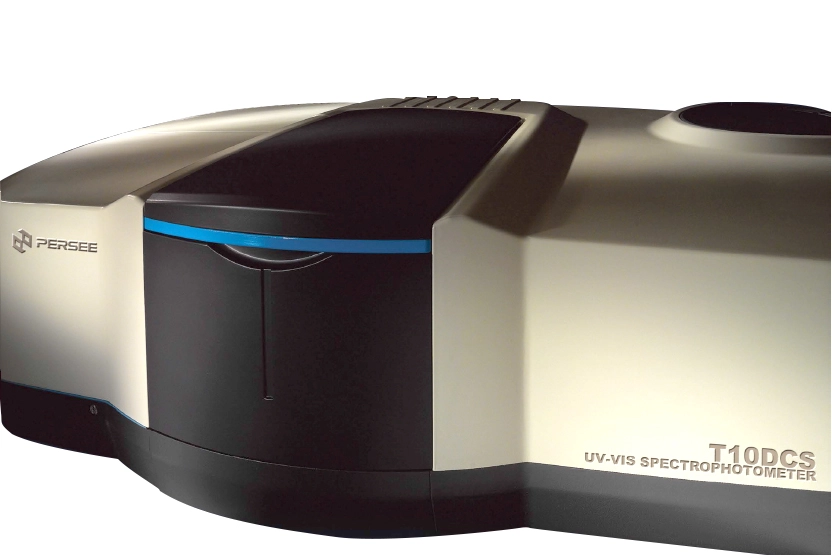
Spectrophotometers stand as key tools in analytical labs. These devices serve as vital aids in many chemical, biological, or life science settings. Instruments can vary from basic single-beam models to advanced dual-beam or automated systems. No matter their design, they all need careful calibration. This step ensures reliable results and upholds scientific standards.
As specialists in analytical tools, we see calibration as more than a routine task. It forms the base of quality control. Like other equipment, spectrophotometers demand ongoing checks and validation. The main tests cover photometric accuracy (absorbance linearity), wavelength accuracy, bandwidth, and stray light. Such checks confirm the device works within set limits, and they support repeatable and trustworthy experiments.
Importance of Calibration in Spectrophotometry
Calibration makes sure the spectrophotometer gauges light intensity and wavelength correctly, which keeps results steady over time. This prevents errors that might harm research. In strict fields like pharmaceuticals or environmental testing, rules such as USP 857 or Ph. Eur. require calibration. These standards stress traceability and certification.
에 페리, we have spent over thirty years improving spectroscopic methods. We focus on new ideas and strict quality checks. Started in 1991, our firm holds ISO9001, ISO14001, and CE approvals. Plus, over 30% of our staff work on research. We create solid products that help labs around the world reach steady analytical success.
Five Critical Parameters for Spectrophotometer Calibration
Good calibration checks several key factors that shape overall performance. Each one must use approved reference items. This meets global standards.
파장 정확도
Wavelength accuracy tops the list as a vital factor, which shows if the instrument picks the right light wavelength absorbed by a sample. For analysts to trust the device’s work and measurement precision, they need assurance that core functions perform well: Linearity, Wavelength, Bandwidth, and Stray Light. Routine tests with holmium oxide filters or mercury lamps keep spectral accuracy sharp in UV-Vis areas.
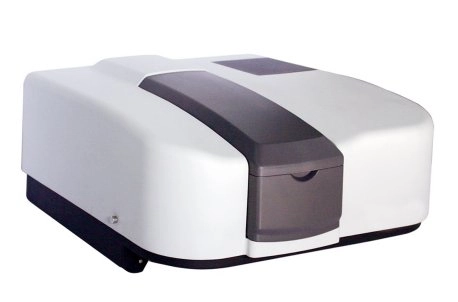
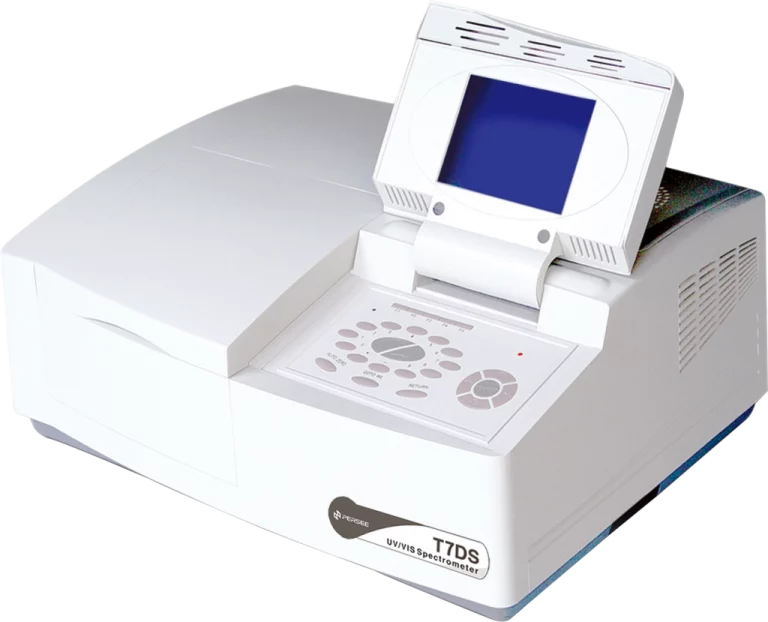
우리의 T7D UV-Vis 분광광계는 shows strong wavelength stability. It uses a holographic grating setup that cuts stray light a lot, which allows fast scans over 1000 nm per second. Its electronic system fixes wavelength shifts on its own. So, it holds exact alignment during long sessions, which suits labs that need reliable calibration repeats.
Photometric Accuracy
Photometric accuracy checks how well a spectrophotometer measures light strength at given wavelengths. These functions rely on chemical standards. Neutral density filters or potassium dichromate solutions often verify absorbance straightness based on Beer–Lambert law ideas.
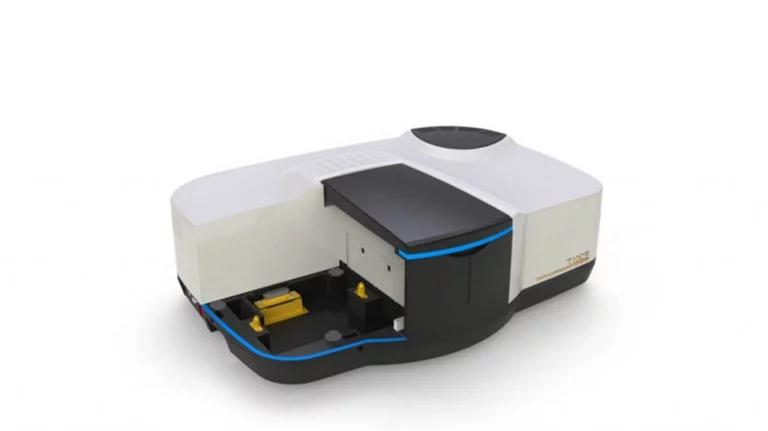
To get steady absorbance across different strengths, our T7 series uses dual-beam optics. These reduce shifts between reference and sample paths. Thus, it gives stable photometric results, which fit quantitative work in drug formulas or biochemical tests. Even small changes there can impact outcomes.
Stray Light Control
Stray light means extra radiation hitting the detector beyond the chosen wavelength band, and it can skew the absorbance at low transmission points. Experts measure scattered light in two main ways. One uses cut-off filters that block one spectrum part while letting the other pass. The other employs single-color light from emission sources or lasers. Standard tests with dark filters keep spectral cleanliness.
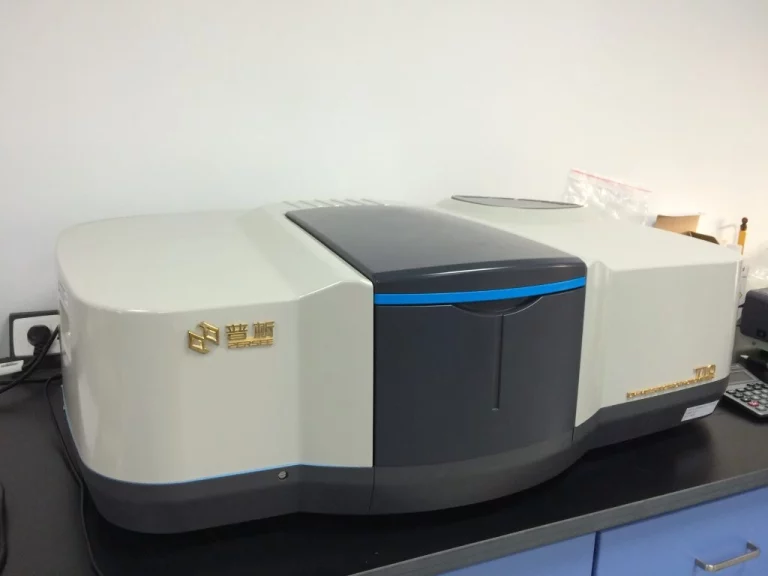
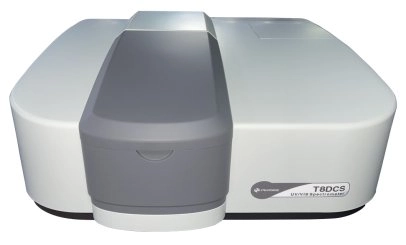
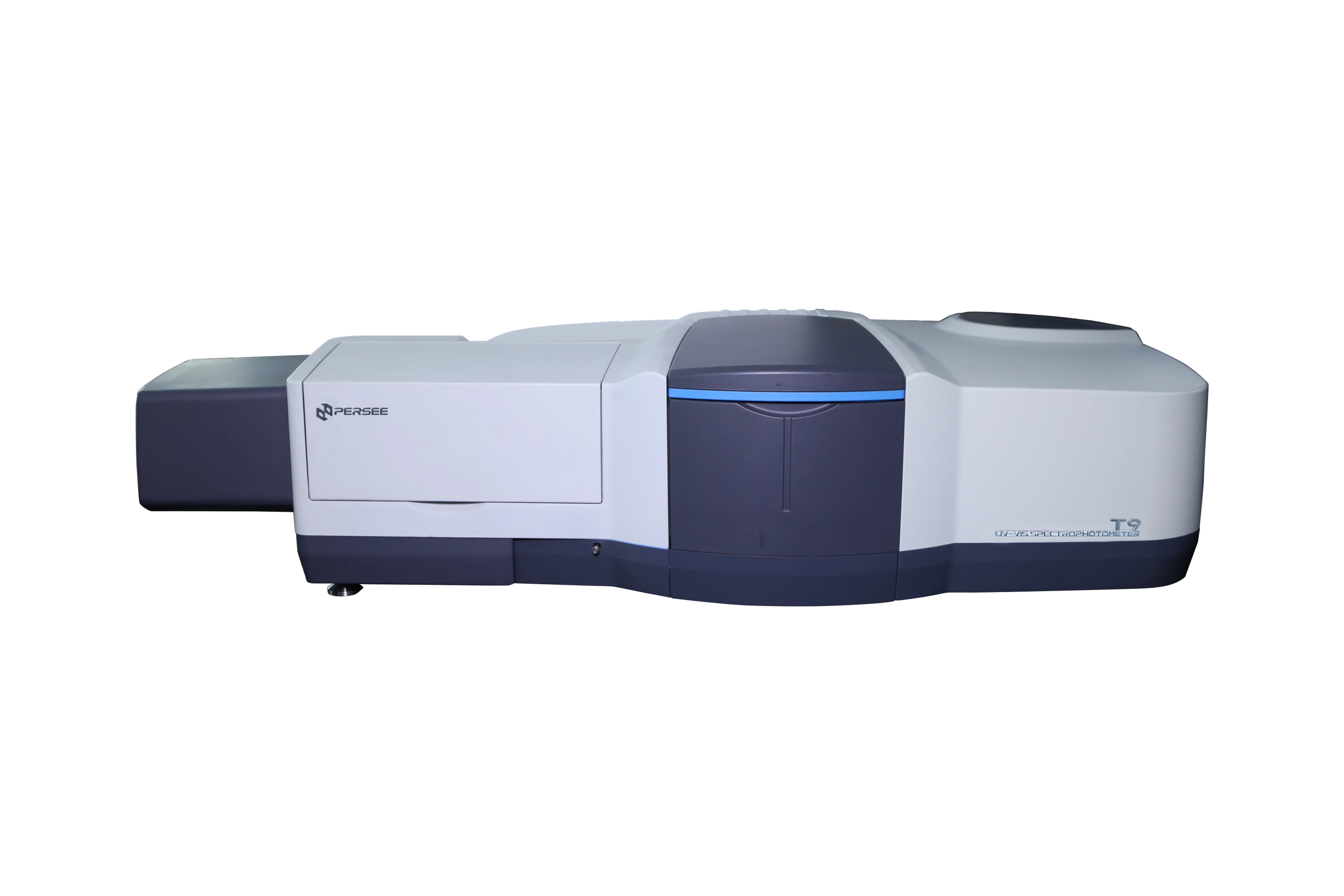
우리의 T9DCS UV-VIS model has an optical build with very low stray light—≤0.00004%T at 220 nm. This permits exact readings even in deep UV with nitrogen-flushed optics, which provides top baseline clarity. That’s key for low-level detection in tasks like pollution checks or DNA counts.
Resolution and Bandwidth Verification
Resolution tells how clearly an instrument separates nearby wavelengths. This matters a lot for complex spectra or close peaks. Bandwidth ties right to this; a broad one blurs details, while a tight one boosts noise. The T10DCS UV-VIS lets users pick a bandwidth from 0.1 to 5 nm smoothly. It has real double-beam double-monochromator optics. This range helps match resolution to needs—from detailed molecular work to daily checks. It balances signal and noise well without losing feel.
Baseline Stability and Noise Level Assessment
Baseline stability means the instrument holds zero-absorbance steady over time, free from sample effects. Noise checks look at random ups and downs that limit detection.
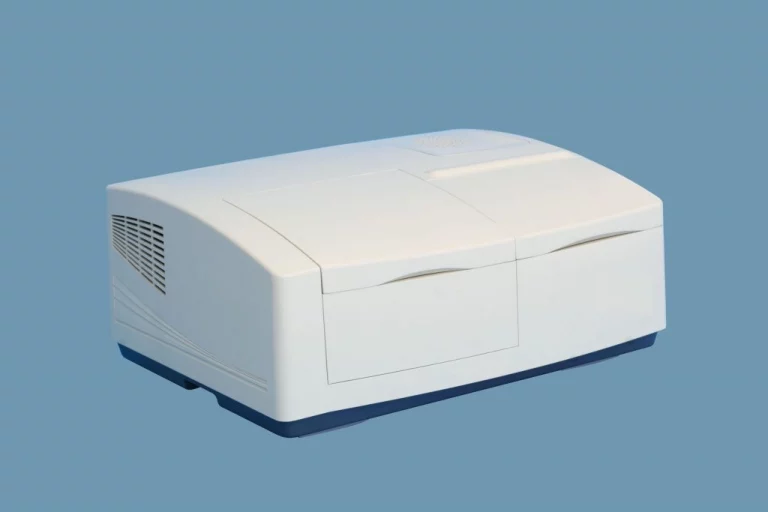
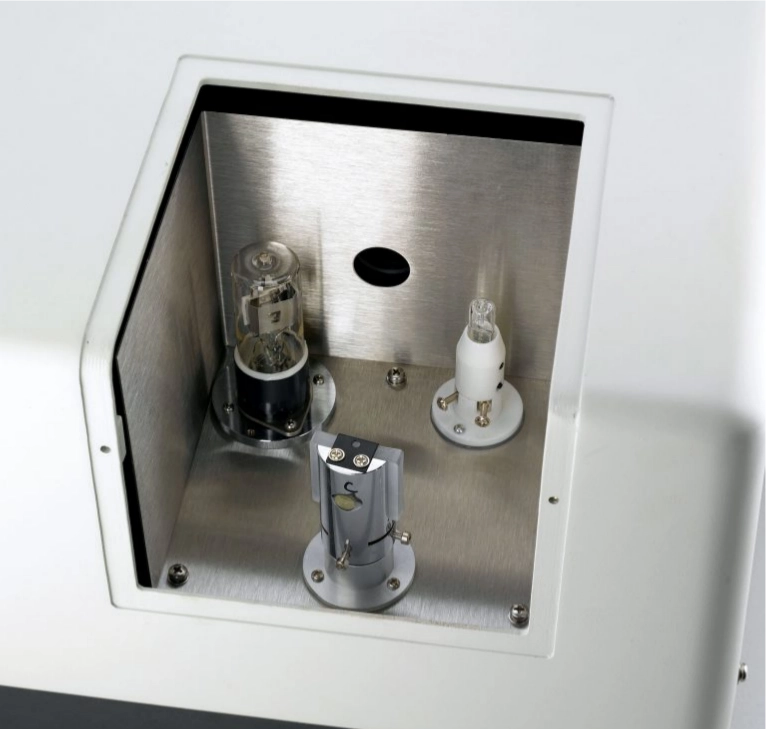
Our T6U UV-Vis Spectrophotometer reaches fine baseline steadiness. Its sealed monochromator pairs with quiet electronics for stray light under 0.05%T. Deuterium and tungsten sources give strong stability over the full range, which fits kinetic studies, where signal steadiness over time proves the experiment worth.
The Role of PERSEE as a Reliable Manufacturer in Analytical Instruments
We view ourselves not just as manufacturers, but as allies in scientific progress. We commit to precise, well-built tools with worldwide backing.
PERSEE의 제품 개요
Our lineup includes molecular spectrometers, atomic absorption setups, chromatography systems, X-ray tools, and infrared devices. All aim for lab dependability in areas like education, environment, food safety, pharmaceuticals, agriculture, petrochemicals, and more. PERSEE instruments aid experiments, demos, and practical work in chemistry, biology, and other sciences.
The M7 단일 쿼드 폴로 GC-MS highlights our innovation drive. It pairs high ionization with advanced vacuum tech from Pfeiffer’s HiPace™ turbo-molecular pump. This boosts sensitivity for uses in environmental care and forensics. The M7 MS suits food safety, environmental protection, material chemicals, life sciences, medical research, criminal probes, and many other areas.
Likewise, our G5 Gas Chromatograph blends smart electrical controls with various detectors (FID/TCD/NPD/ECD). It offers precise qualitative and quantitative reviews. This makes it a flexible tool for petrochemical tracking or academic labs wanting digital tools. Every item shows our goal: mix tough build with easy use. We ensure they meet global measurement rules via IQ/OQ/PQ kits for all models.
결론
Spectrophotometer calibration stays basic for analytical sharpness in various sciences. Checking factors like wavelength accuracy, photometric straightness, stray light block, resolution handle, and baseline steadiness protects data truth. That’s vital for valid results. As with most scientific tools, calibration, quality control, method checks, and qualification are required. This comes from good lab practices or rules. Our ongoing tech push means labs everywhere can count on us for solid work in their analytical tasks. For tailored advice on picking calibration aids or adding auto-checks to your flow, our expert team stands ready. Reach us via our main contact site.
FAQ는
Q1: What is the recommended frequency for spectrophotometer calibration?
A1: Do regular calibration before key analysis runs or follow manufacturer advice. This keeps measurement precision steady during use.
Q2: Can calibration be performed in-house or should it be outsourced?
A2: With the right training and certified items from trusted sources like us, you can handle routine tests inside. Still, outside checks now and then help with compliance records.
Q3: How does temperature affect spectrophotometer calibration?
A3: Heat changes can shift optical setup and detector reactions. Keeping steady room conditions during calibration cuts the drift. This leads to repeatable outcomes over periods.