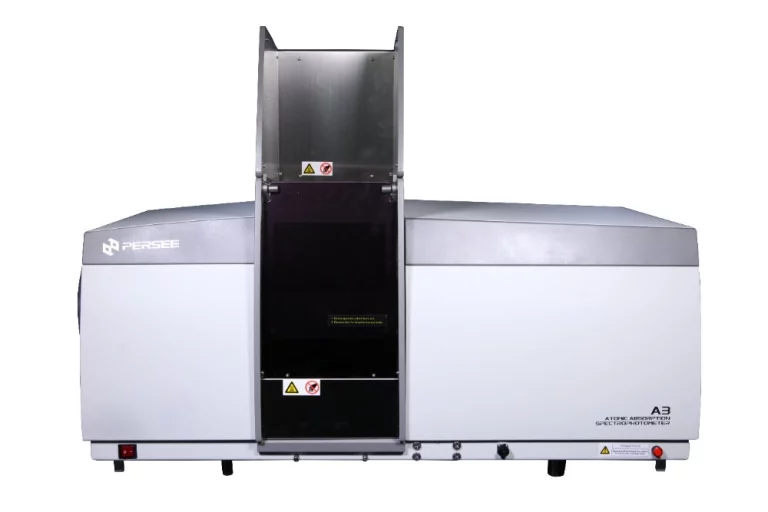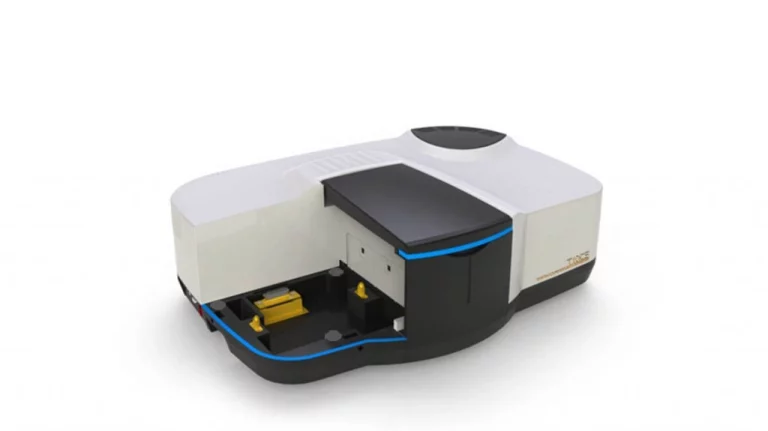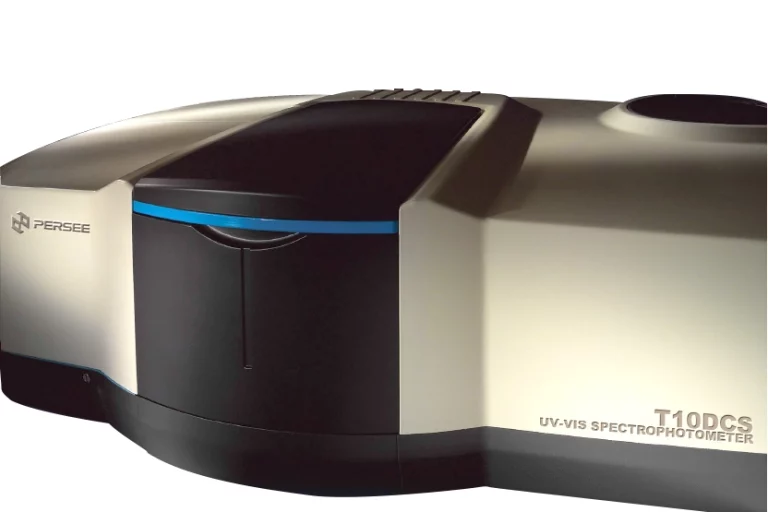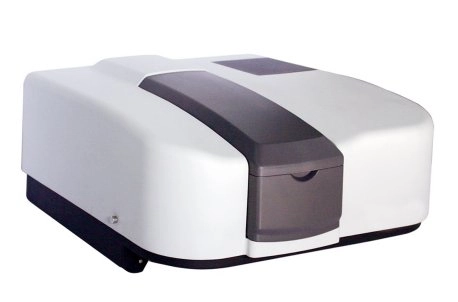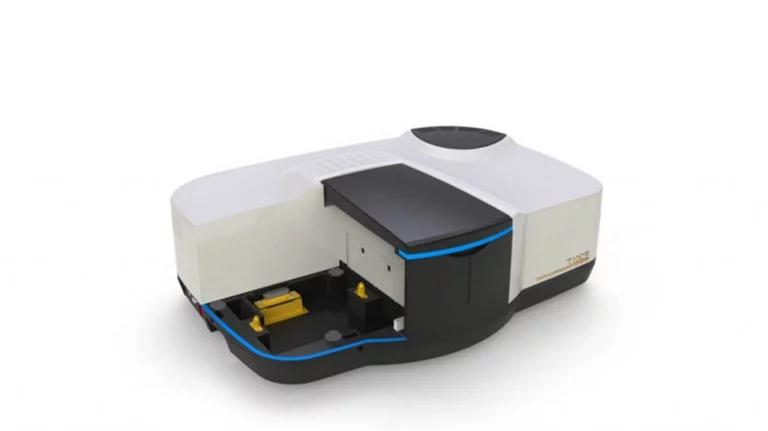
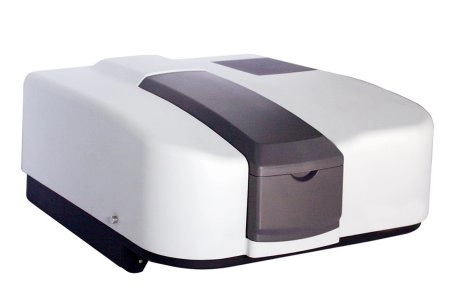
لتحقيق نتائج تحليلية دقيقة وتوسيع متانة مقياس الطيف الخاص بك، لا يزال أداء الصيانة كل يوم ضروريًا. يجب عليك البدء بتلميع المناطق البصرية بعناية ، بما في ذلك الألواح والعدسات ، باستخدام قماش خالي من الشعر جنبًا إلى جنب مع عوامل التنظيف المناسبة مثل الإيثانول. هذه الممارسة تتوقف بشكل فعال عن تراكم البقايا ، والتي قد تنتشر أشعة الضوء وتقوض موثوقية القراءات الخاصة بك.
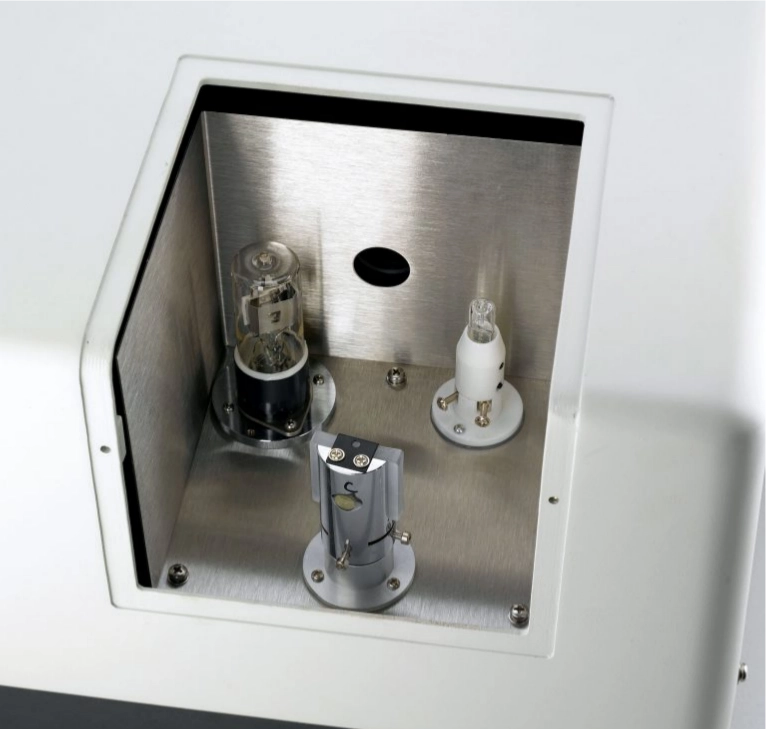
قبل معالجة أي عينات ، من المهم تنفيذ تعديل خط الأساس. هذا الإجراء يقوم بتسوية الجهاز’ الطريق البصري مع تعويض الامتصاص عندما لا توجد مواد عينة، وبالتالي تقليل الأخطاء الناشئة عن مصادر منهجية. علاوة على ذلك ، من الضروري أن تؤكد باستمرار أن المصباح - سواء كان من نوع الديوتيريوم أو التنغستن - يعمل بشكل صحيح وقد حقق مرحلة التدفئة الكاملة قبل بدء أي قياسات على الإطلاق.
ما هي المهام الأسبوعية والشهرية التي تساعد على الكشف عن التدهور التدريجي؟
الفحوصات القياسية التي تجري في فترات أسبوعية أو شهرية تعمل على الكشف عن مشاكل طفيفة قبل تحولها إلى تعطلات كبيرة. فحص دعم كوفيت ومنطقة العينة للملوثات، التسربات، أو تشكيل الصدأ. الغسيل الدقيق لهذه العناصر يضمن مرور بصري سلس دون انقطاع. في الحالات التي يكون فيها الوصول ممكنا، غسل منطقة monochromator وفقا للمنتج’ المبادئ التوجيهية. قد تؤدي الأجزاء المعيبة أو القذرة داخل أحادي اللون إلى وضع الطول الموجي غير الصحيح أو ارتفاع وجود الضوء الضال.
ويمكن أن تشير عدم الانتظامات في التشغيل، مثل الأصوات المفاجئة أو انخفاض الكفاءة، إلى روابط داخلية غير آمنة أو تدهور في العناصر الميكانيكية. ويمكن إجراء مراجعات الاستماع والبصرية المتكررة أثناء التشغيل الأولي والاستخدام المستمر تحديد هذه المخاوف في وقت مبكر.
ما هي التدابير الوقائية طويلة الأجل التي تحافظ على دقة الأداة؟
مثل جميع الأجهزة ، فإنها تتطلب فحصا منتظما والتحقق من صحتها إلى حد أكبر أو أقل. تعتبر المعايرة عملية حيوية لتأكيد دقة الطول الموجي، واستقامة الامتصاص، وقياسات عرض النطاق الترددي، وكميات الضوء الضال. استخدام معايير موثقة، على سبيل المثال، فلاتر أكسيد هولميوم تهدف إلى دقة الطول الموجي أو مزيجات ثنائي الكرومات البوتاسيوم لمعايرة قياس الضوء، يضمن الالتزام باللوائح ويحافظ على سلامة بياناتك.
وينبغي أن تنتج هذه المعايير من المواد الكيميائية عالية الجودة التي تتميز بالكامل وينبغي أن تتبع المبادئ القياسية التي تخضع لها جميع المعايير، بما في ذلك التتبع وعدم اليقين في القياس والدقة والمواصفات والاستقرار والدقة والسلامة. استبدل المصابيح والمرشحات وفقا لساعات التشغيل أو مؤشرات تدهور الأداء. على سبيل المثال ، عادة ما تفرج المصابيح التي تتقدم في العمر انخفاض الإضاءة ، مما يسبب بدوره ضعف إشارة الخروج.
إدارة البيئة المحيطة لها أهمية أيضًا: الحفاظ على إعدادات المختبر في نطاق 20-25 درجة مئوية ، مصحوبة بأرقام الرطوبة المنظمة. ضع غطاء واقي ضد الغبار كلما بقى مقياس الطيف غير نشط.
ماذا تفعل عندما يبدأ أداء الأداة في الانخفاض؟
إذا لاحظت إشارات غير متوقعة أو ضوضاء تتجاوز العتبة المعتادة، ابدأ التقييم عن طريق مراجعة حالة مصدر الضوء. فكر في سطوع المصباح وعمره في البداية كعوامل رئيسية وراء اختلافات الإشارة. بعد ذلك ، فحص كل مرفق كابل يؤدي إلى الكاشف والتحقق من التأريض الكافي لمنع الاضطرابات الناجمة عن المصادر الكهرومغناطيسية.
نماذج ممتازة مثل T8DCS مقياس الطيف الأشعة فوق البنفسجية توفير أنابيب مضاعفة الضوء التي تعزز حساسية الكشف إلى جانب آليات الاستقرار المتكاملة ، مما يقلل بشكل كبير من الضوضاء في حالات الإضاءة المحدودة. استخدام أنبوب مضاعف الضوء ككاشف يوفر حساسية استثنائية.
ما الذي يسبب الانجراف في خط الأساس أو الامتصاص غير المنتظم؟
غالبا ما تنشأ التحولات في خط الأساس من الشوائب على طول المسار البصري. قم بفرك جميع الكوبات بدقة - بدءاً من الماء المقطر والمضي قدماً إلى الإيثانول - وتأكد من أن العدسات تبقى خالية من أي بقع. إذا استمر التحول، إعادة معايرة الجهاز باستخدام المعايير المرجعية. كما يمكن أن تؤثر التعديلات على البرمجيات أو البرمجيات الثابتة على موثوقية خط الأساس؛ من الضروري الحفاظ على نظامك’ أحدث التحديثات.
ما الذي يؤدي إلى انخفاض الحساسية أو استجابة إشارة ضعيفة؟
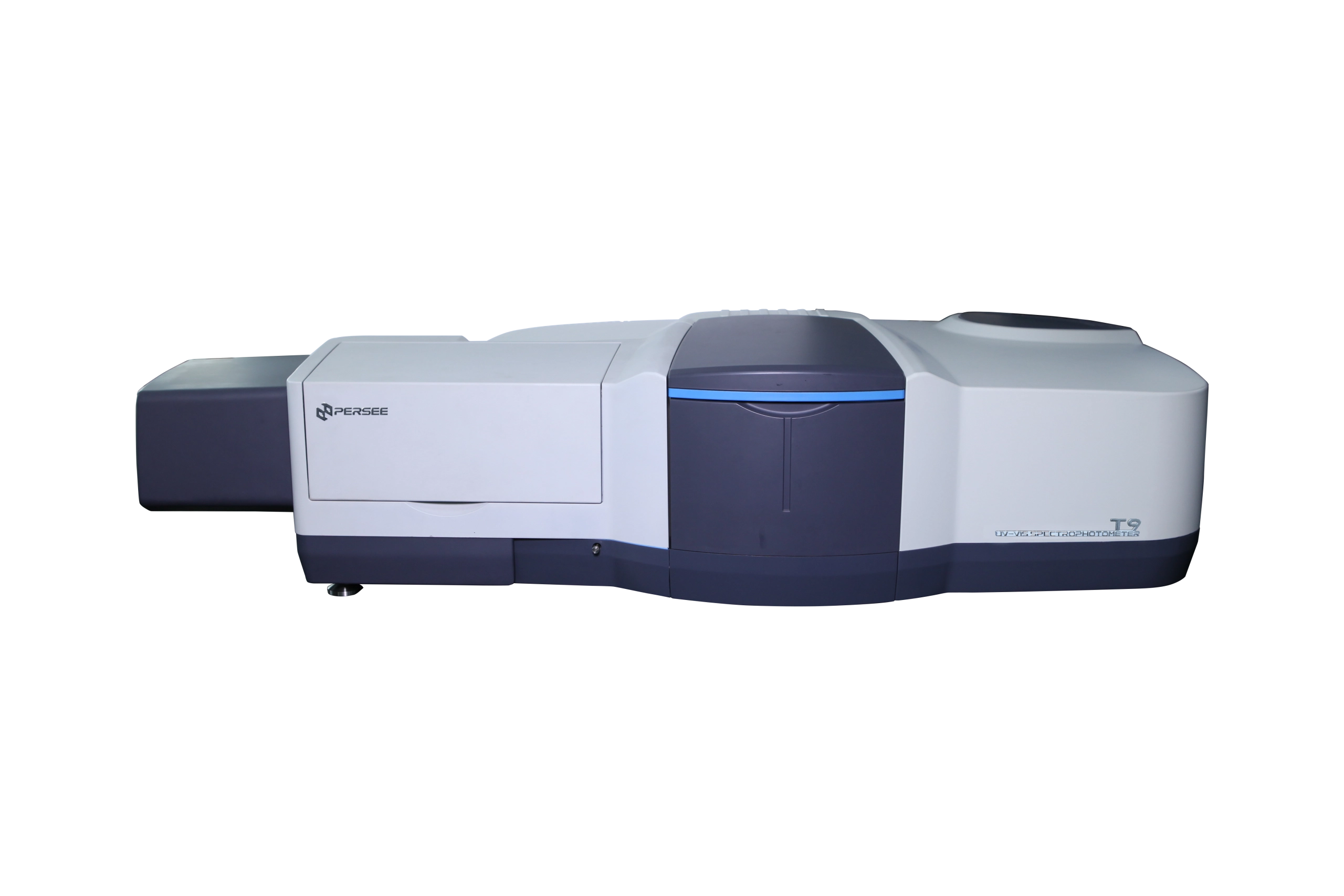
الموقع غير الصحيح للعناصر البصرية، بما في ذلك المرايا أو الشقوق، لديه القدرة على تقليل طاقة الإشارة. عندما يسمح الإعداد بتفاعل المستخدم مع هذه المكونات، قم بتقييم موقعها على فترات منتظمة. بالإضافة إلى ذلك ، تأكد من أن تركيزات عيناتك تتوافق مع النطاقات التي يمكن كشفها بواسطة الجهاز.
أجهزة متطورة مثل مقياس الطيف الأشعة فوق البنفسجية T9DCS تشمل الشقوق مع تعديلات عرض مستمرة، مما يتيح للمشغلين ضبط وضوح الطيف بدقة وفقا لخصائص العينة. يمكن تكوين الجهاز بصريا لتتناسب مع احتياجات العينة باستخدام شق قابل للتعديل باستمرار للتحكم الدقيق في الدقة الطيفية.
كيف تصلح الأخطاء أثناء العملية الروتينية؟
الرجوع إلى المنتج’ دليل دون تأخير عند مواجهة رمز خطأ. كل رمز يتعلق بصعوبات معينة في الأجهزة أو البرمجيات. بمجرد معالجة المشكلة الأساسية - سواء كان حامل المصباح المتعثر أو المعايرة الفاشلة - إعادة تشغيل الوحدة لإعادة تشغيل وظائفها التشخيصية.
لماذا يفشل البرنامج في الاتصالات مع الأجهزة الخارجية؟
عادة ما تنشأ الاختلالات في الاتصالات من عدم المطابقة في برامج التشغيل أو الضرر الملموس للكابلات مثل أنواع USB أو Ethernet. تحقق من أن إصدار البرنامج الخاص بك يتوافق مع نظام التشغيل الخاص بك واستعادة برامج التشغيل المطلوبة حسب الضرورة. فحص كل كابل للحصول على دليل على التآكل أو الانفصال.
لماذا تختلف نتائج القياس بين الجريات؟
الاختلافات في النتائج عادة ما تنبع من عدم مواءمة الكيوبات. ضعي الكوبات بشكل ثابت بطريقة متسقة واختر مجموعات مزوجة لضمان أطوال مسار موحدة طوال جلسات متعددة.
كيف تحافظ على الدقة من خلال المعايرة؟
وتضمن هذه البروتوكولات الثقة في جميع المسائل التشغيلية والأدائية وتكلف بها في كثير من الحالات هيئات الاعتماد والتنظيم. ويقلل المعايرة الدورية من تراكم أخطاء القياس ويحافظ على الامتثال لمعايير مثل USP أو Ph. Eur.
ما هي معايير المعايرة التي يجب استخدامها؟
- معايرة الطول الموجي: استخدم فلاتر زجاجية أكسيد هولميوم.
- المعايرة الضوئية: استخدام فلاتر ثنائي الكرومات البوتاسيوم أو الكثافة المحايدة.
- تقييم الضوء الضال: استخدم فلاتر قطع مثل NaNO ₂ الحل. جميع الدوائيات المختلفة تتطلب من المستخدمين إثبات أن أجهزة الطيف الفوتوغرافي الخاصة بهم تعمل بشكل صحيح فيما يتعلق بالمعايير التشغيلية المذكورة أعلاه من الخطية وطول الموجة والضوء الضالي.
كيف تؤثر الظروف البيئية على استقرار الجهاز؟
الحفاظ على درجات حرارة المختبر في حدود 20-25 درجة مئوية والرطوبة النسبية قريبة من 45-60٪. قد يشوه التسخين الزائد الأجزاء البصرية ، في حين أن تراكم الرطوبة يشكل مخاطر السراويل القصيرة الكهربائية. استخدم غطاء الغبار وسط فترات عدم الاستخدام لتجنب التراكم على الأسطح الحيوية.
ماذا عن جودة الإمدادات الكهربائية؟
الاختلافات في المدخلات الكهربائية لها القدرة على انقطاع عمليات القياس. تضمين جهاز استقرار الجهد أو إمدادات الطاقة المستمرة لتثبيت الكهرباء الواردة. علاوة على ذلك، تأمين التأريض الكهربائي المناسب، الذي يلعب دورا حاسما في تقليل الاضطرابات الإشارة الناشئة عن التداخل الكهرومغناطيسي.
كيف يجب التعامل مع الكوبات وإعداد العينات؟
تجنب مياه الصنبور لأنها ترسب آثار معدنية. بدلا من ذلك، غسل الكوابات باستخدام الماء المقطر، تليها الإيثانول، تليها التجفيف في تيار الهواء داخل مساحة خالية من الغبار. قد يترك مياه الصنبور بقايا تتداخل مع قراءات الامتصاص.
كم يجب استخدام حجم العينة؟
تحميل الكبائط خارج أدنى مؤشر حجمها لتجنب أطوال المسار غير المتساوية. تأكد من أن العينات تخضع لخلط كامل للحفاظ على التكافؤ أثناء القياسات المتكررة.
لماذا تختار برسي لاحتياجاتك الطيفية؟
بكين Purkinje العام أداة المحدودة هي شركة حديثة عالية التكنولوجيا تأسست في عام 1991. وهي متخصصة في البحث والتطوير العلمي للأدوات والتصنيع والمبيعات. مع أكثر من ثلاثة عقود من الابتكار في حلول الطيفية - من أجهزة قياس الأشعة فوق البنفسجية / VIS الطيفية مثل سلسلة T7D إلى أنظمة FTIR مثل FTIR8000 - تخدم الصناعات التي تتراوح من الأدوية إلى العلوم البيئية مع أنظمة الجودة المعتمدة عالميا مثل ISO9001 و CE. Pإرسييوفر حلنا نتائج دقيقة وموثوقة لصناعة الأدوية، من البحث واكتشاف الأدوية إلى التطوير والتصنيع ومراقبة الجودة. تضمن شبكتهم العالمية دعم الخبراء أينما تعمل.
ملخص مبادئ الصيانة الرئيسية
الحفاظ على جدول زمني ثابت لتنظيف جميع العناصر البصرية. إجراء المعايير على أساس متكرر، باستخدام معايير موثقة مصممة خصيصا لاستخداماتك الخاصة. حافظ على مراقبة العوامل البيئية دون توقف وتعزيز الإعداد الكهربائي الخاص بك.
لماذا يجب أن يكون حل المشاكل استباقيًا بدلًا من التفاعل؟
إن اكتشاف المخالفات في مرحلة مبكرة - سواء كانت من خلال أنماط الضوضاء أو التحولات في خط الأساس - يسمح بالتدخل الفوري قبل أي توقف تشغيلي. طريقة منظمة لإصلاح المشاكل لا توفر الوقت فحسب بل تطول أيضًا العمر الفعال للأجهزة.
أسئلة متكررة
Q1: كم مرة يجب أن أعير مقياس الطيف الخاص بي؟
A1: يعتمد تردد المعايرة على كثافة الاستخدام ولكن يوصى به بشكل عام شهريا أو قبل القياسات الحرجة باستخدام المعايير المعتمدة.
س2: ما هي العلامات على أن مصباح مقياس الطيف الخاص بي يحتاج إلى استبدال؟
A2: تشمل المؤشرات انخفاض قوة الإشارة وزيادة مستويات الضوضاء وأوقات التدفئة الطويلة أو الفشل أثناء اختبارات التشخيص الذاتي.
Q3: هل يمكنني استخدام مياه الصنبور لتنظيف الكوبيتات؟
A3: لا؛ قد يترك مياه الصنبور بقايا تتداخل مع قراءات الامتصاص. استخدم دائما الماء المقطر ثم الإيثانول لأغراض التنظيف.