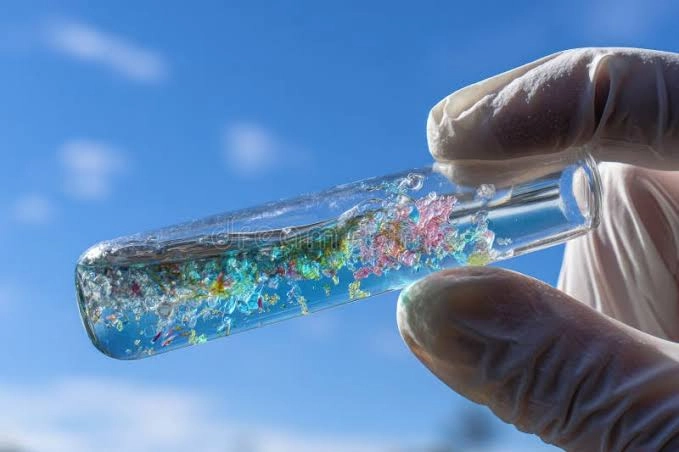
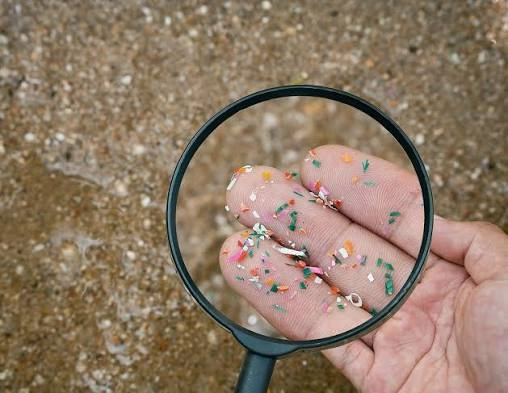
تُعدّ مياه الصرف الصناعي مسارًا رئيسيًا لدخول الجزيئات البلاستيكية الدقيقة إلى المسطحات المائية الطبيعية. تحمل هذه المياه قطعًا بلاستيكية تتراكم على مر السنين، وتختلف هذه القطع الصغيرة اختلافًا كبيرًا، بدءًا من البولي إيثيلين الشائع وصولًا إلى كلوريد البولي فينيل. وتجعل الأشكال المختلفة والمواد الكيميائية المضافة إليها عملية اكتشافها وقياسها بالغة الصعوبة. تتطلب اللوائح البيئية الأكثر صرامة اليوم معدات اختبار متطورة لمياه الصرف، قادرة على رصد كميات ضئيلة من الجزيئات البلاستيكية الدقيقة في السوائل المختلطة. وتبذل الشركات جهودًا حثيثة لتحقيق الأهداف البيئية الجديدة، لذا فإنّ أساليب الاختبار الدقيقة ضرورية للالتزام باللوائح والحفاظ على سلامة مياهنا.
دور معدات اختبار مياه الصرف الصحي في الكشف عن الجزيئات البلاستيكية الدقيقة
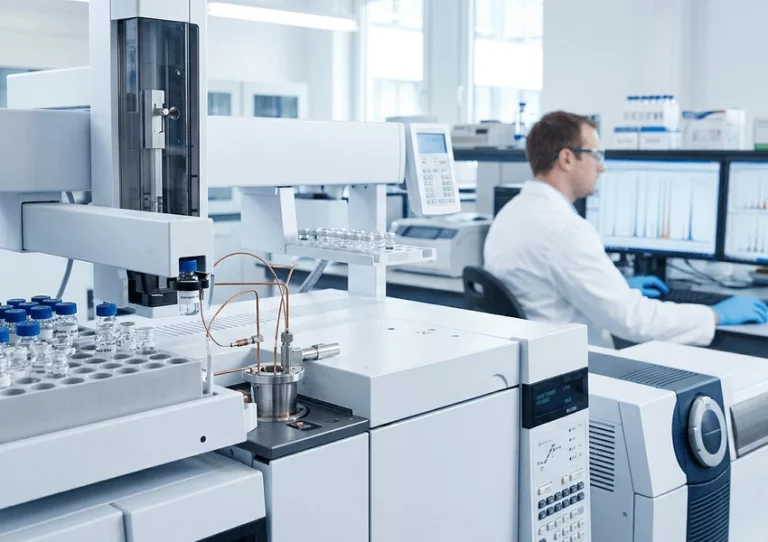
تستخدم أجهزة فحص مياه الصرف الصحي الحالية عدة طرق لزيادة الدقة. أولًا، تفصل المرشحات وأجهزة الفرز قطع البلاستيك. ثانيًا، تحدد الأدوات الضوئية نوع البلاستيك من خلال دراسة خصائصه البصرية. يعتمد اختيار الجهاز المناسب على الخصائص المحددة لنفايات المصنع، بالإضافة إلى حجم وكمية قطع البلاستيك.
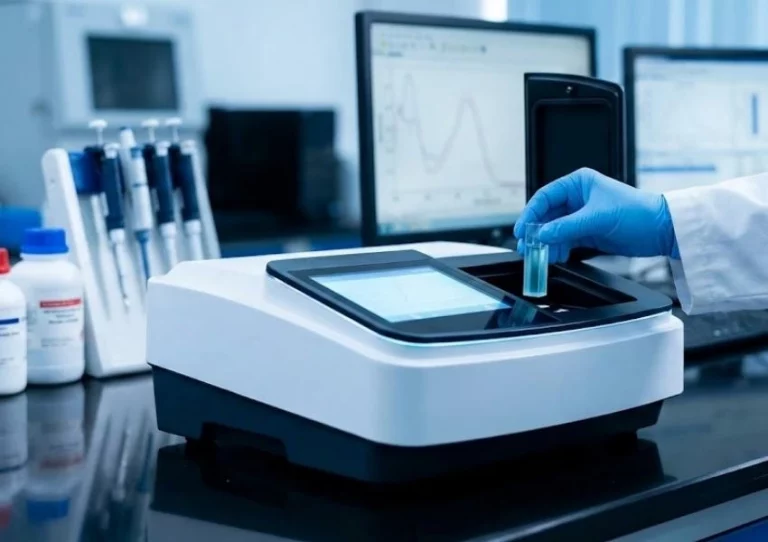
كل مادة كيميائية تمتص الضوء أو تنقله أو تعكسه عبر أطوال موجية محددة. يُعدّ قياس الطيف الضوئي طريقةً واضحةً لقياس هذا السلوك الضوئي. ويعمل هذا القياس عن طريق تمرير شعاع ضوئي عبر عينة سائلة، ثم قياس شدة الضوء النهائية. وتدعم هذه الفكرة الأساسية معظم تحليلات قياس الطيف الضوئي الحديثة في اختبار المياه.
التقنيات التحليلية المطبقة في تحليل الجزيئات البلاستيكية الدقيقة
الأساليب الطيفية الضوئية لتوصيف الجزيئات البلاستيكية الدقيقة
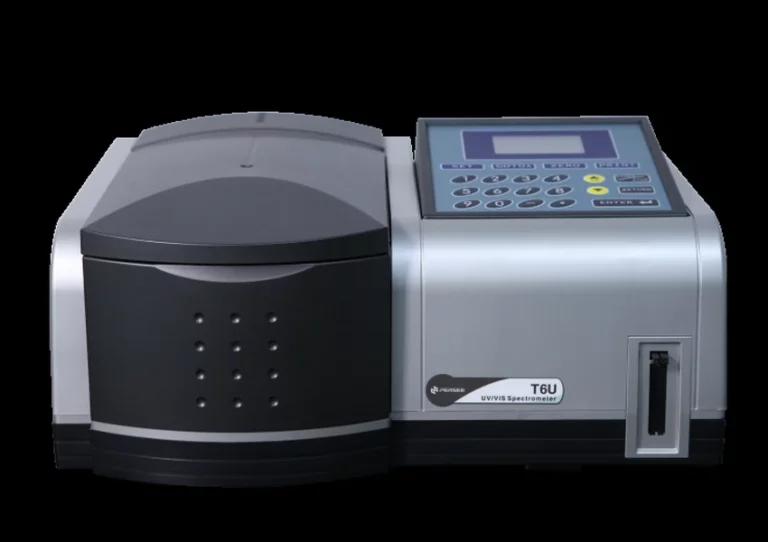
يُعدّ التحليل الطيفي الضوئي أساسيًا في فحص الجزيئات البلاستيكية الدقيقة. فهو يُحدد المواد باستخدام أنماط ضوئية فريدة لكل نوع من أنواع البلاستيك. تستطيع أجهزة قياس الطيف الضوئي قراءة الضوء المرئي أو الأشعة فوق البنفسجية، وتصل أطوال موجاتها إلى 190 نانومتر. يضمن هذا النطاق الواسع للقراءة نتائج دقيقة، بل ويكشف حتى الجزيئات الصغيرة التي لا تستطيع العدسات العادية رصدها.
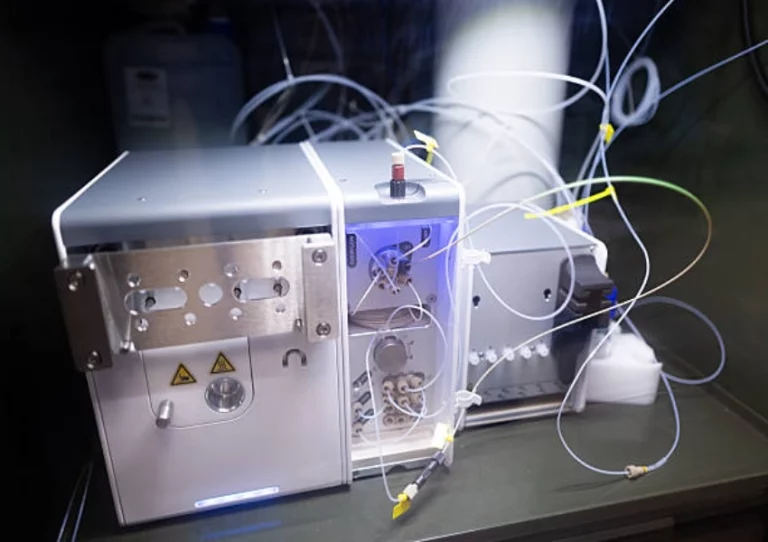
أدوات متطورة مثل T8DCS UV-VIS تتميز هذه الأجهزة بإعداد قوي مزدوج الحزمة، مع نطاقات تردد قابلة للتغيير من 0.1 إلى 5 نانومتر. يضمن هذا التصميم حساسية عالية لعينات المياه المعقدة. يستخدم الجهاز مُوحِّد اللون تشيرني-تيرنر مع محزز خاص، مما يقلل الضوء المتناثر ويُحسِّن التركيز البصري. يُعد هذا التركيز ضروريًا عند فحص الإشارات البلاستيكية المختلطة في نفايات المصانع. يُعزز ربط هذه المطيافات الضوئية بالكاميرات كلاً من الفحوصات البصرية والقياسات الدقيقة.
أساليب تحليلية تكميلية لتقييم الجزيئات البلاستيكية الدقيقة
لا يمكن لتقنية قياس الطيف الضوئي وحدها تحديد جميع أنواع البلاستيك. لذا، غالبًا ما تستخدم المختبرات طرقًا إضافية مثل مطيافية الأشعة تحت الحمراء بتحويل فورييه (FTIR) ومطيافية رامان لإجراء مطابقة أدق. يمكن للضوء أن ينعكس عن الأجسام بطريقتين: إما أن ينعكس بشكل طبيعي محتفظًا بطاقته، أو أن ينعكس مع تغير في طاقته، وهو ما يُعرف بتشتت رامان. وتُعرف دراسة هذا الضوء المتغير بمطيافية رامان. تُحدد هذه الطرق مكونات كيميائية محددة داخل البلاستيك. في الوقت نفسه، تُظهر اختبارات الحرارة كيفية تحلل المواد تحت درجات حرارة عالية. بعد ذلك، تُصنف المجاهر الأشكال إلى مجموعات مثل الخيوط أو القطع، مما يُساعد في إتمام فحص السلامة الشامل.
التحديات التي تواجهها المختبرات الصناعية
القيود في إجراءات أخذ العينات والمعالجة المسبقة
لا يزال عدم انتظام أخذ العينات يمثل عائقًا رئيسيًا في تحليل الجزيئات البلاستيكية الدقيقة. إذ تحمل مياه المصانع جزيئات لا تتوزع جيدًا مع مرور الوقت والمكان، مما يجعل الحصول على عينة دقيقة أمرًا بالغ الصعوبة. وقد تؤدي الخطوات الأولية، مثل الترشيح أو تفتيت المواد، إلى تلف الجزيئات، كما قد تجلب معها غبارًا خارجيًا إذا لم تتم مراقبتها بدقة. لذا، يجب على المختبرات اتباع قواعد تنظيف صارمة لجميع الأدوات الزجاجية والمرشحات أثناء التحضير.
قضايا تفسير البيانات وتوحيدها
يؤدي غياب قواعد عالمية موحدة لحساب الجزيئات البلاستيكية الدقيقة إلى تباين النتائج بين المختبرات، التي غالبًا ما تستخدم معدات مختلفة لتحليل مياه الصرف الصحي. لذا، يحتاج العامل إلى الثقة في نتائج جهاز قياس الطيف الضوئي. ولتحقيق هذه الثقة، يجب التأكد من دقة وظائفه الأساسية، كالخطية، والطول الموجي، وعرض النطاق، والضوء الشارد. كما يجب أن تتطابق نتائج فحص الجهاز مع المواد القياسية الرسمية، لضمان الحصول على النتائج نفسها في مختلف المواقع. وتُعدّ أنماط الإبلاغ المشتركة بالغة الأهمية، إذ تُمكّن المختبرات من مقارنة النتائج وتُسهّل تطبيق القوانين بسلاسة.
الابتكارات التكنولوجية تدفع عجلة التقدم في معدات اختبار مياه الصرف الصحي
الأتمتة والتكامل الرقمي في الأنظمة التحليلية
لقد أحدثت الأدوات الآلية نقلة نوعية في معدات فحص مياه الصرف الصحي الحديثة، حيث قللت من الأخطاء البشرية أثناء نقل العينات وفحصها. وتعرض شاشات الحاسوب الآن قراءات دقيقة وفورية. وفي الوقت نفسه، تتيح الأنظمة عن بُعد للعاملين متابعة العملية من أي مكان، وهو ما يُجدي نفعًا حتى في مواقع المصانع المتباعدة. ويضمن ربط هذه المعدات بأنظمة إدارة معلومات المختبرات (LIMS) دقة البيانات، إذ يتتبع النظام التفاصيل من العينة الأولى وحتى التقرير النهائي. ويُعد هذا المسار الواضح ضروريًا لاجتياز فحوصات معايير الاستدامة البيئية.
تطورات في تصميم أجهزة قياس الطيف الضوئي للتطبيقات البيئية
تركز التحديثات الجديدة على جعل الأجهزة أكثر حساسية. ويتم ذلك باستخدام أجزاء زجاجية أفضل وأنماط إضاءة متعددة. تستطيع هذه الأنماط فحص العديد من العناصر المعيبة في وقت واحد. أجهزة مثل... T9DCS UV-VIS تُصدر هذه الأجهزة كمية ضئيلة جدًا من الضوء المتناثر. وتتميز بنطاق قياس مذهل يتراوح من -8 إلى +8Abs، مما يجعلها مثالية للكشف عن كميات ضئيلة من التلوث، مثل الجزيئات البلاستيكية الدقيقة، في المياه العكرة. تعمل عدسة الجهاز المملوءة بالنيتروجين على رفع مستوى القراءة إلى مناطق الأشعة فوق البنفسجية العميقة. تُظهر العديد من أنواع البلاستيك إشارات قوية في هذه المناطق. تُعد هذه الميزة بالغة الأهمية للتمييز بين أنواع البلاستيك المتشابهة كيميائيًا.
كما أن التصاميم الصغيرة تسهل وضع الأدوات مباشرة في الموقع. ويمكن وضعها بالقرب من خطوط الإنتاج أو محطات التنظيف، مما يسمح للشركات بإجراء فحوصات سريعة قبل تدفق المياه إلى مصارف المدينة.
PERSEE: مصنع موثوق للأدوات التحليلية
عند برسينعمل جاهدين على تطوير علوم الاختبارات. نصنع أدوات دقيقة مصممة للاستخدامات الصديقة للبيئة في جميع أنحاء العالم. تشمل قائمة منتجاتنا أجهزة قياس الطيف الضوئي للأشعة فوق البنفسجية والمرئية مثل سلسلتي T8DCS وT9DCS. كما تشمل أنظمة الامتصاص الذري مثل... A3AFGنصنع كل وحدة بعدسات عالية الثبات وبرامج سهلة الاستخدام. هذه الميزات تجعل الاختبارات الصعبة بسيطة مع الحفاظ على دقة النتائج. سنوات خبرتنا الطويلة تُفيد المختبرات في كل مكان. نوفر شبكات دعم قوية لضمان استمرار عمل كل جهاز بكفاءة عالية لسنوات.
تساعد أدواتنا المصانع الراغبة في العمل بطريقة أكثر استدامة. نوفر معدات موثوقة لاختبار مياه الصرف الصحي، تتوافق مع القوانين الجديدة المتعلقة بالنفايات البلاستيكية. ويضمن استثمارنا المستمر في البحث والتطوير مواكبة تقنياتنا لأحدث المعايير العالمية، كما يعزز ميزات التشغيل الآلي لتسريع عملية الاختبار بشكل ملحوظ. تعمل معداتنا بكفاءة عالية في المصانع الكيميائية ومحطات معالجة المياه في المدن. وبشكل عام، تساعد منتجاتنا المستخدمين على الالتزام بالقانون وحماية الأنهار من التلوث البلاستيكي المستدام.
خاتمة
إن تزايد كمية البلاستيك في مياه المصانع يستدعي تحديثات مستمرة في أساليب الاختبار. وتلعب أجهزة قياس الطيف الضوئي الحديثة دورًا حيويًا في تحديد الكميات والأنواع بدقة. هذه المعلومات الواضحة ضرورية لوضع خطط تنظيف فعّالة. ولا يزال العمل الجماعي أساسيًا لتحقيق النجاح في المستقبل. يجب على مصنّعي الأدوات، مثلنا، وواضعي القوانين، وفرق البحث، التعاون معًا. سيساهم هذا الجهد المشترك في تحسين قوانين سلامة المياه العالمية، ويهدف إلى الحد من النفايات البلاستيكية من منبعها.
أسئلة متكررة
س1: ما هو دور جهاز قياس الطيف الضوئي في تحليل الجزيئات البلاستيكية الدقيقة؟
أ1: يحدد جهاز قياس الطيف الضوئي أنواع البلاستيك من خلال قراءة إشاراته الضوئية. يقيس أنماطًا ضوئية محددة عبر نطاقي الأشعة فوق البنفسجية والضوء المرئي. تُمكّن هذه العملية المستخدمين من التمييز بدقة بين أنواع البلاستيك المختلفة الموجودة في عينات المياه المُستخرجة من المصانع.
س2: كيف يمكن للصناعات تحسين موثوقية معدات اختبار مياه الصرف الصحي الخاصة بها؟
أ2: يجب على المصانع إجراء فحوصات دورية باستخدام المعايير الرسمية. كما يجب عليها الالتزام بقواعد صارمة لأخذ العينات لمنع اختلاط الأوساخ. وأخيرًا، ينبغي عليها إضافة أنظمة تتبع حاسوبية. تساعد هذه الأنظمة على ضمان الحصول على نتائج متطابقة في كل مرة أثناء عمليات الاختبار.
س3: لماذا تعتبر شركة بيرسي شريكًا موثوقًا به في مجال الأجهزة التحليلية؟
ج٣: لدينا خبرة واسعة ومجموعة منتجات متميزة، تشمل سلسلة T8DCS وT9DCS وA3AFG. كما نقدم دعمًا ممتازًا لما بعد البيع. هذه الميزات تجعلنا مصدرًا موثوقًا به للمختبرات التي تُجري اختبارات عسر الماء حول العالم. يمكنك الاطلاع على المزيد من التفاصيل في صفحة الاتصال الخاصة بنا.